
AC Motor
What is an AC Motor?
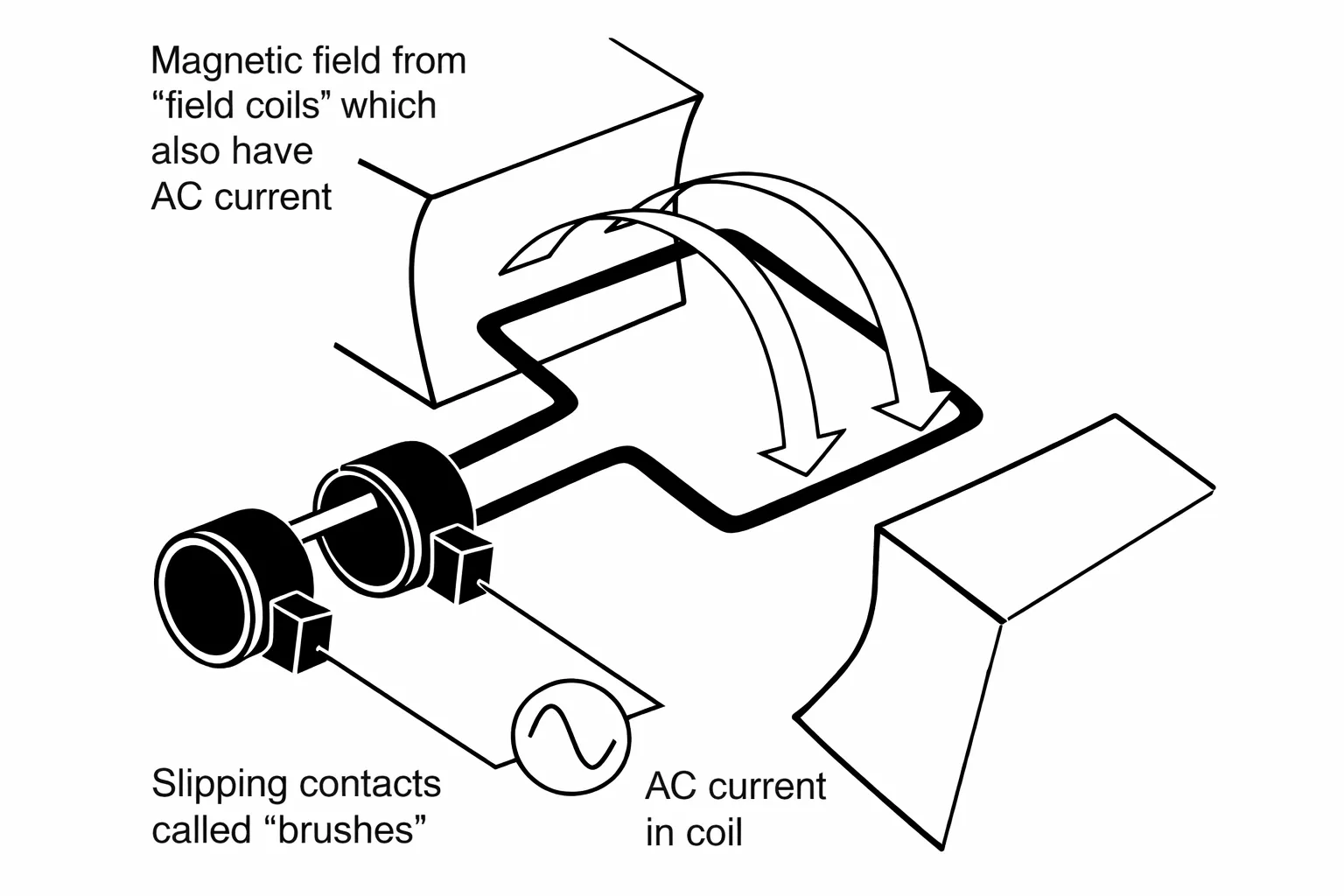
An AC motor is an electric motor that converts alternating current (AC) into mechanical power, using the principle of electromagnetic induction where AC supplied to stationary coils (stator) creates a rotating magnetic field that forces an internal rotor to spin, making them ideal for everything from home appliances (fans, refrigerators) to industrial machinery (pumps, conveyors) due to their efficiency, reliability, and use with common power grids.

-
Synchronous and Asynchronous Motors:
-
Synchronous Motors: In these motors, the rotor rotates at the same speed as the magnetic field created by the stator. The rotor and stator magnetic fields are synchronized.
-
Induction (Asynchronous) Motors: Most AC motors are induction motors. In these motors, the rotor does not rotate at the exact speed of the magnetic field but instead lags slightly behind, creating an induced current in the rotor that produces torque. The difference in speed between the rotor and stator magnetic field is known as “slip.”
-
Working Principle of an AC Motor
-
Basic Structure:
An AC motor typically consists of two main parts: the stator (the stationary part) and the rotor (the rotating part). The stator is the outer part of the motor, and it contains windings (coils of wire) that are powered by alternating current. The rotor is located inside the stator and is connected to the mechanical load that needs to be driven, such as a fan, pump, or conveyor belt. -
Electromagnetic Induction:
When alternating current flows through the stator’s windings, it generates a rotating magnetic field. The speed at which the field rotates is determined by the frequency of the AC supply. This magnetic field then induces a current in the rotor, according to the principles of electromagnetic induction. -
Interaction Between Stator and Rotor:
The rotating magnetic field from the stator creates a force that causes the rotor to turn. As the rotor starts to rotate, it follows the magnetic field of the stator. The interaction between the magnetic fields of the rotor and stator produces torque, which is the mechanical output of the motor. The rotor continues to rotate as long as the current in the stator windings alternates.
Products Categories

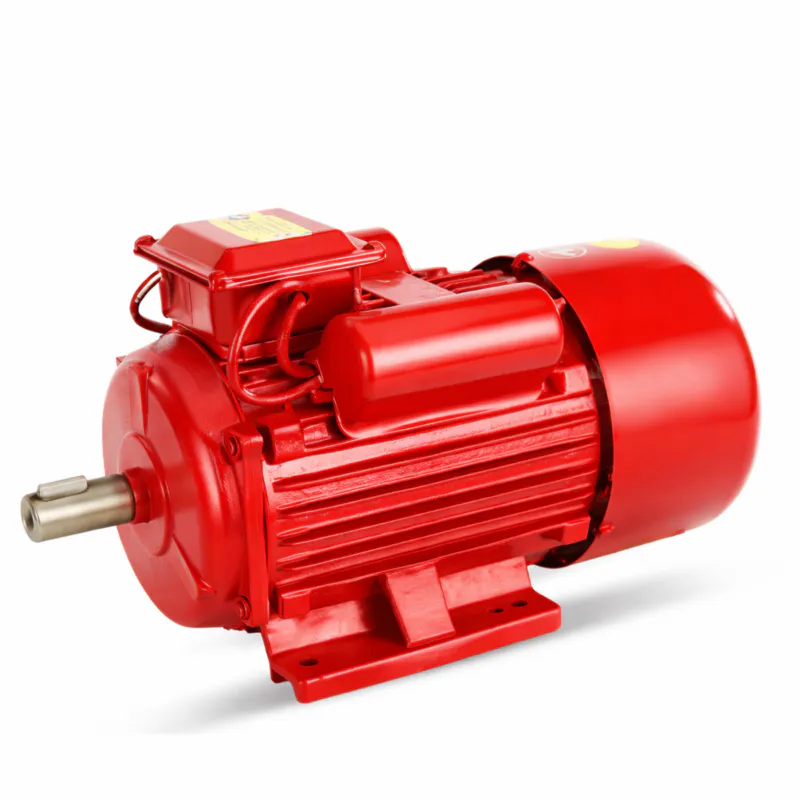
AC-Motors-JY Series Capacitor Start Single Phase Induction Motor
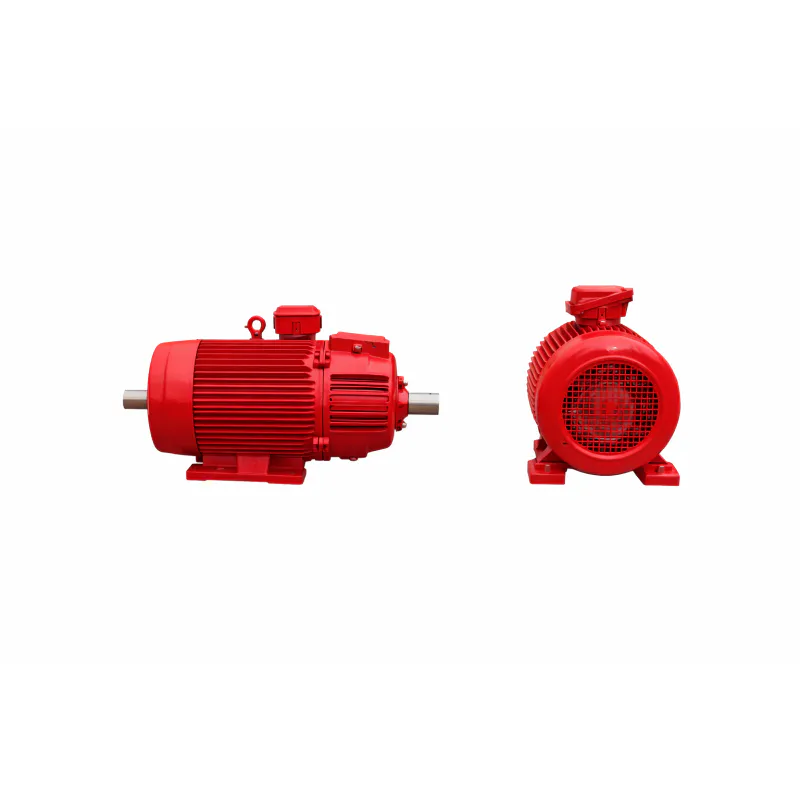
AC-Motors-Russian Standard Electric Motor

AC-Motors-YBBP Series Explosion Proof Variable Frequency Adjustable-Speed Three Phase Asynchronous Motor

AC-Motors-YBX4 Series Explosion Proof Three Phase Asynchronous Motor

AC-Motors-YE2IE2 Series Three Phase Asynchronous Motor
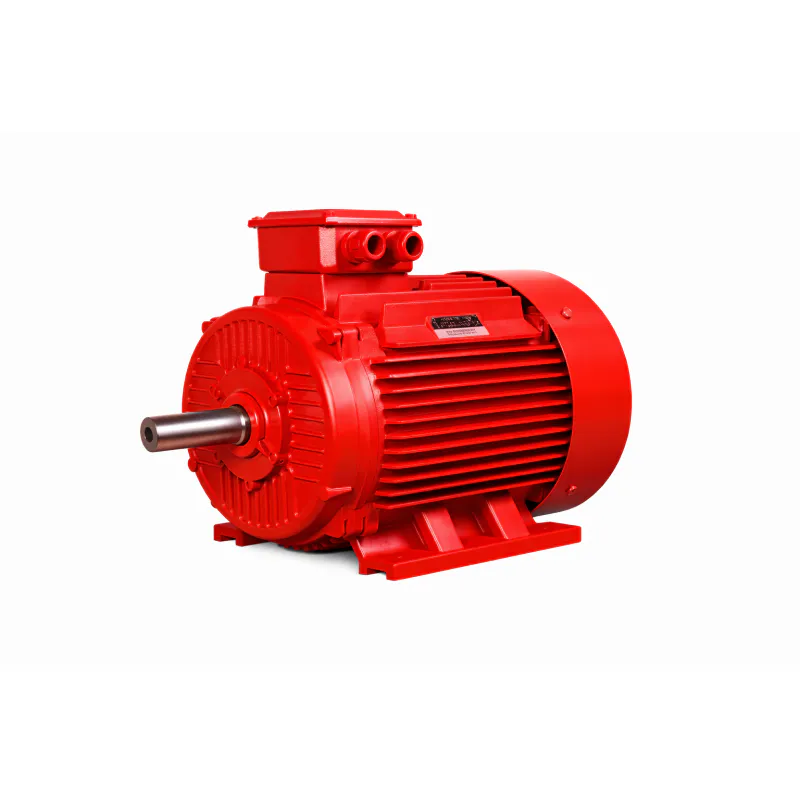
AC-Motors-YE3IE3 Series High Efficiency Three Phase Asynchronous Motor

AC-Motors-YS Series Aluminum Housing Three Phase Asynchronous Motor

AC-Motors-YVF2 Series Three Phase Asynchronous Motor
Advantages
Ease of Control
The ability to control speed, torque, and direction of rotation through changes in AC supply makes them highly flexible.
Cost-Effective
AC motors are typically less expensive to maintain and operate compared to other types of motors, especially in high-volume applications.
Environmental Friendly
With modern advances in technology, AC motors are becoming increasingly energy-efficient, thus reducing operational costs and carbon footprints.
About Us
Colombia Ever Power AC Motors Co., Ltd.
We are a professional electric motor manufacturer and supplier. We have an experienced technical team that provides technical services for customized motors.
Our type testing capacity (direct load method) reaches 3000kW.
We have a quality management system that complies with ISO9001 standards and is certified by the China Quality Certification Center (CQC). In addition, the company has also obtained ISO14001 environmental management system, ISO45001 occupational health and safety management system, and ISO5001 energy management system certifications.
We hold several patents related to Russian standard motor design. We are committed to providing OEM and ODM services, integrating manufacturer and global supplier resources. Our strict quality control and cost-effective production model make us a trustworthy partner for global B2B customers.
Application Scenarios
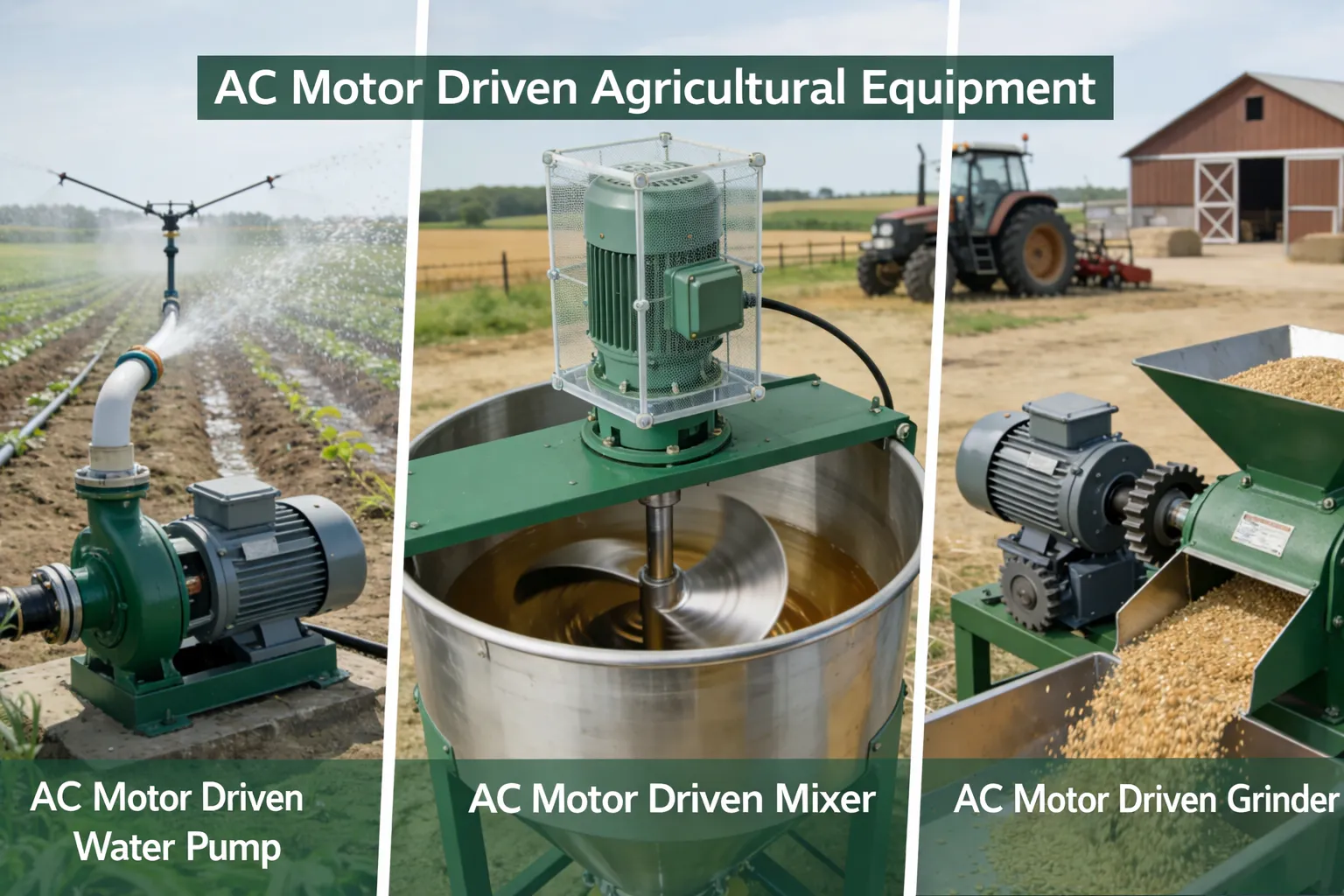
Agriculture Equipments
AC motors are used in agricultural machinery like irrigation systems, feed mixers, and grain mills, where reliable motor performance is essential for heavy-duty farming operations.
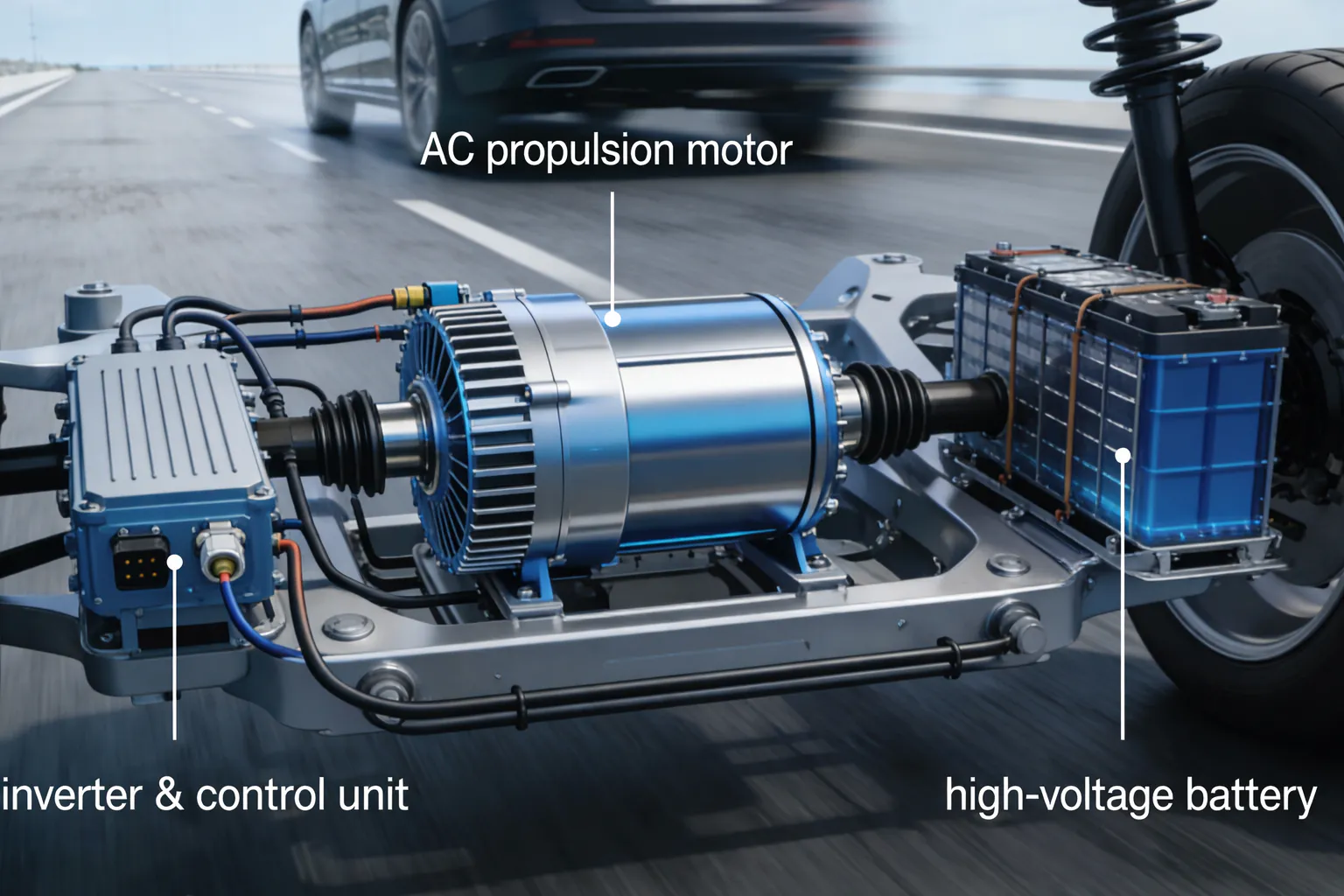
Electric Vehicles (EV)
AC motors are found in electric vehicles, particularly in applications involving propulsion and traction.
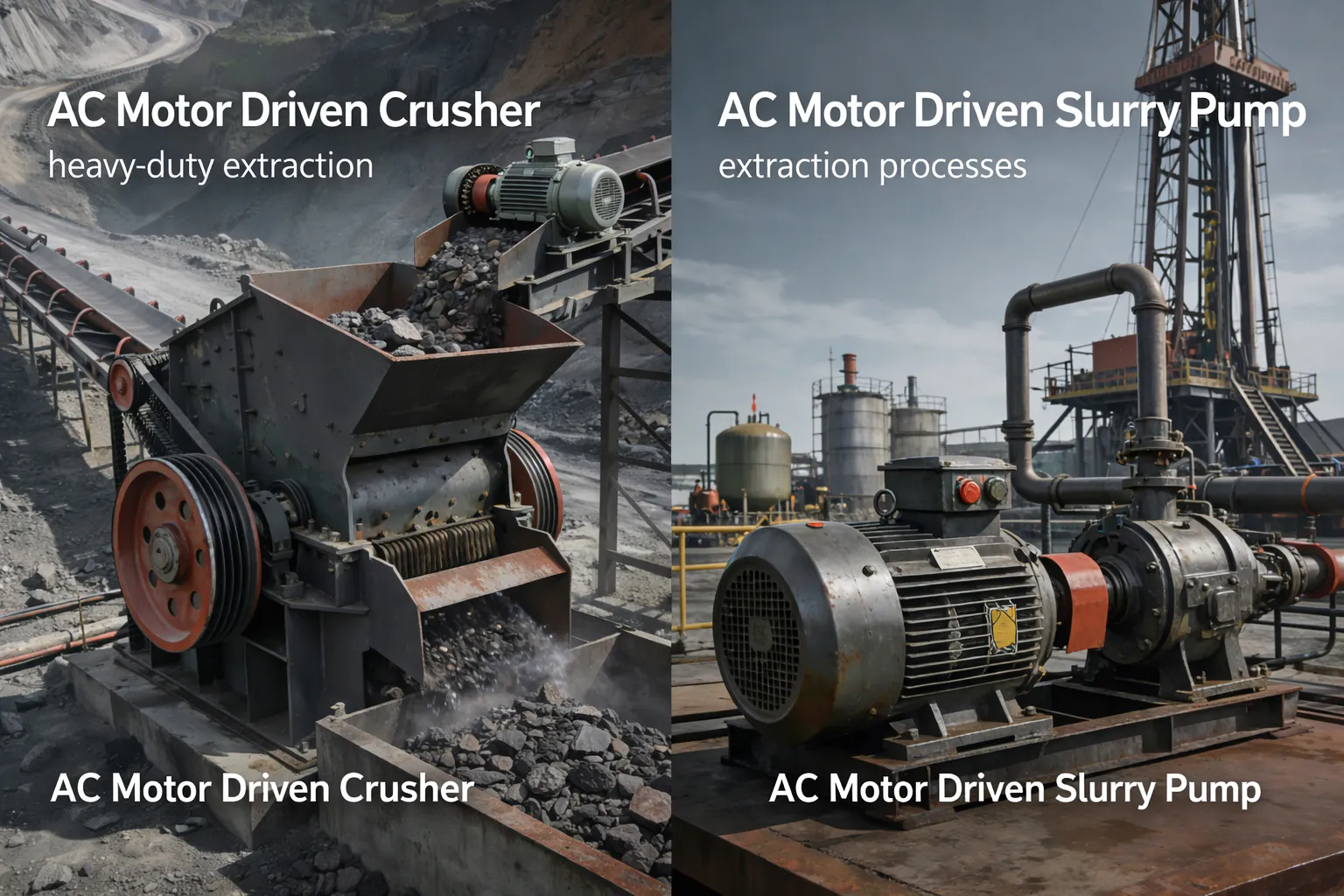
Mining and Oil Extraction
In mining and oil drilling applications, AC motors are used for powering large pumps, crushers, and other heavy machinery required for extraction processes.
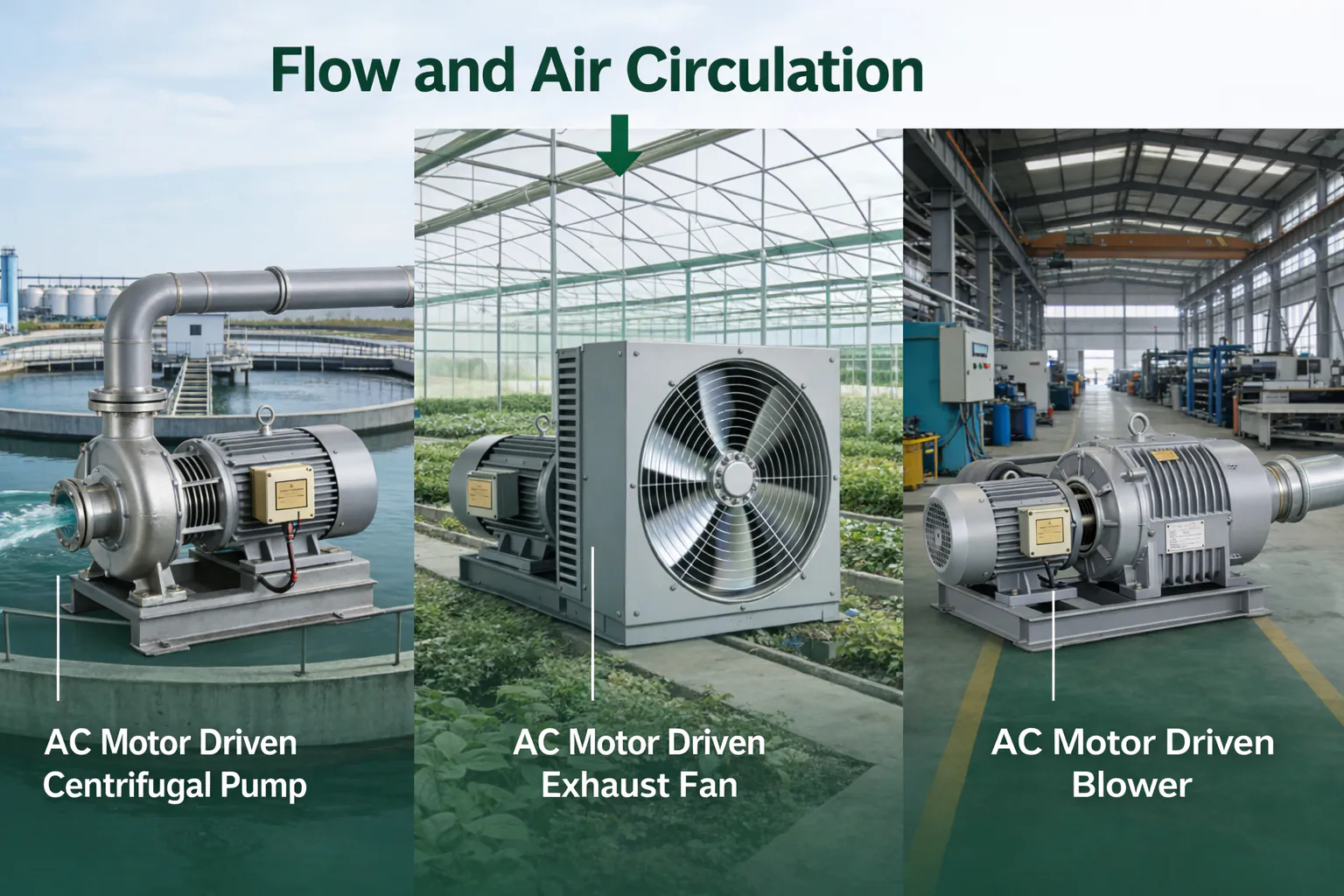
Pumps and Fans
AC motors drive centrifugal and reciprocating pumps, fans, and blowers, crucial for processes requiring fluid and air circulation in industries such as water treatment, agriculture, and manufacturing.
FAQ
Q1. How do I determine if I need a single-phase or three-phase AC motor for my workshop in Bogota?
A1. The choice depends on your power supply. Most industrial workshops in Bogota have three-phase power (220V or 440V), which is more efficient and provides smoother torque for heavy machinery. However, if you are in a residential area or a small commercial space with only standard outlets, you will need a single-phase motor. Always check your electrical panel configuration before purchasing ac motors for sale.
Q2. What is the difference between AC motors vs DC motors regarding maintenance costs?
A2. Generally, ac motors are much lower maintenance than DC motors. DC motors use brushes and commutators that wear out and require regular replacement and cleaning. AC induction motors are brushless and rugged, often only requiring bearing lubrication. For long-term industrial use in Colombia, AC motors usually offer a lower total cost of ownership.
Q3. Are your motors compliant with RETIE regulations for safety in Colombia?
A3. Absolutely. Safety is our priority. All EVER-POWER motors imported into and sold in Colombia comply with RETIE (Reglamento Técnico de Instalaciones Eléctricas) requirements. We can provide the necessary conformity certificates required by local inspectors and auditors to ensure your installation is legal and safe.
Q4. What are the best ac motors for high-humidity areas like Cartagena or Barranquilla?
A4. For coastal or humid regions, you need motors with high Ingress Protection (IP) ratings. We recommend our IP65 or IP66 rated motors with tropicalized winding insulation and anti-corrosive paint finishes. These features prevent moisture ingress and salt corrosion, which are the main killers of standard electric motors in coastal Colombia.
Q5. How does the price of an IE3 efficiency motor compare to a standard IE1 motor?
A5. While the initial purchase cost of an IE3 premium efficiency motor is higher than an older IE1 model, the operational savings are significant. In a country with industrial electricity rates like Colombia, the return on investment (ROI) is often achieved within 12 to 18 months due to lower energy consumption. We can help you calculate the specific payback period.


