
Productbeschrijving
Recommend view more >>
|
Model Number: |
CBB65 air conditioner capacitor |
|
|
Type |
Polypropylene film capacitor |
|
|
Safety approvals: |
CQC/VDE/TUV/CL |
|
|
Approval standard |
GB/T3667,EN65712 |
|
|
Climatic category |
25/70/21,25/85/21,40/70/21,40/85/21 |
|
|
Rated voltage |
150VAC~600VAC(50-60Hz) |
|
|
Capacitance range |
3uf~100uf |
|
|
Capacitance tolerance |
+_5%(J),+_10%(K),+10%(U),-5%(U) |
|
|
Testing voltage |
|
|
|
Between terminals |
2*Un(VAC)/5s |
|
|
Between terminals and case |
2*Un+1000(VAC)/5s(>=2000VAC) |
|
|
Insulation Resistance(20) |
|
|
|
Between terminals |
>=2000MΩ,UF(500VDC,5s) |
|
|
Tangent of loss angle(20) |
<=0.002(100Hz) |
|
|
Class of safety protection |
S0/S3 |
|
|
Fault Currency |
10,000AFC(UL810) |
|
|
Place of CHINAMFG |
CHINA |
|
|
Packing |
More pieces in 1 inner box or polybag as customer request. |
|
|
Color |
accept customization |
|
|
Supplier type |
OEM factory |
|
|
Capacitance(uf) |
250/300VAC |
|
|
400-450VAC |
|
|
||||
|
|
Cylindrical |
|
Ocal |
Cylindrical |
|
Ocal |
||||
|
|
D |
H |
L*W*H |
H |
D |
L*W*H |
||||
|
10uf |
40 |
55 |
51.5*31.5*65 |
30 |
60 |
51.5*31.5*65 |
||||
|
15uf |
40 |
55 |
51.5*31.5*65 |
35 |
60 |
/ |
||||
|
20uf |
40 |
65 |
51.5*31.5*65 |
40 |
60 |
51.5*31.5*75 |
||||
|
25uf |
40 |
65 |
51.5*31.5*65 |
40 |
60 |
51.5*31.5*85 |
||||
|
30uf |
/ |
/ |
/ |
40 |
70 |
71.5*45*75 |
||||
|
35uf |
40 |
75 |
71.5*45*75 |
45 |
70 |
/ |
||||
|
40uf |
/ |
/ |
/ |
45 |
70 |
71.5*45*85 |
||||
|
45uf |
45 |
75 |
71.5*45*75 |
45 |
80 |
/ |
||||
|
50uf |
45 |
85 |
71.5*45*85 |
45 |
90 |
71.5*45*100 |
||||
|
60uf |
45 |
95 |
71.5*45*100 |
50 |
90 |
/ |
||||
What’s a dual run AC capacitor ?
* A capacitor is an electric component that temporarily stores an electrical charge and AC capacitor is a key component to start
air conditioner motors.
* A dual run capacitor supports “TWO” electric motors, 1 section for the condenser fan motor and the other for the compressor
motor. Beacause of technological innovation, the dual run capacitor can saves space by combining 2 capacitors into 1 case.
* Round cylinder-shaped dual run capacitors are commonly used for air conditioning, it can help in the starting of the compressor
and the condenser fan motor.
* Air conditioner capacitor is small in size, lightweight, heat resisting and anti-explosion.
Dual capacitors come in a variety of sizes, depending on the capacitance (µF or MFD) and the voltage.
1. The capacitance (µF or MFD) must be the same or stay within ±6% of its original value. Example: 45 µF cap can be substituted
by 42.3 to 47.7 µF with the same or better voltage ratings capacitor .
2. A 440 volt capacitor can be used in place of a 370 volt capacitor, as it can work better, but the 370 volt capacitor can’t be
used in place of a 440 volt capacitor.It will work for a while or will fail prematurely, because exceeding the capacitor’s
rated voltage will cause the dielectric to break down and the capacitor to short out.
“TIME” to Replace
The Dual Run AC Capacitor needs to be replaced when the following conditions occur:
1. The fan wouldn’t spin – the condenser fan motor maybe died.
2. The air conditioner is making humming sound, but no air flow.
3. Air conditioner stopped cooling – the compressor in the condenser maybe not coming on.
“SUPER EASY” to Install
* First, Shut off power to the A/C at both the thermostat and the breaker box. Secondly, taking out the capacitor.
* What’s important, make sure you know which wire is for which terminal – 3 terminals on the top are labeled “Herm”/”H” for
the compressor motor, “Fan”/”F” for the fan and “C” for the common line.
* Direct replacement, no need to change wiring or adapter.
* Last but not least, self-install will save you a substantial amount of money!
What is a starting capacitor and a running capacitor for a motor?
As we all know, a single-phase AC motor is not like a three-phase motor. It can turn when it is powered. It needs a starting torque to rotate, and the clockwise and anti-clockwise of this torque determines the steering of the motor, and there are many
ways to start. Among them, the capacitor start is one, which is customarily called the start capacitor, and the single-phase motor needs it to rotate smoothly.
However, some single-phase motors have more than 1 capacitor, and some motors have 2 capacitors. Why? Because some motors are equipped with a starting capacitor and a running capacitor, what is going on?
The difference between start capacitors and run capacitors.
Running capacitor: It is connected to the secondary winding to form an alternating magnetic field after phase-shifting the alternating current, and forms an approximately circular elliptical rotating magnetic field with the alternating magnetic field of the main winding. So he can be the same capacitor, but its role is different.
No matter what kind of capacitor, it has a starting effect at the beginning of the motor. However, when the motor reaches about 75% of the rated speed, the starting capacitor is automatically disconnected by the centrifugal switch, and the running capacitor continues to work with the motor. The process of starting the motor is actually the process of “column phase”. Because a single-phase motor is different from a three-phase motor, there is no phase difference, and a rotating magnetic field cannot be generated. The function of the capacitor is to make the starting winding current of the motor lead the running winding by 90 electrical angles in time and space to form a phase difference. Among them, the running capacitor also plays the role of balancing the current between the main and auxiliary windings. Since the starting capacitor works for an instant and a short time, the withstand voltage is required to be above 250V, while the running capacitor needs to work for a long time, and the withstand voltage is required to be above 450V.
The starting capacitor is to make the starting coil of the single-phase motor energized at the time of starting, and then cut off after starting. The running capacitor is to make the motor perform capacitance compensation during the operation, so the starting capacitor cannot be less, and the running capacitor can not be used.
The running capacitor is the starting capacitor used when the press is working normally. When the press starts, it starts the press together with the running capacitor. After the press is turned up, the start capacitor is disconnected. The running and starting capacitors are together, but 1 of the starting capacitors is open, and the starting capacitor is useless when the motor turns. What is the difference between the starting capacitor and the running capacitor? That is the capacity of the starting capacitor is large, generally 2-5 times that of the running capacitor, while the capacity of the running capacitor is small, and the capacity difference between the 2 is huge and easy to distinguish.
/* 22 januari 2571 19:08:37 */!function(){function s(e,r){var a,o={};try{e&&e.split(“,”).forEach(function(e,t){e&&(a=e.match(/(.*?):(.*)$/))&&1
| Sollicitatie: | Thuis |
|---|---|
| Certification: | ISO9001, CE, CCC, RoHS |
| Type: | Polypropylene Film Capacitor |
| Voorbeelden: |
US$ 0.01/Piece
1 stuk (minimale bestelling) | Order Sample |
|---|
| Aanpassing: |
Beschikbaar
|
|
|---|
.shipping-cost-tm .tm-status-off{background: none;padding:0;color: #1470cc}
|
Shipping Cost:
Estimated freight per unit. |
about shipping cost and estimated delivery time. |
|---|
| Payment Method: |
|
|---|---|
|
Initial Payment Full Payment |
| Currency: | US$ |
|---|
| Return&refunds: | You can apply for a refund up to 30 days after receipt of the products. |
|---|
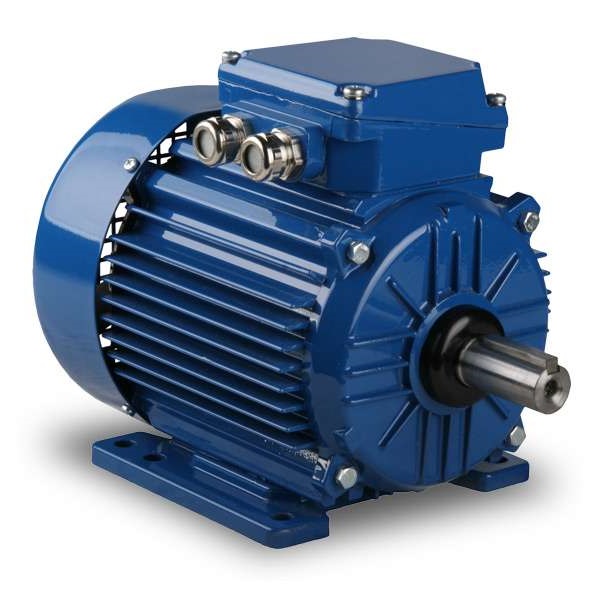
Welke rol spelen wisselstroommotoren in HVAC-systemen (verwarming, ventilatie en airconditioning)?
In HVAC-systemen (verwarming, ventilatie en airconditioning) spelen wisselstroommotoren een cruciale rol in diverse componenten en functies. Deze motoren zijn verantwoordelijk voor de aandrijving van ventilatoren, compressoren, pompen en andere essentiële apparatuur binnen het HVAC-systeem. Laten we de specifieke rollen van wisselstroommotoren in HVAC-systemen eens nader bekijken:
- Luchtbehandelingsunits (AHU's) en ventilatiesystemen: AC-motoren drijven de ventilatoren in luchtbehandelingsunits en ventilatiesystemen aan. Deze ventilatoren zuigen verse lucht aan, circuleren de lucht in het gebouw en voeren de gebruikte lucht af. De motoren leveren het benodigde vermogen om de lucht door het kanaalsysteem te verplaatsen en gelijkmatig door de ruimte te verdelen. Ze spelen een cruciale rol bij het handhaven van een goede binnenluchtkwaliteit, het reguleren van de luchtvochtigheid en het garanderen van voldoende ventilatie.
- Koelinstallaties en koeltorens: HVAC-systemen die koelinstallaties gebruiken, vertrouwen op wisselstroommotoren om de compressor aan te drijven. De motor drijft de compressor aan, die het koelmiddel door het systeem circuleert, warmte uit de binnenomgeving absorbeert en naar buiten afvoert. Wisselstroommotoren worden ook gebruikt in koeltorens, die warmte van het koelsysteem afvoeren door water te verdampen. De motoren drijven de ventilatoren aan die lucht door de koeltoren zuigen en de warmteoverdracht verbeteren.
- Warmtepompen: Wisselstroommotoren zijn essentiële onderdelen van warmtepompsystemen, die zowel verwarming als koeling leveren. De motor drijft de compressor in de warmtepomp aan, waardoor warmte tussen de binnen- en buitenomgeving kan worden overgedragen. In de koelmodus circuleert de motor koelmiddel om warmte van binnen naar buiten te onttrekken. In de verwarmingsmodus keert de motor de stroomrichting van het koelmiddel om, waardoor warmte uit de buitenlucht of de grond wordt onttrokken en naar binnen wordt afgevoerd.
- Ovens en ketels: In verwarmingssystemen drijven wisselstroommotoren de ventilatoren of blowers in ovens en boilers aan. De motor zorgt ervoor dat de blower de verwarmde lucht of stoom door het hele gebouw verspreidt. Dit helpt een comfortabele binnentemperatuur te handhaven en zorgt voor een efficiënte warmteverdeling in de ruimte.
- Pompen en circulatiesystemen: HVAC-systemen bevatten vaak pompen voor watercirculatie, zoals in hydronische verwarmings- of koelwatersystemen. AC-motoren drijven deze pompen aan en zorgen voor de benodigde druk om water of andere warmteoverdrachtsvloeistoffen door het systeem te circuleren. De motoren garanderen efficiënte debieten en dragen bij aan de effectieve overdracht van thermische energie.
- Dempers en actuatoren: Wisselstroommotoren worden in HVAC-systemen gebruikt om de luchtstroom te regelen en de positie van kleppen en actuatoren aan te sturen. Deze motoren maken het mogelijk om de luchtstroom, de temperatuur en de klimaatregeling per zone aan te passen. Door de snelheid of positie van de motor te moduleren, kunnen HVAC-systemen de luchtverdeling en temperatuur in verschillende ruimtes van een gebouw nauwkeurig regelen.
Wisselstroommotoren in HVAC-systemen zijn ontworpen om te voldoen aan specifieke prestatie-eisen, zoals variabele snelheidsregeling, energie-efficiëntie en betrouwbare werking onder wisselende belastingen. Onderhoud en regelmatige inspectie van deze motoren zijn essentieel om optimale prestaties, energie-efficiëntie en een lange levensduur van het HVAC-systeem te garanderen.
Kortom, wisselstroommotoren spelen een essentiële rol in HVAC-systemen door ventilatoren, compressoren, pompen en actuatoren aan te drijven. Ze maken een goede luchtcirculatie, temperatuurregeling en efficiënte warmteoverdracht mogelijk, wat bijdraagt aan het algehele comfort, de luchtkwaliteit en de energie-efficiëntie van gebouwen.
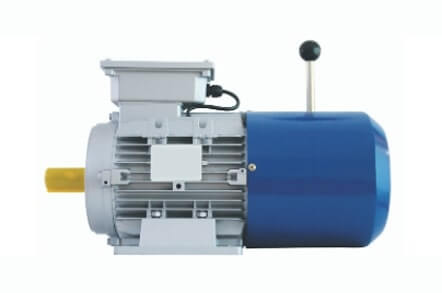
Are there energy-saving technologies or features available in modern AC motors?
Yes, modern AC motors often incorporate various energy-saving technologies and features designed to improve their efficiency and reduce power consumption. These advancements aim to minimize energy losses and optimize motor performance. Here are some energy-saving technologies and features commonly found in modern AC motors:
- High-Efficiency Designs: Modern AC motors are often designed with higher efficiency standards compared to older models. These motors are built using advanced materials and optimized designs to reduce energy losses, such as resistive losses in motor windings and mechanical losses due to friction and drag. High-efficiency motors can achieve energy savings by converting a higher percentage of electrical input power into useful mechanical work.
- Premium Efficiency Standards: International standards and regulations, such as the NEMA Premium® and IE (International Efficiency) classifications, define minimum energy efficiency requirements for AC motors. Premium efficiency motors meet or exceed these standards, offering improved efficiency compared to standard motors. These motors often incorporate design enhancements, such as improved core materials, reduced winding resistance, and optimized ventilation systems, to achieve higher efficiency levels.
- Variable Frequency Drives (VFDs): VFDs, also known as adjustable speed drives or inverters, are control devices that allow AC motors to operate at variable speeds by adjusting the frequency and voltage of the electrical power supplied to the motor. By matching the motor speed to the load requirements, VFDs can significantly reduce energy consumption. VFDs are particularly effective in applications where the motor operates at a partial load for extended periods, such as HVAC systems, pumps, and fans.
- Efficient Motor Control Algorithms: Modern motor control algorithms, implemented in motor drives or control systems, optimize motor operation for improved energy efficiency. These algorithms dynamically adjust motor parameters, such as voltage, frequency, and current, based on load conditions, thereby minimizing energy wastage. Advanced control techniques, such as sensorless vector control or field-oriented control, enhance motor performance and efficiency by precisely regulating the motor’s magnetic field.
- Improved Cooling and Ventilation: Effective cooling and ventilation are crucial for maintaining motor efficiency. Modern AC motors often feature enhanced cooling systems, including improved fan designs, better airflow management, and optimized ventilation paths. Efficient cooling helps prevent motor overheating and reduces losses due to heat dissipation. Some motors also incorporate thermal monitoring and protection mechanisms to avoid excessive temperatures and ensure optimal operating conditions.
- Bearings and Friction Reduction: Friction losses in bearings and mechanical components can consume significant amounts of energy in AC motors. Modern motors employ advanced bearing technologies, such as sealed or lubrication-free bearings, to reduce friction and minimize energy losses. Additionally, optimized rotor and stator designs, along with improved manufacturing techniques, help reduce mechanical losses and enhance motor efficiency.
- Power Factor Correction: Power factor is a measure of how effectively electrical power is being utilized. AC motors with poor power factor can contribute to increased reactive power consumption and lower overall power system efficiency. Power factor correction techniques, such as capacitor banks or power factor correction controllers, are often employed to improve power factor and minimize reactive power losses, resulting in more efficient motor operation.
By incorporating these energy-saving technologies and features, modern AC motors can achieve significant improvements in energy efficiency, leading to reduced power consumption and lower operating costs. When considering the use of AC motors, it is advisable to select models that meet or exceed recognized efficiency standards and consult manufacturers or experts to ensure the motor’s compatibility with specific applications and energy-saving requirements.
What is an AC motor, and how does it differ from a DC motor?
An AC motor, also known as an alternating current motor, is a type of electric motor that operates on alternating current. It converts electrical energy into mechanical energy through the interaction of magnetic fields. AC motors are widely used in various applications, ranging from household appliances to industrial machinery. Here’s a detailed explanation of what an AC motor is and how it differs from a DC motor:
AC Motor:
An AC motor consists of two main components: the stator and the rotor. The stator is the stationary part of the motor and contains the stator windings. These windings are typically made of copper wire and are arranged in specific configurations to create a rotating magnetic field when energized by an alternating current. The rotor, on the other hand, is the rotating part of the motor and is typically made of laminated steel cores with conducting bars or coils. The rotor windings are connected to a shaft, and their interaction with the rotating magnetic field produced by the stator causes the rotor to rotate.
The operation of an AC motor is based on the principles of electromagnetic induction. When the stator windings are energized with an AC power supply, the changing magnetic field induces a voltage in the rotor windings, which in turn creates a magnetic field. The interaction between the rotating magnetic field of the stator and the magnetic field of the rotor produces a torque, causing the rotor to rotate. The speed of rotation depends on the frequency of the AC power supply and the number of poles in the motor.
DC Motor:
A DC motor, also known as a direct current motor, operates on direct current. Unlike an AC motor, which relies on the interaction of magnetic fields to generate torque, a DC motor uses the principle of commutation to produce rotational motion. A DC motor consists of a stator and a rotor, similar to an AC motor. The stator contains the stator windings, while the rotor consists of a rotating armature with coils or permanent magnets.
In a DC motor, when a direct current is applied to the stator windings, a magnetic field is created. The rotor, either through the use of brushes and a commutator or electronic commutation, aligns itself with the magnetic field and begins to rotate. The direction of the current in the rotor windings is continuously reversed to ensure continuous rotation. The speed of a DC motor can be controlled by adjusting the voltage applied to the motor or by using electronic speed control methods.
Differences:
The main differences between AC motors and DC motors are as follows:
- Power Source: AC motors operate on alternating current, which is the standard power supply in most residential and commercial buildings. DC motors, on the other hand, require direct current and typically require a power supply that converts AC to DC.
- Construction: AC motors and DC motors have similar construction with stators and rotors, but the design and arrangement of the windings differ. AC motors generally have three-phase windings, while DC motors can have either armature windings or permanent magnets.
- Speed Control: AC motors typically operate at fixed speeds determined by the frequency of the power supply and the number of poles. DC motors, on the other hand, offer more flexibility in speed control and can be easily adjusted over a wide range of speeds.
- Efficiency: AC motors are generally more efficient than DC motors. AC motors can achieve higher power densities and are often more suitable for high-power applications. DC motors, however, offer better speed control and are commonly used in applications that require precise speed regulation.
- Applications: AC motors are widely used in applications such as industrial machinery, HVAC systems, pumps, and compressors. DC motors find applications in robotics, electric vehicles, computer disk drives, and small appliances.
In conclusion, AC motors and DC motors differ in their power source, construction, speed control, efficiency, and applications. AC motors rely on the interaction of magnetic fields and operate on alternating current, while DC motors use commutation and operate on direct current. Each type of motor has its advantages and is suited for different applications based on factors such as power requirements, speed control needs, and efficiency considerations.


editor by CX 2024-04-26


