
Productbeschrijving
YKS series (6KV/10kv) high voltage motor is a squirrel-cage rotor water-cooled three-phase asynchronous motor. This type of motor has advanced technology, high efficiency, low noise, low vibration, reliable operation, convenient installation and maintenance. The power class, installation dimensions and electrical performance of this series of motors are in compliance with the relevant provisions of the IEC standard.
The YKS high voltage three-phase asynchronous motor has a protection rating of IP44 or IP54 and a cooling method of ICW81A.
YKS series (6KV/10kv) high voltage AC motors can be used to drive a variety of different machines. Such as ventilators, compressors, pumps, crushers, cutting machine tools and other equipment, and can be used for prime movers in coal mines, machinery industry, power plants and various industrial and mining enterprises.
YKS series (6KV/10kv) high-voltage water-cooled motor structure and installation type is IMB3. The quota is continuous quota based on continuous working system (S1). The rated frequency of the motor is 50Hz, the rated voltage is divided into 6KV, 10KV, other voltage levels or Special requirements can be agreed with the user when ordering.
This type of high-voltage motor is viewed from the shaft extension end. The 2-pole motor rotates clockwise. If the user needs to rotate counterclockwise, it must be specified when ordering.
The rotor of the YKS series (6KV/10kv) high voltage motor uses a reliable squirrel cage structure of cast aluminum or copper conductor. Bearings are available in both rolling and plain bearings, depending on the speed and power of the motor.
YKS series (6KV/10kv) high voltage motors can be used to drive a variety of general machinery, such as: compressors, pumps, fans, crushers, cutting machines, transportation machinery and other mechanical equipment. In the mining, machinery industry, power plants and other industrial and mining enterprises as the prime mover. Used to drag blowers, coal mills, rolling mills, winches, etc. should be stated when ordering.
Center height range: H355 ~ 630mm
Power range: 220kW ~ 2800kW
Number of poles: 2/4/6/8/10/12
Rated voltage: 3000V/33000V/6000V/6600V/10000v
Rated frequency: 50HZ/60HZ
Protection level: IP44 or IP54
Insulation class: F
Work system: S1 (continuous)
Cooling method: IC81W
Installation form: IMB3
Motor connection: Y (three outlet terminals in the junction box, the junction box from the extension of the spindle is located on the right side of the base)
Altitude: no more than 1000m
This type of motor is suitable for use in environments where the ambient air temperature does not exceed 40 ° C and there is no serious dust, the minimum ambient air temperature is -15 ° C, and there is no corrosive and explosive gas in the air (which can also be made into a damp heat or high-altitude motor).
YKS series (6KV/10kv) high-voltage motor has excellent materials, excellent manufacturing, high efficiency, low noise, low vibration, reliable operation and convenient installation and maintenance. The stator winding of the motor is always made of Class F insulation, and is treated by vacuum pressure immersion solventless paint to make the whole stator of the motor have good integrity, good structural strength, good impact resistance, electrical performance and moisture resistance, and stator winding temperature. It is upgraded according to Class B (80k), which can greatly extend the service life of the motor.
Main process flow of the motor
Motor stator: casing processing → punching press → iron core seating → coil making → weaving → dipping paint drying
Electronic rotor: blank shaft processing → iron core press installation → iron core cast aluminum → rotor string shaft → weave → dipping paint drying → dynamic balance
Motor assembly: stator rotor assembly → machine test → motor appearance coloring → packaging storage
The motor products manufactured by our company have obtained the ISO9001 quality management management system certification, passed the CCC/COC, China energy-saving product certification, and passed the certification certificates of CE/UL/IRIS/CAS and other European and American countries. The company strictly improves the quality and efficient motor products and services for users in strict accordance with the requirements of relevant product standards.
The motor products manufactured and sold by our company are used in many industries, such as electric power, mining, steel metallurgy, petrochemical, water conservancy, transportation, building materials and many other industries. The equipment for the motor is pump, machine tool, fan, mill, crusher, rolling mill, compressor and many other industrial equipment.
/* 22 januari 2571 19:08:37 */!function(){function s(e,r){var a,o={};try{e&&e.split(“,”).forEach(function(e,t){e&&(a=e.match(/(.*?):(.*)$/))&&1
| Sollicitatie: | Industrial |
|---|---|
| Operating Speed: | Constant Speed |
| Aantal stators: | Three-Phase |
| Species: | Ykk Yks |
| Rotor Structure: | Squirrel-Cage |
| Bescherming van de behuizing: | Gesloten type |
| Aanpassing: |
Beschikbaar
|
|
|---|
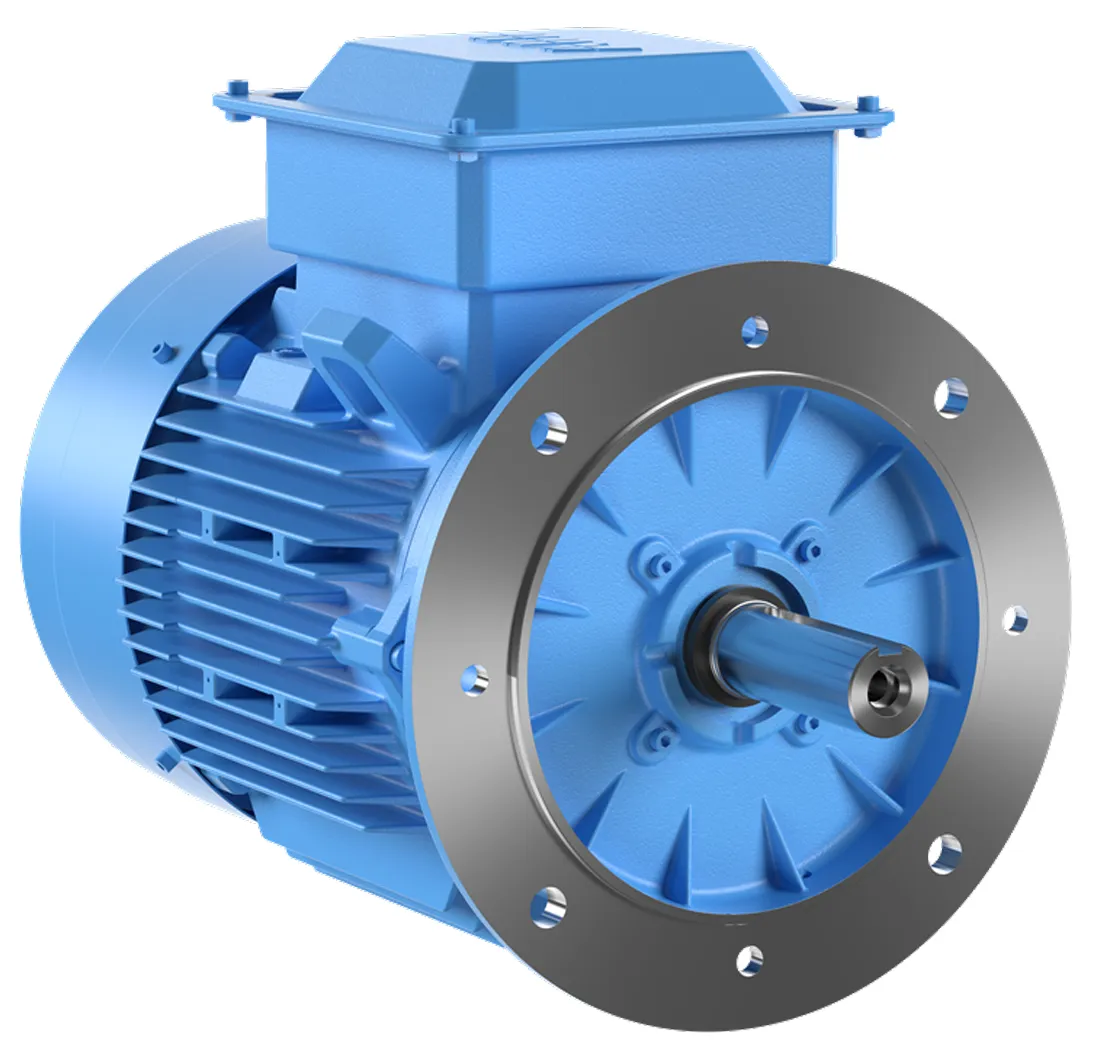
Can you explain the concept of motor efficiency and how it relates to AC motors?
Motor efficiency is a measure of how effectively an electric motor converts electrical power into mechanical power. It represents the ratio of the motor’s useful output power (mechanical power) to the input power (electrical power) it consumes. Higher efficiency indicates that the motor converts a larger percentage of the electrical energy into useful mechanical work, while minimizing energy losses in the form of heat and other inefficiencies.
In the case of AC motors, efficiency is particularly important due to their wide usage in various applications, ranging from residential appliances to industrial machinery. AC motors can be both induction motors, which are the most common type, and synchronous motors, which operate at a constant speed synchronized with the frequency of the power supply.
The efficiency of an AC motor is influenced by several factors:
- Motor Design: The design of the motor, including its core materials, winding configuration, and rotor construction, affects its efficiency. Motors that are designed with low-resistance windings, high-quality magnetic materials, and optimized rotor designs tend to have higher efficiency.
- Motor Size: The physical size of the motor can also impact its efficiency. Larger motors generally have higher efficiency because they can dissipate heat more effectively, reducing losses. However, it’s important to select a motor size that matches the application requirements to avoid operating the motor at low efficiency due to underloading.
- Operating Conditions: The operating conditions, such as load demand, speed, and temperature, can influence motor efficiency. Motors are typically designed for maximum efficiency at or near their rated load. Operating the motor beyond its rated load or at very light loads can reduce efficiency. Additionally, high ambient temperatures can cause increased losses and reduced efficiency.
- Magnetic Losses: AC motors experience losses due to magnetic effects, such as hysteresis and eddy current losses in the core materials. These losses result in heat generation and reduce overall efficiency. Motor designs that minimize magnetic losses through the use of high-quality magnetic materials and optimized core designs can improve efficiency.
- Mechanical Friction and Windage Losses: Friction and windage losses in the motor’s bearings, shaft, and rotating parts also contribute to energy losses and reduced efficiency. Proper lubrication, bearing selection, and reducing unnecessary mechanical resistance can help minimize these losses.
Efficiency is an important consideration when selecting an AC motor, as it directly impacts energy consumption and operating costs. Motors with higher efficiency consume less electrical power, resulting in reduced energy bills and a smaller environmental footprint. Additionally, higher efficiency often translates to less heat generation, which can enhance the motor’s reliability and lifespan.
Regulatory bodies and standards organizations, such as the International Electrotechnical Commission (IEC) and the National Electrical Manufacturers Association (NEMA), provide efficiency classes and standards for AC motors, such as IE efficiency classes and NEMA premium efficiency standards. These standards help consumers compare the efficiency levels of different motors and make informed choices to optimize energy efficiency.
In summary, motor efficiency is a measure of how effectively an AC motor converts electrical power into mechanical power. By selecting motors with higher efficiency, users can reduce energy consumption, operating costs, and environmental impact while ensuring reliable and sustainable motor performance.
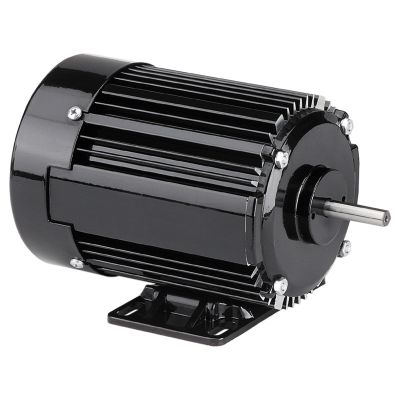
Can AC motors be used in renewable energy systems, such as wind turbines?
Yes, AC motors can be used in renewable energy systems, including wind turbines. In fact, AC motors are commonly employed in various applications within wind turbines due to their numerous advantages. Here’s a detailed explanation:
1. Generator: In a wind turbine system, the AC motor often functions as a generator. As the wind turbine blades rotate, they drive the rotor of the generator, which converts the mechanical energy of the wind into electrical energy. AC generators are commonly used in wind turbines due to their efficiency, reliability, and compatibility with power grid systems.
2. Variable Speed Control: AC motors offer the advantage of variable speed control, which is crucial for wind turbines. The wind speed is variable, and in order to maximize energy capture, the rotor speed needs to be adjusted accordingly. AC motors, when used as generators, can adjust their rotational speed with the changing wind conditions by modifying the frequency and voltage of the output electrical signal.
3. Efficiency: AC motors are known for their high efficiency, which is an important factor in renewable energy systems. Wind turbines aim to convert as much of the wind energy into electrical energy as possible. AC motors, especially those designed for high efficiency, can help maximize the overall energy conversion efficiency of the wind turbine system.
4. Grid Integration: AC motors are well-suited for grid integration in renewable energy systems. The electrical output from the AC generator can be easily synchronized with the grid frequency and voltage, allowing for seamless integration of the wind turbine system with the existing power grid infrastructure. This facilitates the efficient distribution of the generated electricity to consumers.
5. Control and Monitoring: AC motors offer advanced control and monitoring capabilities, which are essential for wind turbine systems. The electrical parameters, such as voltage, frequency, and power output, can be easily monitored and controlled in AC motor-based generators. This allows for real-time monitoring of the wind turbine performance, fault detection, and optimization of the power generation process.
6. Availability and Standardization: AC motors are widely available in various sizes and power ratings, making them readily accessible for wind turbine applications. They are also well-standardized, ensuring compatibility with other system components and facilitating maintenance, repair, and replacement activities.
It’s worth noting that while AC motors are commonly used in wind turbines, there are other types of generators and motor technologies utilized in specific wind turbine designs, such as permanent magnet synchronous generators (PMSGs) or doubly-fed induction generators (DFIGs). These alternatives offer their own advantages and may be preferred in certain wind turbine configurations.
In summary, AC motors can indeed be used in renewable energy systems, including wind turbines. Their efficiency, variable speed control, grid integration capabilities, and advanced control features make them a suitable choice for converting wind energy into electrical energy in a reliable and efficient manner.
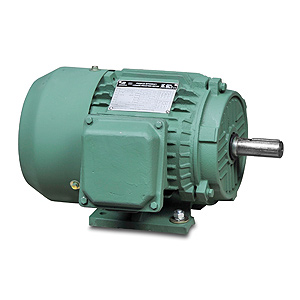
Wat zijn de belangrijkste onderdelen van een wisselstroommotor en hoe dragen ze bij aan de werking ervan?
Een wisselstroommotor bestaat uit verschillende belangrijke onderdelen die samenwerken om de werking ervan mogelijk te maken. Deze onderdelen zijn onder andere:
- Stator: De stator is het stationaire deel van een wisselstroommotor. Deze bestaat doorgaans uit een gelamineerde kern die een pad vormt voor de magnetische flux. De stator bevat statorwikkelingen, dit zijn spoelen van draad die rond de statorkern zijn gewikkeld. De statorwikkelingen zijn verbonden met een wisselstroombron en produceren een roterend magnetisch veld wanneer ze onder spanning staan. Dit roterende magnetische veld is een cruciaal element voor het genereren van het koppel dat nodig is voor de werking van de motor.
- Rotor: De rotor is het roterende deel van een wisselstroommotor. Deze bevindt zich in de stator en is verbonden met een as. De rotor kan verschillende ontwerpen hebben, afhankelijk van het type wisselstroommotor. Bij een inductiemotor heeft de rotor geen elektrische verbindingen. In plaats daarvan bevat deze geleidende staven of spoelen die kortgesloten zijn. Het roterende magnetische veld van de stator induceert stromen in de kortgesloten rotorgeleiders, waardoor een magnetisch veld ontstaat dat interactie heeft met het statorveld en koppel genereert, waardoor de rotor gaat draaien. Bij een synchrone motor bevat de rotor elektromagneten die gemagnetiseerd worden door gelijkstroom, waardoor de rotor zich kan vergrendelen op het roterende magnetische veld van de stator en met dezelfde snelheid kan draaien.
- Handelswijze: Lagers worden gebruikt om de rotoras te ondersteunen en een soepele rotatie te bevorderen. Ze verminderen wrijving en zorgen ervoor dat de rotor vrij in de motor kan draaien. Lagers bevinden zich doorgaans aan beide uiteinden van de motoras en zijn ontworpen om de axiale en radiale krachten te weerstaan die tijdens de werking ontstaan.
- Einde klokken: De eindkappen, ook wel einddeksels of eindbeugels genoemd, omsluiten de stator en rotor van de motor. Ze bieden mechanische ondersteuning en bescherming aan de interne componenten van de motor. Eindkappen zijn doorgaans van metaal gemaakt en zijn ontworpen om de lagers te huisvesten en de motor aan de montagestructuur te bevestigen.
- Ventilator of koelsysteem: Wisselstroommotoren genereren vaak warmte tijdens gebruik. Om oververhitting te voorkomen en een goede werking te garanderen, zijn wisselstroommotoren uitgerust met ventilatoren of koelsystemen. Deze helpen de warmte af te voeren door lucht te circuleren of een luchtstroom over de componenten van de motor te leiden, waaronder de stator- en rotorwikkelingen. Effectieve koeling is cruciaal voor het behoud van het rendement van de motor en het verlengen van de levensduur.
- Aansluitdoos of klemmenkast: De aansluitdoos is een behuizing aan de buitenkant van de motor die toegang biedt tot de elektrische aansluitingen van de motor. Deze bevat aansluitpunten waar externe draden op aangesloten kunnen worden om de motor van stroom te voorzien. De aansluitdoos zorgt voor een veilige en betrouwbare verbinding van de motor met het elektrische systeem.
- Aanvullende componenten: Afhankelijk van het specifieke ontwerp en de toepassing kunnen wisselstroommotoren extra componenten bevatten, zoals condensatoren, centrifugaalschakelaars, borstels (bij bepaalde typen wisselstroommotoren) en andere regelapparaten. Deze componenten worden voor verschillende doeleinden gebruikt, zoals het verbeteren van de motorprestaties, het bieden van startondersteuning of het mogelijk maken van specifieke regelfuncties.
Elk van deze componenten speelt een cruciale rol in de werking van een wisselstroommotor. De stator en rotor zijn de belangrijkste onderdelen die verantwoordelijk zijn voor het genereren van het roterende magnetische veld en het omzetten van elektrische energie in mechanische beweging. De lagers zorgen voor een soepele rotatie van de rotoras, terwijl de eindkappen structurele ondersteuning en bescherming bieden. De ventilator of het koelsysteem helpt de optimale bedrijfstemperatuur te handhaven en de aansluitdoos maakt een correcte elektrische verbinding mogelijk. Aanvullende componenten worden naar behoefte toegevoegd om de motorprestaties te verbeteren en specifieke functionaliteiten mogelijk te maken.


editor by CX 2024-05-17


