
مصنوعات کی تفصیل
5W Refrigerator AC Shaded Pole fan Motor
1.PRODUCT OVERVIEW
(1) YZ series motors are shaded pole motors with single-phrase and four-poles, and running at the rated voltage/frequency of 220-240V, 50/60HZ or 110-120V, 60HZ.
(2) 5 watt Fan Motor are widely applied to radiators, evaporators,condensing unit,ice machine and other refrigeration equipment.
(3) Their output power is from 5W to 34W, which can be adjusted according to the stack length.
(4) Motors of output power below 10W have impedance protection, and motors of output power above 10W have thermal protectors whose cut-off temperature is 135±5 degree centigrade.
2.COMPARISON OF THE INTERNAL STRUCTURE OF THE COIL
The complete winding motor has more copper wire,and a motor of such advanced construction is more efficient,and it has better performance and longer life-span than the part winding motor.Therefore,the complete winding motor enjoys great popularity in Europe and America.
3.COMPARISON OF THE COVER STRUCTURE
The oil bearing used the oil is PERMAWICK # 284 which is imported from America.A motor with this bearing has low noise and long working life that is over 20000 hours.And it’s applicable temperature is from -40 to +100 degree centigrade.
The ball bearing with advanced construction,this high quality bearing gives the motor high energy efficiency,great performance,low noise and a long working life of 30000 hours.Its applicable temperature is from -40 to +100 degree centigrade.
4.DIFFERENT COVERS CAN BE CHOOSED
18 stand for the mounting screw distance is 18mm.
26 stand for the mounting screw distance is 26mm.
The ITALY cover and 4Q cover have multi-installation way.
Following is models for reference.
/* جنوری 22، 2571 19:08:37 */!function(){function s(e,r){var a,o={};کوشش کریں{e&e.split(“,”).forEach(function(e,t){e&&(a=e.match(/(.*?):/.*)&T15)
| درخواست: | Universal |
|---|---|
| Speed: | Variable Speed |
| Number of Stator: | Single-Phase |
| Casing Protection: | Protection Type |
| Number of Poles: | 4 |
| Starting Mode: | Variable Frequency Starting |
| نمونے: |
US$ 20/Piece
1 ٹکڑا (کم سے کم آرڈر) | |
|---|
| حسب ضرورت: |
دستیاب ہے۔
|
|
|---|
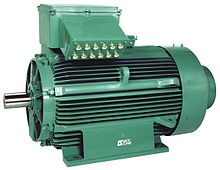
Are there environmental considerations associated with the use of AC motors?
Yes, there are several environmental considerations associated with the use of AC motors. These considerations are primarily related to energy consumption, greenhouse gas emissions, and the disposal of motors at the end of their life cycle. Let’s explore these environmental considerations in detail:
- Energy Efficiency: AC motors can have varying levels of energy efficiency, which directly impacts their environmental impact. Motors with higher efficiency convert a larger percentage of electrical energy into useful mechanical work, resulting in reduced energy consumption. By selecting and using high-efficiency AC motors, energy usage can be minimized, leading to lower greenhouse gas emissions and reduced reliance on fossil fuels for electricity generation.
- Greenhouse Gas Emissions: The electricity consumed by AC motors is often produced by power plants that burn fossil fuels, such as coal, natural gas, or oil. The generation of electricity from these fossil fuels releases greenhouse gases, contributing to climate change. By employing energy-efficient motors and optimizing motor systems, businesses and individuals can reduce their electricity demand, leading to lower greenhouse gas emissions and a smaller carbon footprint.
- Motor Disposal and Recycling: AC motors contain various materials, including metals, plastics, and electrical components. At the end of their life cycle, proper disposal or recycling is important to minimize their environmental impact. Some components, such as copper windings and steel casings, can be recycled, reducing the need for new raw materials and energy-intensive manufacturing processes. It is crucial to follow local regulations and guidelines for the disposal and recycling of motors to prevent environmental pollution and promote resource conservation.
- Manufacturing and Production: The manufacturing and production processes associated with AC motors can have environmental implications. The extraction and processing of raw materials, such as metals and plastics, can result in habitat destruction, energy consumption, and greenhouse gas emissions. Additionally, the manufacturing processes themselves can generate waste and pollutants. Motor manufacturers can mitigate these environmental impacts by adopting sustainable practices, using recycled materials, reducing waste generation, and implementing energy-efficient production methods.
- Life Cycle Assessment: Conducting a life cycle assessment (LCA) of AC motors can provide a holistic view of their environmental impact. An LCA considers the environmental aspects associated with the entire life cycle of the motor, including raw material extraction, manufacturing, transportation, use, and end-of-life disposal or recycling. By analyzing the different stages of the motor’s life cycle, stakeholders can identify opportunities for improvement, such as optimizing energy efficiency, reducing emissions, and implementing sustainable practices.
To address these environmental considerations, governments, organizations, and industry standards bodies have developed regulations and guidelines to promote energy efficiency and reduce the environmental impact of AC motors. These include efficiency standards, labeling programs, and incentives for the use of high-efficiency motors. Additionally, initiatives promoting motor system optimization, such as proper motor sizing, maintenance, and control, can further enhance energy efficiency and minimize environmental impact.
In summary, the environmental considerations associated with the use of AC motors include energy efficiency, greenhouse gas emissions, motor disposal and recycling, manufacturing processes, and life cycle assessment. By prioritizing energy efficiency, proper disposal, recycling, and sustainable manufacturing practices, the environmental impact of AC motors can be minimized, contributing to a more sustainable and environmentally conscious approach to motor usage.
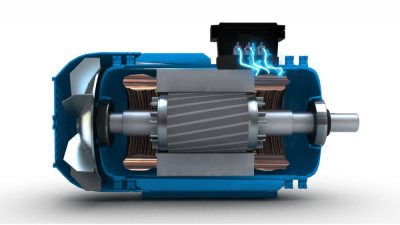
What are the common signs of AC motor failure, and how can they be addressed?
AC motor failure can lead to disruptions in various industrial and commercial applications. Recognizing the common signs of motor failure is crucial for timely intervention and preventing further damage. Here are some typical signs of AC motor failure and potential ways to address them:
- Excessive Heat: Excessive heat is a common indicator of motor failure. If a motor feels excessively hot to the touch or emits a burning smell, it could signify issues such as overloaded windings, poor ventilation, or bearing problems. To address this, first, ensure that the motor is properly sized for the application. Check for obstructions around the motor that may be impeding airflow and causing overheating. Clean or replace dirty or clogged ventilation systems. If the issue persists, consult a qualified technician to inspect the motor windings and bearings and make any necessary repairs or replacements.
- Abnormal Noise or Vibration: Unusual noises or vibrations coming from an AC motor can indicate various problems. Excessive noise may be caused by loose or damaged components, misaligned shafts, or worn bearings. Excessive vibration can result from imbalanced rotors, misalignment, or worn-out motor parts. Addressing these issues involves inspecting and adjusting motor components, ensuring proper alignment, and replacing damaged or worn-out parts. Regular maintenance, including lubrication of bearings, can help prevent excessive noise and vibration and extend the motor’s lifespan.
- Intermittent Operation: Intermittent motor operation, where the motor starts and stops unexpectedly or fails to start consistently, can be a sign of motor failure. This can be caused by issues such as faulty wiring connections, damaged or worn motor brushes, or problems with the motor’s control circuitry. Check for loose or damaged wiring connections and make any necessary repairs. Inspect and replace worn or damaged motor brushes. If the motor still exhibits intermittent operation, it may require professional troubleshooting and repair by a qualified technician.
- Overheating or Tripping of Circuit Breakers: If an AC motor consistently causes circuit breakers to trip or if it repeatedly overheats, it indicates a problem that needs attention. Possible causes include high starting currents, excessive loads, or insulation breakdown. Verify that the motor is not overloaded and that the load is within the motor’s rated capacity. Check the motor’s insulation resistance to ensure it is within acceptable limits. If these measures do not resolve the issue, consult a professional to assess the motor and its electrical connections for any faults or insulation breakdown that may require repair or replacement.
- Decreased Performance or Efficiency: A decline in motor performance or efficiency can be an indication of impending failure. This may manifest as reduced speed, decreased torque, increased energy consumption, or inadequate power output. Factors contributing to decreased performance can include worn bearings, damaged windings, or deteriorated insulation. Regular maintenance, including lubrication and cleaning, can help prevent these issues. If performance continues to decline, consult a qualified technician to inspect the motor and perform any necessary repairs or replacements.
- Inoperative Motor: If an AC motor fails to operate entirely, there may be an issue with the power supply, control circuitry, or internal motor components. Check the power supply and connections for any faults or interruptions. Inspect control circuitry, such as motor starters or contactors, for any damage or malfunction. If no external faults are found, it may be necessary to dismantle the motor and inspect internal components, such as windings or brushes, for any faults or failures that require repair or replacement.
It’s important to note that motor failure causes can vary depending on factors such as motor type, operating conditions, and maintenance practices. Regular motor maintenance, including inspections, lubrication, and cleaning, is essential for early detection of potential failure signs and for addressing issues promptly. When in doubt, it is advisable to consult a qualified electrician, motor technician, or manufacturer’s guidelines for appropriate troubleshooting and repair procedures specific to the motor model and application.
کیا آپ AC موٹر کے کام کرنے کے بنیادی اصول کی وضاحت کر سکتے ہیں؟
ایک AC موٹر برقی مقناطیسی انڈکشن کے اصولوں پر کام کرتی ہے۔ یہ مقناطیسی شعبوں کے تعامل کے ذریعے برقی توانائی کو مکینیکل توانائی میں تبدیل کرتا ہے۔ AC موٹر کے بنیادی کام کے اصول میں درج ذیل اقدامات شامل ہیں:
- AC موٹر دو اہم اجزاء پر مشتمل ہے: سٹیٹر اور روٹر۔ سٹیٹر موٹر کا سٹیشنری حصہ ہے اور سٹیٹر وائنڈنگز پر مشتمل ہے۔ روٹر موٹر کا گھومنے والا حصہ ہے اور ایک شافٹ سے جڑا ہوا ہے۔
- جب ایک الٹرنیٹنگ کرنٹ (AC) اسٹیٹر وائنڈنگز کو فراہم کیا جاتا ہے، تو یہ ایک بدلتا ہوا مقناطیسی میدان بناتا ہے۔
- بدلتی ہوئی مقناطیسی فیلڈ روٹر وائنڈنگز میں وولٹیج پیدا کرتی ہے، جو یا تو شارٹ سرکیٹ والی کنڈکٹیو بارز یا کنڈلی ہیں۔
- روٹر وائنڈنگز میں حوصلہ افزائی وولٹیج روٹر میں مقناطیسی میدان بناتا ہے۔
- روٹر کا مقناطیسی میدان اسٹیٹر کے گھومنے والے مقناطیسی میدان کے ساتھ تعامل کرتا ہے، جس کے نتیجے میں ٹارک فورس بنتی ہے۔
- ٹارک فورس روٹر کو گھومنے کا سبب بنتی ہے، مکینیکل توانائی کو منسلک شافٹ میں منتقل کرتی ہے۔
- روٹر کی گردش اس وقت تک جاری رہتی ہے جب تک کہ سٹیٹر وائنڈنگز کو AC پاور سپلائی فراہم کی جاتی ہے۔
کام کرنے کا یہ بنیادی اصول مختلف قسم کی AC موٹرز پر لاگو ہوتا ہے، بشمول انڈکشن موٹرز اور سنکرونس موٹرز۔ تاہم، موٹر کی مخصوص تعمیر اور ڈیزائن قسم اور مطلوبہ درخواست کے لحاظ سے مختلف ہو سکتے ہیں۔


editor by CX 2024-04-23


