
Deskripsi Produk
5W Refrigerator AC Shaded Pole fan Motor
1.PRODUCT OVERVIEW
(1) YZ series motors are shaded pole motors with single-phrase and four-poles, and running at the rated voltage/frequency of 220-240V, 50/60HZ or 110-120V, 60HZ.
(2) 5 watt Fan Motor are widely applied to radiators, evaporators,condensing unit,ice machine and other refrigeration equipment.
(3) Their output power is from 5W to 34W, which can be adjusted according to the stack length.
(4) Motors of output power below 10W have impedance protection, and motors of output power above 10W have thermal protectors whose cut-off temperature is 135±5 degree centigrade.
2.COMPARISON OF THE INTERNAL STRUCTURE OF THE COIL
The complete winding motor has more copper wire,and a motor of such advanced construction is more efficient,and it has better performance and longer life-span than the part winding motor.Therefore,the complete winding motor enjoys great popularity in Europe and America.
3.COMPARISON OF THE COVER STRUCTURE
The oil bearing used the oil is PERMAWICK # 284 which is imported from America.A motor with this bearing has low noise and long working life that is over 20000 hours.And it’s applicable temperature is from -40 to +100 degree centigrade.
The ball bearing with advanced construction,this high quality bearing gives the motor high energy efficiency,great performance,low noise and a long working life of 30000 hours.Its applicable temperature is from -40 to +100 degree centigrade.
4.DIFFERENT COVERS CAN BE CHOOSED
18 stand for the mounting screw distance is 18mm.
26 stand for the mounting screw distance is 26mm.
The ITALY cover and 4Q cover have multi-installation way.
Following is models for reference.
/* 22 Januari 2571 19:08:37 */!function(){function s(e,r){var a,o={};try{e&&e.split(“,”).forEach(function(e,t){e&&(a=e.match(/(.*?):(.*)$/))&&1
| Aplikasi: | Universal |
|---|---|
| Kecepatan: | Kecepatan Variabel |
| Jumlah Stator: | Fase Tunggal |
| Perlindungan Casing: | Jenis Perlindungan |
| Jumlah Tiang: | 4 |
| Starting Mode: | Variable Frequency Starting |
| Contoh: |
US$ 20/Piece
1 Buah (Minimum Pemesanan) | |
|---|
| Kustomisasi: |
Tersedia
|
|
|---|
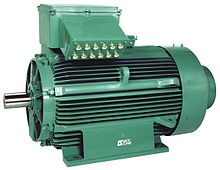
Apakah ada pertimbangan lingkungan yang terkait dengan penggunaan motor AC?
Ya, ada beberapa pertimbangan lingkungan yang terkait dengan penggunaan motor AC. Pertimbangan ini terutama berkaitan dengan konsumsi energi, emisi gas rumah kaca, dan pembuangan motor di akhir masa pakainya. Mari kita jelajahi pertimbangan lingkungan ini secara detail:
- Efisiensi Energi: Motor AC dapat memiliki berbagai tingkat efisiensi energi, yang secara langsung memengaruhi dampak lingkungannya. Motor dengan efisiensi lebih tinggi mengubah persentase energi listrik yang lebih besar menjadi kerja mekanik yang bermanfaat, sehingga mengurangi konsumsi energi. Dengan memilih dan menggunakan motor AC efisiensi tinggi, penggunaan energi dapat diminimalkan, yang menyebabkan emisi gas rumah kaca lebih rendah dan mengurangi ketergantungan pada bahan bakar fosil untuk pembangkit listrik.
- Emisi Gas Rumah Kaca: Listrik yang dikonsumsi oleh motor AC sering kali dihasilkan oleh pembangkit listrik yang membakar bahan bakar fosil, seperti batu bara, gas alam, atau minyak. Pembangkitan listrik dari bahan bakar fosil ini melepaskan gas rumah kaca, yang berkontribusi terhadap perubahan iklim. Dengan menggunakan motor hemat energi dan mengoptimalkan sistem motor, bisnis dan individu dapat mengurangi permintaan listrik mereka, sehingga mengurangi emisi gas rumah kaca dan jejak karbon.
- Pembuangan dan Daur Ulang Motor: Motor AC mengandung berbagai material, termasuk logam, plastik, dan komponen listrik. Di akhir siklus hidupnya, pembuangan atau daur ulang yang tepat sangat penting untuk meminimalkan dampak lingkungan. Beberapa komponen, seperti kumparan tembaga dan casing baja, dapat didaur ulang, mengurangi kebutuhan akan bahan baku baru dan proses manufaktur yang intensif energi. Sangat penting untuk mengikuti peraturan dan pedoman setempat untuk pembuangan dan daur ulang motor guna mencegah pencemaran lingkungan dan mendorong konservasi sumber daya.
- Manufaktur dan Produksi: Proses manufaktur dan produksi yang terkait dengan motor AC dapat memiliki implikasi lingkungan. Ekstraksi dan pengolahan bahan baku, seperti logam dan plastik, dapat mengakibatkan kerusakan habitat, konsumsi energi, dan emisi gas rumah kaca. Selain itu, proses manufaktur itu sendiri dapat menghasilkan limbah dan polutan. Produsen motor dapat mengurangi dampak lingkungan ini dengan mengadopsi praktik berkelanjutan, menggunakan bahan daur ulang, mengurangi produksi limbah, dan menerapkan metode produksi yang hemat energi.
- Penilaian Siklus Hidup: Melakukan penilaian siklus hidup (LCA) pada motor AC dapat memberikan pandangan holistik tentang dampak lingkungannya. LCA mempertimbangkan aspek lingkungan yang terkait dengan seluruh siklus hidup motor, termasuk ekstraksi bahan baku, manufaktur, transportasi, penggunaan, dan pembuangan atau daur ulang di akhir masa pakainya. Dengan menganalisis berbagai tahapan siklus hidup motor, para pemangku kepentingan dapat mengidentifikasi peluang untuk perbaikan, seperti mengoptimalkan efisiensi energi, mengurangi emisi, dan menerapkan praktik berkelanjutan.
Untuk mengatasi pertimbangan lingkungan ini, pemerintah, organisasi, dan badan standar industri telah mengembangkan peraturan dan pedoman untuk mempromosikan efisiensi energi dan mengurangi dampak lingkungan dari motor AC. Ini termasuk standar efisiensi, program pelabelan, dan insentif untuk penggunaan motor efisiensi tinggi. Selain itu, inisiatif yang mempromosikan optimasi sistem motor, seperti penentuan ukuran motor yang tepat, perawatan, dan kontrol, dapat lebih meningkatkan efisiensi energi dan meminimalkan dampak lingkungan.
Singkatnya, pertimbangan lingkungan yang terkait dengan penggunaan motor AC meliputi efisiensi energi, emisi gas rumah kaca, pembuangan dan daur ulang motor, proses manufaktur, dan penilaian siklus hidup. Dengan memprioritaskan efisiensi energi, pembuangan yang tepat, daur ulang, dan praktik manufaktur berkelanjutan, dampak lingkungan dari motor AC dapat diminimalkan, sehingga berkontribusi pada pendekatan yang lebih berkelanjutan dan ramah lingkungan terhadap penggunaan motor.
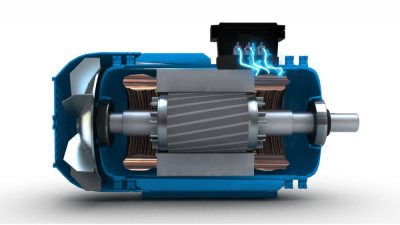
What are the common signs of AC motor failure, and how can they be addressed?
AC motor failure can lead to disruptions in various industrial and commercial applications. Recognizing the common signs of motor failure is crucial for timely intervention and preventing further damage. Here are some typical signs of AC motor failure and potential ways to address them:
- Excessive Heat: Excessive heat is a common indicator of motor failure. If a motor feels excessively hot to the touch or emits a burning smell, it could signify issues such as overloaded windings, poor ventilation, or bearing problems. To address this, first, ensure that the motor is properly sized for the application. Check for obstructions around the motor that may be impeding airflow and causing overheating. Clean or replace dirty or clogged ventilation systems. If the issue persists, consult a qualified technician to inspect the motor windings and bearings and make any necessary repairs or replacements.
- Abnormal Noise or Vibration: Unusual noises or vibrations coming from an AC motor can indicate various problems. Excessive noise may be caused by loose or damaged components, misaligned shafts, or worn bearings. Excessive vibration can result from imbalanced rotors, misalignment, or worn-out motor parts. Addressing these issues involves inspecting and adjusting motor components, ensuring proper alignment, and replacing damaged or worn-out parts. Regular maintenance, including lubrication of bearings, can help prevent excessive noise and vibration and extend the motor’s lifespan.
- Intermittent Operation: Intermittent motor operation, where the motor starts and stops unexpectedly or fails to start consistently, can be a sign of motor failure. This can be caused by issues such as faulty wiring connections, damaged or worn motor brushes, or problems with the motor’s control circuitry. Check for loose or damaged wiring connections and make any necessary repairs. Inspect and replace worn or damaged motor brushes. If the motor still exhibits intermittent operation, it may require professional troubleshooting and repair by a qualified technician.
- Overheating or Tripping of Circuit Breakers: If an AC motor consistently causes circuit breakers to trip or if it repeatedly overheats, it indicates a problem that needs attention. Possible causes include high starting currents, excessive loads, or insulation breakdown. Verify that the motor is not overloaded and that the load is within the motor’s rated capacity. Check the motor’s insulation resistance to ensure it is within acceptable limits. If these measures do not resolve the issue, consult a professional to assess the motor and its electrical connections for any faults or insulation breakdown that may require repair or replacement.
- Decreased Performance or Efficiency: A decline in motor performance or efficiency can be an indication of impending failure. This may manifest as reduced speed, decreased torque, increased energy consumption, or inadequate power output. Factors contributing to decreased performance can include worn bearings, damaged windings, or deteriorated insulation. Regular maintenance, including lubrication and cleaning, can help prevent these issues. If performance continues to decline, consult a qualified technician to inspect the motor and perform any necessary repairs or replacements.
- Inoperative Motor: If an AC motor fails to operate entirely, there may be an issue with the power supply, control circuitry, or internal motor components. Check the power supply and connections for any faults or interruptions. Inspect control circuitry, such as motor starters or contactors, for any damage or malfunction. If no external faults are found, it may be necessary to dismantle the motor and inspect internal components, such as windings or brushes, for any faults or failures that require repair or replacement.
It’s important to note that motor failure causes can vary depending on factors such as motor type, operating conditions, and maintenance practices. Regular motor maintenance, including inspections, lubrication, and cleaning, is essential for early detection of potential failure signs and for addressing issues promptly. When in doubt, it is advisable to consult a qualified electrician, motor technician, or manufacturer’s guidelines for appropriate troubleshooting and repair procedures specific to the motor model and application.
Bisakah Anda menjelaskan prinsip kerja dasar motor AC?
Motor AC beroperasi berdasarkan prinsip induksi elektromagnetik. Motor ini mengubah energi listrik menjadi energi mekanik melalui interaksi medan magnet. Prinsip kerja dasar motor AC meliputi langkah-langkah berikut:
- Motor AC terdiri dari dua komponen utama: stator dan rotor. Stator adalah bagian motor yang diam dan berisi gulungan stator. Rotor adalah bagian motor yang berputar dan terhubung ke poros.
- Ketika arus bolak-balik (AC) dialirkan ke kumparan stator, hal itu menciptakan medan magnet yang berubah-ubah.
- Perubahan medan magnet menginduksi tegangan pada gulungan rotor, yang berupa batang konduktif yang dihubung pendek atau kumparan.
- Tegangan induksi pada kumparan rotor menciptakan medan magnet di dalam rotor.
- Medan magnet rotor berinteraksi dengan medan magnet berputar stator, menghasilkan gaya torsi.
- Gaya torsi menyebabkan rotor berputar, mentransfer energi mekanik ke poros yang terhubung.
- Putaran rotor terus berlanjut selama catu daya AC diberikan ke kumparan stator.
Prinsip kerja dasar ini berlaku untuk berbagai jenis motor AC, termasuk motor induksi dan motor sinkron. Namun, konstruksi dan desain spesifik motor dapat bervariasi tergantung pada jenis dan aplikasi yang dimaksud.


editor by CX 2024-04-23


