
தயாரிப்பு விளக்கம்
Why Choose US
Company Introduction
Production Process
Product Overview
|
MODEL |
INPUT VOLTAGE |
RATED POWER (kW) |
RATED INPUT CURRENT (A) |
RATED OUTPUT CURRENT (A) |
|
FU9000D-0R7G-S2 |
1PH 220V-240V |
0.75 |
8.2 |
4 |
|
FU9000D-1R5G-S2 |
|
1.5 |
14 |
7 |
|
FU9000D-2R2G-S2 |
|
2.2 |
23 |
9.6 |
|
FU9000D-0R7G-2 |
3PH 220V-240V |
0.75 |
4.5 |
4 |
|
FU9000D-1R5G-2 |
|
1.5 |
8 |
7 |
|
FU9000D-2R2G-2 |
|
2.2 |
11 |
10 |
|
FU9000D-004G-2 |
|
4 |
14.6 |
13 |
|
FU9000D-5R5G-2 |
|
5.5 |
26 |
25 |
|
FU9000D-7R5G-2 |
|
7.5 |
35 |
32 |
|
FU9000D-011G-2 |
|
11 |
46.5 |
45 |
|
FU9000D-015G-2 |
|
15 |
62 |
60 |
|
FU9000D-018G-2 |
|
18.5 |
76 |
75 |
|
FU9000D-571G-2 |
|
22 |
92 |
91 |
|
FU9000D-030G-2 |
|
30 |
113 |
112 |
|
FU9000D-037G-2 |
|
37 |
157 |
150 |
|
FU9000D-045G-2 |
|
45 |
180 |
176 |
|
FU9000D-055G-2 |
|
55 |
214 |
210 |
|
FU9000D-075G-2 |
|
75 |
307 |
304 |
|
FU9000D-0R7G-4 |
3PH 380V-480V |
0.75 |
3.4 |
2.5 |
|
FU9000D-1R5G-4 |
|
1.5 |
5 |
3.7 |
|
FU9000D-2R2G-4 |
|
2.2 |
5.8 |
5 |
|
FU9000D-004G-4 |
|
4.0 |
10.5 |
9 |
|
FU9000D-5R5G-4 |
|
5.5 |
14.6 |
13 |
|
FU9000D-7R5G-4 |
|
7.5 |
20.5 |
17 |
|
FU9000D-011G-4 |
|
11 |
26 |
25 |
|
FU9000D-015G-4 |
|
15 |
35 |
32 |
|
FU9000D-018G-4 |
|
18.5 |
38.5 |
37 |
|
FU9000D-571G-4 |
|
22 |
46.5 |
45 |
|
FU9000D-030G-4 |
|
30 |
62 |
60 |
|
FU9000D-037G-4 |
|
37 |
76 |
75 |
|
FU9000D-045G-4 |
|
45 |
92 |
91 |
|
FU9000D-055G-4 |
|
55 |
113 |
112 |
|
FU9000D-075G-4 |
|
75 |
157 |
150 |
|
FU9000D-090G-4 |
|
90 |
180 |
176 |
|
FU9000D-110G-4 |
|
110 |
214 |
210 |
|
FU9000D-132G-4 |
|
132 |
256 |
253 |
|
FU9000D-160G-4 |
|
160 |
307 |
304 |
|
FU9000D-185G-4 |
|
185 |
340 |
330 |
|
FU9000D-200G-4 |
|
200 |
385 |
377 |
|
FU9000D-220G-4 |
|
220 |
430 |
426 |
|
FU9000D-250G-4 |
|
250 |
468 |
465 |
|
FU9000D-280G-4 |
|
280 |
525 |
520 |
|
FU9000D-315G-4 |
|
315 |
590 |
585 |
|
FU9000D-350G-4 |
|
350 |
665 |
650 |
|
FU9000D-400G-4 |
|
400 |
785 |
725 |
|
FU9000D-500G-4 |
|
500 |
883 |
820 |
|
FU9000D-630G-4 |
|
630 |
1080 |
1000 |
Customer Feedback
அடிக்கடி கேட்கப்படும் கேள்விகள்
Q 1: What’s the function of USFULL VFD?
A: USFULL VFD control the speed and frequency of motors, which is widely used in industrial control, automation system and pump system.
Q 2: How to choose suitable VFD for my machine?
A: Please send us your machine details, we will provide you most suitable model type.
Q 3: What’s the payment term?
A: We accept T/T, L/C, D/A, D/P, WESTERN UNION, PAYPAL, CASH, etc.
Q 4: How you control quality?
A: Our inverters strictly follow ISO9001 quality control system. After 4 times quality inspect and high temperature testing we will print “QA” pass.
Q 5: What kind of certificate you have?
A: We have ISO, CE, CB, TUV, etc.
Send Inquiry
/* ஜனவரி 22, 2571 19:08:37 */!function(){function s(e,r){var a,o={};try{e&&e.split(“,”).forEach(function(e,t){e&&(a=e.match(/(.*?):&T/*)1TP5
| Application: | Three Phase Transducer, Industry |
|---|---|
| Output Type: | Triple |
| Principle of Work: | Vector Control Transducer |
| Switch Mode: | PWM Control |
| Main Circuit Type: | Voltage |
| Voltage of Power Supply: | Low Voltage Variable-Frequency Drive |
| Samples: |
US$ 250/Piece
1 Piece(Min.Order) | |
|---|
| தனிப்பயனாக்கம்: |
கிடைக்கிறது
|
|
|---|
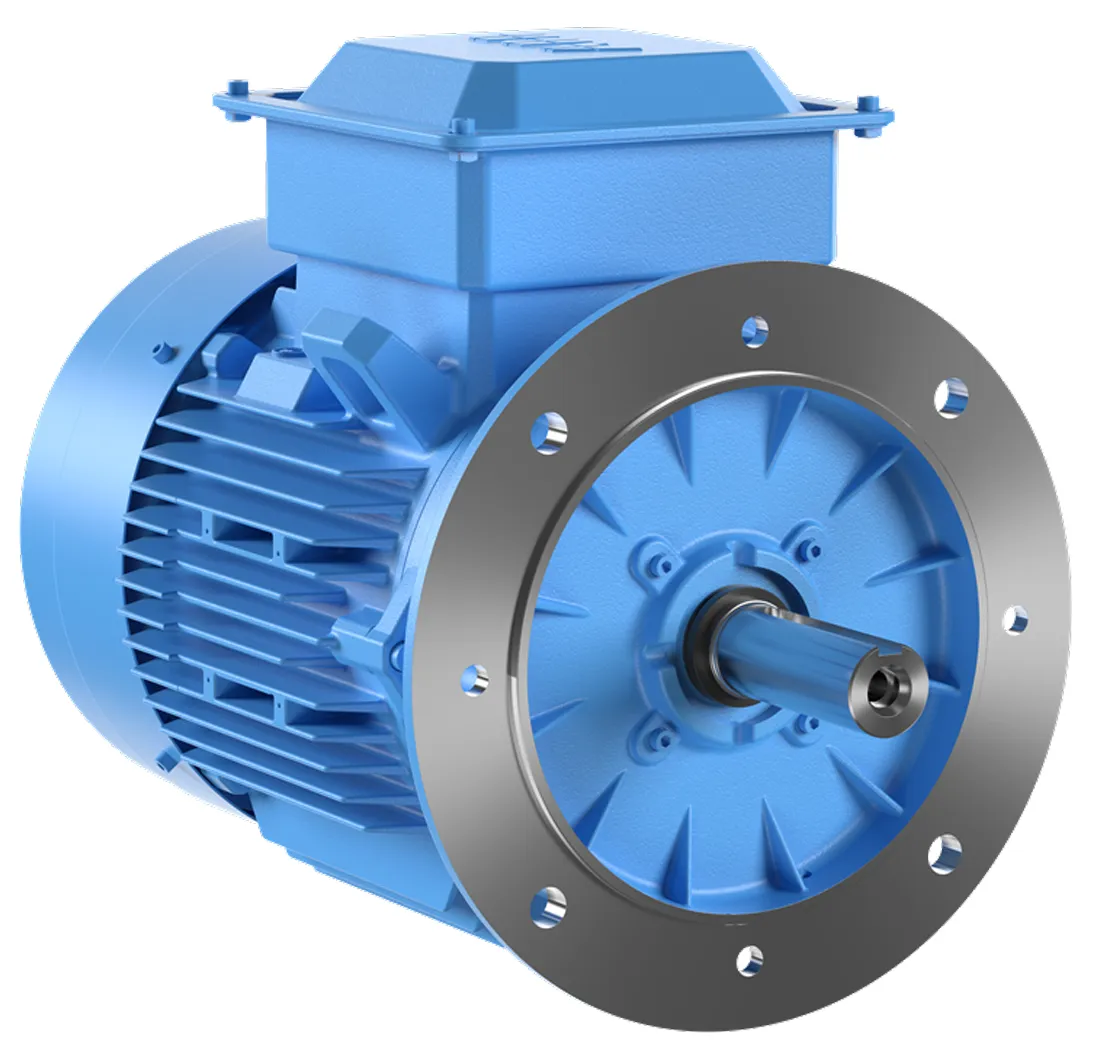
மோட்டார் செயல்திறன் பற்றிய கருத்தையும் அது AC மோட்டார்களுடன் எவ்வாறு தொடர்புடையது என்பதையும் விளக்க முடியுமா?
மோட்டார் செயல்திறன் என்பது ஒரு மின்சார மோட்டார் எவ்வளவு திறம்பட மின் சக்தியை இயந்திர சக்தியாக மாற்றுகிறது என்பதற்கான அளவீடு ஆகும். இது மோட்டாரின் பயனுள்ள வெளியீட்டு சக்தி (இயந்திர சக்தி) மற்றும் அது பயன்படுத்தும் உள்ளீட்டு சக்தி (மின் சக்தி) ஆகியவற்றின் விகிதத்தைக் குறிக்கிறது. அதிக செயல்திறன் என்பது மோட்டார் அதிக சதவீத மின் ஆற்றலை பயனுள்ள இயந்திர வேலையாக மாற்றுகிறது என்பதைக் குறிக்கிறது, அதே நேரத்தில் வெப்பம் மற்றும் பிற திறமையின்மை வடிவத்தில் ஆற்றல் இழப்புகளைக் குறைக்கிறது.
ஏசி மோட்டார்களைப் பொறுத்தவரை, குடியிருப்பு சாதனங்கள் முதல் தொழில்துறை இயந்திரங்கள் வரை பல்வேறு பயன்பாடுகளில் அவற்றின் பரவலான பயன்பாடு காரணமாக செயல்திறன் மிகவும் முக்கியமானது. ஏசி மோட்டார்கள் மிகவும் பொதுவான வகை தூண்டல் மோட்டார்கள் மற்றும் ஒத்திசைவான மோட்டார்கள் என இரண்டும் இருக்கலாம், அவை மின்சார விநியோகத்தின் அதிர்வெண்ணுடன் ஒத்திசைக்கப்பட்ட நிலையான வேகத்தில் இயங்குகின்றன.
ஒரு AC மோட்டரின் செயல்திறன் பல காரணிகளால் பாதிக்கப்படுகிறது:
- மோட்டார் வடிவமைப்பு: மோட்டாரின் வடிவமைப்பு, அதன் முக்கிய பொருட்கள், முறுக்கு கட்டமைப்பு மற்றும் ரோட்டார் கட்டுமானம் உட்பட, அதன் செயல்திறனை பாதிக்கிறது. குறைந்த எதிர்ப்பு முறுக்குகள், உயர்தர காந்தப் பொருட்கள் மற்றும் உகந்த ரோட்டார் வடிவமைப்புகளுடன் வடிவமைக்கப்பட்ட மோட்டார்கள் அதிக செயல்திறனைக் கொண்டுள்ளன.
- மோட்டார் அளவு: மோட்டாரின் இயற்பியல் அளவும் அதன் செயல்திறனைப் பாதிக்கலாம். பெரிய மோட்டார்கள் பொதுவாக அதிக செயல்திறனைக் கொண்டுள்ளன, ஏனெனில் அவை வெப்பத்தை மிகவும் திறம்பட சிதறடித்து, இழப்புகளைக் குறைக்கின்றன. இருப்பினும், குறைவான சுமை காரணமாக குறைந்த செயல்திறனில் மோட்டாரை இயக்குவதைத் தவிர்க்க பயன்பாட்டுத் தேவைகளுக்குப் பொருந்தக்கூடிய மோட்டார் அளவைத் தேர்ந்தெடுப்பது முக்கியம்.
- இயக்க நிலைமைகள்: சுமை தேவை, வேகம் மற்றும் வெப்பநிலை போன்ற இயக்க நிலைமைகள் மோட்டார் செயல்திறனை பாதிக்கலாம். மோட்டார்கள் பொதுவாக அவற்றின் மதிப்பிடப்பட்ட சுமையில் அல்லது அதற்கு அருகில் அதிகபட்ச செயல்திறனுக்காக வடிவமைக்கப்படுகின்றன. மோட்டாரை அதன் மதிப்பிடப்பட்ட சுமைக்கு மேல் அல்லது மிகக் குறைந்த சுமைகளில் இயக்குவது செயல்திறனைக் குறைக்கும். கூடுதலாக, அதிக சுற்றுப்புற வெப்பநிலை அதிகரித்த இழப்புகளையும் குறைந்த செயல்திறனையும் ஏற்படுத்தும்.
- காந்த இழப்புகள்: மையப் பொருட்களில் ஏற்படும் ஹிஸ்டெரிசிஸ் மற்றும் சுழல் மின்னோட்ட இழப்புகள் போன்ற காந்த விளைவுகளால் ஏசி மோட்டார்கள் இழப்புகளைச் சந்திக்கின்றன. இந்த இழப்புகள் வெப்ப உற்பத்திக்கு வழிவகுத்து ஒட்டுமொத்த செயல்திறனைக் குறைக்கின்றன. உயர்தர காந்தப் பொருட்கள் மற்றும் உகந்த மைய வடிவமைப்புகளைப் பயன்படுத்துவதன் மூலம் காந்த இழப்புகளைக் குறைக்கும் மோட்டார் வடிவமைப்புகள் செயல்திறனை மேம்படுத்தலாம்.
- இயந்திர உராய்வு மற்றும் காற்றோட்ட இழப்புகள்: மோட்டாரின் தாங்கு உருளைகள், தண்டு மற்றும் சுழலும் பாகங்களில் ஏற்படும் உராய்வு மற்றும் காற்றோட்ட இழப்புகளும் ஆற்றல் இழப்புகளுக்கும் குறைந்த செயல்திறனுக்கும் பங்களிக்கின்றன. சரியான உயவு, தாங்கி தேர்வு மற்றும் தேவையற்ற இயந்திர எதிர்ப்பைக் குறைப்பது இந்த இழப்புகளைக் குறைக்க உதவும்.
ஏசி மோட்டாரைத் தேர்ந்தெடுக்கும்போது செயல்திறன் ஒரு முக்கியமான கருத்தாகும், ஏனெனில் இது ஆற்றல் நுகர்வு மற்றும் இயக்க செலவுகளை நேரடியாக பாதிக்கிறது. அதிக செயல்திறன் கொண்ட மோட்டார்கள் குறைந்த மின்சாரத்தை பயன்படுத்துகின்றன, இதன் விளைவாக குறைந்த ஆற்றல் பில்களும் சிறிய சுற்றுச்சூழல் தடயமும் ஏற்படுகின்றன. கூடுதலாக, அதிக செயல்திறன் பெரும்பாலும் குறைந்த வெப்ப உற்பத்திக்கு வழிவகுக்கிறது, இது மோட்டாரின் நம்பகத்தன்மை மற்றும் ஆயுட்காலத்தை அதிகரிக்கும்.
சர்வதேச மின் தொழில்நுட்ப ஆணையம் (IEC) மற்றும் தேசிய மின் உற்பத்தியாளர்கள் சங்கம் (NEMA) போன்ற ஒழுங்குமுறை அமைப்புகள் மற்றும் தரநிலை அமைப்புகள், IE செயல்திறன் வகுப்புகள் மற்றும் NEMA பிரீமியம் செயல்திறன் தரநிலைகள் போன்ற AC மோட்டார்களுக்கான செயல்திறன் வகுப்புகள் மற்றும் தரநிலைகளை வழங்குகின்றன. இந்த தரநிலைகள் நுகர்வோர் வெவ்வேறு மோட்டார்களின் செயல்திறன் நிலைகளை ஒப்பிட்டுப் பார்க்கவும், ஆற்றல் செயல்திறனை மேம்படுத்த தகவலறிந்த தேர்வுகளைச் செய்யவும் உதவுகின்றன.
சுருக்கமாக, மோட்டார் செயல்திறன் என்பது ஒரு AC மோட்டார் எவ்வளவு திறம்பட மின் சக்தியை இயந்திர சக்தியாக மாற்றுகிறது என்பதற்கான அளவீடு ஆகும். அதிக செயல்திறன் கொண்ட மோட்டார்களைத் தேர்ந்தெடுப்பதன் மூலம், பயனர்கள் நம்பகமான மற்றும் நிலையான மோட்டார் செயல்திறனை உறுதி செய்யும் அதே வேளையில் ஆற்றல் நுகர்வு, இயக்க செலவுகள் மற்றும் சுற்றுச்சூழல் தாக்கத்தைக் குறைக்கலாம்.
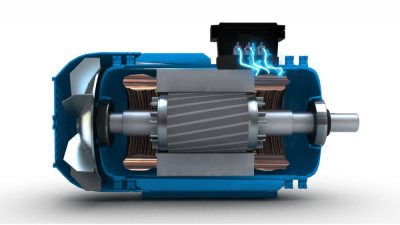
What are the common signs of AC motor failure, and how can they be addressed?
AC motor failure can lead to disruptions in various industrial and commercial applications. Recognizing the common signs of motor failure is crucial for timely intervention and preventing further damage. Here are some typical signs of AC motor failure and potential ways to address them:
- Excessive Heat: Excessive heat is a common indicator of motor failure. If a motor feels excessively hot to the touch or emits a burning smell, it could signify issues such as overloaded windings, poor ventilation, or bearing problems. To address this, first, ensure that the motor is properly sized for the application. Check for obstructions around the motor that may be impeding airflow and causing overheating. Clean or replace dirty or clogged ventilation systems. If the issue persists, consult a qualified technician to inspect the motor windings and bearings and make any necessary repairs or replacements.
- Abnormal Noise or Vibration: Unusual noises or vibrations coming from an AC motor can indicate various problems. Excessive noise may be caused by loose or damaged components, misaligned shafts, or worn bearings. Excessive vibration can result from imbalanced rotors, misalignment, or worn-out motor parts. Addressing these issues involves inspecting and adjusting motor components, ensuring proper alignment, and replacing damaged or worn-out parts. Regular maintenance, including lubrication of bearings, can help prevent excessive noise and vibration and extend the motor’s lifespan.
- Intermittent Operation: Intermittent motor operation, where the motor starts and stops unexpectedly or fails to start consistently, can be a sign of motor failure. This can be caused by issues such as faulty wiring connections, damaged or worn motor brushes, or problems with the motor’s control circuitry. Check for loose or damaged wiring connections and make any necessary repairs. Inspect and replace worn or damaged motor brushes. If the motor still exhibits intermittent operation, it may require professional troubleshooting and repair by a qualified technician.
- Overheating or Tripping of Circuit Breakers: If an AC motor consistently causes circuit breakers to trip or if it repeatedly overheats, it indicates a problem that needs attention. Possible causes include high starting currents, excessive loads, or insulation breakdown. Verify that the motor is not overloaded and that the load is within the motor’s rated capacity. Check the motor’s insulation resistance to ensure it is within acceptable limits. If these measures do not resolve the issue, consult a professional to assess the motor and its electrical connections for any faults or insulation breakdown that may require repair or replacement.
- Decreased Performance or Efficiency: A decline in motor performance or efficiency can be an indication of impending failure. This may manifest as reduced speed, decreased torque, increased energy consumption, or inadequate power output. Factors contributing to decreased performance can include worn bearings, damaged windings, or deteriorated insulation. Regular maintenance, including lubrication and cleaning, can help prevent these issues. If performance continues to decline, consult a qualified technician to inspect the motor and perform any necessary repairs or replacements.
- Inoperative Motor: If an AC motor fails to operate entirely, there may be an issue with the power supply, control circuitry, or internal motor components. Check the power supply and connections for any faults or interruptions. Inspect control circuitry, such as motor starters or contactors, for any damage or malfunction. If no external faults are found, it may be necessary to dismantle the motor and inspect internal components, such as windings or brushes, for any faults or failures that require repair or replacement.
It’s important to note that motor failure causes can vary depending on factors such as motor type, operating conditions, and maintenance practices. Regular motor maintenance, including inspections, lubrication, and cleaning, is essential for early detection of potential failure signs and for addressing issues promptly. When in doubt, it is advisable to consult a qualified electrician, motor technician, or manufacturer’s guidelines for appropriate troubleshooting and repair procedures specific to the motor model and application.
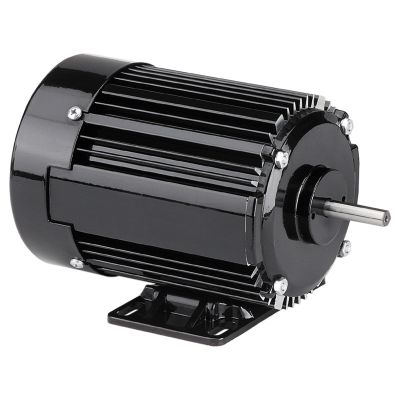
How does the speed control mechanism work in AC motors?
The speed control mechanism in AC motors varies depending on the type of motor. Here, we will discuss the speed control methods used in two common types of AC motors: induction motors and synchronous motors.
Speed Control in Induction Motors:
Induction motors are typically designed to operate at a constant speed determined by the frequency of the AC power supply and the number of motor poles. However, there are several methods for controlling the speed of induction motors:
- Varying the Frequency: By varying the frequency of the AC power supply, the speed of an induction motor can be adjusted. This method is known as variable frequency drive (VFD) control. VFDs convert the incoming AC power supply into a variable frequency and voltage output, allowing precise control of motor speed. This method is commonly used in industrial applications where speed control is crucial, such as conveyors, pumps, and fans.
- Changing the Number of Stator Poles: The speed of an induction motor is inversely proportional to the number of stator poles. By changing the connections of the stator windings or using a motor with a different pole configuration, the speed can be adjusted. However, this method is less commonly used and is typically employed in specialized applications.
- Adding External Resistance: In some cases, external resistance can be added to the rotor circuit of an induction motor to control its speed. This method, known as rotor resistance control, involves inserting resistors in series with the rotor windings. By varying the resistance, the rotor current and torque can be adjusted, resulting in speed control. However, this method is less efficient and is mainly used in specific applications where precise control is not required.
Speed Control in Synchronous Motors:
Synchronous motors offer more precise speed control compared to induction motors due to their inherent synchronous operation. The following methods are commonly used for speed control in synchronous motors:
- Adjusting the AC Power Frequency: Similar to induction motors, changing the frequency of the AC power supply can control the speed of synchronous motors. By adjusting the power frequency, the synchronous speed of the motor can be altered. This method is often used in applications where precise speed control is required, such as industrial machinery and processes.
- Using a Variable Frequency Drive: Variable frequency drives (VFDs) can also be used to control the speed of synchronous motors. By converting the incoming AC power supply into a variable frequency and voltage output, VFDs can adjust the motor speed with high accuracy and efficiency.
- DC Field Control: In some synchronous motors, the rotor field is supplied by a direct current (DC) source, allowing for precise control over the motor’s speed. By adjusting the DC field current, the magnetic field strength and speed of the motor can be controlled. This method is commonly used in applications that require fine-tuned speed control, such as industrial processes and high-performance machinery.
These methods provide different ways to control the speed of AC motors, allowing for flexibility and adaptability in various applications. The choice of speed control mechanism depends on factors such as the motor type, desired speed range, accuracy requirements, efficiency considerations, and cost constraints.


editor by CX 2024-05-03


