
Deskripsi Produk
Why Choose US
Company Introduction
Production Process
Gambaran Umum Produk
|
MODEL |
INPUT VOLTAGE |
RATED POWER (kW) |
RATED INPUT CURRENT (A) |
RATED OUTPUT CURRENT (A) |
|
FU9000D-0R7G-S2 |
1PH 220V-240V |
0.75 |
8.2 |
4 |
|
FU9000D-1R5G-S2 |
|
1.5 |
14 |
7 |
|
FU9000D-2R2G-S2 |
|
2.2 |
23 |
9.6 |
|
FU9000D-0R7G-2 |
3PH 220V-240V |
0.75 |
4.5 |
4 |
|
FU9000D-1R5G-2 |
|
1.5 |
8 |
7 |
|
FU9000D-2R2G-2 |
|
2.2 |
11 |
10 |
|
FU9000D-004G-2 |
|
4 |
14.6 |
13 |
|
FU9000D-5R5G-2 |
|
5.5 |
26 |
25 |
|
FU9000D-7R5G-2 |
|
7.5 |
35 |
32 |
|
FU9000D-011G-2 |
|
11 |
46.5 |
45 |
|
FU9000D-015G-2 |
|
15 |
62 |
60 |
|
FU9000D-018G-2 |
|
18.5 |
76 |
75 |
|
FU9000D-571G-2 |
|
22 |
92 |
91 |
|
FU9000D-030G-2 |
|
30 |
113 |
112 |
|
FU9000D-037G-2 |
|
37 |
157 |
150 |
|
FU9000D-045G-2 |
|
45 |
180 |
176 |
|
FU9000D-055G-2 |
|
55 |
214 |
210 |
|
FU9000D-075G-2 |
|
75 |
307 |
304 |
|
FU9000D-0R7G-4 |
3PH 380V-480V |
0.75 |
3.4 |
2.5 |
|
FU9000D-1R5G-4 |
|
1.5 |
5 |
3.7 |
|
FU9000D-2R2G-4 |
|
2.2 |
5.8 |
5 |
|
FU9000D-004G-4 |
|
4.0 |
10.5 |
9 |
|
FU9000D-5R5G-4 |
|
5.5 |
14.6 |
13 |
|
FU9000D-7R5G-4 |
|
7.5 |
20.5 |
17 |
|
FU9000D-011G-4 |
|
11 |
26 |
25 |
|
FU9000D-015G-4 |
|
15 |
35 |
32 |
|
FU9000D-018G-4 |
|
18.5 |
38.5 |
37 |
|
FU9000D-571G-4 |
|
22 |
46.5 |
45 |
|
FU9000D-030G-4 |
|
30 |
62 |
60 |
|
FU9000D-037G-4 |
|
37 |
76 |
75 |
|
FU9000D-045G-4 |
|
45 |
92 |
91 |
|
FU9000D-055G-4 |
|
55 |
113 |
112 |
|
FU9000D-075G-4 |
|
75 |
157 |
150 |
|
FU9000D-090G-4 |
|
90 |
180 |
176 |
|
FU9000D-110G-4 |
|
110 |
214 |
210 |
|
FU9000D-132G-4 |
|
132 |
256 |
253 |
|
FU9000D-160G-4 |
|
160 |
307 |
304 |
|
FU9000D-185G-4 |
|
185 |
340 |
330 |
|
FU9000D-200G-4 |
|
200 |
385 |
377 |
|
FU9000D-220G-4 |
|
220 |
430 |
426 |
|
FU9000D-250G-4 |
|
250 |
468 |
465 |
|
FU9000D-280G-4 |
|
280 |
525 |
520 |
|
FU9000D-315G-4 |
|
315 |
590 |
585 |
|
FU9000D-350G-4 |
|
350 |
665 |
650 |
|
FU9000D-400G-4 |
|
400 |
785 |
725 |
|
FU9000D-500G-4 |
|
500 |
883 |
820 |
|
FU9000D-630G-4 |
|
630 |
1080 |
1000 |
Customer Feedback
Pertanyaan yang Sering Diajukan (FAQ)
Q 1: What’s the function of USFULL VFD?
A: USFULL VFD control the speed and frequency of motors, which is widely used in industrial control, automation system and pump system.
Q 2: How to choose suitable VFD for my machine?
A: Please send us your machine details, we will provide you most suitable model type.
Q 3: What’s the payment term?
A: We accept T/T, L/C, D/A, D/P, WESTERN UNION, PAYPAL, CASH, etc.
Q 4: How you control quality?
A: Our inverters strictly follow ISO9001 quality control system. After 4 times quality inspect and high temperature testing we will print “QA” pass.
Q 5: What kind of certificate you have?
A: We have ISO, CE, CB, TUV, etc.
Send Inquiry
/* 22 Januari 2571 19:08:37 */!function(){function s(e,r){var a,o={};try{e&&e.split(“,”).forEach(function(e,t){e&&(a=e.match(/(.*?):(.*)$/))&&1
| Aplikasi: | Three Phase Transducer, Industry |
|---|---|
| Output Type: | Triple |
| Principle of Work: | Vector Control Transducer |
| Switch Mode: | PWM Control |
| Main Circuit Type: | Voltase |
| Voltage of Power Supply: | Low Voltage Variable-Frequency Drive |
| Contoh: |
US$ 250/Piece
1 Buah (Minimum Pemesanan) | |
|---|
| Kustomisasi: |
Tersedia
|
|
|---|
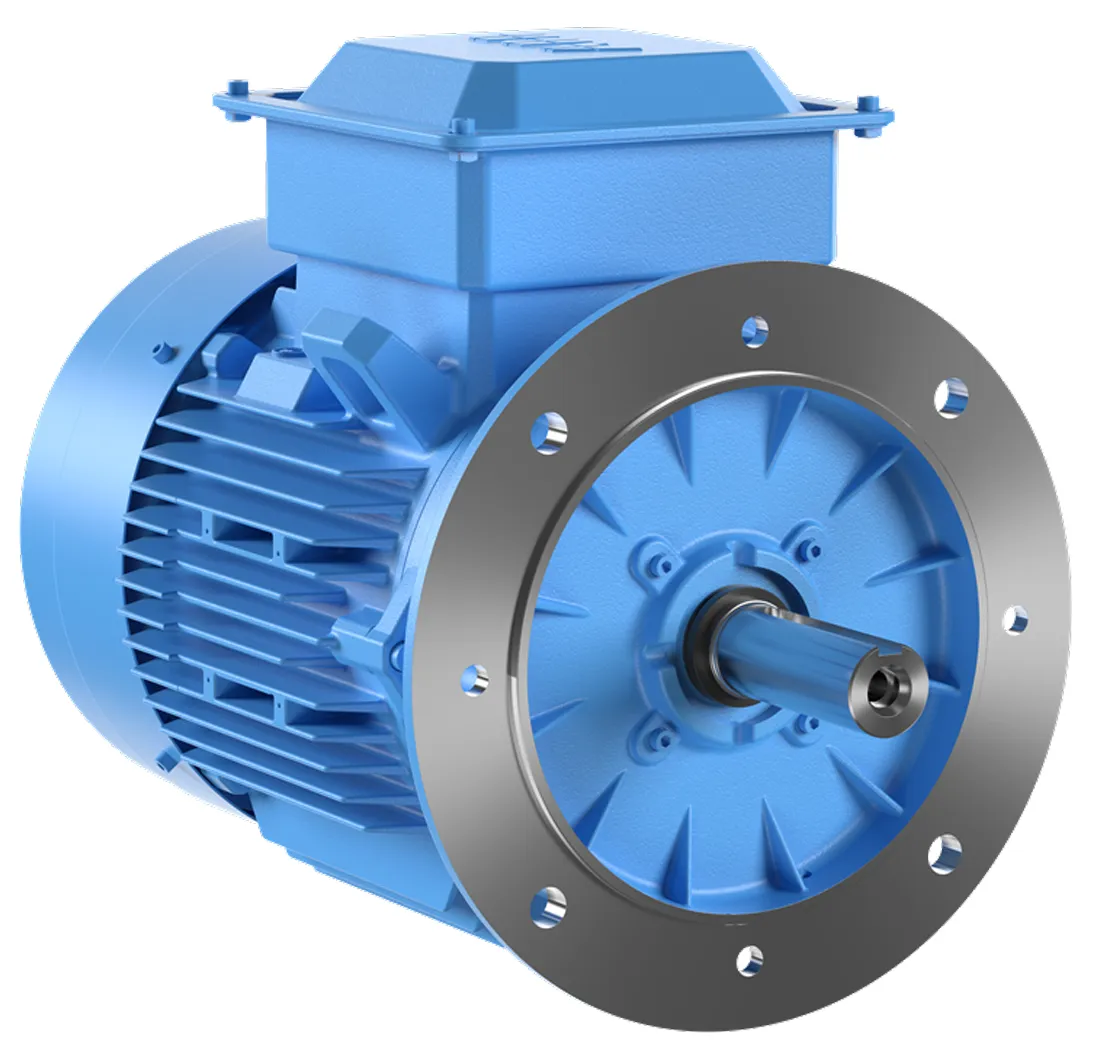
Bisakah Anda menjelaskan konsep efisiensi motor dan bagaimana kaitannya dengan motor AC?
Efisiensi motor adalah ukuran seberapa efektif motor listrik mengubah daya listrik menjadi daya mekanik. Ini mewakili rasio daya keluaran (daya mekanik) yang bermanfaat dari motor terhadap daya masukan (daya listrik) yang dikonsumsinya. Efisiensi yang lebih tinggi menunjukkan bahwa motor mengubah persentase energi listrik yang lebih besar menjadi kerja mekanik yang bermanfaat, sambil meminimalkan kehilangan energi dalam bentuk panas dan inefisiensi lainnya.
Dalam kasus motor AC, efisiensi sangat penting karena penggunaannya yang luas dalam berbagai aplikasi, mulai dari peralatan rumah tangga hingga mesin industri. Motor AC dapat berupa motor induksi, yang merupakan jenis paling umum, dan motor sinkron, yang beroperasi pada kecepatan konstan yang disinkronkan dengan frekuensi catu daya.
Efisiensi motor AC dipengaruhi oleh beberapa faktor:
- Desain Motor: Desain motor, termasuk material inti, konfigurasi lilitan, dan konstruksi rotor, memengaruhi efisiensinya. Motor yang dirancang dengan lilitan resistansi rendah, material magnetik berkualitas tinggi, dan desain rotor yang dioptimalkan cenderung memiliki efisiensi yang lebih tinggi.
- Ukuran Motor: Ukuran fisik motor juga dapat memengaruhi efisiensinya. Motor yang lebih besar umumnya memiliki efisiensi lebih tinggi karena dapat menghilangkan panas lebih efektif, sehingga mengurangi kerugian. Namun, penting untuk memilih ukuran motor yang sesuai dengan kebutuhan aplikasi untuk menghindari pengoperasian motor pada efisiensi rendah karena beban yang kurang.
- Kondisi Operasional: Kondisi pengoperasian, seperti permintaan beban, kecepatan, dan suhu, dapat memengaruhi efisiensi motor. Motor biasanya dirancang untuk efisiensi maksimum pada atau mendekati beban nominalnya. Mengoperasikan motor melebihi beban nominalnya atau pada beban yang sangat ringan dapat mengurangi efisiensi. Selain itu, suhu lingkungan yang tinggi dapat menyebabkan peningkatan kerugian dan penurunan efisiensi.
- Kerugian Magnetik: Motor AC mengalami kerugian akibat efek magnetik, seperti histeresis dan kerugian arus eddy pada material inti. Kerugian ini mengakibatkan timbulnya panas dan mengurangi efisiensi keseluruhan. Desain motor yang meminimalkan kerugian magnetik melalui penggunaan material magnetik berkualitas tinggi dan desain inti yang dioptimalkan dapat meningkatkan efisiensi.
- Gesekan Mekanis dan Kehilangan Akibat Angin: Gesekan dan hambatan udara pada bantalan, poros, dan bagian yang berputar pada motor juga berkontribusi terhadap kehilangan energi dan penurunan efisiensi. Pelumasan yang tepat, pemilihan bantalan yang benar, dan pengurangan hambatan mekanis yang tidak perlu dapat membantu meminimalkan kerugian ini.
Efisiensi merupakan pertimbangan penting saat memilih motor AC, karena secara langsung memengaruhi konsumsi energi dan biaya operasional. Motor dengan efisiensi lebih tinggi mengonsumsi daya listrik lebih sedikit, sehingga mengurangi tagihan energi dan jejak lingkungan yang lebih kecil. Selain itu, efisiensi yang lebih tinggi seringkali berarti lebih sedikit panas yang dihasilkan, yang dapat meningkatkan keandalan dan umur pakai motor.
Badan pengatur dan organisasi standar, seperti Komisi Elektroteknik Internasional (IEC) dan Asosiasi Produsen Listrik Nasional (NEMA), menyediakan kelas efisiensi dan standar untuk motor AC, seperti kelas efisiensi IE dan standar efisiensi premium NEMA. Standar-standar ini membantu konsumen membandingkan tingkat efisiensi berbagai motor dan membuat pilihan yang tepat untuk mengoptimalkan efisiensi energi.
Singkatnya, efisiensi motor adalah ukuran seberapa efektif motor AC mengubah daya listrik menjadi daya mekanik. Dengan memilih motor yang lebih efisien, pengguna dapat mengurangi konsumsi energi, biaya operasional, dan dampak lingkungan sekaligus memastikan kinerja motor yang andal dan berkelanjutan.
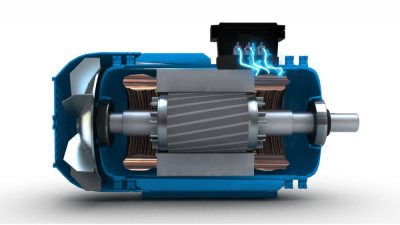
What are the common signs of AC motor failure, and how can they be addressed?
AC motor failure can lead to disruptions in various industrial and commercial applications. Recognizing the common signs of motor failure is crucial for timely intervention and preventing further damage. Here are some typical signs of AC motor failure and potential ways to address them:
- Excessive Heat: Excessive heat is a common indicator of motor failure. If a motor feels excessively hot to the touch or emits a burning smell, it could signify issues such as overloaded windings, poor ventilation, or bearing problems. To address this, first, ensure that the motor is properly sized for the application. Check for obstructions around the motor that may be impeding airflow and causing overheating. Clean or replace dirty or clogged ventilation systems. If the issue persists, consult a qualified technician to inspect the motor windings and bearings and make any necessary repairs or replacements.
- Abnormal Noise or Vibration: Unusual noises or vibrations coming from an AC motor can indicate various problems. Excessive noise may be caused by loose or damaged components, misaligned shafts, or worn bearings. Excessive vibration can result from imbalanced rotors, misalignment, or worn-out motor parts. Addressing these issues involves inspecting and adjusting motor components, ensuring proper alignment, and replacing damaged or worn-out parts. Regular maintenance, including lubrication of bearings, can help prevent excessive noise and vibration and extend the motor’s lifespan.
- Intermittent Operation: Intermittent motor operation, where the motor starts and stops unexpectedly or fails to start consistently, can be a sign of motor failure. This can be caused by issues such as faulty wiring connections, damaged or worn motor brushes, or problems with the motor’s control circuitry. Check for loose or damaged wiring connections and make any necessary repairs. Inspect and replace worn or damaged motor brushes. If the motor still exhibits intermittent operation, it may require professional troubleshooting and repair by a qualified technician.
- Overheating or Tripping of Circuit Breakers: If an AC motor consistently causes circuit breakers to trip or if it repeatedly overheats, it indicates a problem that needs attention. Possible causes include high starting currents, excessive loads, or insulation breakdown. Verify that the motor is not overloaded and that the load is within the motor’s rated capacity. Check the motor’s insulation resistance to ensure it is within acceptable limits. If these measures do not resolve the issue, consult a professional to assess the motor and its electrical connections for any faults or insulation breakdown that may require repair or replacement.
- Decreased Performance or Efficiency: A decline in motor performance or efficiency can be an indication of impending failure. This may manifest as reduced speed, decreased torque, increased energy consumption, or inadequate power output. Factors contributing to decreased performance can include worn bearings, damaged windings, or deteriorated insulation. Regular maintenance, including lubrication and cleaning, can help prevent these issues. If performance continues to decline, consult a qualified technician to inspect the motor and perform any necessary repairs or replacements.
- Inoperative Motor: If an AC motor fails to operate entirely, there may be an issue with the power supply, control circuitry, or internal motor components. Check the power supply and connections for any faults or interruptions. Inspect control circuitry, such as motor starters or contactors, for any damage or malfunction. If no external faults are found, it may be necessary to dismantle the motor and inspect internal components, such as windings or brushes, for any faults or failures that require repair or replacement.
It’s important to note that motor failure causes can vary depending on factors such as motor type, operating conditions, and maintenance practices. Regular motor maintenance, including inspections, lubrication, and cleaning, is essential for early detection of potential failure signs and for addressing issues promptly. When in doubt, it is advisable to consult a qualified electrician, motor technician, or manufacturer’s guidelines for appropriate troubleshooting and repair procedures specific to the motor model and application.
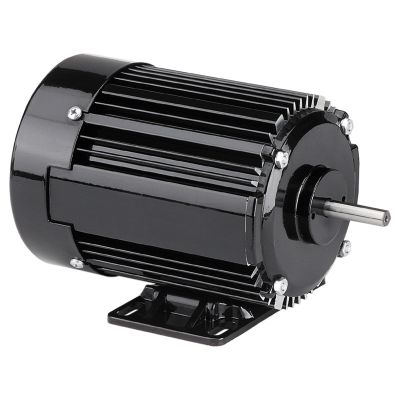
Bagaimana cara kerja mekanisme pengontrol kecepatan pada motor AC?
Mekanisme pengendalian kecepatan pada motor AC bervariasi tergantung pada jenis motornya. Di sini, kita akan membahas metode pengendalian kecepatan yang digunakan pada dua jenis motor AC yang umum: motor induksi dan motor sinkron.
Pengendalian Kecepatan pada Motor Induksi:
Motor induksi biasanya dirancang untuk beroperasi pada kecepatan konstan yang ditentukan oleh frekuensi catu daya AC dan jumlah kutub motor. Namun, ada beberapa metode untuk mengontrol kecepatan motor induksi:
- Mengubah Frekuensi: Dengan mengubah frekuensi catu daya AC, kecepatan motor induksi dapat disesuaikan. Metode ini dikenal sebagai kontrol penggerak frekuensi variabel (VFD). VFD mengubah catu daya AC yang masuk menjadi keluaran frekuensi dan tegangan variabel, memungkinkan kontrol kecepatan motor yang presisi. Metode ini umumnya digunakan dalam aplikasi industri di mana kontrol kecepatan sangat penting, seperti konveyor, pompa, dan kipas.
- Mengubah Jumlah Kutub Stator: Kecepatan motor induksi berbanding terbalik dengan jumlah kutub stator. Dengan mengubah sambungan gulungan stator atau menggunakan motor dengan konfigurasi kutub yang berbeda, kecepatan dapat disesuaikan. Namun, metode ini kurang umum digunakan dan biasanya diterapkan dalam aplikasi khusus.
- Menambahkan Hambatan Eksternal: Dalam beberapa kasus, hambatan eksternal dapat ditambahkan ke rangkaian rotor motor induksi untuk mengontrol kecepatannya. Metode ini, yang dikenal sebagai kontrol hambatan rotor, melibatkan penyisipan resistor secara seri dengan gulungan rotor. Dengan memvariasikan hambatan, arus dan torsi rotor dapat disesuaikan, sehingga menghasilkan kontrol kecepatan. Namun, metode ini kurang efisien dan terutama digunakan dalam aplikasi spesifik di mana kontrol yang tepat tidak diperlukan.
Pengendalian Kecepatan pada Motor Sinkron:
Motor sinkron menawarkan kontrol kecepatan yang lebih presisi dibandingkan motor induksi karena pengoperasian sinkronnya yang inheren. Metode-metode berikut umumnya digunakan untuk kontrol kecepatan pada motor sinkron:
- Menyesuaikan Frekuensi Daya AC: Mirip dengan motor induksi, mengubah frekuensi catu daya AC dapat mengontrol kecepatan motor sinkron. Dengan menyesuaikan frekuensi daya, kecepatan sinkron motor dapat diubah. Metode ini sering digunakan dalam aplikasi yang membutuhkan kontrol kecepatan yang presisi, seperti mesin dan proses industri.
- Menggunakan Penggerak Frekuensi Variabel: Penggerak frekuensi variabel (VFD) juga dapat digunakan untuk mengontrol kecepatan motor sinkron. Dengan mengubah catu daya AC yang masuk menjadi keluaran frekuensi dan tegangan variabel, VFD dapat mengatur kecepatan motor dengan akurasi dan efisiensi tinggi.
- Kontrol Medan DC: Pada beberapa motor sinkron, medan rotor disuplai oleh sumber arus searah (DC), memungkinkan kontrol yang tepat terhadap kecepatan motor. Dengan menyesuaikan arus medan DC, kekuatan medan magnet dan kecepatan motor dapat dikontrol. Metode ini umumnya digunakan dalam aplikasi yang membutuhkan kontrol kecepatan yang sangat presisi, seperti proses industri dan mesin berkinerja tinggi.
Metode-metode ini menyediakan berbagai cara untuk mengontrol kecepatan motor AC, memungkinkan fleksibilitas dan kemampuan adaptasi dalam berbagai aplikasi. Pilihan mekanisme kontrol kecepatan bergantung pada faktor-faktor seperti jenis motor, rentang kecepatan yang diinginkan, persyaratan akurasi, pertimbangan efisiensi, dan batasan biaya.


editor by CX 2024-05-03


