
مصنوعات کی تفصیل
Motor Features:
Y2 series AC motor
1, Frame Size: 63-355 MM;
2, Rated Output: 0.12- 315 KW or 0.15- 465 HP;
3, Rated Voltage: 380/660 V or to be your request;
4, Rated Frequency: 50 Hz, 60 Hz, 50 Hz / 60 Hz;
5, Poles: 2 / 4 / 6 / 8 / 10;
6, Speed: 590 – 2980 r/min
7, Ambient Temperature: -15° C- 40° C
8, Model of CONEECTION: Y-Connection for 3 KW motor or less while Delta-Connection for 4 KW motor or more;
9, Mounting: B3; B35; B34; B14; B5; V1;
10, Current: 1.5- 465 A (AC);
11, Duty: Continuous (S1);
12, Insulation Class: B / F;
13, Protection Class: IP54 / IP55;
14, Cooling Method: ICO 141 Standards;
15, Altitude: No more than 1, 000 CHINAMFG above sea level;
16, Packing: 1pc in a Strong carton several cartons on a Pallet.
HangZhouda motors advantage:
Prompt Quotation.
Competitive Price
Guaranteed Quality
Timely Delivery.
100% Tested.
Sincere and Professional Service.
Outstanding Finishing Surface.
Strictly and Perfect Management is guaranteed for Production.
Specialized in Manufacturing and Supplying a wide range of Electric Motors since year 2002.
Have Rich Experience and Strong ability to Develop New Products.
Have Ability to Design the Products Based on Your Original Samples.
Our promise:
Prompt Reply to Your Inquiry within 24 Hs during Working Days.
Long Life Time Products
Products One Year Guarantee from the Date of Sales.
Professional Service in Handling Your Goods in Daily Communications
Deliver Time about 15-20 days for Normal Models.
Deliver Time about 30 days for New Models CHINAMFG Receiving the New Samples.
| درخواست: | Industrial |
|---|---|
| Speed: | High Speed |
| Number of Stator: | Three-Phase |
| فنکشن: | ڈرائیونگ |
| Casing Protection: | Closed Type |
| Number of Poles: | 2 |
| حسب ضرورت: |
دستیاب ہے۔
|
|
|---|
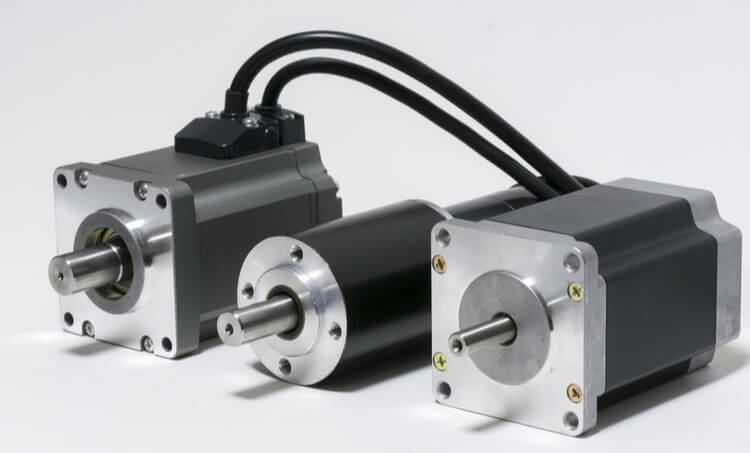
کیا AC موٹرز کی بہترین کارکردگی کو یقینی بنانے کے لیے دیکھ بھال کے مخصوص تقاضے ہیں؟
جی ہاں، AC موٹرز اپنی بہترین کارکردگی اور لمبی عمر کو یقینی بنانے کے لیے دیکھ بھال کے مخصوص تقاضے رکھتی ہیں۔ باقاعدگی سے دیکھ بھال غیر متوقع ناکامیوں کو روکنے میں مدد کرتی ہے، کارکردگی کو زیادہ سے زیادہ کرتی ہے، اور موٹر کی عمر کو بڑھاتی ہے۔ AC موٹرز کی دیکھ بھال کے کچھ اہم طریقے یہ ہیں:
- صفائی اور معائنہ: دھول، گندگی اور ملبے کو ہٹانے کے لیے موٹر کو باقاعدگی سے صاف کریں جو موٹر کی سطحوں پر جمع ہو سکتے ہیں اور گرمی کی کھپت میں رکاوٹ بن سکتے ہیں۔ نقصان کے کسی بھی نشان، ڈھیلے کنکشن، یا غیر معمولی شور/وائبریشن کے لیے موٹر کا معائنہ کریں۔ مزید نقصان کو روکنے کے لیے کسی بھی مسئلے کو فوری طور پر حل کریں۔
- چکنا: موٹر کی چکنا کرنے کی ضروریات کو چیک کریں اور بیرنگ، گیئرز اور دیگر حرکت پذیر حصوں کی مناسب چکنا کو یقینی بنائیں۔ ناکافی یا ضرورت سے زیادہ چکنا رگڑ، زیادہ گرمی اور وقت سے پہلے پہننے کا باعث بن سکتا ہے۔ چکنا کرنے کے وقفوں کے لیے مینوفیکچرر کی ہدایات پر عمل کریں اور تجویز کردہ چکنا کرنے والے مادوں کا استعمال کریں۔
- بیلٹ اور گھرنی کی دیکھ بھال: اگر موٹر کو بیلٹ اور گھرنی کے نظام کے ساتھ جوڑا گیا ہے، تو باقاعدگی سے بیلٹ کے تناؤ کا معائنہ کریں اور اسے ایڈجسٹ کریں۔ بیلٹ کا غلط تناؤ موٹر کی کارکردگی اور کارکردگی کو متاثر کر سکتا ہے۔ ضرورت کے مطابق ٹوٹی ہوئی بیلٹ اور خراب شدہ پلیاں تبدیل کریں۔
- کولنگ سسٹم کی بحالی: آپریشن کے دوران پیدا ہونے والی گرمی کو ختم کرنے کے لیے AC موٹرز میں اکثر کولنگ سسٹم ہوتے ہیں جیسے پنکھے یا ہیٹ سنک۔ اس بات کو یقینی بنائیں کہ یہ کولنگ سسٹم صاف اور صحیح طریقے سے کام کر رہے ہیں۔ کسی بھی رکاوٹ کو ہٹا دیں جو ہوا کے بہاؤ میں رکاوٹ بن سکتی ہے اور کولنگ کی کارکردگی میں سمجھوتہ کر سکتی ہے۔
- بجلی کے کنکشن: ڈھیلے یا خستہ حال ٹرمینلز کے نشانات کے لیے موٹر کے برقی کنکشن کا باقاعدگی سے معائنہ کریں۔ ڈھیلے کنکشن وولٹیج میں کمی، مزاحمت میں اضافہ اور زیادہ گرمی کا باعث بن سکتے ہیں۔ کسی بھی خراب کنکشن کو سخت یا تبدیل کریں اور مناسب بنیاد کو یقینی بنائیں۔
- کمپن تجزیہ: کسی بھی غیر معمولی کمپن کا پتہ لگانے کے لیے وقتاً فوقتاً موٹر پر وائبریشن کا تجزیہ کریں۔ ضرورت سے زیادہ وائبریشن غلط ترتیب، غیر متوازن روٹرز، یا پھٹے ہوئے بیرنگ کی نشاندہی کر سکتی ہے۔ مزید نقصان کو روکنے اور ہموار آپریشن کو یقینی بنانے کے لیے وائبریشن کی بنیادی وجوہات پر توجہ دیں۔
- موٹر ٹیسٹنگ: موٹر کی برقی حالت کا اندازہ لگانے کے لیے باقاعدہ موٹر ٹیسٹنگ کروائیں، جیسے موصلیت کی مزاحمت کی جانچ اور سمیٹنے والی مزاحمت کی پیمائش۔ یہ ٹیسٹ موصلیت کی خرابی، سمیٹنے والی خرابیوں، یا دیگر برقی مسائل کی نشاندہی کر سکتے ہیں جو موٹر کی کارکردگی اور وشوسنییتا کو متاثر کر سکتے ہیں۔
- پیشہ ورانہ دیکھ بھال: دیکھ بھال کے زیادہ پیچیدہ کاموں کے لیے یا بڑی صنعتی موٹروں سے نمٹنے کے لیے، پیشہ ور تکنیکی ماہرین یا موٹر ماہرین کو شامل کرنے کا مشورہ دیا جاتا ہے۔ ان کے پاس گہرائی سے معائنہ، مرمت اور بچاؤ کی دیکھ بھال کے طریقہ کار کو انجام دینے کی مہارت اور اوزار ہیں۔
یہ نوٹ کرنا ضروری ہے کہ دیکھ بھال کے مخصوص تقاضے موٹر کی قسم، سائز اور درخواست کے لحاظ سے مختلف ہو سکتے ہیں۔ استعمال میں مخصوص AC موٹر کے لیے ہمیشہ مینوفیکچرر کے رہنما خطوط اور سفارشات کا حوالہ دیں۔ دیکھ بھال کے مناسب طریقوں پر عمل کرنے سے، AC موٹرز بہترین طریقے سے کام کر سکتی ہیں، ڈاؤن ٹائم کو کم سے کم کر سکتی ہیں، اور سروس کی زندگی میں توسیع کر سکتی ہیں۔
Can you explain the difference between single-phase and three-phase AC motors?
In the realm of AC motors, there are two primary types: single-phase and three-phase motors. These motors differ in their construction, operation, and applications. Let’s explore the differences between single-phase and three-phase AC motors:
- Number of Power Phases: The fundamental distinction between single-phase and three-phase motors lies in the number of power phases they require. Single-phase motors operate using a single alternating current (AC) power phase, while three-phase motors require three distinct AC power phases, typically referred to as phase A, phase B, and phase C.
- Power Supply: Single-phase motors are commonly connected to standard residential or commercial single-phase power supplies. These power supplies deliver a voltage with a sinusoidal waveform, oscillating between positive and negative cycles. In contrast, three-phase motors require a dedicated three-phase power supply, typically found in industrial or commercial settings. Three-phase power supplies deliver three separate sinusoidal waveforms with a specific phase shift between them, resulting in a more balanced and efficient power delivery system.
- Starting Mechanism: Single-phase motors often rely on auxiliary components, such as capacitors or starting windings, to initiate rotation. These components help create a rotating magnetic field necessary for motor startup. Once the motor reaches a certain speed, these auxiliary components may be disconnected or deactivated. Three-phase motors, on the other hand, typically do not require additional starting mechanisms. The three-phase power supply inherently generates a rotating magnetic field, enabling self-starting capability.
- Power and Torque Output: Three-phase motors generally offer higher power and torque output compared to single-phase motors. The balanced nature of three-phase power supply allows for a more efficient distribution of power across the motor windings, resulting in increased performance capabilities. Three-phase motors are commonly used in applications requiring high power demands, such as industrial machinery, pumps, compressors, and heavy-duty equipment. Single-phase motors, with their lower power output, are often used in residential appliances, small commercial applications, and light-duty machinery.
- Efficiency and Smoothness of Operation: Three-phase motors typically exhibit higher efficiency and smoother operation than single-phase motors. The balanced three-phase power supply helps reduce electrical losses and provides a more constant and uniform torque output. This results in improved motor efficiency, reduced vibration, and smoother rotation. Single-phase motors, due to their unbalanced power supply, may experience more pronounced torque variations and slightly lower efficiency.
- Application Suitability: The choice between single-phase and three-phase motors depends on the specific application requirements. Single-phase motors are suitable for powering smaller appliances, such as fans, pumps, household appliances, and small tools. They are commonly used in residential settings where single-phase power is readily available. Three-phase motors are well-suited for industrial and commercial applications that demand higher power levels and continuous operation, including large machinery, conveyors, elevators, air conditioning systems, and industrial pumps.
It’s important to note that while single-phase and three-phase motors have distinct characteristics, there are also hybrid motor designs, such as dual-voltage motors or capacitor-start induction-run (CSIR) motors, which aim to bridge the gap between the two types and offer flexibility in certain applications.
When selecting an AC motor, it is crucial to consider the specific power requirements, available power supply, and intended application to determine whether a single-phase or three-phase motor is most suitable for the task at hand.
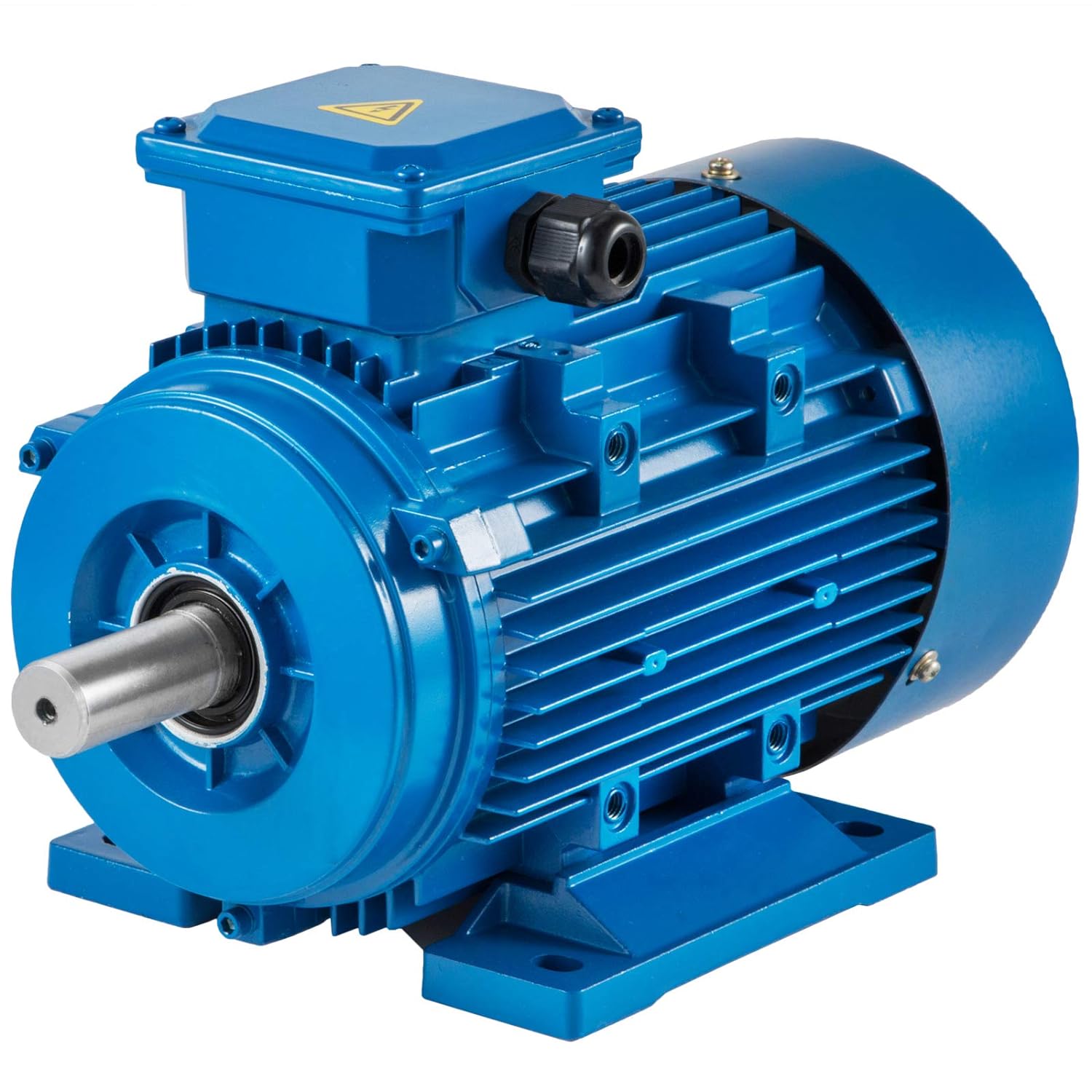
Are there different types of AC motors, and what are their specific applications?
Yes, there are different types of AC motors, each with its own design, characteristics, and applications. The main types of AC motors include:
- Induction Motors: Induction motors are the most commonly used type of AC motor. They are robust, reliable, and suitable for a wide range of applications. Induction motors operate based on the principle of electromagnetic induction. They consist of a stator with stator windings and a rotor with short-circuited conductive bars or coils. The rotating magnetic field produced by the stator windings induces currents in the rotor, creating a magnetic field that interacts with the stator field and generates torque. Induction motors are widely used in industries such as manufacturing, HVAC systems, pumps, fans, compressors, and conveyor systems.
- Synchronous Motors: Synchronous motors are another type of AC motor commonly used in applications that require precise speed control. They operate at synchronous speed, which is determined by the frequency of the AC power supply and the number of motor poles. Synchronous motors have a rotor with electromagnets that are magnetized by direct current, allowing the rotor to lock onto the rotating magnetic field of the stator and rotate at the same speed. Synchronous motors are often used in applications such as industrial machinery, generators, compressors, and large HVAC systems.
- Brushless DC Motors: While the name suggests “DC,” brushless DC motors are actually driven by AC power. They utilize electronic commutation instead of mechanical brushes for switching the current in the motor windings. Brushless DC motors offer high efficiency, low maintenance, and precise control over speed and torque. They are commonly used in applications such as electric vehicles, robotics, computer disk drives, aerospace systems, and consumer electronics.
- Universal Motors: Universal motors are versatile motors that can operate on both AC and DC power. They are designed with a wound stator and a commutator rotor. Universal motors offer high starting torque and can achieve high speeds. They are commonly used in applications such as portable power tools, vacuum cleaners, food mixers, and small appliances.
- Shaded Pole Motors: Shaded pole motors are simple and inexpensive AC motors. They have a single-phase stator and a squirrel cage rotor. Shaded pole motors are characterized by low starting torque and relatively low efficiency. Due to their simple design and low cost, they are commonly used in applications such as small fans, refrigeration equipment, and appliances.
These are some of the main types of AC motors, each with its unique features and applications. The selection of an AC motor type depends on factors such as the required torque, speed control requirements, efficiency, cost, and environmental conditions. Understanding the specific characteristics and applications of each type allows for choosing the most suitable motor for a given application.


editor by CX 2023-11-29


