
مصنوعات کی تفصیل
| Technical parameter: |
|
Output |
MODEL |
Amps |
Speed |
Eff. |
p.f. |
RT |
Noise LwdB |
Weight |
|||
|
380V 50HZ 2P |
|||||||||||
|
0.18 |
Y2-631-2 |
0.5 |
2800 |
65.0 |
0.80 |
00.61 |
2.2 |
2.2 |
5.5 |
61 |
14 |
|
0.25 |
Y2-632-2 |
0.7 |
2800 |
68.0 |
0.81 |
0.96 |
2.2 |
2.2 |
5.5 |
61 |
14.5 |
|
0.37 |
Y2-711-2 |
1.0 |
2800 |
70.0 |
0.81 |
1.26 |
2.2 |
2.2 |
6.1 |
64 |
15 |
|
0.55 |
Y2-712-2 |
1.4 |
2800 |
73.0 |
0.82 |
1.88 |
2.2 |
2.3 |
6.1 |
64 |
15.5 |
|
0.75 |
Y2-801-2 |
1.8 |
2825 |
75.0 |
0.83 |
2.54 |
2.2 |
2.3 |
6.1 |
67 |
16.5 |
|
1.1 |
Y2-802-2 |
2.6 |
2825 |
77.0 |
0.84 |
3.72 |
2.2 |
2.3 |
7.0 |
67 |
17.5 |
|
1.5 |
Y2-90S-2 |
3.4 |
2840 |
79.0 |
0.84 |
5.04 |
2.2 |
2.3 |
7.0 |
72 |
21 |
|
2.2 |
Y2-90L-2 |
4.9 |
2840 |
81.0 |
0.85 |
7.40 |
2.2 |
2.3 |
7.0 |
72 |
25 |
|
3 |
Y2-100L-2 |
6.3 |
2880 |
83.0 |
0.87 |
9.95 |
2.2 |
2.3 |
7.5 |
76 |
33 |
|
4 |
Y2-112M-2 |
8.1 |
2890 |
85.0 |
0.88 |
13.22 |
2.2 |
2.3 |
7.5 |
77 |
41 |
|
5.5 |
Y2-132S1-2 |
11.0 |
2900 |
86.0 |
0.88 |
18.11 |
2.2 |
2.3 |
7.5 |
80 |
63 |
|
7.5 |
Y2-132S2-2 |
14.9 |
2900 |
87.0 |
0.88 |
24.70 |
2.2 |
2.3 |
7.5 |
80 |
70 |
|
11 |
Y2-160M1-2 |
21.3 |
2930 |
88.0 |
0.89 |
35.85 |
2.2 |
2.3 |
7.5 |
86 |
110 |
|
15 |
Y2-160M2-2 |
28.8 |
2930 |
89.0 |
0.89 |
48.89 |
2.2 |
2.3 |
7.5 |
86 |
120 |
|
18.5 |
Y2-160L-2 |
34.7 |
2930 |
90.5 |
0.90 |
60.30 |
2.2 |
2.3 |
7.5 |
86 |
135 |
|
22 |
Y2-180M-2 |
41.0 |
2940 |
91.2 |
0.90 |
71.46 |
2.0 |
2.3 |
7.5 |
89 |
165 |
|
30 |
Y2-200L1-2 |
55.5 |
2950 |
92.0 |
0.90 |
97.12 |
2.0 |
2.3 |
7.5 |
92 |
218 |
|
37 |
Y2-200L2-2 |
67.9 |
2950 |
92.3 |
0.90 |
119.78 |
2.0 |
2.3 |
7.5 |
92 |
230 |
|
45 |
Y2-225M-2 |
82.3 |
2970 |
92.3 |
0.90 |
144.70 |
2.0 |
2.3 |
7.5 |
92 |
280 |
|
55 |
Y2-250M-2 |
100.4 |
2970 |
92.5 |
0.90 |
176.85 |
2.0 |
2.3 |
7.5 |
93 |
365 |
|
75 |
Y2-280S-2 |
134.4 |
2970 |
93.2 |
0.91 |
241.16 |
2.0 |
2.3 |
7.5 |
94 |
495 |
|
90 |
Y2-280M-2 |
160.2 |
2970 |
93.8 |
0.91 |
289.39 |
2.0 |
2.3 |
7.5 |
94 |
565 |
|
110 |
Y2-315S-2 |
195.4 |
2980 |
94.0 |
0.91 |
352.51 |
1.8 |
2.2 |
7.1 |
96 |
890 |
|
132 |
Y2-315M-2 |
233.2 |
2980 |
94.5 |
0.91 |
423.02 |
1.8 |
2.2 |
7.1 |
96 |
980 |
|
160 |
Y2-315L1-2 |
279.3 |
2980 |
94.6 |
0.92 |
512.75 |
1.8 |
2.2 |
7.1 |
99 |
1055 |
|
200 |
Y2-315L2-2 |
348.4 |
2980 |
94.8 |
0.92 |
640.94 |
1.8 |
2.2 |
7.1 |
99 |
1110 |
|
250 |
Y2-355M-2 |
433.2 |
2985 |
95.3 |
0.92 |
799.83 |
1.6 |
2.2 |
7.1 |
103 |
1900 |
|
315 |
Y2-355L-2 |
544.2 |
2985 |
95.6 |
0.92 |
1007.79 |
1.6 |
2.2 |
7.1 |
103 |
2300 |
|
380V 50HZ 4P |
|||||||||||
|
0.12 |
Y2-631-4 |
0.4 |
1400 |
57.0 |
0.72 |
0.82 |
2.1 |
2.2 |
4.4 |
52 |
13 |
|
0.18 |
Y2-632-4 |
0.6 |
1400 |
60.0 |
0.73 |
1.23 |
2.1 |
2.2 |
4.4 |
52 |
13.5 |
|
0.25 |
Y2-711-4 |
0.8 |
1400 |
65.0 |
0.74 |
1.71 |
2.1 |
2.2 |
5.2 |
55 |
14 |
|
0.37 |
Y2-712-4 |
1.1 |
1400 |
67.0 |
0.75 |
2.54 |
2.1 |
2.2 |
5.2 |
55 |
14.5 |
|
0.55 |
Y2-801-4 |
1.6 |
1390 |
71.0 |
0.75 |
3.78 |
2.4 |
2.3 |
5.2 |
58 |
15 |
|
0.75 |
Y2-802-4 |
2.0 |
1490 |
73.0 |
0.77 |
5.15 |
2.4 |
2.3 |
6.0 |
58 |
16 |
|
1.1 |
Y2-90S-4 |
2.0 |
1400 |
75.0 |
0.77 |
7.50 |
2.3 |
2.3 |
6.0 |
61 |
23 |
|
1.5 |
Y2-90L-4 |
3.7 |
1420 |
78.0 |
0.79 |
10.23 |
2.3 |
2.3 |
6.0 |
61 |
25 |
|
2.2 |
Y2-100L1-4 |
5.2 |
1420 |
80.0 |
0.81 |
14.80 |
2.3 |
2.3 |
7.0 |
64 |
33 |
|
3. |
Y2-100L2-4 |
6.8 |
1420 |
82.0 |
0.82 |
20.18 |
2.3 |
2.3 |
7.0 |
64 |
35 |
|
4. |
Y2-112M-4 |
8.8 |
1440 |
84.0 |
0.82 |
26.53 |
2.3 |
2.3 |
7.0 |
65 |
41 |
|
5.5 |
Y2-132S-4 |
11.8 |
1440 |
85.0 |
0.83 |
36.48 |
2.3 |
2.3 |
7.0 |
71 |
65 |
|
7.5 |
Y2-132M-S |
15.6 |
1440 |
87.0 |
0.84 |
49.74 |
2.2 |
2.3 |
7.0 |
71 |
76 |
|
11 |
Y2-160M-4 |
22.3 |
1460 |
88.0 |
0.85 |
71.59 |
2.2 |
2.3 |
7.0 |
75 |
118 |
|
15 |
Y2-160L-4 |
30.1 |
1460 |
89.0 |
0.85 |
98.12 |
2.2 |
2.3 |
7.5 |
75 |
132 |
|
18.5 |
Y2-180M-4 |
36.5 |
1470 |
90.5 |
0.85 |
120.19 |
2.2 |
2.3 |
7.5 |
76 |
164 |
|
22 |
Y2-1180L-4 |
43.2 |
1470 |
91.0 |
0.85 |
142.93 |
2.2 |
2.3 |
7.5 |
76 |
182 |
|
30 |
Y2-200L-4 |
57.6 |
1480 |
92.0 |
0.86 |
193.68 |
2.2 |
2.3 |
7.2 |
79 |
245 |
|
37 |
Y2-225S-4 |
69.9 |
1480 |
92.5 |
0.87 |
238.87 |
2.2 |
2.3 |
7.2 |
81 |
258 |
|
45 |
Y2-225M-4 |
84.7 |
1480 |
92.8 |
0.87 |
290.37 |
2.2 |
2.3 |
7.2 |
81 |
290 |
|
55 |
Y2-250M-4 |
103.3 |
1480 |
93.0 |
0.87 |
354.90 |
2.2 |
2.3 |
7.2 |
83 |
388 |
|
75 |
Y2-280S-4 |
139.6 |
1480 |
93.8 |
0.87 |
483.95 |
2.2 |
2.3 |
7.2 |
86 |
510 |
|
90 |
Y2-280M-4 |
166.9 |
1485 |
94.2 |
0.87 |
578.79 |
2.2 |
2.3 |
7.2 |
86 |
606 |
|
110 |
Y2-315S-4 |
201.0 |
1485 |
94.5 |
0.88 |
707.41 |
2.1 |
2.2 |
6.9 |
93 |
910 |
|
132 |
Y2-315M-4 |
240.4 |
1485 |
94.8 |
0.88 |
848.89 |
2.1 |
2.2 |
6.9 |
93 |
1000 |
|
160 |
Y2-315L1-4 |
287.8 |
1485 |
94.9 |
0.89 |
1571.96 |
2.1 |
2.2 |
6.9 |
97 |
1055 |
|
200 |
Y2-315L2-4 |
359.4 |
1485 |
95.0 |
0.89 |
1286.20 |
2.1 |
2.2 |
6.9 |
97 |
1128 |
|
250 |
Y2-355M-4 |
442.9 |
1490 |
95.3 |
0.90 |
1602.35 |
2.1 |
2.2 |
6.9 |
101 |
1700 |
|
315 |
Y2-355L-4 |
556.2 |
1490 |
95.6 |
0.90 |
2018.96 |
2.1 |
2.2 |
6.9 |
101 |
1900 |
|
380V 50HZ 6P |
|||||||||||
|
0.18 |
Y2-711-6 |
0.8 |
900 |
56.0 |
0.60 |
1.91 |
1.9 |
2.0 |
4.0 |
52 |
14 |
|
0.25 |
Y2-711-6 |
0.9 |
900 |
59.0 |
0.68 |
2.65 |
1.9 |
2.0 |
4.0 |
52 |
14.5 |
|
0.37 |
Y2-801-6 |
1.3 |
900 |
62.0 |
0.70 |
3.93 |
1.9 |
2.0 |
4.7 |
54 |
15 |
|
0.55 |
Y2-802-6 |
1.8 |
900 |
65.0 |
0.72 |
5.84 |
1.9 |
2.1 |
4.7 |
54 |
16 |
|
0.75 |
Y2-90S-6 |
2.3 |
910 |
69.0 |
0.72 |
7.87 |
2.0 |
2.1 |
5.5 |
57 |
19 |
|
1.1 |
Y2-90L-6 |
3.2 |
910 |
72.0 |
0.73 |
11.54 |
2.0 |
2.1 |
5.5 |
57 |
22 |
|
1.5 |
Y2-100L-6 |
3.9 |
940 |
76.0 |
0.76 |
15.24 |
2.0 |
2.1 |
5.5 |
61 |
32 |
|
2.2 |
Y2-112M-6 |
5.6 |
940 |
79.0 |
0.76 |
22.35 |
2.1 |
2.1 |
6.5 |
65 |
41 |
|
3 |
Y2-132S-6 |
7.4 |
960 |
81.0 |
0.76 |
29.84 |
2.1 |
2.1 |
6.5 |
69 |
63 |
|
4 |
Y2-132M1-6 |
9.9 |
960 |
82.0 |
0.76 |
39.79 |
2.1 |
2.1 |
6.5 |
69 |
72 |
|
5.5 |
Y2-132M-6 |
12.9 |
960 |
84.0 |
0.77 |
54.71 |
2.1 |
2.1 |
6.5 |
69 |
81 |
|
7.5 |
Y2-160M-6 |
16.9 |
970 |
86.0 |
0.78 |
73.84 |
2.0 |
2.1 |
6.5 |
73 |
118 |
|
11 |
Y2-160L-6 |
24.2 |
970 |
87.5 |
0.79 |
108.30 |
2.0 |
2.1 |
6.5 |
73 |
145 |
|
15 |
Y2-180L-6 |
31.6 |
970 |
89.0 |
0.81 |
147.68 |
2.1 |
2.1 |
7.0 |
73 |
178 |
|
18.5 |
Y2-200L1-6 |
38.6 |
970 |
90.0 |
0.81 |
182.14 |
2.1 |
2.1 |
7.0 |
76 |
200 |
|
22 |
Y2-200L2-6 |
44.7 |
970 |
90.0 |
0.83 |
216.60 |
2.1 |
2.1 |
7.0 |
76 |
228 |
|
30 |
Y2-225M-6 |
59.3 |
980 |
91.5 |
0.84 |
292.35 |
2.0 |
2.1 |
7.0 |
76 |
265 |
|
37 |
Y2-250M-6 |
71.1 |
980 |
92.0 |
0.86 |
360.56 |
2.1 |
2.1 |
7.0 |
78 |
370 |
|
45 |
Y2-280S-6 |
85.9 |
980 |
92.5 |
0.86 |
438.52 |
2.1 |
2.0 |
7.0 |
80 |
490 |
|
55 |
Y2-280M-6 |
104.7 |
980 |
92.8 |
0.86 |
535.97 |
2.1 |
2.0 |
7.0 |
80 |
540 |
|
75 |
Y2-315S-6 |
141.7 |
980 |
93.5 |
0.86 |
730.87 |
2.0 |
2.0 |
7.0 |
85 |
900 |
|
90 |
Y2-315M-6 |
169.5 |
985 |
93.8 |
0.86 |
872.59 |
2.0 |
2.0 |
7.0 |
85 |
980 |
|
110 |
Y2-315L1-6 |
206.7 |
985 |
94.0 |
0.86 |
1066.50 |
2.0 |
2.0 |
6.7 |
85 |
1045 |
|
132 |
Y2-315L2-6 |
244.7 |
985 |
94.2 |
0.87 |
1279.80 |
2.0 |
2.0 |
6.7 |
85 |
1100 |
|
160 |
Y2-355M1-6 |
292.3 |
990 |
94.5 |
0.88 |
1543.43 |
1.9 |
2.0 |
6.7 |
92 |
1440 |
| 200 | Y2-355M2-6 | 364.6 | 990 | 94.7 | 0.88 | 1929.29 | 1.9 | 2.0 | 6.7 | 92 | 1600 |
|
250 |
Y2-355L-6 |
454.8 |
990 |
94.9 |
0.88 |
2411.62 |
1.9 |
2.0 |
6.7 |
92 |
1700 |
FACTORY OUTLINED LOOKING:
| درخواست: | Industrial, Universal, Household Appliances, Power Tools |
|---|---|
| آپریٹنگ رفتار: | Low Speed |
| Number of Stator: | Three-Phase |
| Species: | 2,4,6,8,10,12p |
| Rotor Structure: | Squirrel-Cage |
| Casing Protection: | Closed Type |
| نمونے: |
US$ 300/Piece
1 ٹکڑا (کم سے کم آرڈر) | |
|---|
| حسب ضرورت: |
دستیاب ہے۔
|
|
|---|
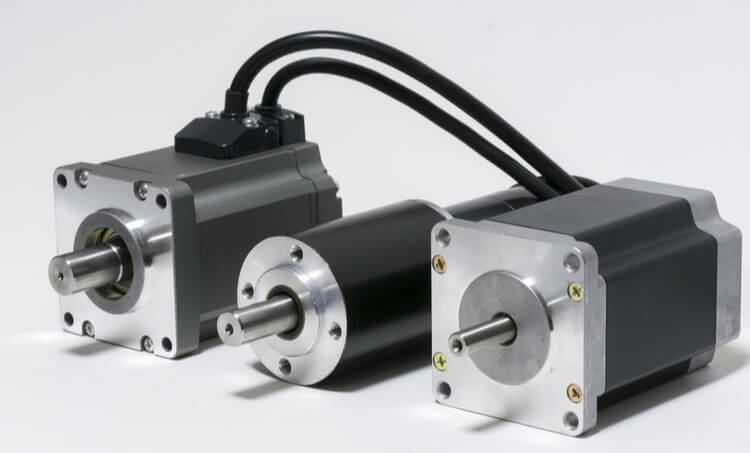
کیا AC موٹرز کی بہترین کارکردگی کو یقینی بنانے کے لیے دیکھ بھال کے مخصوص تقاضے ہیں؟
جی ہاں، AC موٹرز اپنی بہترین کارکردگی اور لمبی عمر کو یقینی بنانے کے لیے دیکھ بھال کے مخصوص تقاضے رکھتی ہیں۔ باقاعدگی سے دیکھ بھال غیر متوقع ناکامیوں کو روکنے میں مدد کرتی ہے، کارکردگی کو زیادہ سے زیادہ کرتی ہے، اور موٹر کی عمر کو بڑھاتی ہے۔ AC موٹرز کی دیکھ بھال کے کچھ اہم طریقے یہ ہیں:
- صفائی اور معائنہ: دھول، گندگی اور ملبے کو ہٹانے کے لیے موٹر کو باقاعدگی سے صاف کریں جو موٹر کی سطحوں پر جمع ہو سکتے ہیں اور گرمی کی کھپت میں رکاوٹ بن سکتے ہیں۔ نقصان کے کسی بھی نشان، ڈھیلے کنکشن، یا غیر معمولی شور/وائبریشن کے لیے موٹر کا معائنہ کریں۔ مزید نقصان کو روکنے کے لیے کسی بھی مسئلے کو فوری طور پر حل کریں۔
- چکنا: موٹر کی چکنا کرنے کی ضروریات کو چیک کریں اور بیرنگ، گیئرز اور دیگر حرکت پذیر حصوں کی مناسب چکنا کو یقینی بنائیں۔ ناکافی یا ضرورت سے زیادہ چکنا رگڑ، زیادہ گرمی اور وقت سے پہلے پہننے کا باعث بن سکتا ہے۔ چکنا کرنے کے وقفوں کے لیے مینوفیکچرر کی ہدایات پر عمل کریں اور تجویز کردہ چکنا کرنے والے مادوں کا استعمال کریں۔
- بیلٹ اور گھرنی کی دیکھ بھال: اگر موٹر کو بیلٹ اور گھرنی کے نظام کے ساتھ جوڑا گیا ہے، تو باقاعدگی سے بیلٹ کے تناؤ کا معائنہ کریں اور اسے ایڈجسٹ کریں۔ بیلٹ کا غلط تناؤ موٹر کی کارکردگی اور کارکردگی کو متاثر کر سکتا ہے۔ ضرورت کے مطابق ٹوٹی ہوئی بیلٹ اور خراب شدہ پلیاں تبدیل کریں۔
- کولنگ سسٹم کی بحالی: آپریشن کے دوران پیدا ہونے والی گرمی کو ختم کرنے کے لیے AC موٹرز میں اکثر کولنگ سسٹم ہوتے ہیں جیسے پنکھے یا ہیٹ سنک۔ اس بات کو یقینی بنائیں کہ یہ کولنگ سسٹم صاف اور صحیح طریقے سے کام کر رہے ہیں۔ کسی بھی رکاوٹ کو ہٹا دیں جو ہوا کے بہاؤ میں رکاوٹ بن سکتی ہے اور کولنگ کی کارکردگی میں سمجھوتہ کر سکتی ہے۔
- بجلی کے کنکشن: ڈھیلے یا خستہ حال ٹرمینلز کے نشانات کے لیے موٹر کے برقی کنکشن کا باقاعدگی سے معائنہ کریں۔ ڈھیلے کنکشن وولٹیج میں کمی، مزاحمت میں اضافہ اور زیادہ گرمی کا باعث بن سکتے ہیں۔ کسی بھی خراب کنکشن کو سخت یا تبدیل کریں اور مناسب بنیاد کو یقینی بنائیں۔
- کمپن تجزیہ: کسی بھی غیر معمولی کمپن کا پتہ لگانے کے لیے وقتاً فوقتاً موٹر پر وائبریشن کا تجزیہ کریں۔ ضرورت سے زیادہ وائبریشن غلط ترتیب، غیر متوازن روٹرز، یا پھٹے ہوئے بیرنگ کی نشاندہی کر سکتی ہے۔ مزید نقصان کو روکنے اور ہموار آپریشن کو یقینی بنانے کے لیے وائبریشن کی بنیادی وجوہات پر توجہ دیں۔
- موٹر ٹیسٹنگ: موٹر کی برقی حالت کا اندازہ لگانے کے لیے باقاعدہ موٹر ٹیسٹنگ کروائیں، جیسے موصلیت کی مزاحمت کی جانچ اور سمیٹنے والی مزاحمت کی پیمائش۔ یہ ٹیسٹ موصلیت کی خرابی، سمیٹنے والی خرابیوں، یا دیگر برقی مسائل کی نشاندہی کر سکتے ہیں جو موٹر کی کارکردگی اور وشوسنییتا کو متاثر کر سکتے ہیں۔
- پیشہ ورانہ دیکھ بھال: دیکھ بھال کے زیادہ پیچیدہ کاموں کے لیے یا بڑی صنعتی موٹروں سے نمٹنے کے لیے، پیشہ ور تکنیکی ماہرین یا موٹر ماہرین کو شامل کرنے کا مشورہ دیا جاتا ہے۔ ان کے پاس گہرائی سے معائنہ، مرمت اور بچاؤ کی دیکھ بھال کے طریقہ کار کو انجام دینے کی مہارت اور اوزار ہیں۔
یہ نوٹ کرنا ضروری ہے کہ دیکھ بھال کے مخصوص تقاضے موٹر کی قسم، سائز اور درخواست کے لحاظ سے مختلف ہو سکتے ہیں۔ استعمال میں مخصوص AC موٹر کے لیے ہمیشہ مینوفیکچرر کے رہنما خطوط اور سفارشات کا حوالہ دیں۔ دیکھ بھال کے مناسب طریقوں پر عمل کرنے سے، AC موٹرز بہترین طریقے سے کام کر سکتی ہیں، ڈاؤن ٹائم کو کم سے کم کر سکتی ہیں، اور سروس کی زندگی میں توسیع کر سکتی ہیں۔
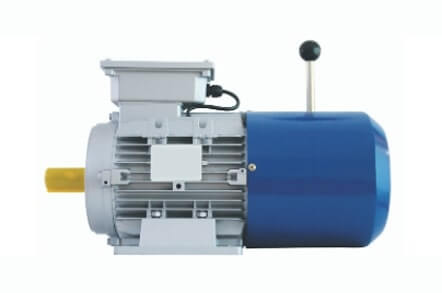
Are there energy-saving technologies or features available in modern AC motors?
Yes, modern AC motors often incorporate various energy-saving technologies and features designed to improve their efficiency and reduce power consumption. These advancements aim to minimize energy losses and optimize motor performance. Here are some energy-saving technologies and features commonly found in modern AC motors:
- High-Efficiency Designs: Modern AC motors are often designed with higher efficiency standards compared to older models. These motors are built using advanced materials and optimized designs to reduce energy losses, such as resistive losses in motor windings and mechanical losses due to friction and drag. High-efficiency motors can achieve energy savings by converting a higher percentage of electrical input power into useful mechanical work.
- Premium Efficiency Standards: International standards and regulations, such as the NEMA Premium® and IE (International Efficiency) classifications, define minimum energy efficiency requirements for AC motors. Premium efficiency motors meet or exceed these standards, offering improved efficiency compared to standard motors. These motors often incorporate design enhancements, such as improved core materials, reduced winding resistance, and optimized ventilation systems, to achieve higher efficiency levels.
- Variable Frequency Drives (VFDs): VFDs, also known as adjustable speed drives or inverters, are control devices that allow AC motors to operate at variable speeds by adjusting the frequency and voltage of the electrical power supplied to the motor. By matching the motor speed to the load requirements, VFDs can significantly reduce energy consumption. VFDs are particularly effective in applications where the motor operates at a partial load for extended periods, such as HVAC systems, pumps, and fans.
- Efficient Motor Control Algorithms: Modern motor control algorithms, implemented in motor drives or control systems, optimize motor operation for improved energy efficiency. These algorithms dynamically adjust motor parameters, such as voltage, frequency, and current, based on load conditions, thereby minimizing energy wastage. Advanced control techniques, such as sensorless vector control or field-oriented control, enhance motor performance and efficiency by precisely regulating the motor’s magnetic field.
- Improved Cooling and Ventilation: Effective cooling and ventilation are crucial for maintaining motor efficiency. Modern AC motors often feature enhanced cooling systems, including improved fan designs, better airflow management, and optimized ventilation paths. Efficient cooling helps prevent motor overheating and reduces losses due to heat dissipation. Some motors also incorporate thermal monitoring and protection mechanisms to avoid excessive temperatures and ensure optimal operating conditions.
- Bearings and Friction Reduction: Friction losses in bearings and mechanical components can consume significant amounts of energy in AC motors. Modern motors employ advanced bearing technologies, such as sealed or lubrication-free bearings, to reduce friction and minimize energy losses. Additionally, optimized rotor and stator designs, along with improved manufacturing techniques, help reduce mechanical losses and enhance motor efficiency.
- Power Factor Correction: Power factor is a measure of how effectively electrical power is being utilized. AC motors with poor power factor can contribute to increased reactive power consumption and lower overall power system efficiency. Power factor correction techniques, such as capacitor banks or power factor correction controllers, are often employed to improve power factor and minimize reactive power losses, resulting in more efficient motor operation.
By incorporating these energy-saving technologies and features, modern AC motors can achieve significant improvements in energy efficiency, leading to reduced power consumption and lower operating costs. When considering the use of AC motors, it is advisable to select models that meet or exceed recognized efficiency standards and consult manufacturers or experts to ensure the motor’s compatibility with specific applications and energy-saving requirements.
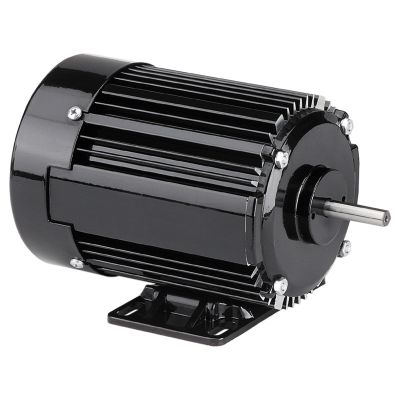
How does the speed control mechanism work in AC motors?
The speed control mechanism in AC motors varies depending on the type of motor. Here, we will discuss the speed control methods used in two common types of AC motors: induction motors and synchronous motors.
Speed Control in Induction Motors:
Induction motors are typically designed to operate at a constant speed determined by the frequency of the AC power supply and the number of motor poles. However, there are several methods for controlling the speed of induction motors:
- Varying the Frequency: By varying the frequency of the AC power supply, the speed of an induction motor can be adjusted. This method is known as variable frequency drive (VFD) control. VFDs convert the incoming AC power supply into a variable frequency and voltage output, allowing precise control of motor speed. This method is commonly used in industrial applications where speed control is crucial, such as conveyors, pumps, and fans.
- Changing the Number of Stator Poles: The speed of an induction motor is inversely proportional to the number of stator poles. By changing the connections of the stator windings or using a motor with a different pole configuration, the speed can be adjusted. However, this method is less commonly used and is typically employed in specialized applications.
- Adding External Resistance: In some cases, external resistance can be added to the rotor circuit of an induction motor to control its speed. This method, known as rotor resistance control, involves inserting resistors in series with the rotor windings. By varying the resistance, the rotor current and torque can be adjusted, resulting in speed control. However, this method is less efficient and is mainly used in specific applications where precise control is not required.
Speed Control in Synchronous Motors:
Synchronous motors offer more precise speed control compared to induction motors due to their inherent synchronous operation. The following methods are commonly used for speed control in synchronous motors:
- Adjusting the AC Power Frequency: Similar to induction motors, changing the frequency of the AC power supply can control the speed of synchronous motors. By adjusting the power frequency, the synchronous speed of the motor can be altered. This method is often used in applications where precise speed control is required, such as industrial machinery and processes.
- Using a Variable Frequency Drive: Variable frequency drives (VFDs) can also be used to control the speed of synchronous motors. By converting the incoming AC power supply into a variable frequency and voltage output, VFDs can adjust the motor speed with high accuracy and efficiency.
- DC Field Control: In some synchronous motors, the rotor field is supplied by a direct current (DC) source, allowing for precise control over the motor’s speed. By adjusting the DC field current, the magnetic field strength and speed of the motor can be controlled. This method is commonly used in applications that require fine-tuned speed control, such as industrial processes and high-performance machinery.
These methods provide different ways to control the speed of AC motors, allowing for flexibility and adaptability in various applications. The choice of speed control mechanism depends on factors such as the motor type, desired speed range, accuracy requirements, efficiency considerations, and cost constraints.


editor by CX 2023-12-07


