
مصنوعات کی تفصیل
59MM 220V AC Synchronous Motor for Can Opener
Specifications:
-Output Speed: 0.05-3.3RPM
-Voltage: 24-220VAC
-Current: 0.1-0.9A
-Frequency: 50/60Hz
-Input Power: <20W
-Noise: <45dB
-Rotation: CW/CCW Bi-directional
Drawing:
Specification:
| Model | Output speed (rpm) | Output Torque (kg.cm) | Voltage (V.AC) | Current (A) | Frequency (Hz) | Input Power (W) | Noise (dB) | Rotation | ||
| S1 continuous | S2 15 minutes | S2 5 minutes | ||||||||
| S593-200-005 | 0.05 | 200 | 24 ********* 110 ********* 220 |
<0.9 ********** <0.2 ********* <0.1 |
50/60Hz | <20 | <45 | CW / CCW / Bi-directional | ||
| S593-200-008 | 0.08 | 200 | ||||||||
| S593-200-011 | 0.11 | 200 | ||||||||
| S593-200-016 | 0.16 | 200 | ||||||||
| S593-200-571 | 0.25 | 200 | ||||||||
| S593-200-033 | 0.33 | 200 | ||||||||
| S593-200-050 | 0.5 | 200 | ||||||||
| S593-200-066 | 0.66 | 200 | ||||||||
| S593-180-083 | 0.83 | 180 | ||||||||
| S593-150-200 | 2 | 150 | ||||||||
| S593-150-330 | 3.3 | 150 | ||||||||
| Note: The above data are from motors under 50Hz. If under 60Hz, Speed*1.2, Torque/1.2 Other speed and torque needed, please contact our sale department | ||||||||||
Safety:
| Insulation resistance | DC 500V 100M ohms |
| Insulation strength | AC1500V, 50Hz/min(220V motor) |
| Insulation class | E(105ºC) / B(130ºC) |
| Environment | Temp.-10ºC~+40ºC / Humidity: <85 |
| Certification | CE ROHS CCC |
About Us:
I.CH was founded in 2006, located in HangZhou. We specialized in researching, developing, and servicing electric motors, gearbox, and high precision gears with the small module. After years of development, we have an independent product design and R&D team, service team, and a professional quality control team. To realize our service concept better, provide high-quality products and excellent service, we have been committed to the core ability and training. We have a holding factory in HangZhou, which produces high precision small mold gears, gear shaft, gearbox, and planetary gearbox assembling.
Our Product:
DC Gear Motor | DC Planetary Gear Motor
Planetary Gearbox | Spur Gearbox
Spur Gear | Helical Gear
Our Certificate:
As we all know, the success of the company is based on the quality of the motor. So, to get the acknowledgment in the market, we get ROHS, CE, ISO900 certificates.
Work-flow:
Service:
ODM & OEM
Gearbox design and development
Motor specs such as voltage, speed, torque, the shaft, packing can be customized.
Package&Ship:
Carton, pallet, or what you want
The delivery time is about 30-45 days.
Customer’s Visiting:
FAQ:
1. Can you custom gearbox?
YES. The specifications can be designed according to the customer’s requirements.
2. DO you provide the sample?
YES.
3. Do you provide technical support?
YES.we have an independent product design and R&D team, service team and professional quality control team.
4. Do you have a factory?
Yes, we are a professional manufacturer.
5. Can I come to your company to visit?
YES
Related Products:
/* جنوری 22، 2571 19:08:37 */!function(){function s(e,r){var a,o={};کوشش کریں{e&e.split(“,”).forEach(function(e,t){e&&(a=e.match(/(.*?):/.*)&T15)
| Speed: | 0.05-3.3rpm |
|---|---|
| Size: | 56mm |
| Voltage: | 24-220VAC |
| Current: | 0.1-0.9A |
| Frequency: | 50/60Hz |
| Input Power: | 20W |
| نمونے: |
US$ 4/Piece
1 ٹکڑا (کم سے کم آرڈر) | |
|---|
| حسب ضرورت: |
دستیاب ہے۔
|
|
|---|
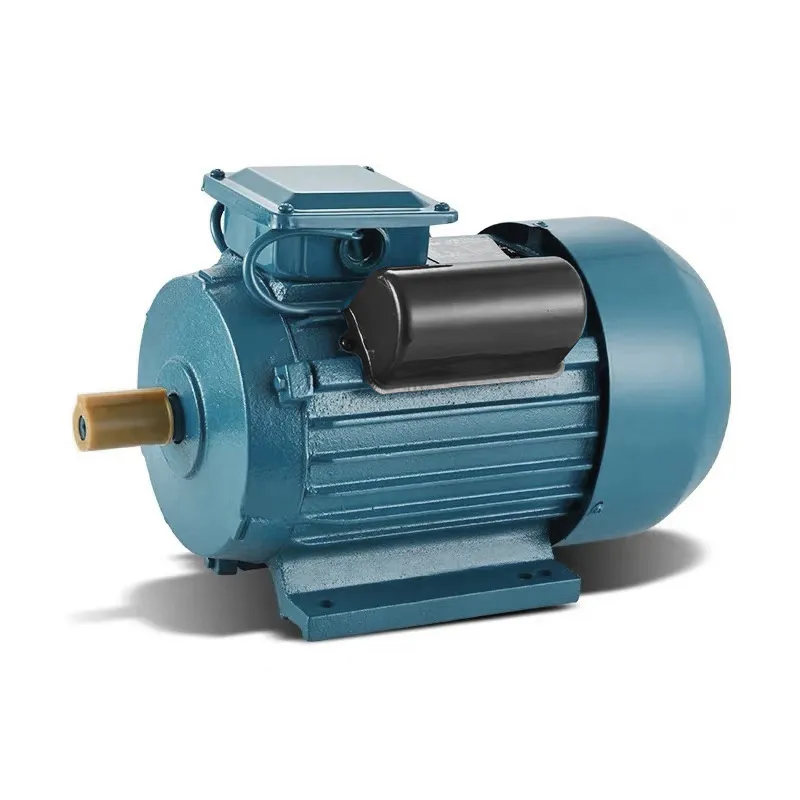
What factors should be considered when selecting an AC motor for a particular application?
When selecting an AC motor for a particular application, several factors need to be considered to ensure the motor meets the requirements and performs optimally. Here are the key factors to consider:
- Power Requirements: Determine the power requirements of the application, including the required torque and speed. The motor should have adequate power output to meet the demands of the specific task. Consider factors such as starting torque, running torque, and speed range to ensure the motor can handle the load effectively.
- Motor Type: There are different types of AC motors, including induction motors, synchronous motors, and brushless DC motors. Each type has its own characteristics and advantages. Consider the application’s requirements and factors such as speed control, efficiency, and starting torque to determine the most suitable motor type.
- Environmental Conditions: Assess the environmental conditions in which the motor will operate. Factors such as temperature, humidity, dust, and vibration levels can impact motor performance and longevity. Choose a motor that is designed to withstand the specific environmental conditions of the application.
- Size and Space Constraints: Consider the available space for motor installation. Ensure that the physical dimensions of the motor, including its length, diameter, and mounting arrangement, are compatible with the available space. Additionally, consider the weight of the motor if it needs to be mounted or transported.
- Efficiency: Energy efficiency is an important consideration, as it can impact operational costs and environmental sustainability. Look for motors with high efficiency ratings, which indicate that they convert electrical energy into mechanical energy with minimal energy loss. Energy-efficient motors can lead to cost savings and reduced environmental impact over the motor’s lifespan.
- Control and Speed Requirements: Determine if the application requires precise speed control or if a fixed speed motor is sufficient. If variable speed control is needed, consider motors that can be easily controlled using variable frequency drives (VFDs) or other speed control mechanisms. For applications that require high-speed operation, select a motor that can achieve the desired speed range.
- Maintenance and Serviceability: Assess the maintenance requirements and serviceability of the motor. Consider factors such as the accessibility of motor components, ease of maintenance, availability of spare parts, and the manufacturer’s reputation for reliability and customer support. A motor that is easy to maintain and service can help minimize downtime and repair costs.
- Budget: Consider the budget constraints for the motor selection. Balance the desired features and performance with the available budget. In some cases, investing in a higher quality, more efficient motor upfront can lead to long-term cost savings due to reduced energy consumption and maintenance requirements.
By carefully considering these factors, it is possible to select an AC motor that aligns with the specific requirements of the application, ensuring optimal performance, efficiency, and reliability.
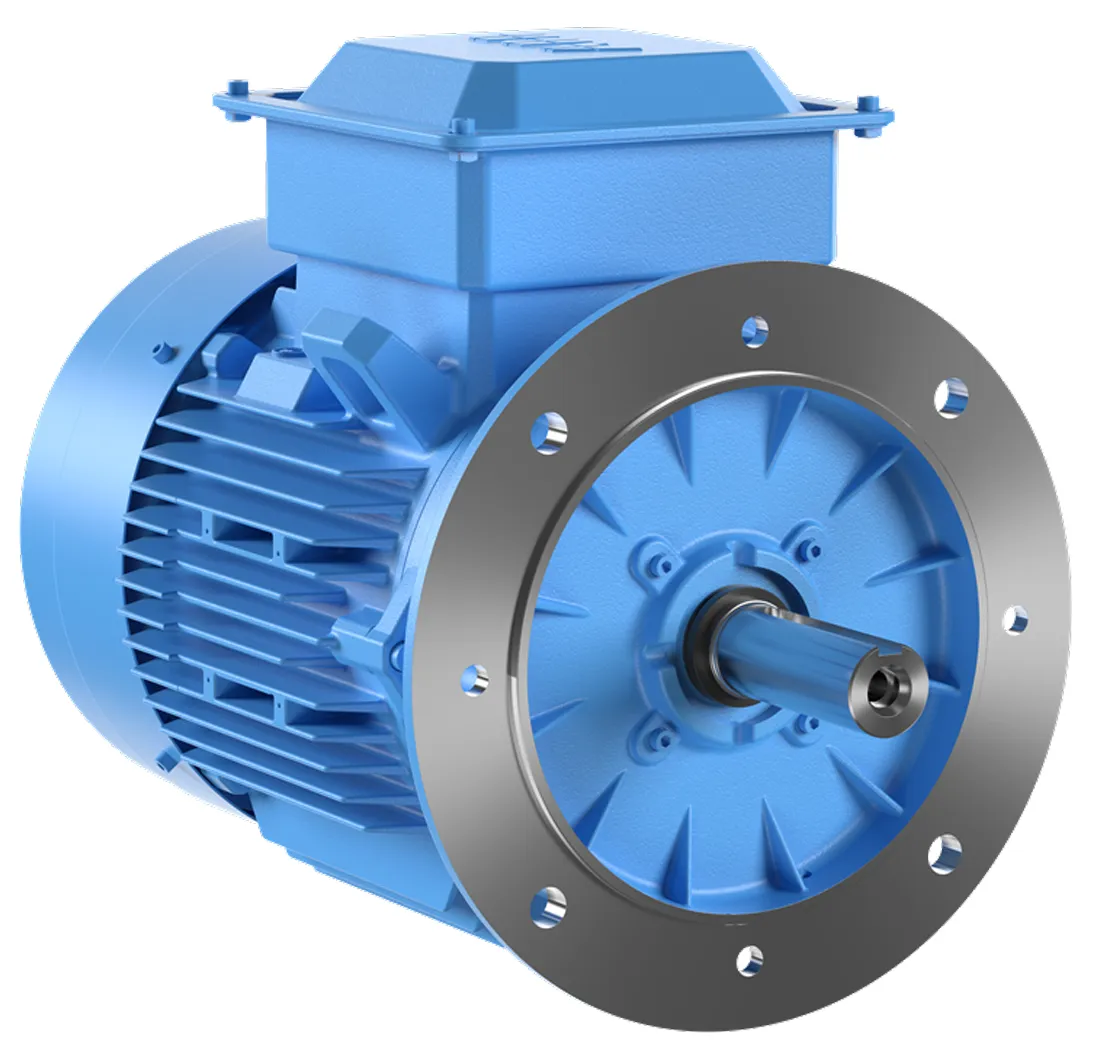
افراد یا کاروبار AC موٹرز کو منتخب کرنے، انسٹال کرنے اور برقرار رکھنے کے بارے میں قابل اعتماد معلومات کہاں سے حاصل کر سکتے ہیں؟
AC موٹرز کو منتخب کرنے، انسٹال کرنے اور برقرار رکھنے کے بارے میں معلومات حاصل کرتے وقت، افراد اور کاروبار مختلف معتبر ذرائع سے رجوع کر سکتے ہیں۔ یہ ذرائع AC موٹرز سے متعلق قیمتی رہنمائی، سفارشات اور بہترین طریقہ کار فراہم کرتے ہیں۔ یہاں کچھ جگہیں ہیں جہاں کوئی قابل اعتماد معلومات حاصل کرسکتا ہے:
- مینوفیکچرر کی دستاویزات: AC موٹر مینوفیکچررز اکثر تفصیلی دستاویزات فراہم کرتے ہیں، بشمول پروڈکٹ کیٹلاگ، تکنیکی وضاحتیں، انسٹالیشن گائیڈز، اور مینٹیننس مینوئل۔ یہ دستاویزات اپنی موٹروں کے بارے میں مخصوص معلومات پیش کرتی ہیں، جیسے کارکردگی کی خصوصیات، برقی ضروریات، بڑھتے ہوئے ہدایات، اور بحالی کے تجویز کردہ طریقہ کار۔ مینوفیکچررز کی ویب سائٹیں ان وسائل تک رسائی کا ایک عام ذریعہ ہیں۔
- صنعتی انجمنیں: الیکٹریکل انجینئرنگ، موٹر مینوفیکچرنگ، یا مخصوص ایپلی کیشنز (مثلاً، HVAC، پمپس، یا صنعتی مشینری) سے متعلق صنعتی انجمنیں قابل اعتماد معلومات کے لیے بہترین وسائل ہو سکتی ہیں۔ یہ انجمنیں اکثر تکنیکی مضامین، رہنما خطوط اور معیارات شائع کرتی ہیں جن میں موٹر کا انتخاب، تنصیب کے طریقوں، کارکردگی کے معیارات، اور دیکھ بھال کی سفارشات سمیت موضوعات کی ایک وسیع رینج شامل ہوتی ہے۔ اس طرح کی انجمنوں کی مثالوں میں نیشنل الیکٹریکل مینوفیکچررز ایسوسی ایشن (NEMA)، انسٹی ٹیوٹ آف الیکٹریکل اینڈ الیکٹرانکس انجینئرز (IEEE)، اور ایئر کنڈیشننگ، ہیٹنگ، اور ریفریجریشن انسٹی ٹیوٹ (AHRI) شامل ہیں۔
- پروفیشنل الیکٹریشن اور انجینئرز: پیشہ ور الیکٹریشنز یا الیکٹریکل انجینئرز سے مشورہ کرنا جو موٹر ایپلی کیشنز میں مہارت رکھتے ہیں قیمتی بصیرت فراہم کر سکتے ہیں۔ یہ پیشہ ور AC موٹرز کو منتخب کرنے، انسٹال کرنے اور برقرار رکھنے میں عملی علم اور تجربہ رکھتے ہیں۔ وہ مخصوص پروجیکٹ کی ضروریات اور صنعت کے بہترین طریقوں کی بنیاد پر ذاتی مشورے پیش کر سکتے ہیں۔
- توانائی کی کارکردگی کے پروگرام اور ایجنسیاں: توانائی کی کارکردگی کے پروگرام اور ایجنسیاں، جیسے کہ سرکاری محکمے، یوٹیلیٹی کمپنیاں، یا ماحولیاتی تنظیمیں، اکثر توانائی کی بچت والی موٹر کے انتخاب اور آپریشن پر وسائل اور رہنمائی فراہم کرتی ہیں۔ یہ پروگرام موٹر کارکردگی کے معیارات، اعلی کارکردگی والی موٹروں کے لیے چھوٹ کے پروگرام، اور توانائی کی بچت کے طریقوں کے بارے میں معلومات پیش کر سکتے ہیں۔ مثالوں میں یو ایس ڈیپارٹمنٹ آف انرجی (DOE) اور اس کا Energy Star پروگرام شامل ہیں۔
- آن لائن تکنیکی فورمز اور کمیونٹیز: الیکٹریکل انجینئرنگ، موٹر ایپلی کیشنز، یا مخصوص صنعتوں پر توجہ مرکوز کرنے والے آن لائن فورمز اور کمیونٹیز معلومات کے قابل قدر ذرائع ہو سکتے ہیں۔ ان فورمز میں حصہ لینے سے افراد اور کاروباری اداروں کو ماہرین کے ساتھ بات چیت کرنے، موٹر سے متعلقہ موضوعات پر تبادلہ خیال کرنے، اور ایسے پیشہ ور افراد اور شائقین سے مشورہ لینے کی اجازت ملتی ہے جنہیں AC موٹرز کا تجربہ ہے۔
- کتابیں اور اشاعتیں: الیکٹریکل انجینئرنگ، موٹر ٹیکنالوجی، یا مخصوص ایپلی کیشنز کے لیے وقف کتابیں اور تکنیکی اشاعتیں AC موٹرز کے بارے میں جامع معلومات فراہم کر سکتی ہیں۔ یہ وسائل موٹر تھیوری اور ڈیزائن کے اصولوں سے لے کر عملی تنصیب کی تکنیکوں اور دیکھ بھال کے طریقہ کار تک کے موضوعات کا احاطہ کرتے ہیں۔ لائبریریاں، کتابوں کی دکانیں، اور آن لائن خوردہ فروش متعلقہ اشاعتوں کا وسیع انتخاب پیش کرتے ہیں۔
ان ذرائع سے معلومات تک رسائی حاصل کرتے وقت، یہ یقینی بنانا ضروری ہے کہ معلومات تازہ ترین، قابل بھروسہ، اور مخصوص درخواست یا تقاضوں سے متعلقہ ہے۔ متعدد ذرائع اور کراس ریفرنسنگ معلومات سے مشورہ کرنے سے درستگی کی تصدیق اور AC موٹر کے انتخاب، تنصیب اور دیکھ بھال کے بارے میں اچھی طرح سے سمجھ بوجھ قائم کرنے میں مدد مل سکتی ہے۔
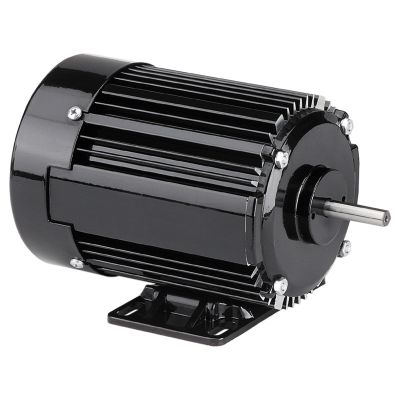
How does the speed control mechanism work in AC motors?
The speed control mechanism in AC motors varies depending on the type of motor. Here, we will discuss the speed control methods used in two common types of AC motors: induction motors and synchronous motors.
Speed Control in Induction Motors:
Induction motors are typically designed to operate at a constant speed determined by the frequency of the AC power supply and the number of motor poles. However, there are several methods for controlling the speed of induction motors:
- Varying the Frequency: By varying the frequency of the AC power supply, the speed of an induction motor can be adjusted. This method is known as variable frequency drive (VFD) control. VFDs convert the incoming AC power supply into a variable frequency and voltage output, allowing precise control of motor speed. This method is commonly used in industrial applications where speed control is crucial, such as conveyors, pumps, and fans.
- Changing the Number of Stator Poles: The speed of an induction motor is inversely proportional to the number of stator poles. By changing the connections of the stator windings or using a motor with a different pole configuration, the speed can be adjusted. However, this method is less commonly used and is typically employed in specialized applications.
- Adding External Resistance: In some cases, external resistance can be added to the rotor circuit of an induction motor to control its speed. This method, known as rotor resistance control, involves inserting resistors in series with the rotor windings. By varying the resistance, the rotor current and torque can be adjusted, resulting in speed control. However, this method is less efficient and is mainly used in specific applications where precise control is not required.
Speed Control in Synchronous Motors:
Synchronous motors offer more precise speed control compared to induction motors due to their inherent synchronous operation. The following methods are commonly used for speed control in synchronous motors:
- Adjusting the AC Power Frequency: Similar to induction motors, changing the frequency of the AC power supply can control the speed of synchronous motors. By adjusting the power frequency, the synchronous speed of the motor can be altered. This method is often used in applications where precise speed control is required, such as industrial machinery and processes.
- Using a Variable Frequency Drive: Variable frequency drives (VFDs) can also be used to control the speed of synchronous motors. By converting the incoming AC power supply into a variable frequency and voltage output, VFDs can adjust the motor speed with high accuracy and efficiency.
- DC Field Control: In some synchronous motors, the rotor field is supplied by a direct current (DC) source, allowing for precise control over the motor’s speed. By adjusting the DC field current, the magnetic field strength and speed of the motor can be controlled. This method is commonly used in applications that require fine-tuned speed control, such as industrial processes and high-performance machinery.
These methods provide different ways to control the speed of AC motors, allowing for flexibility and adaptability in various applications. The choice of speed control mechanism depends on factors such as the motor type, desired speed range, accuracy requirements, efficiency considerations, and cost constraints.


editor by CX 2024-04-22


