
مصنوعات کی تفصیل
| PRODUCT OVERVIEW |
| Applications:General purpose including cutting machines,pumps,fans,conveyors,machines tools of farm duty and food process. |
| Features :High efficiency and energy saving,low noise and little vibration. |
| Insulation class :F |
| Protection class:IP54 or IP55 |
| CONDITIONS OF USE |
| The altitude not exceeding 1000m above sea level.The ambient temperature subject to seasonal variations but not exceeding +40°C and not less than -15ºC. |
Product Parameters
پیکیجنگ اور شپنگ
1) Packing Details
Packed in nylon firstly, then carton, and then reinforced with wooden case for outer packing.Or according to client’s requirement.
2) Shipping Details
Samples will be shipped within 10 days.
Batch order leading time according to the actual situation.
کمپنی کا پروفائل
ZHangZhoug CHINAMFG Motor Co., Ltd,located in Zeguo Town,HangZhou,HangZhou City,China,enjoys convenient land, sea and air transportation network.
We are specialized in all kinds of small and middle-sized electric motors.our main products include electric motors of Y series,Y2/YE2 series,YS/MS series of Three Phase Asynchronous motor;YC series,YL series,MY/ML series,JY series of Single Phase motors etc.They are widely used in machine tool, fans, pumps, compressors, packaging machinery, mining machinery, construction machinery, food machinery and other mechanical transmission device.
We have obtained ISO90001-2008 quality certificate, CE certificate and CCC certificate.Our products are widely exported to over 50 countries and regions,such as east Europe,Southeast Asia,South America,Middle East,Africa etc.Meanwhile,we have kept well touch with many trading companies at home and abroad for cooperation relationship.
“Reliable quality, Excellent service, Reasonable price, Timely delivery” is our company persistent pursuit.Looking CHINAMFG to be your long term business partner.
تفصیلی تصاویر
اکثر پوچھے گئے سوالات
Q:Why choose us?
A:professional electric motor manufacturer for 10 years;
good quality material and advanced test machine
Q:What is your MOQ?
A:10 pcs is ok for each model.At first time,trial order is okay.
Q:What about your warranty?
A: 1 year,except man-made destroyed.
Q:how about your payment way ?
A: 30% T/T in advance,70% balance on sight of BL copy by T/T or irrevocable L/C.
Q:Can you make OEM/ODM order?
A:Yes,we have rich experience on OEM/ODM order. /* January 22, 2571 19:08:37 */!function(){function s(e,r){var a,o={};try{e&&e.split(“,”).forEach(function(e,t){e&&(a=e.match(/(.*?):(.*)$/))&&1
| درخواست: | Industrial |
|---|---|
| Speed: | Low Speed |
| Number of Stator: | Three-Phase |
| فنکشن: | ڈرائیونگ |
| Casing Protection: | Closed Type |
| Number of Poles: | 2 |
| نمونے: |
US$ 50/Piece
1 ٹکڑا (کم سے کم آرڈر) | |
|---|
| حسب ضرورت: |
دستیاب ہے۔
|
|
|---|
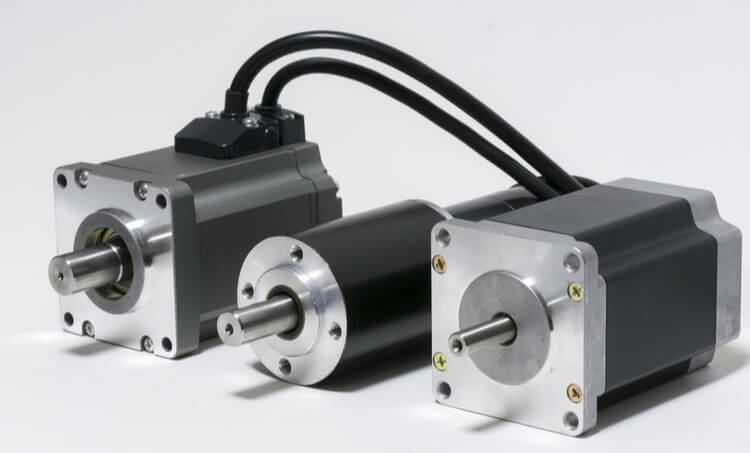
کیا AC موٹرز کی بہترین کارکردگی کو یقینی بنانے کے لیے دیکھ بھال کے مخصوص تقاضے ہیں؟
جی ہاں، AC موٹرز اپنی بہترین کارکردگی اور لمبی عمر کو یقینی بنانے کے لیے دیکھ بھال کے مخصوص تقاضے رکھتی ہیں۔ باقاعدگی سے دیکھ بھال غیر متوقع ناکامیوں کو روکنے میں مدد کرتی ہے، کارکردگی کو زیادہ سے زیادہ کرتی ہے، اور موٹر کی عمر کو بڑھاتی ہے۔ AC موٹرز کی دیکھ بھال کے کچھ اہم طریقے یہ ہیں:
- صفائی اور معائنہ: دھول، گندگی اور ملبے کو ہٹانے کے لیے موٹر کو باقاعدگی سے صاف کریں جو موٹر کی سطحوں پر جمع ہو سکتے ہیں اور گرمی کی کھپت میں رکاوٹ بن سکتے ہیں۔ نقصان کے کسی بھی نشان، ڈھیلے کنکشن، یا غیر معمولی شور/وائبریشن کے لیے موٹر کا معائنہ کریں۔ مزید نقصان کو روکنے کے لیے کسی بھی مسئلے کو فوری طور پر حل کریں۔
- چکنا: موٹر کی چکنا کرنے کی ضروریات کو چیک کریں اور بیرنگ، گیئرز اور دیگر حرکت پذیر حصوں کی مناسب چکنا کو یقینی بنائیں۔ ناکافی یا ضرورت سے زیادہ چکنا رگڑ، زیادہ گرمی اور وقت سے پہلے پہننے کا باعث بن سکتا ہے۔ چکنا کرنے کے وقفوں کے لیے مینوفیکچرر کی ہدایات پر عمل کریں اور تجویز کردہ چکنا کرنے والے مادوں کا استعمال کریں۔
- بیلٹ اور گھرنی کی دیکھ بھال: اگر موٹر کو بیلٹ اور گھرنی کے نظام کے ساتھ جوڑا گیا ہے، تو باقاعدگی سے بیلٹ کے تناؤ کا معائنہ کریں اور اسے ایڈجسٹ کریں۔ بیلٹ کا غلط تناؤ موٹر کی کارکردگی اور کارکردگی کو متاثر کر سکتا ہے۔ ضرورت کے مطابق ٹوٹی ہوئی بیلٹ اور خراب شدہ پلیاں تبدیل کریں۔
- کولنگ سسٹم کی بحالی: آپریشن کے دوران پیدا ہونے والی گرمی کو ختم کرنے کے لیے AC موٹرز میں اکثر کولنگ سسٹم ہوتے ہیں جیسے پنکھے یا ہیٹ سنک۔ اس بات کو یقینی بنائیں کہ یہ کولنگ سسٹم صاف اور صحیح طریقے سے کام کر رہے ہیں۔ کسی بھی رکاوٹ کو ہٹا دیں جو ہوا کے بہاؤ میں رکاوٹ بن سکتی ہے اور کولنگ کی کارکردگی میں سمجھوتہ کر سکتی ہے۔
- بجلی کے کنکشن: ڈھیلے یا خستہ حال ٹرمینلز کے نشانات کے لیے موٹر کے برقی کنکشن کا باقاعدگی سے معائنہ کریں۔ ڈھیلے کنکشن وولٹیج میں کمی، مزاحمت میں اضافہ اور زیادہ گرمی کا باعث بن سکتے ہیں۔ کسی بھی خراب کنکشن کو سخت یا تبدیل کریں اور مناسب بنیاد کو یقینی بنائیں۔
- کمپن تجزیہ: کسی بھی غیر معمولی کمپن کا پتہ لگانے کے لیے وقتاً فوقتاً موٹر پر وائبریشن کا تجزیہ کریں۔ ضرورت سے زیادہ وائبریشن غلط ترتیب، غیر متوازن روٹرز، یا پھٹے ہوئے بیرنگ کی نشاندہی کر سکتی ہے۔ مزید نقصان کو روکنے اور ہموار آپریشن کو یقینی بنانے کے لیے وائبریشن کی بنیادی وجوہات پر توجہ دیں۔
- موٹر ٹیسٹنگ: موٹر کی برقی حالت کا اندازہ لگانے کے لیے باقاعدہ موٹر ٹیسٹنگ کروائیں، جیسے موصلیت کی مزاحمت کی جانچ اور سمیٹنے والی مزاحمت کی پیمائش۔ یہ ٹیسٹ موصلیت کی خرابی، سمیٹنے والی خرابیوں، یا دیگر برقی مسائل کی نشاندہی کر سکتے ہیں جو موٹر کی کارکردگی اور وشوسنییتا کو متاثر کر سکتے ہیں۔
- پیشہ ورانہ دیکھ بھال: دیکھ بھال کے زیادہ پیچیدہ کاموں کے لیے یا بڑی صنعتی موٹروں سے نمٹنے کے لیے، پیشہ ور تکنیکی ماہرین یا موٹر ماہرین کو شامل کرنے کا مشورہ دیا جاتا ہے۔ ان کے پاس گہرائی سے معائنہ، مرمت اور بچاؤ کی دیکھ بھال کے طریقہ کار کو انجام دینے کی مہارت اور اوزار ہیں۔
یہ نوٹ کرنا ضروری ہے کہ دیکھ بھال کے مخصوص تقاضے موٹر کی قسم، سائز اور درخواست کے لحاظ سے مختلف ہو سکتے ہیں۔ استعمال میں مخصوص AC موٹر کے لیے ہمیشہ مینوفیکچرر کے رہنما خطوط اور سفارشات کا حوالہ دیں۔ دیکھ بھال کے مناسب طریقوں پر عمل کرنے سے، AC موٹرز بہترین طریقے سے کام کر سکتی ہیں، ڈاؤن ٹائم کو کم سے کم کر سکتی ہیں، اور سروس کی زندگی میں توسیع کر سکتی ہیں۔
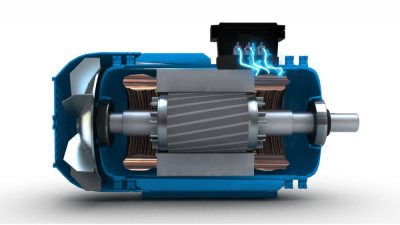
What are the common signs of AC motor failure, and how can they be addressed?
AC motor failure can lead to disruptions in various industrial and commercial applications. Recognizing the common signs of motor failure is crucial for timely intervention and preventing further damage. Here are some typical signs of AC motor failure and potential ways to address them:
- Excessive Heat: Excessive heat is a common indicator of motor failure. If a motor feels excessively hot to the touch or emits a burning smell, it could signify issues such as overloaded windings, poor ventilation, or bearing problems. To address this, first, ensure that the motor is properly sized for the application. Check for obstructions around the motor that may be impeding airflow and causing overheating. Clean or replace dirty or clogged ventilation systems. If the issue persists, consult a qualified technician to inspect the motor windings and bearings and make any necessary repairs or replacements.
- Abnormal Noise or Vibration: Unusual noises or vibrations coming from an AC motor can indicate various problems. Excessive noise may be caused by loose or damaged components, misaligned shafts, or worn bearings. Excessive vibration can result from imbalanced rotors, misalignment, or worn-out motor parts. Addressing these issues involves inspecting and adjusting motor components, ensuring proper alignment, and replacing damaged or worn-out parts. Regular maintenance, including lubrication of bearings, can help prevent excessive noise and vibration and extend the motor’s lifespan.
- Intermittent Operation: Intermittent motor operation, where the motor starts and stops unexpectedly or fails to start consistently, can be a sign of motor failure. This can be caused by issues such as faulty wiring connections, damaged or worn motor brushes, or problems with the motor’s control circuitry. Check for loose or damaged wiring connections and make any necessary repairs. Inspect and replace worn or damaged motor brushes. If the motor still exhibits intermittent operation, it may require professional troubleshooting and repair by a qualified technician.
- Overheating or Tripping of Circuit Breakers: If an AC motor consistently causes circuit breakers to trip or if it repeatedly overheats, it indicates a problem that needs attention. Possible causes include high starting currents, excessive loads, or insulation breakdown. Verify that the motor is not overloaded and that the load is within the motor’s rated capacity. Check the motor’s insulation resistance to ensure it is within acceptable limits. If these measures do not resolve the issue, consult a professional to assess the motor and its electrical connections for any faults or insulation breakdown that may require repair or replacement.
- Decreased Performance or Efficiency: A decline in motor performance or efficiency can be an indication of impending failure. This may manifest as reduced speed, decreased torque, increased energy consumption, or inadequate power output. Factors contributing to decreased performance can include worn bearings, damaged windings, or deteriorated insulation. Regular maintenance, including lubrication and cleaning, can help prevent these issues. If performance continues to decline, consult a qualified technician to inspect the motor and perform any necessary repairs or replacements.
- Inoperative Motor: If an AC motor fails to operate entirely, there may be an issue with the power supply, control circuitry, or internal motor components. Check the power supply and connections for any faults or interruptions. Inspect control circuitry, such as motor starters or contactors, for any damage or malfunction. If no external faults are found, it may be necessary to dismantle the motor and inspect internal components, such as windings or brushes, for any faults or failures that require repair or replacement.
It’s important to note that motor failure causes can vary depending on factors such as motor type, operating conditions, and maintenance practices. Regular motor maintenance, including inspections, lubrication, and cleaning, is essential for early detection of potential failure signs and for addressing issues promptly. When in doubt, it is advisable to consult a qualified electrician, motor technician, or manufacturer’s guidelines for appropriate troubleshooting and repair procedures specific to the motor model and application.
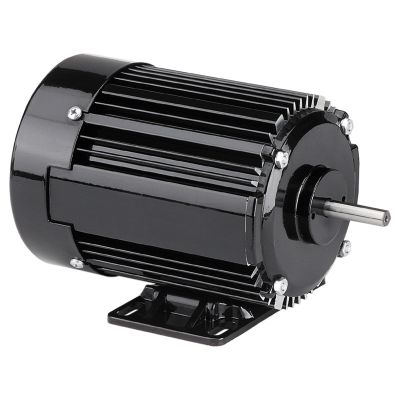
How does the speed control mechanism work in AC motors?
The speed control mechanism in AC motors varies depending on the type of motor. Here, we will discuss the speed control methods used in two common types of AC motors: induction motors and synchronous motors.
Speed Control in Induction Motors:
Induction motors are typically designed to operate at a constant speed determined by the frequency of the AC power supply and the number of motor poles. However, there are several methods for controlling the speed of induction motors:
- Varying the Frequency: By varying the frequency of the AC power supply, the speed of an induction motor can be adjusted. This method is known as variable frequency drive (VFD) control. VFDs convert the incoming AC power supply into a variable frequency and voltage output, allowing precise control of motor speed. This method is commonly used in industrial applications where speed control is crucial, such as conveyors, pumps, and fans.
- Changing the Number of Stator Poles: The speed of an induction motor is inversely proportional to the number of stator poles. By changing the connections of the stator windings or using a motor with a different pole configuration, the speed can be adjusted. However, this method is less commonly used and is typically employed in specialized applications.
- Adding External Resistance: In some cases, external resistance can be added to the rotor circuit of an induction motor to control its speed. This method, known as rotor resistance control, involves inserting resistors in series with the rotor windings. By varying the resistance, the rotor current and torque can be adjusted, resulting in speed control. However, this method is less efficient and is mainly used in specific applications where precise control is not required.
Speed Control in Synchronous Motors:
Synchronous motors offer more precise speed control compared to induction motors due to their inherent synchronous operation. The following methods are commonly used for speed control in synchronous motors:
- Adjusting the AC Power Frequency: Similar to induction motors, changing the frequency of the AC power supply can control the speed of synchronous motors. By adjusting the power frequency, the synchronous speed of the motor can be altered. This method is often used in applications where precise speed control is required, such as industrial machinery and processes.
- Using a Variable Frequency Drive: Variable frequency drives (VFDs) can also be used to control the speed of synchronous motors. By converting the incoming AC power supply into a variable frequency and voltage output, VFDs can adjust the motor speed with high accuracy and efficiency.
- DC Field Control: In some synchronous motors, the rotor field is supplied by a direct current (DC) source, allowing for precise control over the motor’s speed. By adjusting the DC field current, the magnetic field strength and speed of the motor can be controlled. This method is commonly used in applications that require fine-tuned speed control, such as industrial processes and high-performance machinery.
These methods provide different ways to control the speed of AC motors, allowing for flexibility and adaptability in various applications. The choice of speed control mechanism depends on factors such as the motor type, desired speed range, accuracy requirements, efficiency considerations, and cost constraints.


editor by CX 2024-04-08


