
مصنوعات کی تفصیل
3HMI-IE3 Series Aluminum/Cast-Iron Housing Premium Efficiency Motor
3HMI-IE3 Series Motors are designed of Premium efficiency, energy saving, high quality performance, small vibration, low noise, long life, high reliability, easy maintenance and large start torque, etc. The mounting dimension and power totally conform to IEC standard within the range of frame size 80 to 355.
3HMI-IE3 Series Aluminum/Cast-Iron Housing Premium Efficiency Motor Characteristics and advantages:
Frame Size: H80-355
Poles: 2, 4, 6,8poles
Rated Power: 0.75KW-315KW
Rated Voltage: 220/380V, 380/660V, 230/400V, 400V/690V
Frequency: 50HZ, 60HZ
Protection Class: IP44, IP54, IP55, IP56
Insulation Class: B, F, H
Mounting Type:B3, B5, B35 multi and pad mounting
Ambient Temperature: -20~+40 °C
Altitude: ≤1000M
3HMI-IE3 Series Technical Data
| Type | (kW) | η(%) | Cosφ | r/min | Rated current(A) | Ts/Tn | Is/In | ||||
| 380 | 400 | 415 | |||||||||
| 3HMI | 80M1-2 | 0.75 | 80.7 | 0.83 | 2880 | 1.70 | 1.62 | 1.56 | 2.2 | 2.3 | 7 |
| 3HMI | 80M2-2 | 1.1 | 82.7 | 0.84 | 2880 | 2.41 | 2.29 | 2.20 | 7.9 | ||
| 3HMI | 90S-2 | 1.5 | 84.2 | 0.84 | 2895 | 3.22 | 3.06 | 2.95 | |||
| 3HMI | 90L-2 | 2.2 | 85.9 | 0.85 | 2985 | 4.58 | 4.35 | 4.19 | |||
| 3HMI | 100L-2 | 3 | 87.1 | 0.87 | 2895 | 6.02 | 5.71 | 5.51 | 8.1 | ||
| 3HMI | 112M-2 | 4 | 81.5 | 0.87 | 2905 | 8.57 | 8.14 | 7.85 | |||
| 3HMI | 132S1-2 | 5.5 | 89.2 | 0.88 | 2930 | 10.65 | 10.11 | 9.75 | |||
| 3HMI | 132S2-2 | 7.5 | 90.1 | 0.88 | 2930 | 14.37 | 13.65 | 13.16 | |||
| 3HMI | 160M1-2 | 11 | 91.2 | 0.89 | 2945 | 20.59 | 19.56 | 18.85 | |||
| 3HMI | 160M2-2 | 15 | 91.9 | 0.89 | 2945 | 27.86 | 26.47 | 25.51 | |||
| 3HMI | 160L-2 | 18.5 | 92.4 | 0.90 | 2955 | 33.80 | 32.11 | 30.95 | |||
| 3HMI | 180M-2 | 22 | 92.7 | 0.90 | 2955 | 40.07 | 38.06 | 36.69 | 2 | ||
| 3HMI | 200L1-2 | 30 | 93.3 | 0.90 | 2960 | 54.28 | 51.57 | 49.71 | |||
| 3HMI | 200L2-2 | 37 | 93.7 | 0.90 | 2960 | 66.66 | 63.33 | 61.04 | |||
| 3HMI | 225M-2 | 45 | 94 | 0.90 | 2965 | 80.82 | 76.78 | 74.00 | |||
| 3HMI | 250M-2 | 55 | 94.3 | 0.90 | 2970 | 98.46 | 93.54 | 90.16 | |||
| 3HMI | 280S-2 | 75 | 94.7 | 0.90 | 2975 | 133.70 | 127.02 | 122.43 | |||
| 3HMI | 280M-2 | 90 | 95 | 0.91 | 2975 | 158.18 | 150.27 | 144.84 | |||
| 3HMI | 315S-2 | 110 | 95.2 | 0.91 | 2978 | 192.92 | 183.28 | 176.65 | 1.8 | 2.2 | 7.7 |
| 3HMI | 315M-2 | 132 | 95.4 | 0.91 | 2978 | 231.02 | 219.47 | 211.54 | |||
| 3HMI | 315L1-2 | 160 | 95.6 | 0.92 | 2980 | 276.40 | 262.58 | 253.09 | |||
| 3HMI | 315L2-2 | 200 | 95.8 | 0.92 | 2980 | 344.78 | 327.54 | 315.70 | |||
| 3HMI | 355M-2 | 250 | 95.8 | 0.92 | 2982 | 430.98 | 409.43 | 394.63 | 1.6 | ||
| 3HMI | 355L-2 | 315 | 95.8 | 0.92 | 2982 | 543.03 | 515.88 | 497.23 | |||
| 3HMI | 802-4 | 0.75 | 82.5 | 0.76 | 1420 | 1.82 | 1.73 | 1.66 | 2.3 | 2.3 | 6.5 |
| 3HMI | 90S-4 | 1.1 | 84.1 | 0.77 | 1445 | 2.58 | 2.45 | 2.36 | |||
| 3HMI | 90L-4 | 1.5 | 85.3 | 0.79 | 1445 | 3.38 | 3.21 | 3.10 | |||
| 3HMI | 100L1-4 | 2.2 | 86.7 | 0.81 | 1435 | 4.76 | 4.52 | 4.36 | 7.5 | ||
| 3HMI | 100L2-4 | 3 | 87.7 | 0.82 | 1435 | 6.34 | 6.02 | 5.80 | |||
| 3HMI | 112M-4 | 4 | 88.6 | 0.82 | 1440 | 8.37 | 7.95 | 7.66 | |||
| 3HMI | 132S-4 | 5.5 | 89.6 | 0.83 | 1460 | 11.24 | 10.68 | 10.29 | |||
| 3HMI | 132M-4 | 7.5 | 90.4 | 0.84 | 1460 | 15.01 | 14.26 | 13.74 | |||
| 3HMI | 160M-4 | 11 | 91.4 | 0.84 | 1465 | 21.77 | 20.68 | 19.93 | 2.2 | 8.9 | |
| 3HMI | 160L-4 | 15 | 92.1 | 0.85 | 1465 | 29.11 | 27.66 | 26.66 | |||
| 3HMI | 180M-4 | 18.5 | 92.6 | 0.86 | 1470 | 35.30 | 33.53 | 32.32 | 7.9 | ||
| 3HMI | 180L-4 | 22 | 93 | 0.86 | 1470 | 41.79 | 39.70 | 38.27 | |||
| 3HMI | 200L-4 | 30 | 93.6 | 0.86 | 1475 | 56.63 | 53.79 | 51.85 | |||
| 3HMI | 225S-4 | 37 | 93.9 | 0.87 | 1485 | 68.82 | 65.37 | 63.01 | |||
| 3HMI | 225M-4 | 45 | 94.2 | 0.87 | 1485 | 83.43 | 79.26 | 76.39 | |||
| 3HMI | 250M-4 | 55 | 94.6 | 0.87 | 1485 | 101.54 | 96.46 | 92.97 | |||
| 3HMI | 280S-4 | 75 | 95 | 0.87 | 1486 | 137.88 | 130.98 | 126.25 | |||
| 3HMI | 280M-4 | 90 | 95.2 | 0.87 | 1486 | 165.10 | 156.85 | 151.18 | |||
| 3HMI | 315S-4 | 110 | 95.4 | 0.88 | 1488 | 199.08 | 189.13 | 182.29 | 2.1 | 2.2 | 7.6 |
| 3HMI | 315M-4 | 132 | 95.6 | 0.88 | 1488 | 238.40 | 226.48 | 218.29 | |||
| 3HMI | 315L1-4 | 160 | 95.8 | 0.89 | 1488 | 285.12 | 270.87 | 261.08 | |||
| 3HMI | 315L2-4 | 200 | 96 | 0.89 | 1490 | 355.66 | 337.88 | 325.67 | |||
| 3HMI | 355M-4 | 250 | 96.0 | 0.90 | 1490 | 439.64 | 417.66 | 402.56 | |||
| 3HMI | 355L-4 | 315 | 96.0 | 0.90 | 1490 | 553.94 | 526.25 | 507.23 | |||
| 3HMI | 90S-6 | 0.75 | 78.9 | 0.72 | 935 | 2.01 | 1.91 | 1.84 | |||
| 3HMI | 90L-6 | 1.1 | 81 | 0.73 | 945 | 2.83 | 2.69 | 2.59 | |||
| 3HMI | 100L-6 | 1.5 | 82.5 | 0.75 | 949 | 3.68 | 3.50 | 3.37 | |||
| 3HMI | 112M-6 | 2.2 | 84.3 | 0.76 | 955 | 5.22 | 4.96 | 4.78 | |||
| 3HMI | 132S-6 | 3 | 85.6 | 0.76 | 968 | 7.01 | 6.66 | 6.42 | |||
| 3HMI | 132M1-6 | 4 | 86.8 | 0.76 | 968 | 9.21 | 8.75 | 8.44 | |||
| 3HMI | 132M2-6 | 5.5 | 88 | 0.77 | 968 | 12.33 | 11.72 | 11.29 | |||
| 3HMI | 160M-6 | 7.5 | 89.1 | 0.77 | 970 | 16.61 | 15.78 | 15.21 | |||
| 3HMI | 160L-6 | 11 | 90.3 | 0.78 | 970 | 23.73 | 22.54 | 21.73 | |||
| 3HMI | 180L-6 | 15 | 91.2 | 0.81 | 978 | 30.85 | 29.31 | 28.25 | |||
| 3HMI | 200L1-6 | 18.5 | 91.7 | 0.81 | 980 | 37.84 | 35.95 | 34.65 | |||
| 3HMI | 200L2-6 | 22 | 92.2 | 0.83 | 980 | 43.68 | 41.50 | 40.00 | |||
| 3HMI | 225M-6 | 30 | 92.9 | 0.84 | 980 | 58.41 | 55.49 | 53.48 | |||
| 3HMI | 250M-6 | 37 | 93.9 | 0.86 | 985 | 69.62 | 66.13 | 63.74 | |||
| 3HMI | 280S-6 | 45 | 93.7 | 0.86 | 985 | 84.85 | 80.61 | 77.69 | |||
| 3HMI | 280M-6 | 55 | 94.1 | 0.86 | 985 | 103.26 | 98.10 | 94.55 | |||
| 3HMI | 315S-6 | 75 | 94.6 | 0.86 | 988 | 140.07 | 133.06 | 128.26 | |||
| 3HMI | 315M-6 | 90 | 94.9 | 0.86 | 988 | 167.55 | 159.17 | 153.42 | |||
| 3HMI | 315L1-6 | 110 | 95.1 | 0.86 | 988 | 204.35 | 194.14 | 187.12 | |||
| 3HMI | 315L2-6 | 132 | 95.4 | 0.87 | 988 | 241.64 | 229.56 | 221.26 | |||
| 3HMI | 355M1-6 | 160 | 95.6 | 0.88 | 990 | 288.97 | 274.52 | 264.60 | |||
| 3HMI | 355M3-6 | 200 | 95.8 | 0.88 | 990 | 360.45 | 342.43 | 330.05 | |||
| 3HMI | 355L2-6 | 250 | 95.8 | 0.88 | 990 | 450.57 | 428.04 | 412.57 | |||
/* جنوری 22، 2571 19:08:37 */!function(){function s(e,r){var a,o={};کوشش کریں{e&e.split(“,”).forEach(function(e,t){e&&(a=e.match(/(.*?):/.*)&T15)
| درخواست: | Industrial, Universal, Household Appliances, Power Tools |
|---|---|
| آپریٹنگ رفتار: | مستقل رفتار |
| Number of Stator: | Three-Phase |
| Species: | Y, Y2 Series Three-Phase |
| Rotor Structure: | Squirrel-Cage |
| Casing Protection: | Protection Type |
| حسب ضرورت: |
دستیاب ہے۔
|
|
|---|
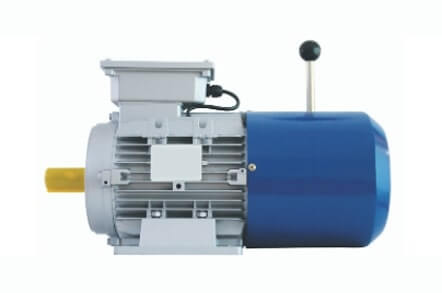
Can AC motors be used in both residential and commercial settings?
Yes, AC motors can be used in both residential and commercial settings. The versatility and wide range of applications of AC motors make them suitable for various environments and purposes.
In residential settings, AC motors are commonly found in household appliances such as refrigerators, air conditioners, washing machines, fans, and pumps. These motors are designed to meet the specific requirements of residential applications, providing reliable and efficient operation for everyday tasks. For example, air conditioners utilize AC motors to drive the compressor and fan, while washing machines use AC motors for agitating and spinning the drum.
In commercial settings, AC motors are extensively used in a wide range of applications across different industries. They power machinery, equipment, and systems that are crucial for commercial operations. Some common examples include:
- Industrial machinery and manufacturing equipment: AC motors drive conveyor belts, pumps, compressors, mixers, fans, blowers, and other machinery used in manufacturing, production, and processing facilities.
- HVAC systems: AC motors are used in commercial heating, ventilation, and air conditioning (HVAC) systems to drive fans, blowers, and pumps for air circulation, cooling, and heating.
- Commercial refrigeration: AC motors are utilized in commercial refrigeration systems for powering compressors, condenser fans, and evaporator fans in supermarkets, restaurants, and cold storage facilities.
- Office equipment: AC motors are present in various office equipment such as printers, photocopiers, scanners, and ventilation systems, ensuring their proper functioning.
- Transportation: AC motors are used in electric vehicles, trams, trains, and other forms of electric transportation systems, providing the necessary propulsion.
- Water and wastewater treatment: AC motors power pumps, mixers, and blowers in water treatment plants, wastewater treatment plants, and pumping stations.
The adaptability, efficiency, and controllability of AC motors make them suitable for a wide range of residential and commercial applications. Whether it’s powering household appliances or driving industrial machinery, AC motors play a vital role in meeting the diverse needs of both residential and commercial settings.
Are there energy-saving technologies or features available in modern AC motors?
Yes, modern AC motors often incorporate various energy-saving technologies and features designed to improve their efficiency and reduce power consumption. These advancements aim to minimize energy losses and optimize motor performance. Here are some energy-saving technologies and features commonly found in modern AC motors:
- High-Efficiency Designs: Modern AC motors are often designed with higher efficiency standards compared to older models. These motors are built using advanced materials and optimized designs to reduce energy losses, such as resistive losses in motor windings and mechanical losses due to friction and drag. High-efficiency motors can achieve energy savings by converting a higher percentage of electrical input power into useful mechanical work.
- Premium Efficiency Standards: International standards and regulations, such as the NEMA Premium® and IE (International Efficiency) classifications, define minimum energy efficiency requirements for AC motors. Premium efficiency motors meet or exceed these standards, offering improved efficiency compared to standard motors. These motors often incorporate design enhancements, such as improved core materials, reduced winding resistance, and optimized ventilation systems, to achieve higher efficiency levels.
- Variable Frequency Drives (VFDs): VFDs, also known as adjustable speed drives or inverters, are control devices that allow AC motors to operate at variable speeds by adjusting the frequency and voltage of the electrical power supplied to the motor. By matching the motor speed to the load requirements, VFDs can significantly reduce energy consumption. VFDs are particularly effective in applications where the motor operates at a partial load for extended periods, such as HVAC systems, pumps, and fans.
- Efficient Motor Control Algorithms: Modern motor control algorithms, implemented in motor drives or control systems, optimize motor operation for improved energy efficiency. These algorithms dynamically adjust motor parameters, such as voltage, frequency, and current, based on load conditions, thereby minimizing energy wastage. Advanced control techniques, such as sensorless vector control or field-oriented control, enhance motor performance and efficiency by precisely regulating the motor’s magnetic field.
- Improved Cooling and Ventilation: Effective cooling and ventilation are crucial for maintaining motor efficiency. Modern AC motors often feature enhanced cooling systems, including improved fan designs, better airflow management, and optimized ventilation paths. Efficient cooling helps prevent motor overheating and reduces losses due to heat dissipation. Some motors also incorporate thermal monitoring and protection mechanisms to avoid excessive temperatures and ensure optimal operating conditions.
- Bearings and Friction Reduction: Friction losses in bearings and mechanical components can consume significant amounts of energy in AC motors. Modern motors employ advanced bearing technologies, such as sealed or lubrication-free bearings, to reduce friction and minimize energy losses. Additionally, optimized rotor and stator designs, along with improved manufacturing techniques, help reduce mechanical losses and enhance motor efficiency.
- Power Factor Correction: Power factor is a measure of how effectively electrical power is being utilized. AC motors with poor power factor can contribute to increased reactive power consumption and lower overall power system efficiency. Power factor correction techniques, such as capacitor banks or power factor correction controllers, are often employed to improve power factor and minimize reactive power losses, resulting in more efficient motor operation.
By incorporating these energy-saving technologies and features, modern AC motors can achieve significant improvements in energy efficiency, leading to reduced power consumption and lower operating costs. When considering the use of AC motors, it is advisable to select models that meet or exceed recognized efficiency standards and consult manufacturers or experts to ensure the motor’s compatibility with specific applications and energy-saving requirements.
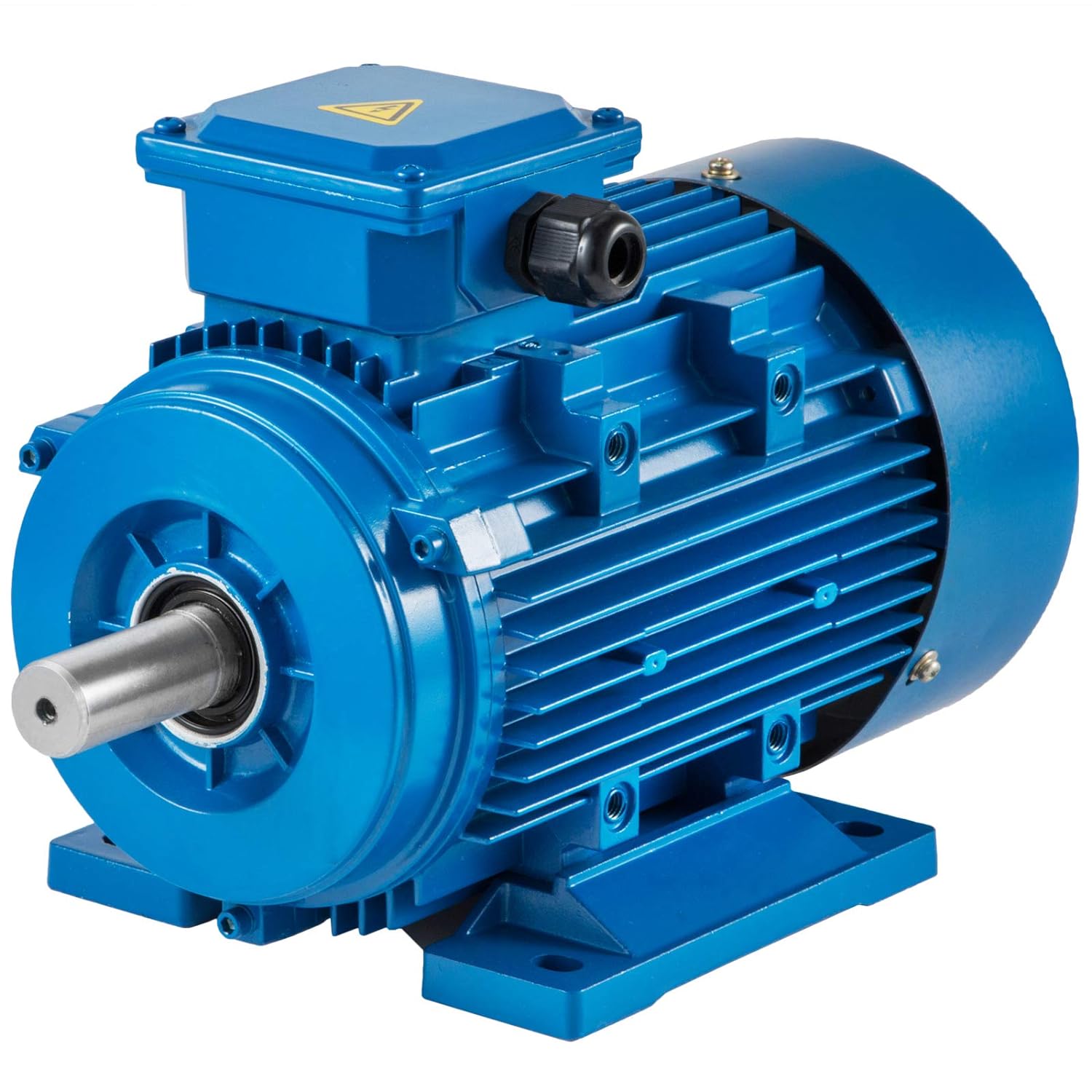
Are there different types of AC motors, and what are their specific applications?
Yes, there are different types of AC motors, each with its own design, characteristics, and applications. The main types of AC motors include:
- Induction Motors: Induction motors are the most commonly used type of AC motor. They are robust, reliable, and suitable for a wide range of applications. Induction motors operate based on the principle of electromagnetic induction. They consist of a stator with stator windings and a rotor with short-circuited conductive bars or coils. The rotating magnetic field produced by the stator windings induces currents in the rotor, creating a magnetic field that interacts with the stator field and generates torque. Induction motors are widely used in industries such as manufacturing, HVAC systems, pumps, fans, compressors, and conveyor systems.
- Synchronous Motors: Synchronous motors are another type of AC motor commonly used in applications that require precise speed control. They operate at synchronous speed, which is determined by the frequency of the AC power supply and the number of motor poles. Synchronous motors have a rotor with electromagnets that are magnetized by direct current, allowing the rotor to lock onto the rotating magnetic field of the stator and rotate at the same speed. Synchronous motors are often used in applications such as industrial machinery, generators, compressors, and large HVAC systems.
- Brushless DC Motors: While the name suggests “DC,” brushless DC motors are actually driven by AC power. They utilize electronic commutation instead of mechanical brushes for switching the current in the motor windings. Brushless DC motors offer high efficiency, low maintenance, and precise control over speed and torque. They are commonly used in applications such as electric vehicles, robotics, computer disk drives, aerospace systems, and consumer electronics.
- Universal Motors: Universal motors are versatile motors that can operate on both AC and DC power. They are designed with a wound stator and a commutator rotor. Universal motors offer high starting torque and can achieve high speeds. They are commonly used in applications such as portable power tools, vacuum cleaners, food mixers, and small appliances.
- Shaded Pole Motors: Shaded pole motors are simple and inexpensive AC motors. They have a single-phase stator and a squirrel cage rotor. Shaded pole motors are characterized by low starting torque and relatively low efficiency. Due to their simple design and low cost, they are commonly used in applications such as small fans, refrigeration equipment, and appliances.
These are some of the main types of AC motors, each with its unique features and applications. The selection of an AC motor type depends on factors such as the required torque, speed control requirements, efficiency, cost, and environmental conditions. Understanding the specific characteristics and applications of each type allows for choosing the most suitable motor for a given application.


editor by CX 2024-05-14


