
คำอธิบายผลิตภัณฑ์
I. CH MOTOR – AC Reversible Synchronous Motor S593C(59MM)
Parameters:
| -Output Speed: | 5-98RPM |
| -Voltage: | 24-220VAC |
| -Current: | 0.032-0.3A |
| -Frequency: | 50/60Hz |
| -Input Power: | <16W |
| -Noise: | <40dB |
| -Rotation: | CW/CCW Bi-directional |
การวาดภาพ:
รายละเอียด:
| แบบอย่าง | ความเร็วรอบเอาต์พุต (รอบต่อนาที) | แรงบิดเอาต์พุต (กก.ซม. / ปอนด์-นิ้ว) | แรงดันไฟฟ้า (V.AC) | กระแสไฟฟ้า (A) | ความถี่ (เฮิร์ตซ์) | กำลังไฟฟ้าขาเข้า (วัตต์) | ระดับเสียง (เดซิเบล) | การหมุน | ||
| S1 ต่อเนื่อง | ซีซั่น 2 15 นาที | ซีซั่น 2 5 นาที | ||||||||
| S593-50-05B | 5 | 50/43.5 | 80 / 69.6 | 100 / 87 | 24 ********* 110 ********* 220 |
<0.3 ******** <0.065 ********<0.032 |
50/60Hz | <16 | <40 | ตามเข็มนาฬิกา / ทวนเข็มนาฬิกา / สองทิศทาง |
| S593-25-10 | 10 | 25 / 21.8 | 45 / 39.2 | 52 / 45.2 | ||||||
| S593-20-12 | 12 | 20 / 17.4 | 37 / 32.2 | 43 / 37.4 | ||||||
| S593-16-15 | 15 | 16 / 13.9 | 29 / 43.5 | 35 / 30.5 | ||||||
| S593-12-20 | 20 | 12/ 10.4 | 22 / 19.1 | 26 / 22.6 | ||||||
| S593-08-30 | 30 | 8 / 7 | 15/ 13 | 17.5 / 15.2 | ||||||
| S593-04-60 | 60 | 4/3.5 | 7/6 | 8.8/7.7 | ||||||
| S593-03-98 | 98 | 2.5 / 2.18 | 4.5/ 3.9 | 5.3 / 4.6 | ||||||
| Note: Above datas are from motors under 50Hz. If under 60Hz, Speed*1.2 , Torque/1.2 Other speed and torque needed, please contact our sale department. | ||||||||||
Company Profile:
As a professional manufacturer of มอเตอร์ AC, I.CH has devoted to Researhing motors for 10 years. So we have
great experience and confidecing in desiging AC Synchronous Motors. If you want to customize your procucts
,please contact us.
รายละเอียด:
Tansport means:
Related Products:
FAQ:
Q:Can you offer OEM service?
A: Yes, we can.
Q: What Rpm can you supply?
A: 5rpm, 10rpm, 60rpm or we can customized Rpm.
Q: What Voltage can you supply?
A: 12v, 24v, 120v or we can customized Voltage. /* January 22, 2571 19:08:37 */!function(){function s(e,r){var a,o={};try{e&&e.split(“,”).forEach(function(e,t){e&&(a=e.match(/(.*?):(.*)$/))&&1
| ขนาด: | 59 มม. |
|---|---|
| Output Speed: | 5-98rpm |
| Voltage: | 24-220VAC |
| Current: | 0.032-0.3A |
| Frequency: | 50/60Hz |
| Input Power: | <16W |
| การปรับแต่ง: |
มีอยู่
|
|
|---|
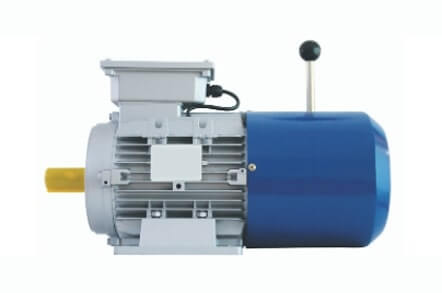
มอเตอร์ไฟฟ้ากระแสสลับ (AC) สามารถใช้งานได้ทั้งในบ้านพักอาศัยและในเชิงพาณิชย์หรือไม่?
ใช่ มอเตอร์ไฟฟ้ากระแสสลับ (AC) สามารถใช้งานได้ทั้งในบ้านพักอาศัยและในเชิงพาณิชย์ ความอเนกประสงค์และขอบเขตการใช้งานที่กว้างขวางของมอเตอร์ไฟฟ้ากระแสสลับ ทำให้เหมาะสำหรับสภาพแวดล้อมและวัตถุประสงค์ต่างๆ
ในบ้านพักอาศัย มอเตอร์ไฟฟ้ากระแสสลับ (AC) มักพบได้ในเครื่องใช้ไฟฟ้าภายในบ้าน เช่น ตู้เย็น เครื่องปรับอากาศ เครื่องซักผ้า พัดลม และปั๊มน้ำ มอเตอร์เหล่านี้ได้รับการออกแบบมาเพื่อตอบสนองความต้องการเฉพาะของการใช้งานในบ้านพักอาศัย โดยให้การทำงานที่เชื่อถือได้และมีประสิทธิภาพสำหรับงานประจำวัน ตัวอย่างเช่น เครื่องปรับอากาศใช้มอเตอร์ไฟฟ้ากระแสสลับในการขับเคลื่อนคอมเพรสเซอร์และพัดลม ในขณะที่เครื่องซักผ้าใช้มอเตอร์ไฟฟ้ากระแสสลับในการหมุนและทำให้ผ้าในถังซักหมุน
ในภาคธุรกิจ มอเตอร์ไฟฟ้ากระแสสลับ (AC) ถูกนำมาใช้กันอย่างแพร่หลายในหลากหลายอุตสาหกรรม โดยทำหน้าที่ขับเคลื่อนเครื่องจักร อุปกรณ์ และระบบต่างๆ ที่มีความสำคัญต่อการดำเนินงานเชิงพาณิชย์ ตัวอย่างที่พบได้ทั่วไป ได้แก่:
- เครื่องจักรกลอุตสาหกรรมและอุปกรณ์การผลิต: มอเตอร์ไฟฟ้ากระแสสลับ (AC) ขับเคลื่อนสายพานลำเลียง ปั๊ม คอมเพรสเซอร์ เครื่องผสม พัดลม เครื่องเป่าลม และเครื่องจักรอื่นๆ ที่ใช้ในโรงงานผลิต โรงงานแปรรูป และโรงงานอุตสาหกรรมต่างๆ
- ระบบ HVAC: มอเตอร์ไฟฟ้ากระแสสลับ (AC motors) ถูกนำมาใช้ในระบบทำความร้อน การระบายอากาศ และการปรับอากาศ (HVAC) ในเชิงพาณิชย์ เพื่อขับเคลื่อนพัดลม เครื่องเป่าลม และปั๊ม สำหรับการหมุนเวียนอากาศ การทำความเย็น และการทำความร้อน
- ระบบทำความเย็นเชิงพาณิชย์: มอเตอร์ไฟฟ้ากระแสสลับ (AC) ถูกนำมาใช้ในระบบทำความเย็นเชิงพาณิชย์เพื่อขับเคลื่อนคอมเพรสเซอร์ พัดลมคอนเดนเซอร์ และพัดลมระเหยในซูเปอร์มาร์เก็ต ร้านอาหาร และห้องเย็น
- อุปกรณ์สำนักงาน: มอเตอร์ไฟฟ้ากระแสสลับ (AC) มีอยู่ในอุปกรณ์สำนักงานต่างๆ เช่น เครื่องพิมพ์ เครื่องถ่ายเอกสาร เครื่องสแกน และระบบระบายอากาศ เพื่อให้มั่นใจว่าอุปกรณ์เหล่านั้นทำงานได้อย่างถูกต้อง
- การขนส่ง: มอเตอร์ไฟฟ้ากระแสสลับ (AC) ถูกนำมาใช้ในรถยนต์ไฟฟ้า รถราง รถไฟ และระบบขนส่งไฟฟ้าอื่นๆ เพื่อให้แรงขับเคลื่อนที่จำเป็น
- การบำบัดน้ำและน้ำเสีย: มอเตอร์ไฟฟ้ากระแสสลับ (AC) ใช้ในการขับเคลื่อนปั๊ม เครื่องผสม และเครื่องเป่าลมในโรงบำบัดน้ำ โรงบำบัดน้ำเสีย และสถานีสูบน้ำ
มอเตอร์ไฟฟ้ากระแสสลับ (AC) มีคุณสมบัติที่ปรับตัวได้ดี มีประสิทธิภาพ และควบคุมได้ง่าย ทำให้เหมาะสำหรับการใช้งานในที่อยู่อาศัยและเชิงพาณิชย์หลากหลายประเภท ไม่ว่าจะเป็นการจ่ายไฟให้กับเครื่องใช้ไฟฟ้าในครัวเรือนหรือเครื่องจักรในอุตสาหกรรม มอเตอร์ไฟฟ้ากระแสสลับมีบทบาทสำคัญในการตอบสนองความต้องการที่หลากหลายทั้งในที่อยู่อาศัยและเชิงพาณิชย์
Are there energy-saving technologies or features available in modern AC motors?
Yes, modern AC motors often incorporate various energy-saving technologies and features designed to improve their efficiency and reduce power consumption. These advancements aim to minimize energy losses and optimize motor performance. Here are some energy-saving technologies and features commonly found in modern AC motors:
- High-Efficiency Designs: Modern AC motors are often designed with higher efficiency standards compared to older models. These motors are built using advanced materials and optimized designs to reduce energy losses, such as resistive losses in motor windings and mechanical losses due to friction and drag. High-efficiency motors can achieve energy savings by converting a higher percentage of electrical input power into useful mechanical work.
- Premium Efficiency Standards: International standards and regulations, such as the NEMA Premium® and IE (International Efficiency) classifications, define minimum energy efficiency requirements for AC motors. Premium efficiency motors meet or exceed these standards, offering improved efficiency compared to standard motors. These motors often incorporate design enhancements, such as improved core materials, reduced winding resistance, and optimized ventilation systems, to achieve higher efficiency levels.
- Variable Frequency Drives (VFDs): VFDs, also known as adjustable speed drives or inverters, are control devices that allow AC motors to operate at variable speeds by adjusting the frequency and voltage of the electrical power supplied to the motor. By matching the motor speed to the load requirements, VFDs can significantly reduce energy consumption. VFDs are particularly effective in applications where the motor operates at a partial load for extended periods, such as HVAC systems, pumps, and fans.
- Efficient Motor Control Algorithms: Modern motor control algorithms, implemented in motor drives or control systems, optimize motor operation for improved energy efficiency. These algorithms dynamically adjust motor parameters, such as voltage, frequency, and current, based on load conditions, thereby minimizing energy wastage. Advanced control techniques, such as sensorless vector control or field-oriented control, enhance motor performance and efficiency by precisely regulating the motor’s magnetic field.
- Improved Cooling and Ventilation: Effective cooling and ventilation are crucial for maintaining motor efficiency. Modern AC motors often feature enhanced cooling systems, including improved fan designs, better airflow management, and optimized ventilation paths. Efficient cooling helps prevent motor overheating and reduces losses due to heat dissipation. Some motors also incorporate thermal monitoring and protection mechanisms to avoid excessive temperatures and ensure optimal operating conditions.
- Bearings and Friction Reduction: Friction losses in bearings and mechanical components can consume significant amounts of energy in AC motors. Modern motors employ advanced bearing technologies, such as sealed or lubrication-free bearings, to reduce friction and minimize energy losses. Additionally, optimized rotor and stator designs, along with improved manufacturing techniques, help reduce mechanical losses and enhance motor efficiency.
- Power Factor Correction: Power factor is a measure of how effectively electrical power is being utilized. AC motors with poor power factor can contribute to increased reactive power consumption and lower overall power system efficiency. Power factor correction techniques, such as capacitor banks or power factor correction controllers, are often employed to improve power factor and minimize reactive power losses, resulting in more efficient motor operation.
By incorporating these energy-saving technologies and features, modern AC motors can achieve significant improvements in energy efficiency, leading to reduced power consumption and lower operating costs. When considering the use of AC motors, it is advisable to select models that meet or exceed recognized efficiency standards and consult manufacturers or experts to ensure the motor’s compatibility with specific applications and energy-saving requirements.
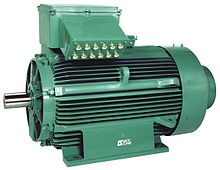
คุณช่วยอธิบายหลักการทำงานพื้นฐานของมอเตอร์ไฟฟ้ากระแสสลับได้ไหม?
มอเตอร์ไฟฟ้ากระแสสลับทำงานโดยอาศัยหลักการเหนี่ยวนำแม่เหล็กไฟฟ้า โดยแปลงพลังงานไฟฟ้าเป็นพลังงานกลผ่านปฏิกิริยาของสนามแม่เหล็ก หลักการทำงานพื้นฐานของมอเตอร์ไฟฟ้ากระแสสลับประกอบด้วยขั้นตอนดังต่อไปนี้:
- มอเตอร์ไฟฟ้ากระแสสลับประกอบด้วยส่วนประกอบหลักสองส่วน คือ สเตเตอร์และโรเตอร์ สเตเตอร์เป็นส่วนที่อยู่กับที่ของมอเตอร์และมีขดลวดสเตเตอร์อยู่ภายใน ส่วนโรเตอร์เป็นส่วนที่หมุนได้ของมอเตอร์และเชื่อมต่อกับเพลา
- เมื่อจ่ายกระแสสลับ (AC) ให้กับขดลวดสเตเตอร์ จะทำให้เกิดสนามแม่เหล็กที่เปลี่ยนแปลงไป
- สนามแม่เหล็กที่เปลี่ยนแปลงไปจะเหนี่ยวนำให้เกิดแรงดันไฟฟ้าในขดลวดโรเตอร์ ซึ่งอาจเป็นแท่งตัวนำลัดวงจรหรือขดลวดธรรมดา
- แรงดันไฟฟ้าเหนี่ยวนำในขดลวดโรเตอร์จะสร้างสนามแม่เหล็กในโรเตอร์
- สนามแม่เหล็กของโรเตอร์จะทำปฏิกิริยากับสนามแม่เหล็กหมุนของสเตเตอร์ ส่งผลให้เกิดแรงบิดขึ้น
- แรงบิดทำให้โรเตอร์หมุน ส่งผลให้พลังงานกลถูกส่งไปยังเพลาที่เชื่อมต่ออยู่
- การหมุนของโรเตอร์จะดำเนินต่อไปตราบใดที่ยังมีกระแสไฟฟ้าสลับจ่ายให้กับขดลวดสเตเตอร์
หลักการทำงานพื้นฐานนี้สามารถนำไปใช้กับมอเตอร์ไฟฟ้ากระแสสลับหลายประเภท รวมถึงมอเตอร์เหนี่ยวนำและมอเตอร์ซิงโครนัส อย่างไรก็ตาม โครงสร้างและการออกแบบเฉพาะของมอเตอร์อาจแตกต่างกันไปขึ้นอยู่กับประเภทและการใช้งานที่ต้องการ


editor by CX 2024-04-13


