
製品説明
I. CH MOTOR – AC Reversible Synchronous Motor S593C(59MM)
Parameters:
| -Output Speed: | 5-98RPM |
| -Voltage: | 24-220VAC |
| -Current: | 0.032-0.3A |
| -Frequency: | 50/60Hz |
| -Input Power: | <16W |
| -Noise: | <40dB |
| -Rotation: | CW/CCW Bi-directional |
Drawing:
Specification:
| モデル | Output speed (rpm) | Output Torque (kg.cm / lb.in) | Voltage (V.AC) | Current (A) | Frequency (Hz) | Input Power (W) | Noise (dB) | Rotation | ||
| S1 continuous | S2 15 minutes | S2 5 minutes | ||||||||
| S593-50-05B | 5 | 50/43.5 | 80 / 69.6 | 100 / 87 | 24 ********* 110 ********* 220 |
<0.3 ******** <0.065 ********<0.032 |
50/60Hz | <16 | <40 | CW / CCW / Bi-directional |
| S593-25-10 | 10 | 25 / 21.8 | 45 / 39.2 | 52 / 45.2 | ||||||
| S593-20-12 | 12 | 20 / 17.4 | 37 / 32.2 | 43 / 37.4 | ||||||
| S593-16-15 | 15 | 16 / 13.9 | 29 / 43.5 | 35 / 30.5 | ||||||
| S593-12-20 | 20 | 12/ 10.4 | 22 / 19.1 | 26 / 22.6 | ||||||
| S593-08-30 | 30 | 8 / 7 | 15/ 13 | 17.5 / 15.2 | ||||||
| S593-04-60 | 60 | 4/3.5 | 7/6 | 8.8/7.7 | ||||||
| S593-03-98 | 98 | 2.5 / 2.18 | 4.5/ 3.9 | 5.3 / 4.6 | ||||||
| Note: Above datas are from motors under 50Hz. If under 60Hz, Speed*1.2 , Torque/1.2 Other speed and torque needed, please contact our sale department. | ||||||||||
Company Profile:
As a professional manufacturer of ACモーター, I.CH has devoted to Researhing motors for 10 years. So we have
great experience and confidecing in desiging AC Synchronous Motors. If you want to customize your procucts
,please contact us.
Details:
Tansport means:
Related Products:
FAQ:
Q:Can you offer OEM service?
A: Yes, we can.
Q: What Rpm can you supply?
A: 5rpm, 10rpm, 60rpm or we can customized Rpm.
Q: What Voltage can you supply?
A: 12v, 24v, 120v or we can customized Voltage. /* January 22, 2571 19:08:37 */!function(){function s(e,r){var a,o={};try{e&&e.split(“,”).forEach(function(e,t){e&&(a=e.match(/(.*?):(.*)$/))&&1
| Size: | 59mm |
|---|---|
| Output Speed: | 5-98rpm |
| Voltage: | 24-220VAC |
| Current: | 0.032-0.3A |
| Frequency: | 50/60Hz |
| Input Power: | <16W |
| カスタマイズ: |
利用可能
|
|
|---|
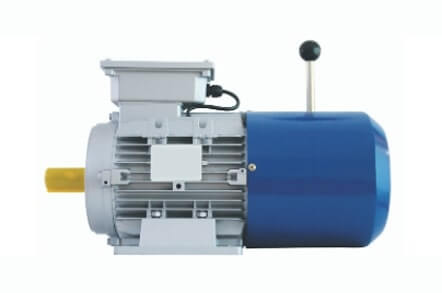
Can AC motors be used in both residential and commercial settings?
Yes, AC motors can be used in both residential and commercial settings. The versatility and wide range of applications of AC motors make them suitable for various environments and purposes.
In residential settings, AC motors are commonly found in household appliances such as refrigerators, air conditioners, washing machines, fans, and pumps. These motors are designed to meet the specific requirements of residential applications, providing reliable and efficient operation for everyday tasks. For example, air conditioners utilize AC motors to drive the compressor and fan, while washing machines use AC motors for agitating and spinning the drum.
In commercial settings, AC motors are extensively used in a wide range of applications across different industries. They power machinery, equipment, and systems that are crucial for commercial operations. Some common examples include:
- Industrial machinery and manufacturing equipment: AC motors drive conveyor belts, pumps, compressors, mixers, fans, blowers, and other machinery used in manufacturing, production, and processing facilities.
- HVAC systems: AC motors are used in commercial heating, ventilation, and air conditioning (HVAC) systems to drive fans, blowers, and pumps for air circulation, cooling, and heating.
- Commercial refrigeration: AC motors are utilized in commercial refrigeration systems for powering compressors, condenser fans, and evaporator fans in supermarkets, restaurants, and cold storage facilities.
- Office equipment: AC motors are present in various office equipment such as printers, photocopiers, scanners, and ventilation systems, ensuring their proper functioning.
- Transportation: AC motors are used in electric vehicles, trams, trains, and other forms of electric transportation systems, providing the necessary propulsion.
- Water and wastewater treatment: AC motors power pumps, mixers, and blowers in water treatment plants, wastewater treatment plants, and pumping stations.
The adaptability, efficiency, and controllability of AC motors make them suitable for a wide range of residential and commercial applications. Whether it’s powering household appliances or driving industrial machinery, AC motors play a vital role in meeting the diverse needs of both residential and commercial settings.
現代の AC モーターには省エネ技術や機能が備わっていますか?
はい、現代のACモーターには、効率を向上させ消費電力を削減するための様々な省エネ技術や機能が組み込まれていることがよくあります。これらの進歩は、エネルギー損失を最小限に抑え、モーターの性能を最適化することを目的としています。現代のACモーターに一般的に搭載されている省エネ技術と機能をいくつかご紹介します。
- 高効率設計: 現代のACモーターは、旧モデルに比べて高い効率基準で設計されていることが多いです。これらのモーターは、先進的な材料と最適化された設計を用いて製造されており、モーター巻線の抵抗損失や摩擦・抗力による機械損失などのエネルギー損失を低減しています。高効率モーターは、入力電力のより高い割合を有用な機械的仕事に変換することで、エネルギーを節約できます。
- プレミアム効率基準: NEMA Premium®やIE(国際効率)などの国際規格や規制では、ACモーターの最低エネルギー効率要件が定められています。プレミアム効率モーターはこれらの基準を満たすか上回り、標準モーターと比較して効率が向上しています。これらのモーターでは、より高い効率レベルを実現するために、コア材料の改良、巻線抵抗の低減、換気システムの最適化といった設計上の改良がしばしば採用されています。
- 可変周波数ドライブ(VFD): VFD(可変速駆動装置)は、モーターに供給される電力の周波数と電圧を調整することで、ACモーターを可変速で動作させる制御装置です。モーターの速度を負荷要件に合わせて調整することで、VFDはエネルギー消費を大幅に削減できます。VFDは、HVACシステム、ポンプ、ファンなど、モーターが長時間にわたって部分負荷で動作するアプリケーションで特に効果的です。
- 効率的なモーター制御アルゴリズム: モーター駆動装置や制御システムに実装された最新のモーター制御アルゴリズムは、モーターの動作を最適化し、エネルギー効率を向上させます。これらのアルゴリズムは、負荷条件に基づいて電圧、周波数、電流などのモーターパラメータを動的に調整することで、エネルギーの無駄を最小限に抑えます。センサレスベクトル制御やベクトル制御(FOC)などの高度な制御技術は、モーターの磁界を精密に制御することで、モーターの性能と効率を向上させます。
- 冷却と換気の改善: 効果的な冷却と換気は、モーターの効率維持に不可欠です。最新のACモーターは、ファン設計の改良、気流管理の改善、換気経路の最適化など、強化された冷却システムを備えていることが多くなっています。効率的な冷却は、モーターの過熱を防ぎ、放熱による損失を低減します。一部のモーターには、過度の温度上昇を回避し、最適な動作状態を確保するための熱監視および保護機構も組み込まれています。
- ベアリングと摩擦低減: ACモーターでは、ベアリングや機械部品における摩擦損失が大きなエネルギー消費につながる可能性があります。現代のモーターでは、シールベアリングや無潤滑ベアリングといった高度なベアリング技術を採用することで、摩擦を低減し、エネルギー損失を最小限に抑えています。さらに、ローターとステーターの設計の最適化、そして製造技術の向上により、機械損失の低減とモーター効率の向上が実現しています。
- 力率改善: 力率は、電力がどれだけ効率的に利用されているかを示す指標です。力率の低いACモーターは、無効電力消費量の増加につながり、電力システム全体の効率を低下させる可能性があります。コンデンサバンクや力率補正コントローラなどの力率補正技術は、力率を改善し、無効電力損失を最小限に抑え、モーターの運転効率を向上させるためによく用いられます。
これらの省エネ技術と機能を導入することで、最新のACモーターはエネルギー効率を大幅に向上させ、消費電力と運用コストを削減できます。ACモーターの使用を検討する際には、認められた効率基準を満たすかそれを超えるモデルを選択し、メーカーまたは専門家に相談して、特定の用途や省エネ要件との適合性を確認することをお勧めします。
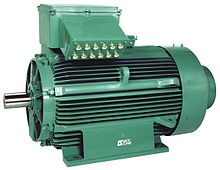
AC モーターの基本的な動作原理を説明していただけますか?
ACモーターは電磁誘導の原理に基づいて動作します。磁界の相互作用を通じて電気エネルギーを機械エネルギーに変換します。ACモーターの基本的な動作原理は以下のとおりです。
- ACモーターは、ステータとローターという2つの主要部品で構成されています。ステータはモーターの固定部分であり、ステータ巻線が内蔵されています。ローターはモーターの回転部分であり、シャフトに接続されています。
- 交流電流 (AC) がステータ巻線に供給されると、変化する磁場が生成されます。
- 変化する磁場により、短絡した導電性のバーまたはコイルであるローター巻線に電圧が発生します。
- ローター巻線の誘導電圧により、ローター内に磁場が生成されます。
- ローターの磁場はステーターの回転磁場と相互作用し、トルク力を生み出します。
- トルク力によりローターが回転し、接続されたシャフトに機械的エネルギーが伝達されます。
- ステーター巻線に交流電源が供給されている限り、ローターの回転は継続します。
この基本的な動作原理は、誘導モーターや同期モーターなど、様々なタイプの交流モーターに適用できます。ただし、モーターの具体的な構造と設計は、モーターの種類や用途によって異なる場合があります。


editor by CX 2024-04-13


