
Opis produktu
Opis produktu
High voltage electric motor series adopts foreign advanced technology, combined with the company’s own practical experience in producing high voltage motor designed and manufactured. HangZhoustone’s high-voltage motors meet the relevant standards of the International Electrotechnical Commission (IEC), its rated frequency is 50Hz, rated voltage is 3KV, 6KV, 10KV, we can also manufacture 60Hz and other voltage high-voltage motors according to customer requirements.
Introduction of the Cooling method of the different high voltage motor series:
| Model | Cooling | IP Grade | Cooling Structure |
| Y,YX,YR | Open IC01 | IP23 | Ventilator hood on top Without ventilator on top but ventilation opening on housing side |
| YKS,YRKS | Air/water cooling, enclosed IC81W | IP44/IP54 | Air /water cooler on housing top |
| YKK,YXKK | Air/air cooling, enclosed IC611 | IP44/IP54 | Air /water cooler on housing top |
| YRKK | Air/air cooling, enclosed IC611 | IP44/IP54 | Air /water cooler on housing top |
Structure of High Voltage Motor
1.High volatge motor adopts box structure, and the base is welded into a box by steel plate, which is light in weight and good in stiffness.
2.The stator adopts an external press mounting structure. The stator winding adopts Class F insulating materials and corona resistant materials. The winding end is fixed using a special binding process, which is firm and reliable. The entire stator is treated by vacuum pressure impregnation without solvent paint. The motor has excellent and reliable insulation performance, good mechanical strength, and strong moisture resistance.
3.The squirrel cage rotor has 2 structures: cast aluminum and copper bar, which are manufactured by advanced and reliable cast aluminum process or welding process.
4.The wound rotor is made of Class F insulating material, which is treated by vacuum pressure impregnation and non solvent paint process, and has undergone accurate dynamic balance verification.
5.The bearings have 2 types, rolling bearings and sliding bearings. What type is adopted depends on electric motor power and speed. Its protection degree is either IP44 or IP54.
6.The electric motors with rolling bearings have greasing and discharging device, which enable no-stop operation. Special greasingtools are equipped.
7.The terminal box is a sealed structure, generally installed on the right side of the motor, and can also be customized according to user requirements.
/* 22 stycznia 2571 19:08:37 */!function(){function s(e,r){var a,o={};try{e&&e.split(„”,).forEach(function(e,t){e&&(a=e.match(/(.*?):(.*)$/))&&1
| Application: | Industrial |
|---|---|
| Operating Speed: | Constant Speed |
| Number of Stator: | Three-Phase |
| Customization: |
Available
|
|
|---|
.shipping-cost-tm .tm-status-off{background: none;padding:0;color: #1470cc}
|
Shipping Cost:
Estimated freight per unit. |
about shipping cost and estimated delivery time. |
|---|
| Payment Method: |
|
|---|---|
|
Initial Payment Full Payment |
| Currency: | US$ |
|---|
| Return&refunds: | You can apply for a refund up to 30 days after receipt of the products. |
|---|
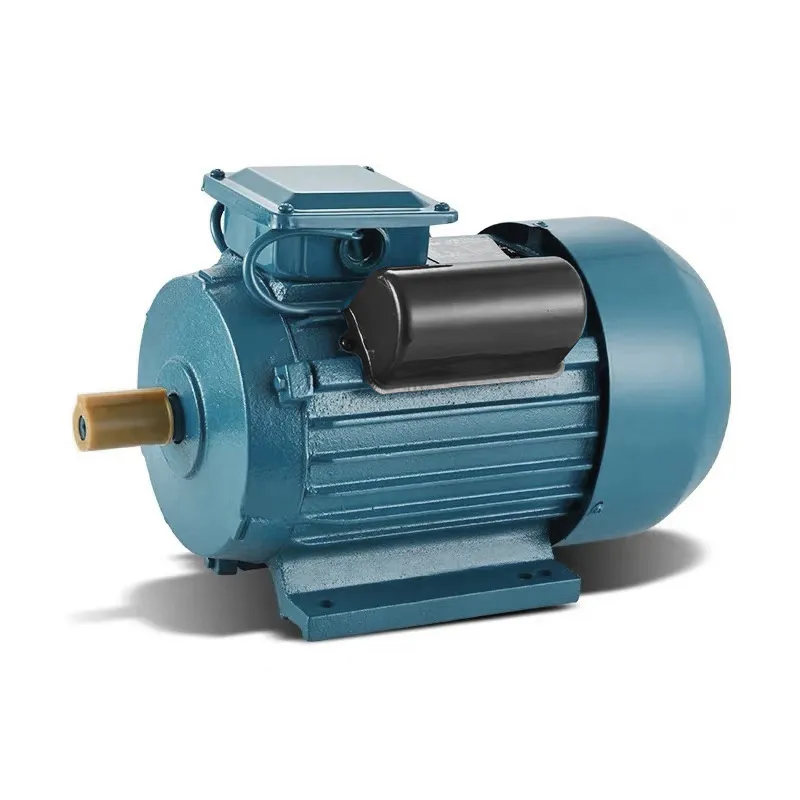
What factors should be considered when selecting an AC motor for a particular application?
When selecting an AC motor for a particular application, several factors need to be considered to ensure the motor meets the requirements and performs optimally. Here are the key factors to consider:
- Power Requirements: Determine the power requirements of the application, including the required torque and speed. The motor should have adequate power output to meet the demands of the specific task. Consider factors such as starting torque, running torque, and speed range to ensure the motor can handle the load effectively.
- Motor Type: There are different types of AC motors, including induction motors, synchronous motors, and brushless DC motors. Each type has its own characteristics and advantages. Consider the application’s requirements and factors such as speed control, efficiency, and starting torque to determine the most suitable motor type.
- Environmental Conditions: Assess the environmental conditions in which the motor will operate. Factors such as temperature, humidity, dust, and vibration levels can impact motor performance and longevity. Choose a motor that is designed to withstand the specific environmental conditions of the application.
- Size and Space Constraints: Consider the available space for motor installation. Ensure that the physical dimensions of the motor, including its length, diameter, and mounting arrangement, are compatible with the available space. Additionally, consider the weight of the motor if it needs to be mounted or transported.
- Efficiency: Energy efficiency is an important consideration, as it can impact operational costs and environmental sustainability. Look for motors with high efficiency ratings, which indicate that they convert electrical energy into mechanical energy with minimal energy loss. Energy-efficient motors can lead to cost savings and reduced environmental impact over the motor’s lifespan.
- Control and Speed Requirements: Determine if the application requires precise speed control or if a fixed speed motor is sufficient. If variable speed control is needed, consider motors that can be easily controlled using variable frequency drives (VFDs) or other speed control mechanisms. For applications that require high-speed operation, select a motor that can achieve the desired speed range.
- Maintenance and Serviceability: Assess the maintenance requirements and serviceability of the motor. Consider factors such as the accessibility of motor components, ease of maintenance, availability of spare parts, and the manufacturer’s reputation for reliability and customer support. A motor that is easy to maintain and service can help minimize downtime and repair costs.
- Budget: Consider the budget constraints for the motor selection. Balance the desired features and performance with the available budget. In some cases, investing in a higher quality, more efficient motor upfront can lead to long-term cost savings due to reduced energy consumption and maintenance requirements.
By carefully considering these factors, it is possible to select an AC motor that aligns with the specific requirements of the application, ensuring optimal performance, efficiency, and reliability.
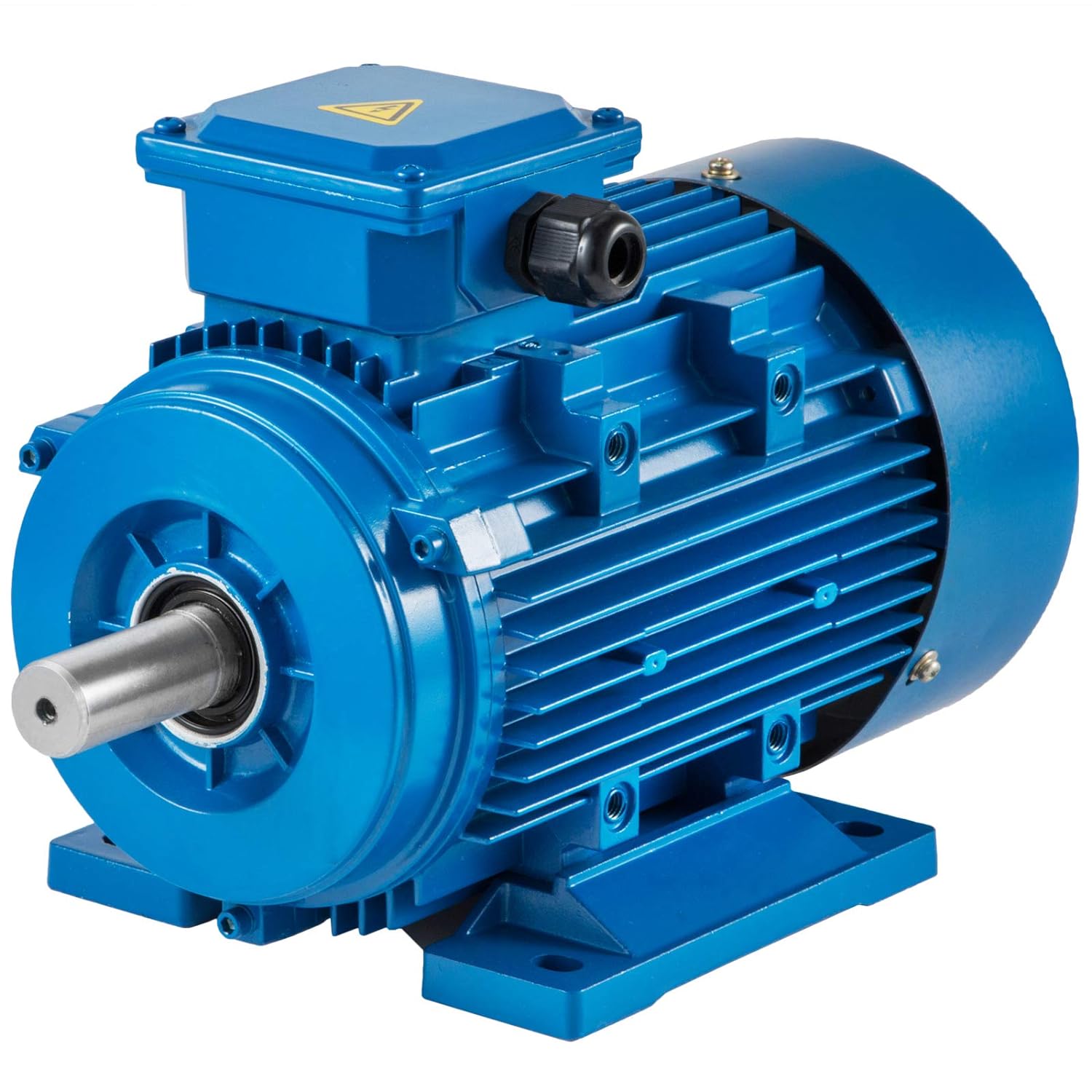
What are the safety considerations when working with or around AC motors?
Working with or around AC motors requires careful attention to safety to prevent accidents, injuries, and electrical hazards. Here are some important safety considerations to keep in mind:
- Electrical Hazards: AC motors operate on high voltage electrical systems, which pose a significant electrical hazard. It is essential to follow proper lockout/tagout procedures when working on motors to ensure that they are de-energized and cannot accidentally start up. Only qualified personnel should perform electrical work on motors, and they should use appropriate personal protective equipment (PPE), such as insulated gloves, safety glasses, and arc flash protection, to protect themselves from electrical shocks and arc flash incidents.
- Mechanical Hazards: AC motors often drive mechanical equipment, such as pumps, fans, or conveyors, which can present mechanical hazards. When working on or near motors, it is crucial to be aware of rotating parts, belts, pulleys, or couplings that can cause entanglement or crushing injuries. Guards and safety barriers should be in place to prevent accidental contact with moving parts, and proper machine guarding principles should be followed. Lockout/tagout procedures should also be applied to the associated mechanical equipment to ensure it is safely de-energized during maintenance or repair.
- Fire and Thermal Hazards: AC motors can generate heat during operation, and in some cases, excessive heat can pose a fire hazard. It is important to ensure that motors are adequately ventilated to dissipate heat and prevent overheating. Motor enclosures and cooling systems should be inspected regularly to ensure proper functioning. Additionally, combustible materials should be kept away from motors to reduce the risk of fire. If a motor shows signs of overheating or emits a burning smell, it should be immediately shut down and inspected by a qualified professional.
- Proper Installation and Grounding: AC motors should be installed and grounded correctly to ensure electrical safety. Motors should be installed according to manufacturer guidelines, including proper alignment, mounting, and connection of electrical cables. Adequate grounding is essential to prevent electrical shocks and ensure the safe dissipation of fault currents. Grounding conductors, such as grounding rods or grounding straps, should be properly installed and regularly inspected to maintain their integrity.
- Safe Handling and Lifting: AC motors can be heavy and require proper handling and lifting techniques to prevent musculoskeletal injuries. When moving or lifting motors, equipment such as cranes, hoists, or forklifts should be used, and personnel should be trained in safe lifting practices. It is important to avoid overexertion and use proper lifting tools, such as slings or lifting straps, to distribute the weight evenly and prevent strain or injury.
- Training and Awareness: Proper training and awareness are critical for working safely with or around AC motors. Workers should receive training on electrical safety, lockout/tagout procedures, personal protective equipment usage, and safe work practices. They should be familiar with the specific hazards associated with AC motors and understand the appropriate safety precautions to take. Regular safety meetings and reminders can help reinforce safe practices and keep safety at the forefront of everyone’s minds.
It is important to note that the safety considerations mentioned above are general guidelines. Specific safety requirements may vary depending on the motor size, voltage, and the specific workplace regulations and standards in place. It is crucial to consult relevant safety codes, regulations, and industry best practices to ensure compliance and maintain a safe working environment when working with or around AC motors.
Jakie są główne elementy silnika prądu przemiennego i jaki mają one wpływ na jego działanie?
Silnik prądu przemiennego składa się z kilku kluczowych komponentów, które współpracują ze sobą, aby ułatwić jego działanie. Należą do nich:
- Stojan: Stojan to nieruchoma część silnika prądu przemiennego. Zazwyczaj jest wykonany z laminowanego rdzenia, który zapewnia ścieżkę dla strumienia magnetycznego. Stojan zawiera uzwojenia stojana, czyli cewki z drutu nawinięte wokół rdzenia stojana. Uzwojenia stojana są podłączone do źródła zasilania prądem przemiennym i po zasileniu wytwarzają wirujące pole magnetyczne. Wirujące pole magnetyczne jest kluczowym elementem w generowaniu momentu obrotowego niezbędnego do pracy silnika.
- Wirnik: Wirnik to obracająca się część silnika prądu przemiennego. Znajduje się wewnątrz stojana i jest połączony z wałem. Wirnik może mieć różną konstrukcję, w zależności od rodzaju silnika prądu przemiennego. W silniku indukcyjnym wirnik nie posiada połączeń elektrycznych. Zamiast tego zawiera on przewodzące pręty lub cewki, które są zwarte. Obracające się pole magnetyczne stojana indukuje prądy w zwartych przewodach wirnika, tworząc pole magnetyczne, które oddziałuje z polem magnetycznym stojana i generuje moment obrotowy, powodując obrót wirnika. W silniku synchronicznym wirnik zawiera elektromagnesy, które są namagnesowywane prądem stałym, co pozwala wirnikowi zablokować się w obracającym się polu magnetycznym stojana i obracać się z tą samą prędkością.
- Łożysko: Łożyska służą do podtrzymywania i ułatwiania płynnego obrotu wału wirnika. Zmniejszają tarcie i umożliwiają swobodny obrót wirnika w silniku. Łożyska są zazwyczaj umieszczone na obu końcach wału silnika i są zaprojektowane tak, aby wytrzymywać siły osiowe i promieniowe generowane podczas pracy.
- Dzwonki końcowe: Dzwony końcowe, znane również jako pokrywy końcowe lub wsporniki końcowe, osłaniają zespół stojana i wirnika silnika. Zapewniają one mechaniczne wsparcie i ochronę wewnętrznych elementów silnika. Dzwony końcowe są zazwyczaj wykonane z metalu i służą do obudowy łożysk oraz mocowania silnika do konstrukcji montażowej.
- Wentylator lub układ chłodzenia: Silniki prądu przemiennego często generują ciepło podczas pracy. Aby zapobiec przegrzaniu i zapewnić prawidłowe funkcjonowanie, silniki prądu przemiennego są wyposażone w wentylatory lub układy chłodzenia. Pomagają one odprowadzać ciepło poprzez cyrkulację powietrza lub kierowanie jego strumienia na elementy silnika, w tym uzwojenia stojana i wirnika. Efektywne chłodzenie ma kluczowe znaczenie dla utrzymania sprawności silnika i wydłużenia jego żywotności.
- Skrzynka zaciskowa lub skrzynka przyłączeniowa: Skrzynka zaciskowa to obudowa umieszczona na zewnątrz silnika, która zapewnia dostęp do jego połączeń elektrycznych. Zawiera ona zaciski, czyli punkty przyłączeniowe, do których można podłączyć przewody zewnętrzne w celu zasilania silnika. Skrzynka zaciskowa zapewnia bezpieczne i solidne podłączenie silnika do instalacji elektrycznej.
- Dodatkowe komponenty: W zależności od konkretnej konstrukcji i zastosowania, silniki prądu przemiennego mogą zawierać dodatkowe elementy, takie jak kondensatory, wyłączniki odśrodkowe, szczotki (w niektórych typach silników prądu przemiennego) i inne urządzenia sterujące. Elementy te służą różnym celom, takim jak poprawa osiągów silnika, wspomaganie rozruchu lub realizacja określonych funkcji sterowania.
Każdy z tych komponentów odgrywa kluczową rolę w działaniu silnika prądu przemiennego. Stojan i wirnik to główne elementy odpowiedzialne za generowanie wirującego pola magnetycznego i przekształcanie energii elektrycznej w ruch mechaniczny. Łożyska zapewniają płynny obrót wału wirnika, a dzwony końcowe zapewniają wsparcie i ochronę konstrukcyjną. Wentylator lub układ chłodzenia pomaga utrzymać optymalną temperaturę pracy, a skrzynka zaciskowa umożliwia prawidłowe podłączenie elektryczne. W razie potrzeby montowane są dodatkowe komponenty, aby zwiększyć wydajność silnika i umożliwić realizację określonych funkcji.


editor by CX 2024-05-03


