
Opis produktu
XD series Washing Machine Motor
Motor Description:
1.Our motors performance(data) are per customers` requirments.
2.Motor wires are cooper and some could be used aluminium wire to save cost
3.Motors could be used ball bearing and oil bear(Sleeve bearing) both.
4.Insulation Class B
withstand voltage:1800V/S/0.5mA
Rotation:CW (view from the shaft side)
Noise<50dB
Interturn Isulation:>2100V
IP:00
Life span:>3800 Hours (continuous working).Normal use:10 years
Operation Temperature/Humidity Range:-40°C to +65°C, 0%~95%
5.Safe,reliable, low noise, high performance,characteristics hard, good and stable starting, long life, etc.
6.Typical Application: Exhaust fan, air purifier, micro-oven, fan, induction cooker, refrigerator, pump, heater, hood oven, blwer, air conditioner, Heater machines, dehumidifiers
7.Motor Specification as below chart
| Model | Voltage (V) |
Frequency (Hz) |
Capacitor (μF) |
Insulation Class |
Rated Speed (R/min) |
Output Power ( W) |
Efficiency % |
Start Torque (N.m) |
Max Torque (N.m) |
| XD-180 | 220 | 50 | 14 | B | 1350 | 180 | 52 | 1.4 | 2 |
| XD-150 | 220 | 50 | 13 | B | 1350 | 150 | 51 | 1.3 | 1.8 |
| XD-135 | 220 | 50 | 11 | B | 1350 | 135 | 50 | 1.1 | 1.7 |
| XD-180 | 110 | 60 | 50 | B | 1620 | 180 | 52 | 1.4 | 2 |
| XD-150 | 127 | 60 | 45 | B | 1620 | 150 | 51 | 1.3 | 1.8 |
| XD-135 | 110 | 60 | 46 | E | 1620 | 135 | 50 | 1.1 | 1.7 |
Fine Watt motor focus on offering motor solutions to smart products for home appliance ,like BLDC,Capacitor motor,shaded pole motor,universal motor and mini generator. Our motors are widely used in kitchen,air conditional,Ice chest,washing machine,etc. Customers locate not only in China domestic ,also oversea from Asia to European and Amecica. Our engineer with 20 years experience in motor design and development,win a lot of motor inovation technology award,Our engineer also provide technical support to other big facotry.we believe we always can find the best solution for your product.
Company FAQ
(1) Q: What kind motors you can provide?
A:For now,we mainly provide Kitchen Hood Motor,DC Motor,Gear Motor,Fan Motor Refrigerator Motor,Hair Dryer Motor Blender Motor Mixer Motor,
BLDC Motor,Shade Pole Motor,Capacitor Motor, PMDC Motor,Synchronous Motor,etc
(2) Q: Is it possible to visit your factory
A: Sure. We always like to meet our customer face to face,this is better for understanding.But please kindly keep us posted a few days in advance so we can make good arrangement.
(3) Q: Can I get some samples
A: It depends. If only a few samples for personal use or replacement, I am afraid it will be difficult for us to provide, because all of our motors are custom made and no stock available if there is no further needs. If just sample testing before the official order and our MOQ, price and other terms are acceptable, we will provide samples.
(4) Q: Is there a MOQ for your motors?
A: Yes. The MOQ is between 1000~10,000pcs for different models after sample approval.
But it’s also okay for us to accept smaller lots like a few dozens, hundreds or thousands
For the initial 3 orders after sample approval.For samples, there is no MOQ requirement. But the less the better (like no more than 5pcs) on condition that the quantity is enough in case any changes needed after initial testing.
(5)Q: What advantage do you have?
A: For motors, we have quality guarantee, if there is probelm motor after inspection in customer house,we will replace .
For service, we offer 24 hours technical support and barrier-free communication with excellent service people.
Technical service: Except offer actual motor products,we can also offer motor technical supporting seperately to our customer.Our engineers are represent the most advanced techonogy.
/* 22 stycznia 2571 19:08:37 */!function(){function s(e,r){var a,o={};try{e&&e.split(„”,).forEach(function(e,t){e&&(a=e.match(/(.*?):(.*)$/))&&1
| Application: | Universal |
|---|---|
| Speed: | Low Speed |
| Number of Stator: | Single-Phase |
| Function: | Driving |
| Casing Protection: | Closed Type |
| Number of Poles: | 2 |
| Samples: |
US$ 5/Piece
1 Piece(Min.Order) | |
|---|
| Customization: |
Available
|
|
|---|
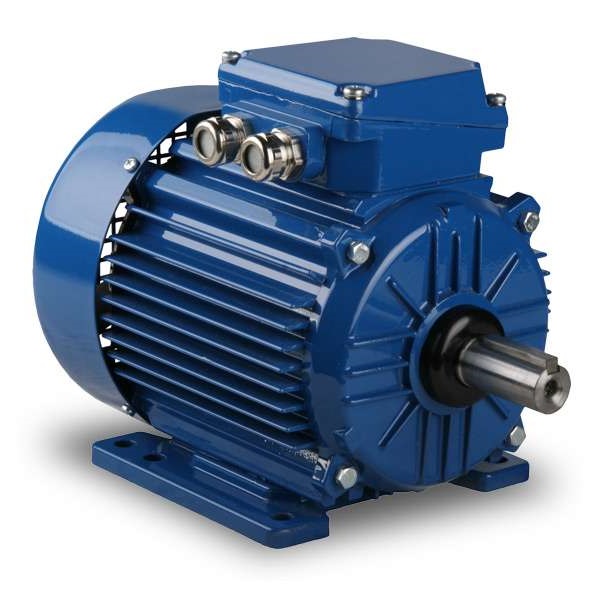
What role do AC motors play in HVAC (heating, ventilation, and air conditioning) systems?
In HVAC (heating, ventilation, and air conditioning) systems, AC motors play a crucial role in various components and functions. These motors are responsible for powering fans, compressors, pumps, and other essential equipment within the HVAC system. Let’s explore the specific roles of AC motors in HVAC systems:
- Air Handling Units (AHUs) and Ventilation Systems: AC motors drive the fans in AHUs and ventilation systems. These fans draw in fresh air, circulate air within the building, and exhaust stale air. The motors provide the necessary power to move air through the ductwork and distribute it evenly throughout the space. They play a key role in maintaining proper indoor air quality, controlling humidity, and ensuring adequate ventilation.
- Chillers and Cooling Towers: HVAC systems that use chillers for cooling rely on AC motors to drive the compressor. The motor powers the compressor, which circulates refrigerant through the system, absorbing heat from the indoor environment and releasing it outside. AC motors are also used in cooling towers, which dissipate heat from the chiller system by evaporating water. The motors drive the fans that draw air through the cooling tower and enhance heat transfer.
- Heat Pumps: AC motors are integral components of heat pump systems, which provide both heating and cooling. The motor drives the compressor in the heat pump, enabling the transfer of heat between the indoor and outdoor environments. During cooling mode, the motor circulates refrigerant to extract heat from indoors and release it outside. In heating mode, the motor reverses the refrigerant flow to extract heat from the outdoor air or ground and transfer it indoors.
- Furnaces and Boilers: In heating systems, AC motors power the blowers or fans in furnaces and boilers. The motor drives the blower to distribute heated air or steam throughout the building. This helps maintain a comfortable indoor temperature and ensures efficient heat distribution in the space.
- Pumps and Circulation Systems: HVAC systems often incorporate pumps for water circulation, such as in hydronic heating or chilled water systems. AC motors drive these pumps, providing the necessary pressure to circulate water or other heat transfer fluids through the system. The motors ensure efficient flow rates and contribute to the effective transfer of thermal energy.
- Dampers and Actuators: AC motors are used in HVAC systems to control airflow and regulate the position of dampers and actuators. These motors enable the adjustment of airflow rates, temperature control, and zone-specific climate control. By modulating the motor speed or position, HVAC systems can achieve precise control of air distribution and temperature in different areas of a building.
AC motors in HVAC systems are designed to meet specific performance requirements, such as variable speed control, energy efficiency, and reliable operation under varying loads. Maintenance and regular inspection of these motors are essential to ensure optimal performance, energy efficiency, and longevity of the HVAC system.
In conclusion, AC motors play vital roles in HVAC systems by powering fans, compressors, pumps, and actuators. They enable proper air circulation, temperature control, and efficient transfer of heat, contributing to the overall comfort, air quality, and energy efficiency of buildings.
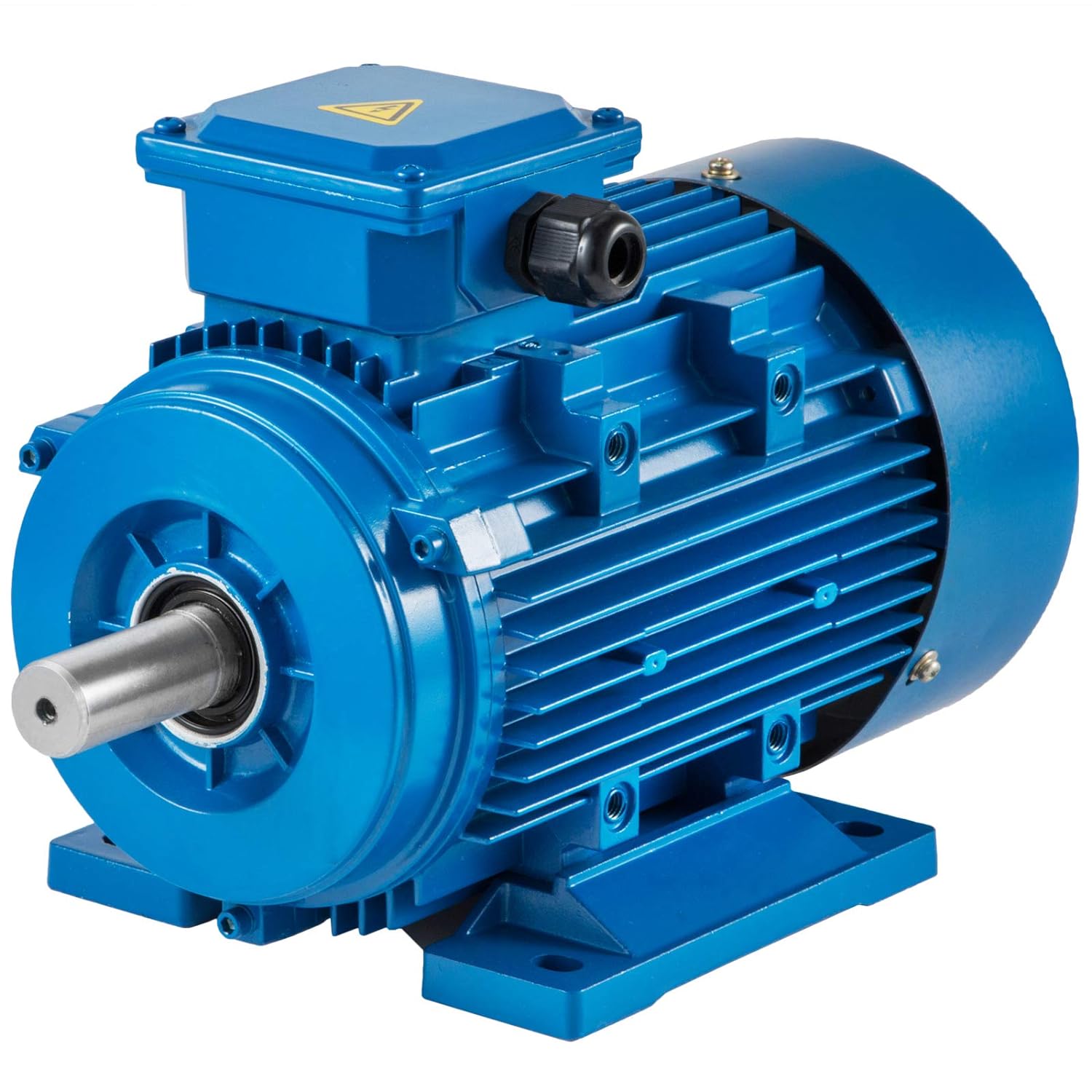
What are the safety considerations when working with or around AC motors?
Working with or around AC motors requires careful attention to safety to prevent accidents, injuries, and electrical hazards. Here are some important safety considerations to keep in mind:
- Electrical Hazards: AC motors operate on high voltage electrical systems, which pose a significant electrical hazard. It is essential to follow proper lockout/tagout procedures when working on motors to ensure that they are de-energized and cannot accidentally start up. Only qualified personnel should perform electrical work on motors, and they should use appropriate personal protective equipment (PPE), such as insulated gloves, safety glasses, and arc flash protection, to protect themselves from electrical shocks and arc flash incidents.
- Mechanical Hazards: AC motors often drive mechanical equipment, such as pumps, fans, or conveyors, which can present mechanical hazards. When working on or near motors, it is crucial to be aware of rotating parts, belts, pulleys, or couplings that can cause entanglement or crushing injuries. Guards and safety barriers should be in place to prevent accidental contact with moving parts, and proper machine guarding principles should be followed. Lockout/tagout procedures should also be applied to the associated mechanical equipment to ensure it is safely de-energized during maintenance or repair.
- Fire and Thermal Hazards: AC motors can generate heat during operation, and in some cases, excessive heat can pose a fire hazard. It is important to ensure that motors are adequately ventilated to dissipate heat and prevent overheating. Motor enclosures and cooling systems should be inspected regularly to ensure proper functioning. Additionally, combustible materials should be kept away from motors to reduce the risk of fire. If a motor shows signs of overheating or emits a burning smell, it should be immediately shut down and inspected by a qualified professional.
- Proper Installation and Grounding: AC motors should be installed and grounded correctly to ensure electrical safety. Motors should be installed according to manufacturer guidelines, including proper alignment, mounting, and connection of electrical cables. Adequate grounding is essential to prevent electrical shocks and ensure the safe dissipation of fault currents. Grounding conductors, such as grounding rods or grounding straps, should be properly installed and regularly inspected to maintain their integrity.
- Safe Handling and Lifting: AC motors can be heavy and require proper handling and lifting techniques to prevent musculoskeletal injuries. When moving or lifting motors, equipment such as cranes, hoists, or forklifts should be used, and personnel should be trained in safe lifting practices. It is important to avoid overexertion and use proper lifting tools, such as slings or lifting straps, to distribute the weight evenly and prevent strain or injury.
- Training and Awareness: Proper training and awareness are critical for working safely with or around AC motors. Workers should receive training on electrical safety, lockout/tagout procedures, personal protective equipment usage, and safe work practices. They should be familiar with the specific hazards associated with AC motors and understand the appropriate safety precautions to take. Regular safety meetings and reminders can help reinforce safe practices and keep safety at the forefront of everyone’s minds.
It is important to note that the safety considerations mentioned above are general guidelines. Specific safety requirements may vary depending on the motor size, voltage, and the specific workplace regulations and standards in place. It is crucial to consult relevant safety codes, regulations, and industry best practices to ensure compliance and maintain a safe working environment when working with or around AC motors.
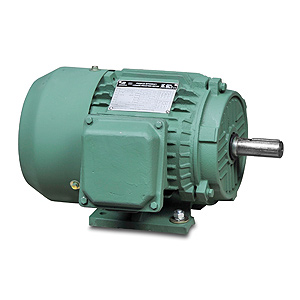
Jakie są główne elementy silnika prądu przemiennego i jaki mają one wpływ na jego działanie?
Silnik prądu przemiennego składa się z kilku kluczowych komponentów, które współpracują ze sobą, aby ułatwić jego działanie. Należą do nich:
- Stojan: Stojan to nieruchoma część silnika prądu przemiennego. Zazwyczaj jest wykonany z laminowanego rdzenia, który zapewnia ścieżkę dla strumienia magnetycznego. Stojan zawiera uzwojenia stojana, czyli cewki z drutu nawinięte wokół rdzenia stojana. Uzwojenia stojana są podłączone do źródła zasilania prądem przemiennym i po zasileniu wytwarzają wirujące pole magnetyczne. Wirujące pole magnetyczne jest kluczowym elementem w generowaniu momentu obrotowego niezbędnego do pracy silnika.
- Wirnik: Wirnik to obracająca się część silnika prądu przemiennego. Znajduje się wewnątrz stojana i jest połączony z wałem. Wirnik może mieć różną konstrukcję, w zależności od rodzaju silnika prądu przemiennego. W silniku indukcyjnym wirnik nie posiada połączeń elektrycznych. Zamiast tego zawiera on przewodzące pręty lub cewki, które są zwarte. Obracające się pole magnetyczne stojana indukuje prądy w zwartych przewodach wirnika, tworząc pole magnetyczne, które oddziałuje z polem magnetycznym stojana i generuje moment obrotowy, powodując obrót wirnika. W silniku synchronicznym wirnik zawiera elektromagnesy, które są namagnesowywane prądem stałym, co pozwala wirnikowi zablokować się w obracającym się polu magnetycznym stojana i obracać się z tą samą prędkością.
- Łożysko: Łożyska służą do podtrzymywania i ułatwiania płynnego obrotu wału wirnika. Zmniejszają tarcie i umożliwiają swobodny obrót wirnika w silniku. Łożyska są zazwyczaj umieszczone na obu końcach wału silnika i są zaprojektowane tak, aby wytrzymywać siły osiowe i promieniowe generowane podczas pracy.
- Dzwonki końcowe: Dzwony końcowe, znane również jako pokrywy końcowe lub wsporniki końcowe, osłaniają zespół stojana i wirnika silnika. Zapewniają one mechaniczne wsparcie i ochronę wewnętrznych elementów silnika. Dzwony końcowe są zazwyczaj wykonane z metalu i służą do obudowy łożysk oraz mocowania silnika do konstrukcji montażowej.
- Wentylator lub układ chłodzenia: Silniki prądu przemiennego często generują ciepło podczas pracy. Aby zapobiec przegrzaniu i zapewnić prawidłowe funkcjonowanie, silniki prądu przemiennego są wyposażone w wentylatory lub układy chłodzenia. Pomagają one odprowadzać ciepło poprzez cyrkulację powietrza lub kierowanie jego strumienia na elementy silnika, w tym uzwojenia stojana i wirnika. Efektywne chłodzenie ma kluczowe znaczenie dla utrzymania sprawności silnika i wydłużenia jego żywotności.
- Skrzynka zaciskowa lub skrzynka przyłączeniowa: Skrzynka zaciskowa to obudowa umieszczona na zewnątrz silnika, która zapewnia dostęp do jego połączeń elektrycznych. Zawiera ona zaciski, czyli punkty przyłączeniowe, do których można podłączyć przewody zewnętrzne w celu zasilania silnika. Skrzynka zaciskowa zapewnia bezpieczne i solidne podłączenie silnika do instalacji elektrycznej.
- Dodatkowe komponenty: W zależności od konkretnej konstrukcji i zastosowania, silniki prądu przemiennego mogą zawierać dodatkowe elementy, takie jak kondensatory, wyłączniki odśrodkowe, szczotki (w niektórych typach silników prądu przemiennego) i inne urządzenia sterujące. Elementy te służą różnym celom, takim jak poprawa osiągów silnika, wspomaganie rozruchu lub realizacja określonych funkcji sterowania.
Każdy z tych komponentów odgrywa kluczową rolę w działaniu silnika prądu przemiennego. Stojan i wirnik to główne elementy odpowiedzialne za generowanie wirującego pola magnetycznego i przekształcanie energii elektrycznej w ruch mechaniczny. Łożyska zapewniają płynny obrót wału wirnika, a dzwony końcowe zapewniają wsparcie i ochronę konstrukcyjną. Wentylator lub układ chłodzenia pomaga utrzymać optymalną temperaturę pracy, a skrzynka zaciskowa umożliwia prawidłowe podłączenie elektryczne. W razie potrzeby montowane są dodatkowe komponenty, aby zwiększyć wydajność silnika i umożliwić realizację określonych funkcji.


editor by CX 2024-05-16


