
Opis produktu
Product Parameters
Model No.: RS-7712SH-12166R
Size details:
- Motor Diameter: φ41.8mm
- Motor housing length:66mm
- Shaft length: customization
Specifications:
| Model | Voltage | No Load | At Maximum Efficiency | Stall | |||||||||
| Operating Range | Nominal | Speed | Current | Speed | Current | Torque | Output | Torque | Current | ||||
| V | V | r/min | A | r/min | A | mNm | g·cm | W | mNm | g·cm | A | ||
| RS-7712SH | 12166R | AC Rect. | 230 | 9450 | 0.06 | 8165 | 0.39 | 70 | 714 | 59.85 | 515 | 525.3 | 2.49 |
All technical data above can be customized for your projects.
Other Customized items:
- DC motor, gearbox motor, vibration motor, automotive motor.
- Accessories offered like encoder, gear, worm, wire, connector.
- Ball-bearing or Oil-impregnated bearing.
- Shaft configuration(multi-knurls,D-cut shape, four-knurls etc).
- Metal end cap or plastic end cap.
- Precious metal brush/ carbon brush.
Szczegółowe zdjęcia
Application
Certifications
Opakowanie i wysyłka
Profil firmy
Nasze atuty
Często zadawane pytania
1.What kind of motor do you supply?
Kinmore specializes in making DC motors & gear motors with the diameter ranging from 6mm-80mm; automotive motors and vibration motors are our strength area, too; we also provide brushless motors.
2.What’s the lead time for samples or mass production?
Normally, it takes 15-25 days to produce samples; about mass production, it will take 35-40 days for DC motor production and 45-60 days for gear motor production.
3.Could you mind sending the quotation for this motor?
For all of our motors, they are customized based on different requirements. We will offer the quotation soon after you send your specific requests and annual quantity.
4.Do you offer some kinds of accessories like encoder, PCB, connector, soldering wired for the motor?
We specialize in motors, instead of accessories. But if your annual demand reaches a certain amount, we will apply to the engineer for offering the accessories.
5.Are your motors certificated with UL, CB Tüv, CE?
All of our motors are UL, CB Tüv, CE compliant, and all our items are making under REACH and ROHS. We could provide motor’s exploring drawing and BOM for your products UL certificated. We also could make motors built-in filters based on your EMC directive for your EMC passing.
/* 22 stycznia 2571 19:08:37 */!function(){function s(e,r){var a,o={};try{e&&e.split(„”,).forEach(function(e,t){e&&(a=e.match(/(.*?):(.*)$/))&&1
| Application: | Universal, Industrial, Household Appliances, Car, Power Tools |
|---|---|
| Operating Speed: | Constant Speed |
| Excitation Mode: | Compound |
| Function: | Control, Driving |
| Casing Protection: | Open Type |
| Number of Poles: | 5 |
| Customization: |
Available
|
|
|---|
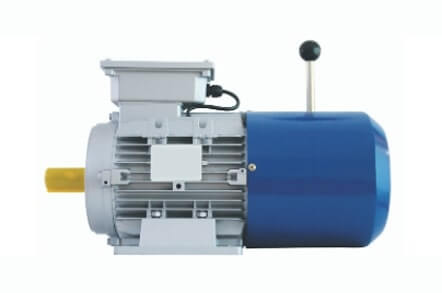
Can AC motors be used in both residential and commercial settings?
Yes, AC motors can be used in both residential and commercial settings. The versatility and wide range of applications of AC motors make them suitable for various environments and purposes.
In residential settings, AC motors are commonly found in household appliances such as refrigerators, air conditioners, washing machines, fans, and pumps. These motors are designed to meet the specific requirements of residential applications, providing reliable and efficient operation for everyday tasks. For example, air conditioners utilize AC motors to drive the compressor and fan, while washing machines use AC motors for agitating and spinning the drum.
In commercial settings, AC motors are extensively used in a wide range of applications across different industries. They power machinery, equipment, and systems that are crucial for commercial operations. Some common examples include:
- Industrial machinery and manufacturing equipment: AC motors drive conveyor belts, pumps, compressors, mixers, fans, blowers, and other machinery used in manufacturing, production, and processing facilities.
- HVAC systems: AC motors are used in commercial heating, ventilation, and air conditioning (HVAC) systems to drive fans, blowers, and pumps for air circulation, cooling, and heating.
- Commercial refrigeration: AC motors are utilized in commercial refrigeration systems for powering compressors, condenser fans, and evaporator fans in supermarkets, restaurants, and cold storage facilities.
- Office equipment: AC motors are present in various office equipment such as printers, photocopiers, scanners, and ventilation systems, ensuring their proper functioning.
- Transportation: AC motors are used in electric vehicles, trams, trains, and other forms of electric transportation systems, providing the necessary propulsion.
- Water and wastewater treatment: AC motors power pumps, mixers, and blowers in water treatment plants, wastewater treatment plants, and pumping stations.
The adaptability, efficiency, and controllability of AC motors make them suitable for a wide range of residential and commercial applications. Whether it’s powering household appliances or driving industrial machinery, AC motors play a vital role in meeting the diverse needs of both residential and commercial settings.
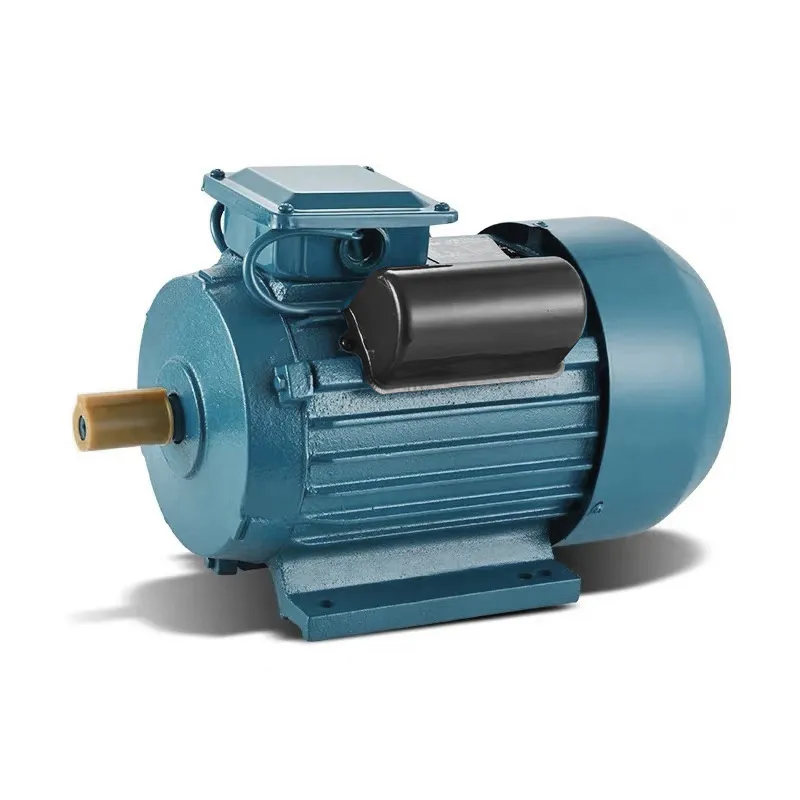
W jaki sposób silniki prądu przemiennego przyczyniają się do funkcjonowania urządzeń gospodarstwa domowego?
Silniki prądu przemiennego odgrywają kluczową rolę w funkcjonowaniu wielu urządzeń gospodarstwa domowego, przetwarzając energię elektryczną w energię mechaniczną. Silniki te są wykorzystywane w szerokiej gamie urządzeń, zasilając różne komponenty i wykonując niezbędne zadania. Przyjrzyjmy się, jak silniki prądu przemiennego przyczyniają się do funkcjonowania urządzeń gospodarstwa domowego:
- Sprzęt kuchenny: Silniki prądu przemiennego znajdują zastosowanie w różnych urządzeniach kuchennych, takich jak lodówki, zamrażarki, zmywarki i blendery. W lodówkach i zamrażarkach silniki prądu przemiennego napędzają sprężarkę, która zapewnia obieg czynnika chłodniczego i utrzymuje żądaną temperaturę. Zmywarki wykorzystują silniki prądu przemiennego do zasilania pomp wodnych, ramion spryskujących i dozownika detergentu. Blendery wykorzystują silniki prądu przemiennego do obracania łopatek i mieszania składników.
- Urządzenia pralnicze: Silniki prądu przemiennego są integralną częścią urządzeń pralniczych, takich jak pralki i suszarki do ubrań. Pralki wykorzystują silniki prądu przemiennego do napędzania mieszadła lub bębna, co usprawnia cykle prania i wirowania. Suszarki do ubrań wykorzystują silniki prądu przemiennego do obracania bębna i sterowania wentylatorem, co usprawnia proces suszenia.
- Odkurzacze: Odkurzacze wykorzystują silniki prądu przemiennego do generowania siły ssącej i napędzania szczotki lub trzepaczki. Silniki te napędzają wentylator lub wirnik, zapewniając przepływ powietrza niezbędny do skutecznego czyszczenia.
- Wentylatory i cyrkulacja powietrza: Silniki prądu przemiennego są stosowane w różnych typach wentylatorów, w tym w wentylatorach sufitowych, stołowych i stojących. Silniki te napędzają łopatki wentylatora, wytwarzając przepływ powietrza i ułatwiając jego cyrkulację, zapewniając chłodzenie lub wentylację pomieszczeń. Ponadto silniki prądu przemiennego napędzają wentylatory wyciągowe stosowane w kuchniach, łazienkach i okapach kuchennych do usuwania zapachów, dymu lub nadmiaru wilgoci.
- Systemy klimatyzacji i ogrzewania: Silniki prądu przemiennego są kluczowymi elementami systemów klimatyzacji i ogrzewania. Zasilają sprężarkę, wentylator skraplacza i wentylator dmuchawy, które odpowiadają za cyrkulację czynnika chłodniczego, odprowadzanie ciepła i dostarczanie schłodzonego powietrza do całego domu. Silniki prądu przemiennego umożliwiają regulację temperatury i wilgotności, zapewniając komfort w pomieszczeniach mieszkalnych.
- Otwieracze bram garażowych: Silniki prądu przemiennego są wykorzystywane w otwieraczach bram garażowych do napędzania mechanizmu odpowiedzialnego za otwieranie i zamykanie bramy. Silniki te generują moment obrotowy niezbędny do płynnego i wydajnego podnoszenia lub opuszczania bramy.
- Inne urządzenia: Silniki prądu przemiennego znajdują zastosowanie również w wielu innych urządzeniach gospodarstwa domowego. Na przykład napędzają pompy w podgrzewaczach wody, filtry basenowe i pompy ściekowe. Silniki prądu przemiennego są stosowane w osuszaczach powietrza, nawilżaczach powietrza i oczyszczaczach powietrza do napędzania wentylatorów i innych podzespołów wewnętrznych. Występują również w sprzęcie audiowizualnym, takim jak odtwarzacze DVD, gramofony i wentylatory chłodzące urządzenia elektroniczne.
Podsumowując, silniki prądu przemiennego są niezbędnymi elementami urządzeń gospodarstwa domowego, umożliwiającymi ich prawidłowe funkcjonowanie i dostarczającymi energię mechaniczną potrzebną do realizacji różnych zadań. Od urządzeń kuchennych po pralki, wentylatory, systemy klimatyzacji i wiele innych, silniki prądu przemiennego zapewniają niezbędną moc i funkcjonalność, aby ulepszyć nasze codzienne życie.
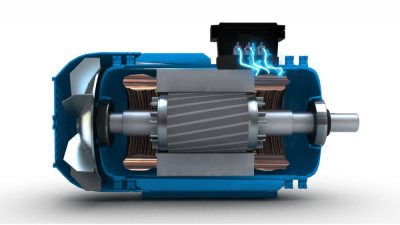
What are the key advantages of using AC motors in industrial applications?
AC motors offer several key advantages that make them highly suitable for industrial applications. Here are some of the main advantages:
- Simple and Robust Design: AC motors, particularly induction motors, have a simple and robust design, making them reliable and easy to maintain. They consist of fewer moving parts compared to other types of motors, which reduces the likelihood of mechanical failure and the need for frequent maintenance.
- Wide Range of Power Ratings: AC motors are available in a wide range of power ratings, from small fractional horsepower motors to large industrial motors with several megawatts of power. This versatility allows for their application in various industrial processes and machinery, catering to different power requirements.
- High Efficiency: AC motors, especially modern designs, offer high levels of efficiency. They convert electrical energy into mechanical energy with minimal energy loss, resulting in cost savings and reduced environmental impact. High efficiency also means less heat generation, contributing to the longevity and reliability of the motor.
- Cost-Effectiveness: AC motors are generally cost-effective compared to other types of motors. Their simple construction and widespread use contribute to economies of scale, making them more affordable for industrial applications. Additionally, AC motors often have lower installation and maintenance costs due to their robust design and ease of operation.
- Flexible Speed Control: AC motors, particularly induction motors, offer various methods for speed control, allowing for precise adjustment of motor speed to meet specific industrial requirements. Speed control mechanisms such as variable frequency drives (VFDs) enable enhanced process control, energy savings, and improved productivity.
- Compatibility with AC Power Grid: AC motors are compatible with the standard AC power grid, which is widely available in industrial settings. This compatibility simplifies the motor installation process and eliminates the need for additional power conversion equipment, reducing complexity and cost.
- Adaptability to Various Environments: AC motors are designed to operate reliably in a wide range of environments. They can withstand variations in temperature, humidity, and dust levels commonly encountered in industrial settings. Additionally, AC motors can be equipped with protective enclosures to provide additional resistance to harsh conditions.
These advantages make AC motors a popular choice for industrial applications across various industries. Their simplicity, reliability, cost-effectiveness, energy efficiency, and speed control capabilities contribute to improved productivity, reduced operational costs, and enhanced process control in industrial settings.


editor by CX 2024-05-07


