
Opis produktu
| Power: | 0.45kw-42kw | Voltage: | 380(can done as your need) |
| Frequency: | 50/60HZ | Pole: | 2/4/6/8/12 |
| Insulation Class: | F | Speed: | 3000rpm/1500rpm/1000rpm/750rpm/500rpm |
| Protection Grade: | IP55 | Frame No.: | 80-280 |
| Enamelled Wire: | 100% Copper Wire | Mounting Way: | B3 Foot /B5 Flange /B35 Foot and Flange |
| Motor body : | Cast iron body | Marka: | FOX MOTOR |
| Application: | Pump, Fan, Industrial, Machine |
|---|---|
| Speed: | Variable Speed |
| Number of Stator: | Three-Phase |
| Function: | Driving |
| Casing Protection: | Closed Type |
| Number of Poles: | 4,6,8,12 |
| Samples: |
US$ 299/Piece
1 Piece(Min.Order) | |
|---|
| Customization: |
Available
|
|
|---|
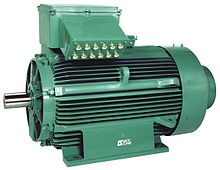
Czy z zastosowaniem silników prądu przemiennego wiążą się jakieś kwestie związane z ochroną środowiska?
Tak, z użytkowaniem silników prądu przemiennego wiąże się szereg kwestii środowiskowych. Dotyczą one przede wszystkim zużycia energii, emisji gazów cieplarnianych oraz utylizacji silników po zakończeniu ich cyklu życia. Przyjrzyjmy się tym kwestiom środowiskowym szczegółowo:
- Efektywność energetyczna: Silniki prądu przemiennego mogą charakteryzować się różnym poziomem sprawności energetycznej, co bezpośrednio wpływa na ich wpływ na środowisko. Silniki o wyższej sprawności przetwarzają większy procent energii elektrycznej na użyteczną pracę mechaniczną, co przekłada się na mniejsze zużycie energii. Wybierając i stosując wysokosprawne silniki prądu przemiennego, można zminimalizować zużycie energii, co prowadzi do zmniejszenia emisji gazów cieplarnianych i ograniczenia uzależnienia od paliw kopalnych w produkcji energii elektrycznej.
- Emisja gazów cieplarnianych: Energia elektryczna zużywana przez silniki prądu przemiennego jest często wytwarzana przez elektrownie spalające paliwa kopalne, takie jak węgiel, gaz ziemny lub ropa naftowa. Wytwarzanie energii elektrycznej z tych paliw kopalnych powoduje emisję gazów cieplarnianych, przyczyniając się do zmiany klimatu. Dzięki stosowaniu energooszczędnych silników i optymalizacji systemów napędowych, firmy i osoby prywatne mogą zmniejszyć swoje zapotrzebowanie na energię elektryczną, co przekłada się na niższą emisję gazów cieplarnianych i mniejszy ślad węglowy.
- Utylizacja i recykling silników: Silniki prądu przemiennego zawierają różne materiały, w tym metale, tworzywa sztuczne i elementy elektryczne. Po zakończeniu cyklu życia silnika, jego prawidłowa utylizacja lub recykling są istotne, aby zminimalizować jego wpływ na środowisko. Niektóre elementy, takie jak uzwojenia miedziane i stalowe obudowy, nadają się do recyklingu, co zmniejsza zapotrzebowanie na nowe surowce i energochłonne procesy produkcyjne. Przestrzeganie lokalnych przepisów i wytycznych dotyczących utylizacji i recyklingu silników jest kluczowe, aby zapobiegać zanieczyszczeniu środowiska i promować oszczędzanie zasobów.
- Produkcja i wytwarzanie: Procesy produkcyjne i produkcyjne związane z silnikami prądu przemiennego mogą mieć wpływ na środowisko. Wydobycie i przetwarzanie surowców, takich jak metale i tworzywa sztuczne, może prowadzić do niszczenia siedlisk, zużycia energii i emisji gazów cieplarnianych. Ponadto, same procesy produkcyjne mogą generować odpady i zanieczyszczenia. Producenci silników mogą łagodzić ten wpływ na środowisko, stosując zrównoważone praktyki, wykorzystując materiały pochodzące z recyklingu, ograniczając wytwarzanie odpadów i wdrażając energooszczędne metody produkcji.
- Ocena cyklu życia: Przeprowadzenie oceny cyklu życia (LCA) silników prądu przemiennego może zapewnić holistyczny obraz ich wpływu na środowisko. LCA uwzględnia aspekty środowiskowe związane z całym cyklem życia silnika, w tym wydobycie surowców, produkcję, transport, użytkowanie oraz utylizację lub recykling po zakończeniu eksploatacji. Analizując poszczególne etapy cyklu życia silnika, interesariusze mogą zidentyfikować możliwości poprawy, takie jak optymalizacja efektywności energetycznej, redukcja emisji i wdrażanie zrównoważonych praktyk.
Aby uwzględnić te kwestie środowiskowe, rządy, organizacje i organy normalizacyjne branży opracowały przepisy i wytyczne mające na celu promowanie efektywności energetycznej i ograniczenie wpływu silników prądu przemiennego na środowisko. Obejmują one normy efektywności, programy etykietowania oraz zachęty do stosowania silników o wysokiej sprawności. Ponadto inicjatywy promujące optymalizację układów napędowych, takie jak właściwy dobór wielkości silnika, konserwacja i sterowanie, mogą dodatkowo zwiększyć efektywność energetyczną i zminimalizować wpływ na środowisko.
Podsumowując, kwestie środowiskowe związane z użytkowaniem silników prądu przemiennego obejmują efektywność energetyczną, emisję gazów cieplarnianych, utylizację i recykling silników, procesy produkcyjne oraz ocenę cyklu życia. Priorytetowe traktowanie efektywności energetycznej, prawidłowej utylizacji, recyklingu i zrównoważonych praktyk produkcyjnych pozwala zminimalizować wpływ silników prądu przemiennego na środowisko, przyczyniając się do bardziej zrównoważonego i proekologicznego podejścia do użytkowania silników.
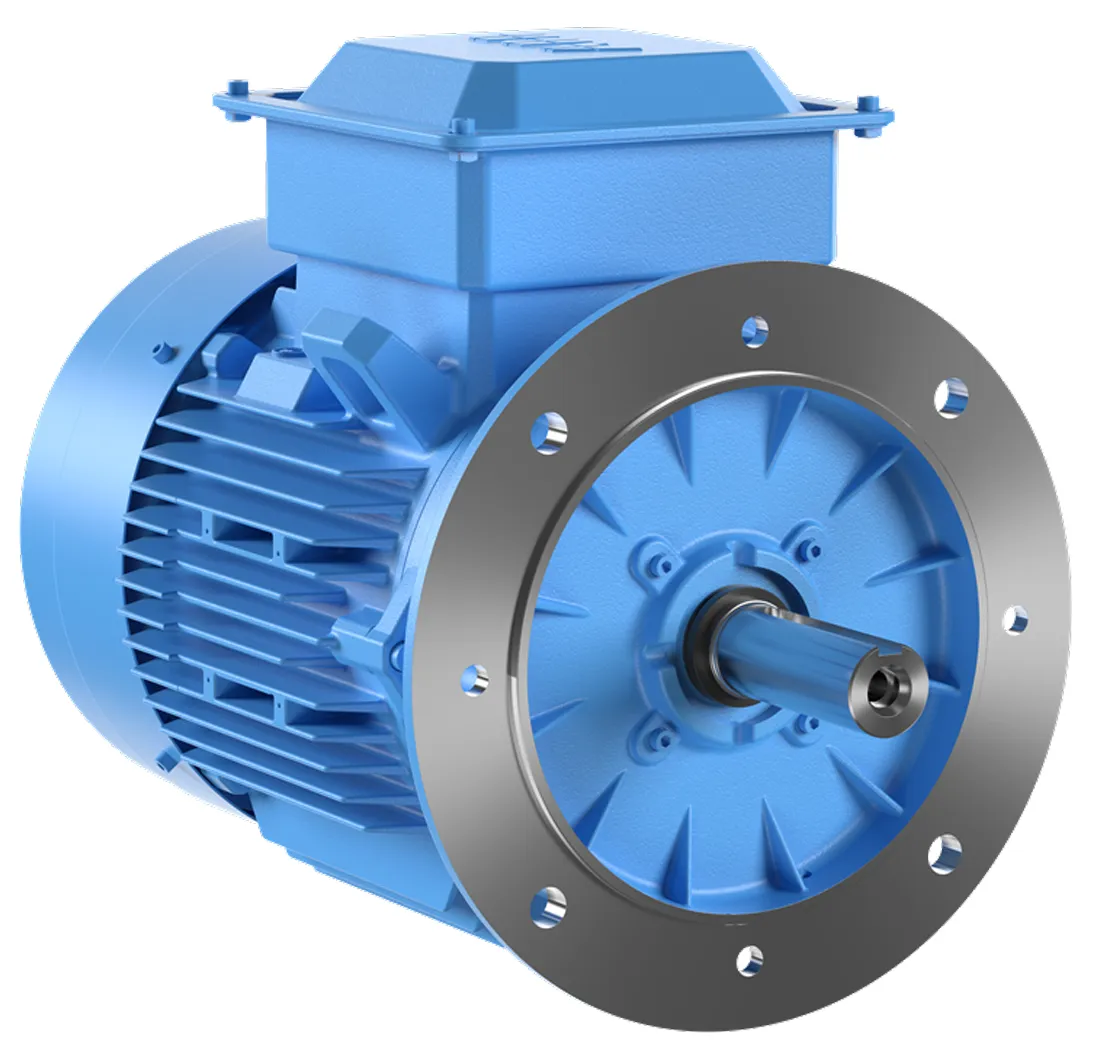
Where can individuals or businesses find reliable information on selecting, installing, and maintaining AC motors?
When seeking information on selecting, installing, and maintaining AC motors, individuals and businesses can refer to various reliable sources. These sources provide valuable guidance, recommendations, and best practices related to AC motors. Here are some places where one can find reliable information:
- Manufacturer’s Documentation: AC motor manufacturers often provide detailed documentation, including product catalogs, technical specifications, installation guides, and maintenance manuals. These documents offer specific information about their motors, such as performance characteristics, electrical requirements, mounting instructions, and recommended maintenance procedures. Manufacturers’ websites are a common source for accessing these resources.
- Industry Associations: Industry associations related to electrical engineering, motor manufacturing, or specific applications (e.g., HVAC, pumps, or industrial machinery) can be excellent resources for reliable information. These associations often publish technical articles, guidelines, and standards that cover a wide range of topics, including motor selection, installation practices, efficiency standards, and maintenance recommendations. Examples of such associations include the National Electrical Manufacturers Association (NEMA), the Institute of Electrical and Electronics Engineers (IEEE), and the Air Conditioning, Heating, and Refrigeration Institute (AHRI).
- Professional Electricians and Engineers: Consulting with professional electricians or electrical engineers who specialize in motor applications can provide valuable insights. These professionals possess practical knowledge and experience in selecting, installing, and maintaining AC motors. They can offer personalized advice based on specific project requirements and industry best practices.
- Energy Efficiency Programs and Agencies: Energy efficiency programs and agencies, such as government departments, utility companies, or environmental organizations, often provide resources and guidance on energy-efficient motor selection and operation. These programs may offer information on motor efficiency standards, rebate programs for high-efficiency motors, and energy-saving practices. Examples include the U.S. Department of Energy (DOE) and its Energy Star program.
- Online Technical Forums and Communities: Online forums and communities focused on electrical engineering, motor applications, or specific industries can be valuable sources of information. Participating in these forums allows individuals and businesses to interact with experts, discuss motor-related topics, and seek advice from professionals and enthusiasts who have firsthand experience with AC motors.
- Books and Publications: Books and technical publications dedicated to electrical engineering, motor technology, or specific applications can provide comprehensive information on AC motors. These resources cover topics ranging from motor theory and design principles to practical installation techniques and maintenance procedures. Libraries, bookstores, and online retailers offer a wide selection of relevant publications.
When accessing information from these sources, it is important to ensure that the information is up-to-date, reliable, and relevant to the specific application or requirements. Consulting multiple sources and cross-referencing information can help verify accuracy and establish a well-rounded understanding of AC motor selection, installation, and maintenance.
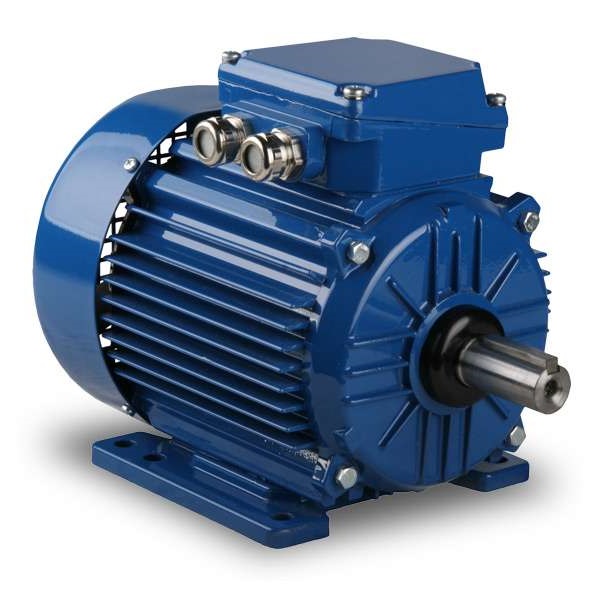
What is an AC motor, and how does it differ from a DC motor?
An AC motor, also known as an alternating current motor, is a type of electric motor that operates on alternating current. It converts electrical energy into mechanical energy through the interaction of magnetic fields. AC motors are widely used in various applications, ranging from household appliances to industrial machinery. Here’s a detailed explanation of what an AC motor is and how it differs from a DC motor:
AC Motor:
An AC motor consists of two main components: the stator and the rotor. The stator is the stationary part of the motor and contains the stator windings. These windings are typically made of copper wire and are arranged in specific configurations to create a rotating magnetic field when energized by an alternating current. The rotor, on the other hand, is the rotating part of the motor and is typically made of laminated steel cores with conducting bars or coils. The rotor windings are connected to a shaft, and their interaction with the rotating magnetic field produced by the stator causes the rotor to rotate.
The operation of an AC motor is based on the principles of electromagnetic induction. When the stator windings are energized with an AC power supply, the changing magnetic field induces a voltage in the rotor windings, which in turn creates a magnetic field. The interaction between the rotating magnetic field of the stator and the magnetic field of the rotor produces a torque, causing the rotor to rotate. The speed of rotation depends on the frequency of the AC power supply and the number of poles in the motor.
DC Motor:
A DC motor, also known as a direct current motor, operates on direct current. Unlike an AC motor, which relies on the interaction of magnetic fields to generate torque, a DC motor uses the principle of commutation to produce rotational motion. A DC motor consists of a stator and a rotor, similar to an AC motor. The stator contains the stator windings, while the rotor consists of a rotating armature with coils or permanent magnets.
In a DC motor, when a direct current is applied to the stator windings, a magnetic field is created. The rotor, either through the use of brushes and a commutator or electronic commutation, aligns itself with the magnetic field and begins to rotate. The direction of the current in the rotor windings is continuously reversed to ensure continuous rotation. The speed of a DC motor can be controlled by adjusting the voltage applied to the motor or by using electronic speed control methods.
Differences:
The main differences between AC motors and DC motors are as follows:
- Power Source: AC motors operate on alternating current, which is the standard power supply in most residential and commercial buildings. DC motors, on the other hand, require direct current and typically require a power supply that converts AC to DC.
- Construction: AC motors and DC motors have similar construction with stators and rotors, but the design and arrangement of the windings differ. AC motors generally have three-phase windings, while DC motors can have either armature windings or permanent magnets.
- Speed Control: AC motors typically operate at fixed speeds determined by the frequency of the power supply and the number of poles. DC motors, on the other hand, offer more flexibility in speed control and can be easily adjusted over a wide range of speeds.
- Efficiency: AC motors are generally more efficient than DC motors. AC motors can achieve higher power densities and are often more suitable for high-power applications. DC motors, however, offer better speed control and are commonly used in applications that require precise speed regulation.
- Applications: AC motors are widely used in applications such as industrial machinery, HVAC systems, pumps, and compressors. DC motors find applications in robotics, electric vehicles, computer disk drives, and small appliances.
In conclusion, AC motors and DC motors differ in their power source, construction, speed control, efficiency, and applications. AC motors rely on the interaction of magnetic fields and operate on alternating current, while DC motors use commutation and operate on direct current. Each type of motor has its advantages and is suited for different applications based on factors such as power requirements, speed control needs, and efficiency considerations.


editor by CX 2023-12-12


