
Opis produktu
AC Gear Reduction Electric Motor Speed Reducer Motor for agitator mixer
“Bangfeili “brand BH&BV horizontal and vertical gear motor (with the brake) commonly known as reduction motor, is a kind of speed gear motor and motor (motor) the integration of the body. This integration body usually can also be called gear motor, usually assembled by the integration after complete supply by a professional gear reduction motor factory .
The geared motor widely used steel industry, machinery industry, or assembled with magnetic powder clutch and brake , etc. Ac gear motor is generally through the motor, internal combustion engines or other high speed running power through the low rpm ac gear motor input shaft of the less number of gear engagement on the output shaft of big gear to achieve the purpose of the slowdown.
| Parts Name | Parameter | Three Phase Gearmotor | Singel Phase Gearmotor |
| Reducer | Gear Material | High quality alloy steel machined and carburized with precision tooth grinding or skiving. | |
| Housing | Aluminum alloy casting for model 18. 22. 28 . Cast iron for model 40.50 |
||
| Lubrication | High quality #0 lubrication oil (lubricated when shipped) | ||
| Ratio Range | 1/3 to 1/1800 | ||
| Motor | HP | 1/10 HP to 5 HP (75W to 3.7KW) | 1/10HP to 3HP (75W to 2.2KW) |
| Voltage | 208/415, 220/380, 220/440, 230/460, 240/480 | 110/220, 120/240 | |
| Frequency | 50/60HZ | 50/60HZ | |
| Enclose Type | Total Enclosed Fan Cooled, IP54 | Partially Enclosed Fan Cooled | |
| Staring | Full Voltage Drive On Line | Capacitor Start | |
| Housing | Auminum alloy | ||
| Installation | F Grade continuous S1 Duty | ||
| Brake(optional) | Function | Safety Brake | |
| Voltage | DC 90-110V with AC220V Rectifier | DC 90-110V with AC 110V Rectifier | |
| Environmental Specifications | Temperature | “-10ºC-40ºC | |
| Humidity | Under 90% RH (Non-cndensatin) | ||
| Place | Indoor, Below sea level1000m (3.300ft) | ||
Horizontal & Vertical Reduction Gear Motor Foot
Flange mounting, integrated motor
Output Torque Range: 200 – 15000 Nm
Ratio Range: i = 3-200 i = 250-1800
Power Range: 0.1 – 4KW 1/8HP-5HP
Shaft Size : Ø18-50
100% copper coil is used for each motor
in the outer ring of the worm wheel Cast iron in inner ring
Fine workmanship and durability
ZheJiang Craft ,manufal hand-winding,180 ºC F class
High filling ratio ≥ 95%
Gear precision up to Level 6-5
Each gear has been hobbling, heat treatment, CNC grinding
Each batch of gears have been inspected strictly before storage
Component Flow
Description of Model
Często zadawane pytania
Q:Are you trading company or manufacture ?
A:We are manu-factory, consist of 3 branch, distributed in East, South and Central of China .
Q: How to choose a gearbox which meets our requirement?
A: You can refer to our catalogue to choose the gearbox or gear motors,or we can help to choose when you provide the technical information ,
such as : Power ,ratio,output torque, output speed and motor parameter etc.
Q: What information shall we give before placing a purchase order?
A: a) Vertical or Horizontal type, ratio, input and output type, input flange, mounting position, and motor information etc.
b) Housing color. c) Purchase quantity. d) Other special requirements.
Q:How long is your delivery time ?what’s your term of payment ?
A:Normally around 2-3 days, the time may vary depending on the order quantity. We accept FOB, CIF price.
Q:How about your paking and export port ?
A:We provide wooden case for machine package.Special requirements is considerable. We support shipping ports: ZheJiang ,Other shipping port is considerable.
Q:What about MOQ?
A:We can accept sample order firstly, so there is no limit for MOQ!
Q:What warranty and after sale service do you offer ?
A:Each product have 1 year(12month) warranty.
| Application: | Industrial |
|---|---|
| Speed: | Variable Speed |
| Number of Stator: | Three-Phase |
| Function: | Driving |
| Casing Protection: | Protection Type |
| Number of Poles: | 2 or 4 or 6 or 8 Pole |
| Customization: |
Available
|
|
|---|
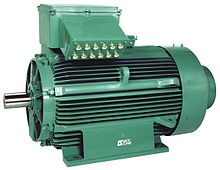
Czy z zastosowaniem silników prądu przemiennego wiążą się jakieś kwestie związane z ochroną środowiska?
Tak, z użytkowaniem silników prądu przemiennego wiąże się szereg kwestii środowiskowych. Dotyczą one przede wszystkim zużycia energii, emisji gazów cieplarnianych oraz utylizacji silników po zakończeniu ich cyklu życia. Przyjrzyjmy się tym kwestiom środowiskowym szczegółowo:
- Efektywność energetyczna: Silniki prądu przemiennego mogą charakteryzować się różnym poziomem sprawności energetycznej, co bezpośrednio wpływa na ich wpływ na środowisko. Silniki o wyższej sprawności przetwarzają większy procent energii elektrycznej na użyteczną pracę mechaniczną, co przekłada się na mniejsze zużycie energii. Wybierając i stosując wysokosprawne silniki prądu przemiennego, można zminimalizować zużycie energii, co prowadzi do zmniejszenia emisji gazów cieplarnianych i ograniczenia uzależnienia od paliw kopalnych w produkcji energii elektrycznej.
- Emisja gazów cieplarnianych: Energia elektryczna zużywana przez silniki prądu przemiennego jest często wytwarzana przez elektrownie spalające paliwa kopalne, takie jak węgiel, gaz ziemny lub ropa naftowa. Wytwarzanie energii elektrycznej z tych paliw kopalnych powoduje emisję gazów cieplarnianych, przyczyniając się do zmiany klimatu. Dzięki stosowaniu energooszczędnych silników i optymalizacji systemów napędowych, firmy i osoby prywatne mogą zmniejszyć swoje zapotrzebowanie na energię elektryczną, co przekłada się na niższą emisję gazów cieplarnianych i mniejszy ślad węglowy.
- Utylizacja i recykling silników: Silniki prądu przemiennego zawierają różne materiały, w tym metale, tworzywa sztuczne i elementy elektryczne. Po zakończeniu cyklu życia silnika, jego prawidłowa utylizacja lub recykling są istotne, aby zminimalizować jego wpływ na środowisko. Niektóre elementy, takie jak uzwojenia miedziane i stalowe obudowy, nadają się do recyklingu, co zmniejsza zapotrzebowanie na nowe surowce i energochłonne procesy produkcyjne. Przestrzeganie lokalnych przepisów i wytycznych dotyczących utylizacji i recyklingu silników jest kluczowe, aby zapobiegać zanieczyszczeniu środowiska i promować oszczędzanie zasobów.
- Produkcja i wytwarzanie: Procesy produkcyjne i produkcyjne związane z silnikami prądu przemiennego mogą mieć wpływ na środowisko. Wydobycie i przetwarzanie surowców, takich jak metale i tworzywa sztuczne, może prowadzić do niszczenia siedlisk, zużycia energii i emisji gazów cieplarnianych. Ponadto, same procesy produkcyjne mogą generować odpady i zanieczyszczenia. Producenci silników mogą łagodzić ten wpływ na środowisko, stosując zrównoważone praktyki, wykorzystując materiały pochodzące z recyklingu, ograniczając wytwarzanie odpadów i wdrażając energooszczędne metody produkcji.
- Ocena cyklu życia: Przeprowadzenie oceny cyklu życia (LCA) silników prądu przemiennego może zapewnić holistyczny obraz ich wpływu na środowisko. LCA uwzględnia aspekty środowiskowe związane z całym cyklem życia silnika, w tym wydobycie surowców, produkcję, transport, użytkowanie oraz utylizację lub recykling po zakończeniu eksploatacji. Analizując poszczególne etapy cyklu życia silnika, interesariusze mogą zidentyfikować możliwości poprawy, takie jak optymalizacja efektywności energetycznej, redukcja emisji i wdrażanie zrównoważonych praktyk.
Aby uwzględnić te kwestie środowiskowe, rządy, organizacje i organy normalizacyjne branży opracowały przepisy i wytyczne mające na celu promowanie efektywności energetycznej i ograniczenie wpływu silników prądu przemiennego na środowisko. Obejmują one normy efektywności, programy etykietowania oraz zachęty do stosowania silników o wysokiej sprawności. Ponadto inicjatywy promujące optymalizację układów napędowych, takie jak właściwy dobór wielkości silnika, konserwacja i sterowanie, mogą dodatkowo zwiększyć efektywność energetyczną i zminimalizować wpływ na środowisko.
Podsumowując, kwestie środowiskowe związane z użytkowaniem silników prądu przemiennego obejmują efektywność energetyczną, emisję gazów cieplarnianych, utylizację i recykling silników, procesy produkcyjne oraz ocenę cyklu życia. Priorytetowe traktowanie efektywności energetycznej, prawidłowej utylizacji, recyklingu i zrównoważonych praktyk produkcyjnych pozwala zminimalizować wpływ silników prądu przemiennego na środowisko, przyczyniając się do bardziej zrównoważonego i proekologicznego podejścia do użytkowania silników.
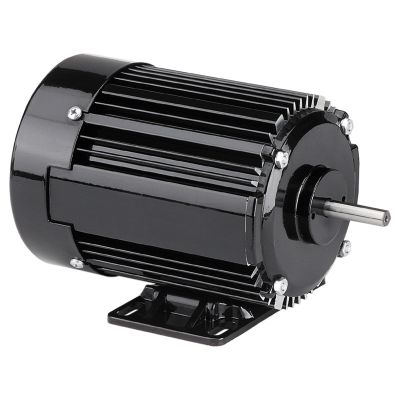
Can AC motors be used in renewable energy systems, such as wind turbines?
Yes, AC motors can be used in renewable energy systems, including wind turbines. In fact, AC motors are commonly employed in various applications within wind turbines due to their numerous advantages. Here’s a detailed explanation:
1. Generator: In a wind turbine system, the AC motor often functions as a generator. As the wind turbine blades rotate, they drive the rotor of the generator, which converts the mechanical energy of the wind into electrical energy. AC generators are commonly used in wind turbines due to their efficiency, reliability, and compatibility with power grid systems.
2. Variable Speed Control: AC motors offer the advantage of variable speed control, which is crucial for wind turbines. The wind speed is variable, and in order to maximize energy capture, the rotor speed needs to be adjusted accordingly. AC motors, when used as generators, can adjust their rotational speed with the changing wind conditions by modifying the frequency and voltage of the output electrical signal.
3. Efficiency: AC motors are known for their high efficiency, which is an important factor in renewable energy systems. Wind turbines aim to convert as much of the wind energy into electrical energy as possible. AC motors, especially those designed for high efficiency, can help maximize the overall energy conversion efficiency of the wind turbine system.
4. Grid Integration: AC motors are well-suited for grid integration in renewable energy systems. The electrical output from the AC generator can be easily synchronized with the grid frequency and voltage, allowing for seamless integration of the wind turbine system with the existing power grid infrastructure. This facilitates the efficient distribution of the generated electricity to consumers.
5. Control and Monitoring: AC motors offer advanced control and monitoring capabilities, which are essential for wind turbine systems. The electrical parameters, such as voltage, frequency, and power output, can be easily monitored and controlled in AC motor-based generators. This allows for real-time monitoring of the wind turbine performance, fault detection, and optimization of the power generation process.
6. Availability and Standardization: AC motors are widely available in various sizes and power ratings, making them readily accessible for wind turbine applications. They are also well-standardized, ensuring compatibility with other system components and facilitating maintenance, repair, and replacement activities.
It’s worth noting that while AC motors are commonly used in wind turbines, there are other types of generators and motor technologies utilized in specific wind turbine designs, such as permanent magnet synchronous generators (PMSGs) or doubly-fed induction generators (DFIGs). These alternatives offer their own advantages and may be preferred in certain wind turbine configurations.
In summary, AC motors can indeed be used in renewable energy systems, including wind turbines. Their efficiency, variable speed control, grid integration capabilities, and advanced control features make them a suitable choice for converting wind energy into electrical energy in a reliable and efficient manner.
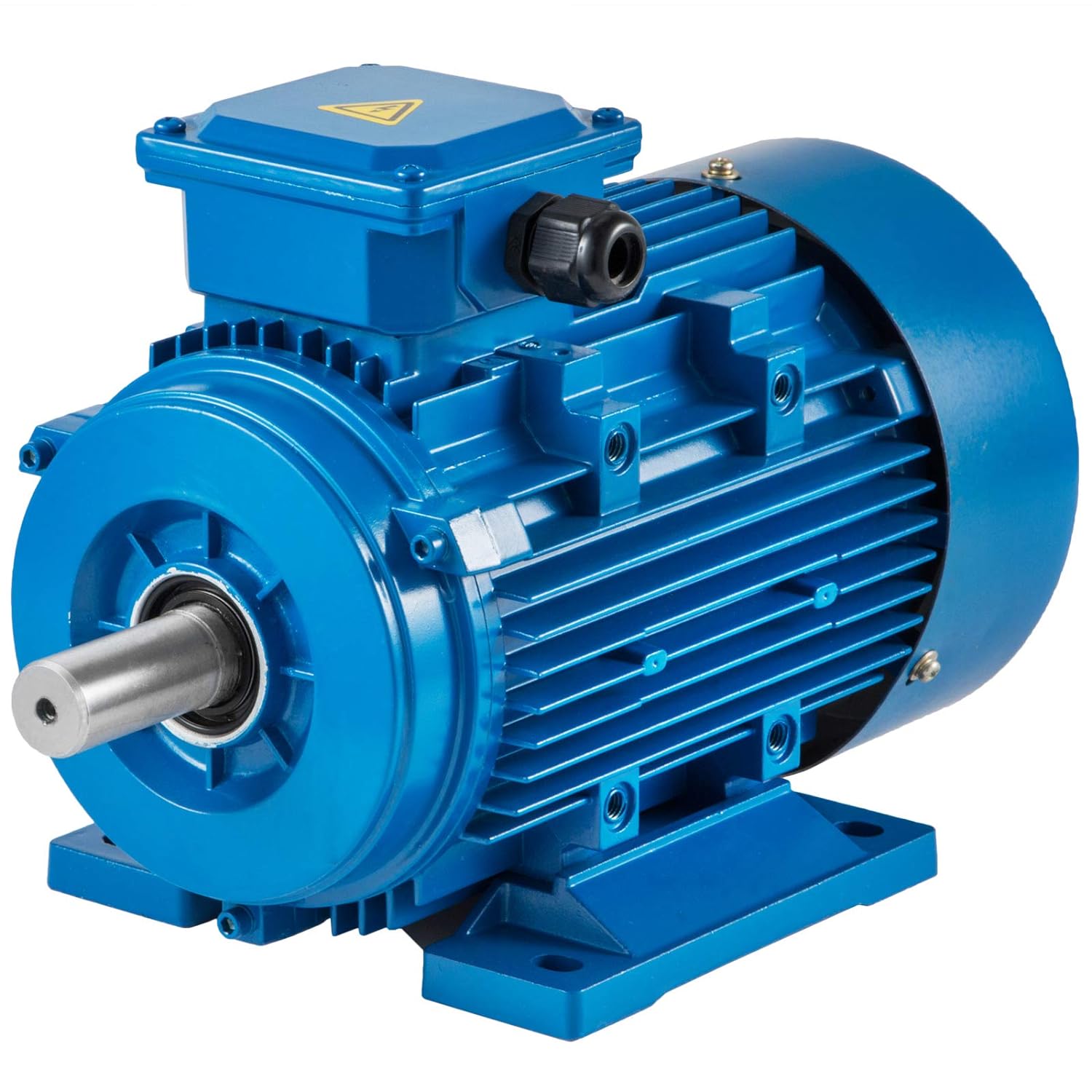
Are there different types of AC motors, and what are their specific applications?
Yes, there are different types of AC motors, each with its own design, characteristics, and applications. The main types of AC motors include:
- Induction Motors: Induction motors are the most commonly used type of AC motor. They are robust, reliable, and suitable for a wide range of applications. Induction motors operate based on the principle of electromagnetic induction. They consist of a stator with stator windings and a rotor with short-circuited conductive bars or coils. The rotating magnetic field produced by the stator windings induces currents in the rotor, creating a magnetic field that interacts with the stator field and generates torque. Induction motors are widely used in industries such as manufacturing, HVAC systems, pumps, fans, compressors, and conveyor systems.
- Synchronous Motors: Synchronous motors are another type of AC motor commonly used in applications that require precise speed control. They operate at synchronous speed, which is determined by the frequency of the AC power supply and the number of motor poles. Synchronous motors have a rotor with electromagnets that are magnetized by direct current, allowing the rotor to lock onto the rotating magnetic field of the stator and rotate at the same speed. Synchronous motors are often used in applications such as industrial machinery, generators, compressors, and large HVAC systems.
- Brushless DC Motors: While the name suggests “DC,” brushless DC motors are actually driven by AC power. They utilize electronic commutation instead of mechanical brushes for switching the current in the motor windings. Brushless DC motors offer high efficiency, low maintenance, and precise control over speed and torque. They are commonly used in applications such as electric vehicles, robotics, computer disk drives, aerospace systems, and consumer electronics.
- Universal Motors: Universal motors are versatile motors that can operate on both AC and DC power. They are designed with a wound stator and a commutator rotor. Universal motors offer high starting torque and can achieve high speeds. They are commonly used in applications such as portable power tools, vacuum cleaners, food mixers, and small appliances.
- Shaded Pole Motors: Shaded pole motors are simple and inexpensive AC motors. They have a single-phase stator and a squirrel cage rotor. Shaded pole motors are characterized by low starting torque and relatively low efficiency. Due to their simple design and low cost, they are commonly used in applications such as small fans, refrigeration equipment, and appliances.
These are some of the main types of AC motors, each with its unique features and applications. The selection of an AC motor type depends on factors such as the required torque, speed control requirements, efficiency, cost, and environmental conditions. Understanding the specific characteristics and applications of each type allows for choosing the most suitable motor for a given application.


editor by CX 2023-10-20


