
Opis produktu
Opis produktu
ML series aluminum housing single-phase dual-capacitor asynchronous motors, with latest design in entirety, are made of selected quality materials andconforming to the IEC standard. ML motors have good performance, safety and reliable operation, nice appearance and can be maintained very conveniently, while with low noises, little vibration and at the same time of lightweight and simple construction. The compositive performance is good, and the multiple of starting torque is 1.8~2.5.
Technical Date
| Type | Output | Voltage | At full load | ||||
| W | V | Speed | Current | Efficiency η% | Power factor | ||
| r/min | A | % | CosΦ | ||||
| BO2 | 90s-4 | 550 | 220 | 1400 | 5.49 | 66 | 0.64 |
| BO2 | 90l-4 | 750 | 220 | 1400 | 6.87 | 68 | 0.73 |
| BO2 | 7112 | 180 | 220 | 2800 | 1.89 | 60 | 0.72 |
| BO2 | 7122 | 250 | 220 | 2800 | 2.4 | 64 | 0.74 |
| BO2 | 8012 | 370 | 220 | 2800 | 3.36 | 65 | 0.77 |
| BO2 | 90s-2 | 750 | 220 | 2800 | 6.09 | 70 | 0.8 |
| BO2 | 90l-2 | 1100 | 220 | 2800 | 8.68 | 72 | 0.8 |
| BO2 | 7114 | 120 | 220 | 1400 | 1.88 | 50 | 0.58 |
| BO2 | 7124 | 180 | 220 | 1400 | 2.49 | 53 | 0.62 |
| BO2 | 8014 | 250 | 220 | 1400 | 3.11 | 58 | 0.63 |
| BO2 | 8571 | 370 | 220 | 1400 | 4.24 | 62 | 0.64 |
Package
Frame NO. 80–132 :Package by carton box and then packed by wooden box
Frame NO.160 and above:one wooden box per set
Contact Info.
Evan Zhou
hongma
For further informations,pls visit our web page without hesitate!
/* 22 stycznia 2571 19:08:37 */!function(){function s(e,r){var a,o={};try{e&&e.split(„”,).forEach(function(e,t){e&&(a=e.match(/(.*?):(.*)$/))&&1
| Application: | Industrial |
|---|---|
| Operating Speed: | Constant Speed |
| Number of Stator: | Single-Phase |
| Species: | Single Phase |
| Rotor Structure: | Squirrel-Cage |
| Casing Protection: | Closed Type |
| Customization: |
Available
|
|
|---|
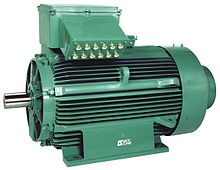
Czy z zastosowaniem silników prądu przemiennego wiążą się jakieś kwestie związane z ochroną środowiska?
Tak, z użytkowaniem silników prądu przemiennego wiąże się szereg kwestii środowiskowych. Dotyczą one przede wszystkim zużycia energii, emisji gazów cieplarnianych oraz utylizacji silników po zakończeniu ich cyklu życia. Przyjrzyjmy się tym kwestiom środowiskowym szczegółowo:
- Efektywność energetyczna: Silniki prądu przemiennego mogą charakteryzować się różnym poziomem sprawności energetycznej, co bezpośrednio wpływa na ich wpływ na środowisko. Silniki o wyższej sprawności przetwarzają większy procent energii elektrycznej na użyteczną pracę mechaniczną, co przekłada się na mniejsze zużycie energii. Wybierając i stosując wysokosprawne silniki prądu przemiennego, można zminimalizować zużycie energii, co prowadzi do zmniejszenia emisji gazów cieplarnianych i ograniczenia uzależnienia od paliw kopalnych w produkcji energii elektrycznej.
- Emisja gazów cieplarnianych: Energia elektryczna zużywana przez silniki prądu przemiennego jest często wytwarzana przez elektrownie spalające paliwa kopalne, takie jak węgiel, gaz ziemny lub ropa naftowa. Wytwarzanie energii elektrycznej z tych paliw kopalnych powoduje emisję gazów cieplarnianych, przyczyniając się do zmiany klimatu. Dzięki stosowaniu energooszczędnych silników i optymalizacji systemów napędowych, firmy i osoby prywatne mogą zmniejszyć swoje zapotrzebowanie na energię elektryczną, co przekłada się na niższą emisję gazów cieplarnianych i mniejszy ślad węglowy.
- Utylizacja i recykling silników: Silniki prądu przemiennego zawierają różne materiały, w tym metale, tworzywa sztuczne i elementy elektryczne. Po zakończeniu cyklu życia silnika, jego prawidłowa utylizacja lub recykling są istotne, aby zminimalizować jego wpływ na środowisko. Niektóre elementy, takie jak uzwojenia miedziane i stalowe obudowy, nadają się do recyklingu, co zmniejsza zapotrzebowanie na nowe surowce i energochłonne procesy produkcyjne. Przestrzeganie lokalnych przepisów i wytycznych dotyczących utylizacji i recyklingu silników jest kluczowe, aby zapobiegać zanieczyszczeniu środowiska i promować oszczędzanie zasobów.
- Produkcja i wytwarzanie: Procesy produkcyjne i produkcyjne związane z silnikami prądu przemiennego mogą mieć wpływ na środowisko. Wydobycie i przetwarzanie surowców, takich jak metale i tworzywa sztuczne, może prowadzić do niszczenia siedlisk, zużycia energii i emisji gazów cieplarnianych. Ponadto, same procesy produkcyjne mogą generować odpady i zanieczyszczenia. Producenci silników mogą łagodzić ten wpływ na środowisko, stosując zrównoważone praktyki, wykorzystując materiały pochodzące z recyklingu, ograniczając wytwarzanie odpadów i wdrażając energooszczędne metody produkcji.
- Ocena cyklu życia: Przeprowadzenie oceny cyklu życia (LCA) silników prądu przemiennego może zapewnić holistyczny obraz ich wpływu na środowisko. LCA uwzględnia aspekty środowiskowe związane z całym cyklem życia silnika, w tym wydobycie surowców, produkcję, transport, użytkowanie oraz utylizację lub recykling po zakończeniu eksploatacji. Analizując poszczególne etapy cyklu życia silnika, interesariusze mogą zidentyfikować możliwości poprawy, takie jak optymalizacja efektywności energetycznej, redukcja emisji i wdrażanie zrównoważonych praktyk.
Aby uwzględnić te kwestie środowiskowe, rządy, organizacje i organy normalizacyjne branży opracowały przepisy i wytyczne mające na celu promowanie efektywności energetycznej i ograniczenie wpływu silników prądu przemiennego na środowisko. Obejmują one normy efektywności, programy etykietowania oraz zachęty do stosowania silników o wysokiej sprawności. Ponadto inicjatywy promujące optymalizację układów napędowych, takie jak właściwy dobór wielkości silnika, konserwacja i sterowanie, mogą dodatkowo zwiększyć efektywność energetyczną i zminimalizować wpływ na środowisko.
Podsumowując, kwestie środowiskowe związane z użytkowaniem silników prądu przemiennego obejmują efektywność energetyczną, emisję gazów cieplarnianych, utylizację i recykling silników, procesy produkcyjne oraz ocenę cyklu życia. Priorytetowe traktowanie efektywności energetycznej, prawidłowej utylizacji, recyklingu i zrównoważonych praktyk produkcyjnych pozwala zminimalizować wpływ silników prądu przemiennego na środowisko, przyczyniając się do bardziej zrównoważonego i proekologicznego podejścia do użytkowania silników.
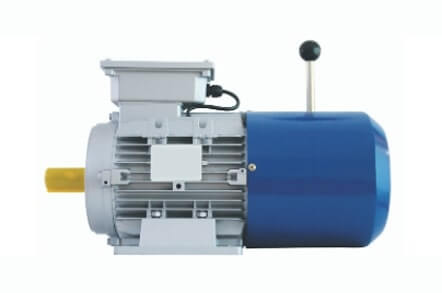
Are there energy-saving technologies or features available in modern AC motors?
Yes, modern AC motors often incorporate various energy-saving technologies and features designed to improve their efficiency and reduce power consumption. These advancements aim to minimize energy losses and optimize motor performance. Here are some energy-saving technologies and features commonly found in modern AC motors:
- High-Efficiency Designs: Modern AC motors are often designed with higher efficiency standards compared to older models. These motors are built using advanced materials and optimized designs to reduce energy losses, such as resistive losses in motor windings and mechanical losses due to friction and drag. High-efficiency motors can achieve energy savings by converting a higher percentage of electrical input power into useful mechanical work.
- Premium Efficiency Standards: International standards and regulations, such as the NEMA Premium® and IE (International Efficiency) classifications, define minimum energy efficiency requirements for AC motors. Premium efficiency motors meet or exceed these standards, offering improved efficiency compared to standard motors. These motors often incorporate design enhancements, such as improved core materials, reduced winding resistance, and optimized ventilation systems, to achieve higher efficiency levels.
- Variable Frequency Drives (VFDs): VFDs, also known as adjustable speed drives or inverters, are control devices that allow AC motors to operate at variable speeds by adjusting the frequency and voltage of the electrical power supplied to the motor. By matching the motor speed to the load requirements, VFDs can significantly reduce energy consumption. VFDs are particularly effective in applications where the motor operates at a partial load for extended periods, such as HVAC systems, pumps, and fans.
- Efficient Motor Control Algorithms: Modern motor control algorithms, implemented in motor drives or control systems, optimize motor operation for improved energy efficiency. These algorithms dynamically adjust motor parameters, such as voltage, frequency, and current, based on load conditions, thereby minimizing energy wastage. Advanced control techniques, such as sensorless vector control or field-oriented control, enhance motor performance and efficiency by precisely regulating the motor’s magnetic field.
- Improved Cooling and Ventilation: Effective cooling and ventilation are crucial for maintaining motor efficiency. Modern AC motors often feature enhanced cooling systems, including improved fan designs, better airflow management, and optimized ventilation paths. Efficient cooling helps prevent motor overheating and reduces losses due to heat dissipation. Some motors also incorporate thermal monitoring and protection mechanisms to avoid excessive temperatures and ensure optimal operating conditions.
- Bearings and Friction Reduction: Friction losses in bearings and mechanical components can consume significant amounts of energy in AC motors. Modern motors employ advanced bearing technologies, such as sealed or lubrication-free bearings, to reduce friction and minimize energy losses. Additionally, optimized rotor and stator designs, along with improved manufacturing techniques, help reduce mechanical losses and enhance motor efficiency.
- Power Factor Correction: Power factor is a measure of how effectively electrical power is being utilized. AC motors with poor power factor can contribute to increased reactive power consumption and lower overall power system efficiency. Power factor correction techniques, such as capacitor banks or power factor correction controllers, are often employed to improve power factor and minimize reactive power losses, resulting in more efficient motor operation.
By incorporating these energy-saving technologies and features, modern AC motors can achieve significant improvements in energy efficiency, leading to reduced power consumption and lower operating costs. When considering the use of AC motors, it is advisable to select models that meet or exceed recognized efficiency standards and consult manufacturers or experts to ensure the motor’s compatibility with specific applications and energy-saving requirements.
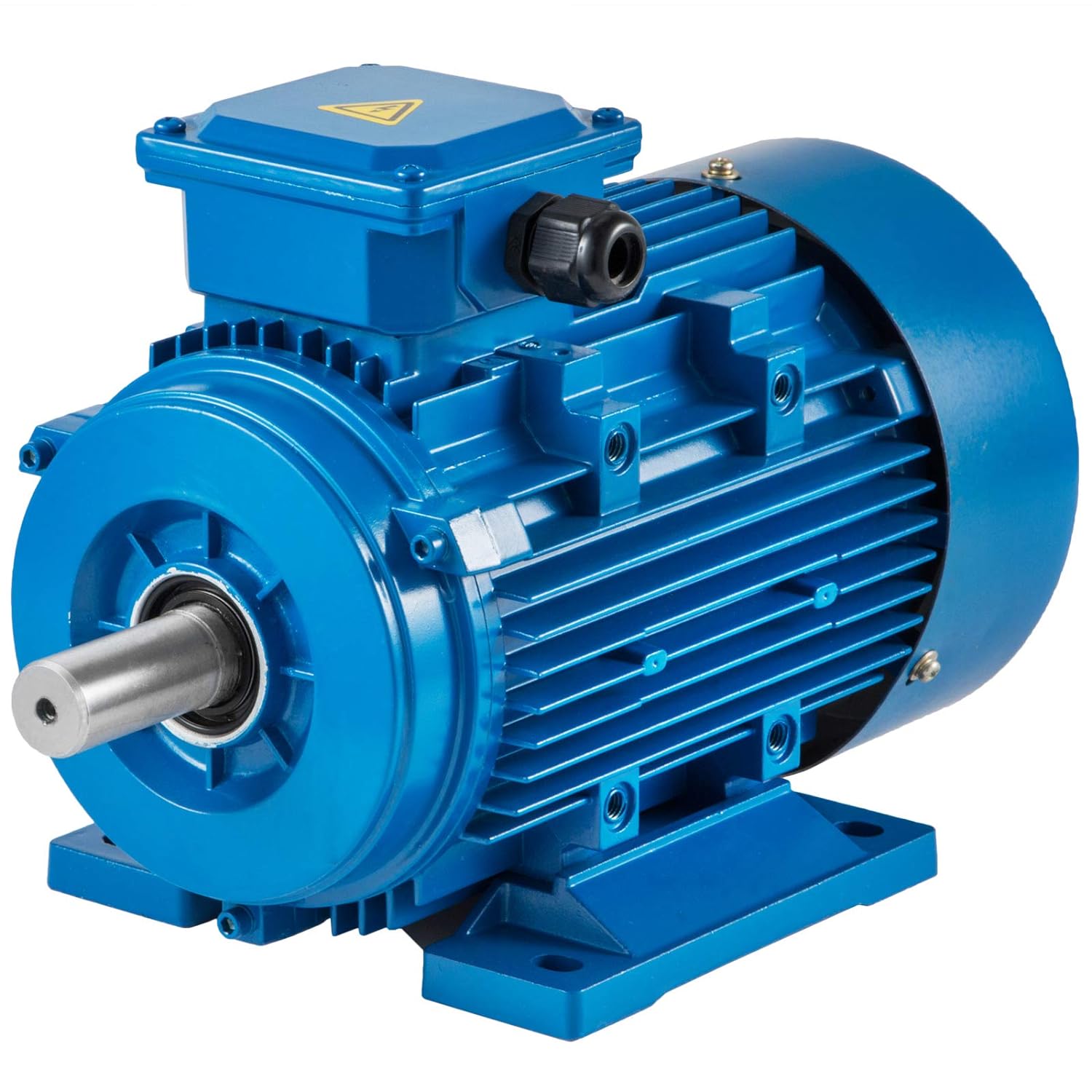
Are there different types of AC motors, and what are their specific applications?
Yes, there are different types of AC motors, each with its own design, characteristics, and applications. The main types of AC motors include:
- Induction Motors: Induction motors are the most commonly used type of AC motor. They are robust, reliable, and suitable for a wide range of applications. Induction motors operate based on the principle of electromagnetic induction. They consist of a stator with stator windings and a rotor with short-circuited conductive bars or coils. The rotating magnetic field produced by the stator windings induces currents in the rotor, creating a magnetic field that interacts with the stator field and generates torque. Induction motors are widely used in industries such as manufacturing, HVAC systems, pumps, fans, compressors, and conveyor systems.
- Synchronous Motors: Synchronous motors are another type of AC motor commonly used in applications that require precise speed control. They operate at synchronous speed, which is determined by the frequency of the AC power supply and the number of motor poles. Synchronous motors have a rotor with electromagnets that are magnetized by direct current, allowing the rotor to lock onto the rotating magnetic field of the stator and rotate at the same speed. Synchronous motors are often used in applications such as industrial machinery, generators, compressors, and large HVAC systems.
- Brushless DC Motors: While the name suggests “DC,” brushless DC motors are actually driven by AC power. They utilize electronic commutation instead of mechanical brushes for switching the current in the motor windings. Brushless DC motors offer high efficiency, low maintenance, and precise control over speed and torque. They are commonly used in applications such as electric vehicles, robotics, computer disk drives, aerospace systems, and consumer electronics.
- Universal Motors: Universal motors are versatile motors that can operate on both AC and DC power. They are designed with a wound stator and a commutator rotor. Universal motors offer high starting torque and can achieve high speeds. They are commonly used in applications such as portable power tools, vacuum cleaners, food mixers, and small appliances.
- Shaded Pole Motors: Shaded pole motors are simple and inexpensive AC motors. They have a single-phase stator and a squirrel cage rotor. Shaded pole motors are characterized by low starting torque and relatively low efficiency. Due to their simple design and low cost, they are commonly used in applications such as small fans, refrigeration equipment, and appliances.
These are some of the main types of AC motors, each with its unique features and applications. The selection of an AC motor type depends on factors such as the required torque, speed control requirements, efficiency, cost, and environmental conditions. Understanding the specific characteristics and applications of each type allows for choosing the most suitable motor for a given application.


editor by CX 2024-04-15


