
Opis produktu
Opis produktu
NEMA Single Phase Air Compressor Motor Feature:
HP:2-5HP
RPM:3600RPM
Frame:56-215T
Protection:IP23
Class B Temp Rise
Removable Universal Base
Overload Protection With Manual Reset
Capacitor Start / Capacitor Run
| Model | HP | RPM | AMPS | VOLTS | FRAME | HZ | IP | INS |
| CM01256 | 1 | 3600 | 13.2/6.6 | 115/230 | 56 | 60 | 23 | F |
| 120156-ODP | 1 | 3600 | 11.2/5.6 | 115/230 | ||||
| CM15256 | 1.5 | 3600 | 17.4/8.7 | 115/230 | ||||
| CM57156 | 2SPL | 3600 | 15/7.5 | 115/230 | ||||
| CM03256 | 3SPL | 3600 | 18/9 | 115/230 | ||||
| 12 0571 -ODP | 3.7SPL | 3600 | 16-15 | 208-230 | ||||
| CM05256 | 5SPL | 3600 | 16-15 | 208-230 | ||||
| 1203T-ODP | 3 | 3600 | 16-15 | 208-230 | 143/5T | |||
| 1205T-ODP | 5 | 3600 | 22-21 | 208-230 | 143/5T | |||
| CM032145T | 3 | 3600 | 25.0/12.5A | 115/230 | 145T | 60 | 23 | F |
| CM032182T | 3600 | 13.8-13.0A | 208-230 | 182/4T | ||||
| CM034184T | 1800 | 16.8-16.0A | 208-230 | 182/4T | ||||
| CM5714T | 5 | 3600 | 24.0-23.0A | 208-230 | 182/4T | |||
| CM054184T | 1800 | 22.7-20.6A | 208-230 | 182/4T | ||||
| CM722184T | 7.5 | 3600 | 33.0-30.0A | 208-230 | 182/4T | |||
| CM724215T | 1800 | 33.0-31.4A | 208-230 | 213/5T | ||||
| CM157115T | 10 | 3600 | 48.0-46.0A | 208-230 | 213/5T | |||
| CM15715T | 1800 | 41.0-40.0A | 208-230 | 213/5T | ||||
| CMW032184T | 3 | 3600 | 13.8-13.0A | 208-230 | 182/4T | |||
| CMW034184T | 1800 | 16.8-15.0A | 208-230 | 182/4T | ||||
| CMW5714T | 5 | 3600 | 24.0-23.0A | 208-230 | 182/4T | |||
| CMW054184T | 1800 | 28.5-27.0A | 208-230 | 182/4T | ||||
| CMW722184T | 7.5 | 3600 | 33.4-29.6A | 208-230 | 182/4T | |||
| CMF032145T | 3 | 3600 | 13.8-13.0A | 208-230 | 145T | 60 | 23 | F |
| CMF032182T | 3600 | 13.8-13.0A | 208-230 | 182/4T | ||||
| CMF034184T | 1800 | 16.8-16.0A | 208-230 | 182/4T | ||||
| CMF5714T | 5 | 3600 | 24.0-23.0A | 208-230 | 182/4T | |||
| CMF054184T | 1800 | 22.7-20.6A | 208-230 | 182/4T | ||||
| CMF722184T | 7.5 | 3600 | 33.0-30.0A | 208-230 | 182/4T | |||
| CMF724215T | 1800 | 33.0-31.4A | 208-230 | 213/5T | ||||
| CMF157115T | 10 | 3600 | 48.0-46.0A | 208-230 | 213/5T | |||
| CMF15715T | 1800 | 41.0-40.0A | 208-230 | 213/5T |
Profil firmy
HangZhou CHINAMFG Motor Factory is located in China’s coastal city – in HangZhou City. The transportation is very convenient. (Close to NO.104 National Road, HangZhou)Founded in 2003, we have many years of motor manufacturing history. Our company has strong scientific and technological strength, advanced development tools, high-efficient production facilities, and complete testing means. We have improved the modern management system. We produce IEC standard aluminum shell, die-casting aluminum casing and NEMA standard electrical motor shell plate, which are used in air compressors, agricultural machinery, electric tools, pumps, and fans. With superior performance and good prices, we have enjoyed a high reputation.We are actively plHangZhou and making technical innovation, and look CHINAMFG to further improving the modern enterprise management system. We hope to provide more advanced technology, more internationally competitive products and higher quality services to our customers. We are committed to constantly striving for excellence, and create a glorious future in the field!
The production workshop
Opakowanie i wysyłka
Certifications
The exhibition
Product recommend
Często zadawane pytania
Q:Are you a manufacturer ? And where is it ?
A:We are a professional manufacturer in electric motors, and our factory is located in HangZhou City, ZHangZhoug province, China.
Q:What’is your terms of payment ?
A:T/T is available. (30%deposit before production, 70%balance before shipping)
Q:What’s your delivery time ?
A:Products will usually be shipped in 20 days after the initial payment.
Q:How do you pack your products ?
A:Small motors are packed in plywood cases, and large motors in wooden cases.
Q:what service can we provide ?
A:Accepted Delivery Terms: FOB;Accepted Payment Currency:USD;Accepted Payment Type: T/T;Language Spoken:English,Chinese;
/* 22 stycznia 2571 19:08:37 */!function(){function s(e,r){var a,o={};try{e&&e.split(„”,).forEach(function(e,t){e&&(a=e.match(/(.*?):(.*)$/))&&1
| Application: | Machine Tool |
|---|---|
| Speed: | Low Speed |
| Number of Stator: | Single-Phase |
| Function: | Control |
| Casing Protection: | Open Type |
| Number of Poles: | 2 |
| Samples: |
US$ 150/Piece
1 Piece(Min.Order) | |
|---|
| Customization: |
Available
|
|
|---|
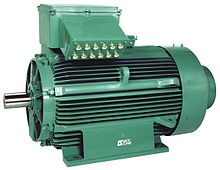
Czy z zastosowaniem silników prądu przemiennego wiążą się jakieś kwestie związane z ochroną środowiska?
Tak, z użytkowaniem silników prądu przemiennego wiąże się szereg kwestii środowiskowych. Dotyczą one przede wszystkim zużycia energii, emisji gazów cieplarnianych oraz utylizacji silników po zakończeniu ich cyklu życia. Przyjrzyjmy się tym kwestiom środowiskowym szczegółowo:
- Efektywność energetyczna: Silniki prądu przemiennego mogą charakteryzować się różnym poziomem sprawności energetycznej, co bezpośrednio wpływa na ich wpływ na środowisko. Silniki o wyższej sprawności przetwarzają większy procent energii elektrycznej na użyteczną pracę mechaniczną, co przekłada się na mniejsze zużycie energii. Wybierając i stosując wysokosprawne silniki prądu przemiennego, można zminimalizować zużycie energii, co prowadzi do zmniejszenia emisji gazów cieplarnianych i ograniczenia uzależnienia od paliw kopalnych w produkcji energii elektrycznej.
- Emisja gazów cieplarnianych: Energia elektryczna zużywana przez silniki prądu przemiennego jest często wytwarzana przez elektrownie spalające paliwa kopalne, takie jak węgiel, gaz ziemny lub ropa naftowa. Wytwarzanie energii elektrycznej z tych paliw kopalnych powoduje emisję gazów cieplarnianych, przyczyniając się do zmiany klimatu. Dzięki stosowaniu energooszczędnych silników i optymalizacji systemów napędowych, firmy i osoby prywatne mogą zmniejszyć swoje zapotrzebowanie na energię elektryczną, co przekłada się na niższą emisję gazów cieplarnianych i mniejszy ślad węglowy.
- Utylizacja i recykling silników: Silniki prądu przemiennego zawierają różne materiały, w tym metale, tworzywa sztuczne i elementy elektryczne. Po zakończeniu cyklu życia silnika, jego prawidłowa utylizacja lub recykling są istotne, aby zminimalizować jego wpływ na środowisko. Niektóre elementy, takie jak uzwojenia miedziane i stalowe obudowy, nadają się do recyklingu, co zmniejsza zapotrzebowanie na nowe surowce i energochłonne procesy produkcyjne. Przestrzeganie lokalnych przepisów i wytycznych dotyczących utylizacji i recyklingu silników jest kluczowe, aby zapobiegać zanieczyszczeniu środowiska i promować oszczędzanie zasobów.
- Produkcja i wytwarzanie: Procesy produkcyjne i produkcyjne związane z silnikami prądu przemiennego mogą mieć wpływ na środowisko. Wydobycie i przetwarzanie surowców, takich jak metale i tworzywa sztuczne, może prowadzić do niszczenia siedlisk, zużycia energii i emisji gazów cieplarnianych. Ponadto, same procesy produkcyjne mogą generować odpady i zanieczyszczenia. Producenci silników mogą łagodzić ten wpływ na środowisko, stosując zrównoważone praktyki, wykorzystując materiały pochodzące z recyklingu, ograniczając wytwarzanie odpadów i wdrażając energooszczędne metody produkcji.
- Ocena cyklu życia: Przeprowadzenie oceny cyklu życia (LCA) silników prądu przemiennego może zapewnić holistyczny obraz ich wpływu na środowisko. LCA uwzględnia aspekty środowiskowe związane z całym cyklem życia silnika, w tym wydobycie surowców, produkcję, transport, użytkowanie oraz utylizację lub recykling po zakończeniu eksploatacji. Analizując poszczególne etapy cyklu życia silnika, interesariusze mogą zidentyfikować możliwości poprawy, takie jak optymalizacja efektywności energetycznej, redukcja emisji i wdrażanie zrównoważonych praktyk.
Aby uwzględnić te kwestie środowiskowe, rządy, organizacje i organy normalizacyjne branży opracowały przepisy i wytyczne mające na celu promowanie efektywności energetycznej i ograniczenie wpływu silników prądu przemiennego na środowisko. Obejmują one normy efektywności, programy etykietowania oraz zachęty do stosowania silników o wysokiej sprawności. Ponadto inicjatywy promujące optymalizację układów napędowych, takie jak właściwy dobór wielkości silnika, konserwacja i sterowanie, mogą dodatkowo zwiększyć efektywność energetyczną i zminimalizować wpływ na środowisko.
Podsumowując, kwestie środowiskowe związane z użytkowaniem silników prądu przemiennego obejmują efektywność energetyczną, emisję gazów cieplarnianych, utylizację i recykling silników, procesy produkcyjne oraz ocenę cyklu życia. Priorytetowe traktowanie efektywności energetycznej, prawidłowej utylizacji, recyklingu i zrównoważonych praktyk produkcyjnych pozwala zminimalizować wpływ silników prądu przemiennego na środowisko, przyczyniając się do bardziej zrównoważonego i proekologicznego podejścia do użytkowania silników.
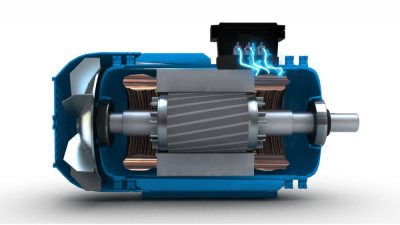
What are the common signs of AC motor failure, and how can they be addressed?
AC motor failure can lead to disruptions in various industrial and commercial applications. Recognizing the common signs of motor failure is crucial for timely intervention and preventing further damage. Here are some typical signs of AC motor failure and potential ways to address them:
- Excessive Heat: Excessive heat is a common indicator of motor failure. If a motor feels excessively hot to the touch or emits a burning smell, it could signify issues such as overloaded windings, poor ventilation, or bearing problems. To address this, first, ensure that the motor is properly sized for the application. Check for obstructions around the motor that may be impeding airflow and causing overheating. Clean or replace dirty or clogged ventilation systems. If the issue persists, consult a qualified technician to inspect the motor windings and bearings and make any necessary repairs or replacements.
- Abnormal Noise or Vibration: Unusual noises or vibrations coming from an AC motor can indicate various problems. Excessive noise may be caused by loose or damaged components, misaligned shafts, or worn bearings. Excessive vibration can result from imbalanced rotors, misalignment, or worn-out motor parts. Addressing these issues involves inspecting and adjusting motor components, ensuring proper alignment, and replacing damaged or worn-out parts. Regular maintenance, including lubrication of bearings, can help prevent excessive noise and vibration and extend the motor’s lifespan.
- Intermittent Operation: Intermittent motor operation, where the motor starts and stops unexpectedly or fails to start consistently, can be a sign of motor failure. This can be caused by issues such as faulty wiring connections, damaged or worn motor brushes, or problems with the motor’s control circuitry. Check for loose or damaged wiring connections and make any necessary repairs. Inspect and replace worn or damaged motor brushes. If the motor still exhibits intermittent operation, it may require professional troubleshooting and repair by a qualified technician.
- Overheating or Tripping of Circuit Breakers: If an AC motor consistently causes circuit breakers to trip or if it repeatedly overheats, it indicates a problem that needs attention. Possible causes include high starting currents, excessive loads, or insulation breakdown. Verify that the motor is not overloaded and that the load is within the motor’s rated capacity. Check the motor’s insulation resistance to ensure it is within acceptable limits. If these measures do not resolve the issue, consult a professional to assess the motor and its electrical connections for any faults or insulation breakdown that may require repair or replacement.
- Decreased Performance or Efficiency: A decline in motor performance or efficiency can be an indication of impending failure. This may manifest as reduced speed, decreased torque, increased energy consumption, or inadequate power output. Factors contributing to decreased performance can include worn bearings, damaged windings, or deteriorated insulation. Regular maintenance, including lubrication and cleaning, can help prevent these issues. If performance continues to decline, consult a qualified technician to inspect the motor and perform any necessary repairs or replacements.
- Inoperative Motor: If an AC motor fails to operate entirely, there may be an issue with the power supply, control circuitry, or internal motor components. Check the power supply and connections for any faults or interruptions. Inspect control circuitry, such as motor starters or contactors, for any damage or malfunction. If no external faults are found, it may be necessary to dismantle the motor and inspect internal components, such as windings or brushes, for any faults or failures that require repair or replacement.
It’s important to note that motor failure causes can vary depending on factors such as motor type, operating conditions, and maintenance practices. Regular motor maintenance, including inspections, lubrication, and cleaning, is essential for early detection of potential failure signs and for addressing issues promptly. When in doubt, it is advisable to consult a qualified electrician, motor technician, or manufacturer’s guidelines for appropriate troubleshooting and repair procedures specific to the motor model and application.
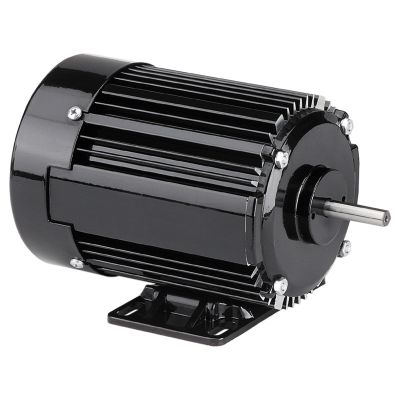
How does the speed control mechanism work in AC motors?
The speed control mechanism in AC motors varies depending on the type of motor. Here, we will discuss the speed control methods used in two common types of AC motors: induction motors and synchronous motors.
Speed Control in Induction Motors:
Induction motors are typically designed to operate at a constant speed determined by the frequency of the AC power supply and the number of motor poles. However, there are several methods for controlling the speed of induction motors:
- Varying the Frequency: By varying the frequency of the AC power supply, the speed of an induction motor can be adjusted. This method is known as variable frequency drive (VFD) control. VFDs convert the incoming AC power supply into a variable frequency and voltage output, allowing precise control of motor speed. This method is commonly used in industrial applications where speed control is crucial, such as conveyors, pumps, and fans.
- Changing the Number of Stator Poles: The speed of an induction motor is inversely proportional to the number of stator poles. By changing the connections of the stator windings or using a motor with a different pole configuration, the speed can be adjusted. However, this method is less commonly used and is typically employed in specialized applications.
- Adding External Resistance: In some cases, external resistance can be added to the rotor circuit of an induction motor to control its speed. This method, known as rotor resistance control, involves inserting resistors in series with the rotor windings. By varying the resistance, the rotor current and torque can be adjusted, resulting in speed control. However, this method is less efficient and is mainly used in specific applications where precise control is not required.
Speed Control in Synchronous Motors:
Synchronous motors offer more precise speed control compared to induction motors due to their inherent synchronous operation. The following methods are commonly used for speed control in synchronous motors:
- Adjusting the AC Power Frequency: Similar to induction motors, changing the frequency of the AC power supply can control the speed of synchronous motors. By adjusting the power frequency, the synchronous speed of the motor can be altered. This method is often used in applications where precise speed control is required, such as industrial machinery and processes.
- Using a Variable Frequency Drive: Variable frequency drives (VFDs) can also be used to control the speed of synchronous motors. By converting the incoming AC power supply into a variable frequency and voltage output, VFDs can adjust the motor speed with high accuracy and efficiency.
- DC Field Control: In some synchronous motors, the rotor field is supplied by a direct current (DC) source, allowing for precise control over the motor’s speed. By adjusting the DC field current, the magnetic field strength and speed of the motor can be controlled. This method is commonly used in applications that require fine-tuned speed control, such as industrial processes and high-performance machinery.
These methods provide different ways to control the speed of AC motors, allowing for flexibility and adaptability in various applications. The choice of speed control mechanism depends on factors such as the motor type, desired speed range, accuracy requirements, efficiency considerations, and cost constraints.


editor by CX 2024-04-09


