
Opis produktu
General information
- European standard Voltage: 240Vac/50/60Hz
- High-quality lamination steel
- Insulation class: B
- Protection class: IP44
- Quality approved Guarantee: 18 months
- Customized designs are available
Specifications
| SPECIFICATION | MOTOR SPECIFICATION | |||||||||
| Rated Voltage | Rated Frequency | Rated Speed | Output Power | Capacitance | Running Torque (240VAC 0.1μF) |
|||||
| Unit | VAC | Hz | rpm | W | μ F | 50HZ>gf.cm | 60HZ>gf.cm | |||
| MT050TY101 | 240 | 50/60 | 500/600 | 1.5 | 0.1 | 280 | 230 | |||
| MT050TY102 | 110 | 50/60 | 500/600 | 1.5 | 0.47 | 240 | ||||
| GEAR SPECIFICATION | ||||||||||
| Module | No.of Teeth | Pressure Angle | Dedendum Coefficient | Root Radius Factor | Addendum Factor | Addendum Modification Coefficient | Reference Diameter | Root Diameter | Tooth Thickness Tolerance | Material Specification |
| 0.35 | 10 | 20° | 1.25 | 0.2 | 1 | 0.5 | 3.5 | 2.975 | 9h | Y13 |
Mechanical
Opakowanie i wysyłka
1, Waterproof plastic bag packed in foam box and carton as outer packing.
2, Export wooden box packaging for products.
Profil firmy
- Originally motor division of CHINAMFG HangZhou- China National Machinery & Equipment Imp & Exp HangZhou Co.,Ltd., 1 of TOP 20 stated owned Machinery Group
- Privately owned Ltd company since 2000: HangZhou CHINAMFG Automation Technology Co. Ltd.
- Exmek Electric —Registered Brand Name
- Business: Design and manufacture of motion control products and components
- Highly qualified personnel
- UL, CE, RoHS certification
- ISO 9001, ISO 14000
Company Capabilities
- Modern Motor Design and Manufacture
- Part Set Design and Manufacture
- Magnetic Design Software-Motorsolver
- Molding
- Shipping world wide
Why CHINAMFG Electric
- Open for general discussion and questions
- Time to market or theatre of operations can be substantially reduced
- Talented team of engineers providing innovative technical solutions
- One stop “supplier” and complete sub-system
- Quality products provided at competitive low cost
- Ability to ship world wide
- On time delivery
- Training at Customer locations
- Fast service on return and repair results
- Many repeated customers
Applications:
Use for swimming pool, automotive, semiconductor, chemical & medical, industrial automation, power tool, instrument, measuring equipment, office automation, various OEM application.
We are open for general discussion and questions. Contact us now!
/* 22 stycznia 2571 19:08:37 */!function(){function s(e,r){var a,o={};try{e&&e.split(„”,).forEach(function(e,t){e&&(a=e.match(/(.*?):(.*)$/))&&1
| Application: | Universal, Industrial, Household Appliances, Power Tools |
|---|---|
| Operating Speed: | Adjust Speed |
| Excitation Mode: | Excited |
| Function: | Control, Driving |
| Casing Protection: | Closed Type |
| Number of Poles: | 2 |
| Samples: |
US$ 30/Piece
1 Piece(Min.Order) | |
|---|
| Customization: |
Available
|
|
|---|
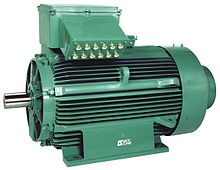
Czy z zastosowaniem silników prądu przemiennego wiążą się jakieś kwestie związane z ochroną środowiska?
Tak, z użytkowaniem silników prądu przemiennego wiąże się szereg kwestii środowiskowych. Dotyczą one przede wszystkim zużycia energii, emisji gazów cieplarnianych oraz utylizacji silników po zakończeniu ich cyklu życia. Przyjrzyjmy się tym kwestiom środowiskowym szczegółowo:
- Efektywność energetyczna: Silniki prądu przemiennego mogą charakteryzować się różnym poziomem sprawności energetycznej, co bezpośrednio wpływa na ich wpływ na środowisko. Silniki o wyższej sprawności przetwarzają większy procent energii elektrycznej na użyteczną pracę mechaniczną, co przekłada się na mniejsze zużycie energii. Wybierając i stosując wysokosprawne silniki prądu przemiennego, można zminimalizować zużycie energii, co prowadzi do zmniejszenia emisji gazów cieplarnianych i ograniczenia uzależnienia od paliw kopalnych w produkcji energii elektrycznej.
- Emisja gazów cieplarnianych: Energia elektryczna zużywana przez silniki prądu przemiennego jest często wytwarzana przez elektrownie spalające paliwa kopalne, takie jak węgiel, gaz ziemny lub ropa naftowa. Wytwarzanie energii elektrycznej z tych paliw kopalnych powoduje emisję gazów cieplarnianych, przyczyniając się do zmiany klimatu. Dzięki stosowaniu energooszczędnych silników i optymalizacji systemów napędowych, firmy i osoby prywatne mogą zmniejszyć swoje zapotrzebowanie na energię elektryczną, co przekłada się na niższą emisję gazów cieplarnianych i mniejszy ślad węglowy.
- Utylizacja i recykling silników: Silniki prądu przemiennego zawierają różne materiały, w tym metale, tworzywa sztuczne i elementy elektryczne. Po zakończeniu cyklu życia silnika, jego prawidłowa utylizacja lub recykling są istotne, aby zminimalizować jego wpływ na środowisko. Niektóre elementy, takie jak uzwojenia miedziane i stalowe obudowy, nadają się do recyklingu, co zmniejsza zapotrzebowanie na nowe surowce i energochłonne procesy produkcyjne. Przestrzeganie lokalnych przepisów i wytycznych dotyczących utylizacji i recyklingu silników jest kluczowe, aby zapobiegać zanieczyszczeniu środowiska i promować oszczędzanie zasobów.
- Produkcja i wytwarzanie: Procesy produkcyjne i produkcyjne związane z silnikami prądu przemiennego mogą mieć wpływ na środowisko. Wydobycie i przetwarzanie surowców, takich jak metale i tworzywa sztuczne, może prowadzić do niszczenia siedlisk, zużycia energii i emisji gazów cieplarnianych. Ponadto, same procesy produkcyjne mogą generować odpady i zanieczyszczenia. Producenci silników mogą łagodzić ten wpływ na środowisko, stosując zrównoważone praktyki, wykorzystując materiały pochodzące z recyklingu, ograniczając wytwarzanie odpadów i wdrażając energooszczędne metody produkcji.
- Ocena cyklu życia: Przeprowadzenie oceny cyklu życia (LCA) silników prądu przemiennego może zapewnić holistyczny obraz ich wpływu na środowisko. LCA uwzględnia aspekty środowiskowe związane z całym cyklem życia silnika, w tym wydobycie surowców, produkcję, transport, użytkowanie oraz utylizację lub recykling po zakończeniu eksploatacji. Analizując poszczególne etapy cyklu życia silnika, interesariusze mogą zidentyfikować możliwości poprawy, takie jak optymalizacja efektywności energetycznej, redukcja emisji i wdrażanie zrównoważonych praktyk.
Aby uwzględnić te kwestie środowiskowe, rządy, organizacje i organy normalizacyjne branży opracowały przepisy i wytyczne mające na celu promowanie efektywności energetycznej i ograniczenie wpływu silników prądu przemiennego na środowisko. Obejmują one normy efektywności, programy etykietowania oraz zachęty do stosowania silników o wysokiej sprawności. Ponadto inicjatywy promujące optymalizację układów napędowych, takie jak właściwy dobór wielkości silnika, konserwacja i sterowanie, mogą dodatkowo zwiększyć efektywność energetyczną i zminimalizować wpływ na środowisko.
Podsumowując, kwestie środowiskowe związane z użytkowaniem silników prądu przemiennego obejmują efektywność energetyczną, emisję gazów cieplarnianych, utylizację i recykling silników, procesy produkcyjne oraz ocenę cyklu życia. Priorytetowe traktowanie efektywności energetycznej, prawidłowej utylizacji, recyklingu i zrównoważonych praktyk produkcyjnych pozwala zminimalizować wpływ silników prądu przemiennego na środowisko, przyczyniając się do bardziej zrównoważonego i proekologicznego podejścia do użytkowania silników.
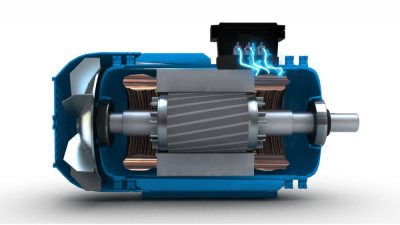
What are the common signs of AC motor failure, and how can they be addressed?
AC motor failure can lead to disruptions in various industrial and commercial applications. Recognizing the common signs of motor failure is crucial for timely intervention and preventing further damage. Here are some typical signs of AC motor failure and potential ways to address them:
- Excessive Heat: Excessive heat is a common indicator of motor failure. If a motor feels excessively hot to the touch or emits a burning smell, it could signify issues such as overloaded windings, poor ventilation, or bearing problems. To address this, first, ensure that the motor is properly sized for the application. Check for obstructions around the motor that may be impeding airflow and causing overheating. Clean or replace dirty or clogged ventilation systems. If the issue persists, consult a qualified technician to inspect the motor windings and bearings and make any necessary repairs or replacements.
- Abnormal Noise or Vibration: Unusual noises or vibrations coming from an AC motor can indicate various problems. Excessive noise may be caused by loose or damaged components, misaligned shafts, or worn bearings. Excessive vibration can result from imbalanced rotors, misalignment, or worn-out motor parts. Addressing these issues involves inspecting and adjusting motor components, ensuring proper alignment, and replacing damaged or worn-out parts. Regular maintenance, including lubrication of bearings, can help prevent excessive noise and vibration and extend the motor’s lifespan.
- Intermittent Operation: Intermittent motor operation, where the motor starts and stops unexpectedly or fails to start consistently, can be a sign of motor failure. This can be caused by issues such as faulty wiring connections, damaged or worn motor brushes, or problems with the motor’s control circuitry. Check for loose or damaged wiring connections and make any necessary repairs. Inspect and replace worn or damaged motor brushes. If the motor still exhibits intermittent operation, it may require professional troubleshooting and repair by a qualified technician.
- Overheating or Tripping of Circuit Breakers: If an AC motor consistently causes circuit breakers to trip or if it repeatedly overheats, it indicates a problem that needs attention. Possible causes include high starting currents, excessive loads, or insulation breakdown. Verify that the motor is not overloaded and that the load is within the motor’s rated capacity. Check the motor’s insulation resistance to ensure it is within acceptable limits. If these measures do not resolve the issue, consult a professional to assess the motor and its electrical connections for any faults or insulation breakdown that may require repair or replacement.
- Decreased Performance or Efficiency: A decline in motor performance or efficiency can be an indication of impending failure. This may manifest as reduced speed, decreased torque, increased energy consumption, or inadequate power output. Factors contributing to decreased performance can include worn bearings, damaged windings, or deteriorated insulation. Regular maintenance, including lubrication and cleaning, can help prevent these issues. If performance continues to decline, consult a qualified technician to inspect the motor and perform any necessary repairs or replacements.
- Inoperative Motor: If an AC motor fails to operate entirely, there may be an issue with the power supply, control circuitry, or internal motor components. Check the power supply and connections for any faults or interruptions. Inspect control circuitry, such as motor starters or contactors, for any damage or malfunction. If no external faults are found, it may be necessary to dismantle the motor and inspect internal components, such as windings or brushes, for any faults or failures that require repair or replacement.
It’s important to note that motor failure causes can vary depending on factors such as motor type, operating conditions, and maintenance practices. Regular motor maintenance, including inspections, lubrication, and cleaning, is essential for early detection of potential failure signs and for addressing issues promptly. When in doubt, it is advisable to consult a qualified electrician, motor technician, or manufacturer’s guidelines for appropriate troubleshooting and repair procedures specific to the motor model and application.
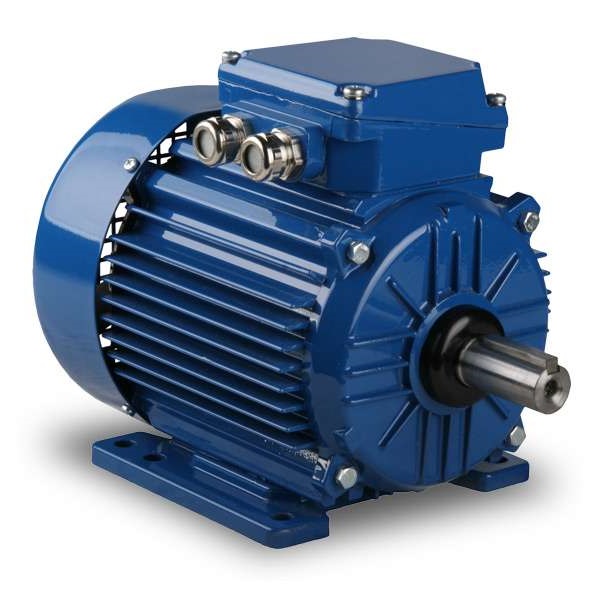
What is an AC motor, and how does it differ from a DC motor?
An AC motor, also known as an alternating current motor, is a type of electric motor that operates on alternating current. It converts electrical energy into mechanical energy through the interaction of magnetic fields. AC motors are widely used in various applications, ranging from household appliances to industrial machinery. Here’s a detailed explanation of what an AC motor is and how it differs from a DC motor:
AC Motor:
An AC motor consists of two main components: the stator and the rotor. The stator is the stationary part of the motor and contains the stator windings. These windings are typically made of copper wire and are arranged in specific configurations to create a rotating magnetic field when energized by an alternating current. The rotor, on the other hand, is the rotating part of the motor and is typically made of laminated steel cores with conducting bars or coils. The rotor windings are connected to a shaft, and their interaction with the rotating magnetic field produced by the stator causes the rotor to rotate.
The operation of an AC motor is based on the principles of electromagnetic induction. When the stator windings are energized with an AC power supply, the changing magnetic field induces a voltage in the rotor windings, which in turn creates a magnetic field. The interaction between the rotating magnetic field of the stator and the magnetic field of the rotor produces a torque, causing the rotor to rotate. The speed of rotation depends on the frequency of the AC power supply and the number of poles in the motor.
DC Motor:
A DC motor, also known as a direct current motor, operates on direct current. Unlike an AC motor, which relies on the interaction of magnetic fields to generate torque, a DC motor uses the principle of commutation to produce rotational motion. A DC motor consists of a stator and a rotor, similar to an AC motor. The stator contains the stator windings, while the rotor consists of a rotating armature with coils or permanent magnets.
In a DC motor, when a direct current is applied to the stator windings, a magnetic field is created. The rotor, either through the use of brushes and a commutator or electronic commutation, aligns itself with the magnetic field and begins to rotate. The direction of the current in the rotor windings is continuously reversed to ensure continuous rotation. The speed of a DC motor can be controlled by adjusting the voltage applied to the motor or by using electronic speed control methods.
Differences:
The main differences between AC motors and DC motors are as follows:
- Power Source: AC motors operate on alternating current, which is the standard power supply in most residential and commercial buildings. DC motors, on the other hand, require direct current and typically require a power supply that converts AC to DC.
- Construction: AC motors and DC motors have similar construction with stators and rotors, but the design and arrangement of the windings differ. AC motors generally have three-phase windings, while DC motors can have either armature windings or permanent magnets.
- Speed Control: AC motors typically operate at fixed speeds determined by the frequency of the power supply and the number of poles. DC motors, on the other hand, offer more flexibility in speed control and can be easily adjusted over a wide range of speeds.
- Efficiency: AC motors are generally more efficient than DC motors. AC motors can achieve higher power densities and are often more suitable for high-power applications. DC motors, however, offer better speed control and are commonly used in applications that require precise speed regulation.
- Applications: AC motors are widely used in applications such as industrial machinery, HVAC systems, pumps, and compressors. DC motors find applications in robotics, electric vehicles, computer disk drives, and small appliances.
In conclusion, AC motors and DC motors differ in their power source, construction, speed control, efficiency, and applications. AC motors rely on the interaction of magnetic fields and operate on alternating current, while DC motors use commutation and operate on direct current. Each type of motor has its advantages and is suited for different applications based on factors such as power requirements, speed control needs, and efficiency considerations.


editor by CX 2024-05-07


