
Productbeschrijving
Productbeschrijving
| MOTOR FRAME SIZE | 60 mm / 70mm / 80mm / 90mm / 104mm | ||
| MOTOR TYPE | INDUCTION MOTOR / REVERSIBLE MOTOR / TORQUE MOTOR / SPEED CONTROL MOTOR | ||
| SERIES | K series | ||
| OUTPUT POWER | 3 W / 6W / 10W / 15W / 25W / 40W / 60W / 90W / 120 W / 140W / 180W / 200W (can be customized) | ||
| OUTPUT SHAFT | 8mm / 10mm / 12mm / 15mm ; round shaft, D-cut shaft, key-way shaft (can be customized) | ||
| Voltage type | Single phase 100-120V 50/60Hz 4P | Single phase 200-240V 50/60Hz 4P | |
| Three phase 200-240V 50/60Hz | Three phase 380-415V 50/60Hz 4P | ||
| Three phase 440-480V 60Hz 4P | Three phase 200-240/380-415/440-480V 50/60/60Hz 4P | ||
| Accessories | Terminal box type / with Fan / thermal protector / electromagnetic brake | ||
| Above 60 W, all assembled with fan | |||
| GEARBOX FRAME SIZE | 60 mm / 70mm / 80mm / 90mm / 104mm | ||
| GEAR RATIO | 3G-300G | ||
| GEARBOX TYPE | PARALLEL SHAFT GEARBOX AND STRENGTH TYPE | ||
| Right angle hollow worm shaft | Right angle spiral bevel hollow shaft | L type hollow shaft | |
| Right angle CHINAMFG worm shaft | Right angle spiral bevel CHINAMFG shaft | L type CHINAMFG shaft | |
| K2 series air tightness improved type | |||
| Certification | CCC CE ISO9001 CQC | ||
other product
Certifications
Packaging & Shipping
Company Profile
Veelgestelde vragen
Q: How to select a suitable motor or gearbox?
A:If you have motor pictures or drawings to show us, or you have detailed specifications, such as, voltage, speed, torque, motor size, working mode of the motor, needed lifetime and noise level etc, please do not hesitate to let us know, then we can recommend suitable motor per your request accordingly.
Q: Do you have a customized service for your standard motors or gearboxes?
A: Yes, we can customize per your request for the voltage, speed, torque and shaft size/shape. If you need additional wires/cables soldered on the terminal or need to add connectors, or capacitors or EMC we can make it too.
Q: Do you have an individual design service for motors?
A: Yes, we would like to design motors individually for our customers, but some kind of molds are necessory to be developped which may need exact cost and design charging.
Q: What’s your lead time?
A: Generally speaking, our regular standard product will need 15-30days, a bit longer for customized products. But we are very flexible on the lead time, it will depend on the specific orders.
/* 22 januari 2571 19:08:37 */!function(){function s(e,r){var a,o={};try{e&&e.split(“,”).forEach(function(e,t){e&&(a=e.match(/(.*?):(.*)$/))&&1
| Sollicitatie: | Machine Tool |
|---|---|
| Snelheid: | High Speed |
| Aantal stators: | Three-Phase |
| Voorbeelden: |
US$ 50/Piece
1 stuk (minimale bestelling) | Order Sample |
|---|
| Aanpassing: |
Beschikbaar
|
|
|---|
.shipping-cost-tm .tm-status-off{background: none;padding:0;color: #1470cc}
| Shipping Cost:
Estimated freight per unit. |
about shipping cost and estimated delivery time. |
|---|
| Payment Method: |
|
|---|---|
|
Initial Payment Full Payment |
| Currency: | US$ |
|---|
| Return&refunds: | You can apply for a refund up to 30 days after receipt of the products. |
|---|
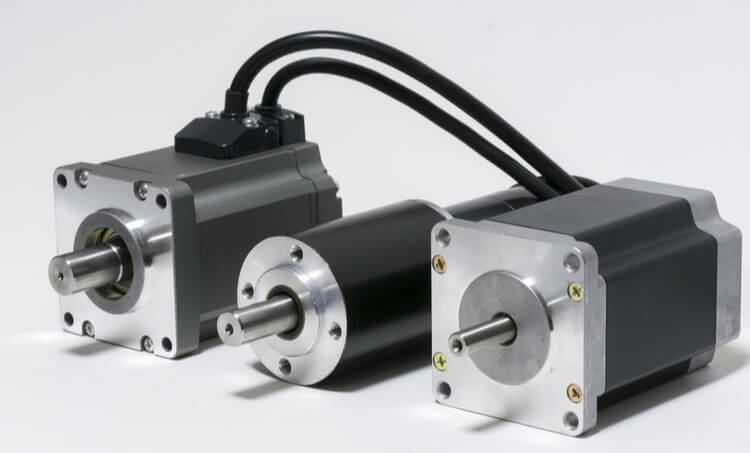
Are there specific maintenance requirements for AC motors to ensure optimal performance?
Yes, AC motors have specific maintenance requirements to ensure their optimal performance and longevity. Regular maintenance helps prevent unexpected failures, maximizes efficiency, and extends the lifespan of the motor. Here are some key maintenance practices for AC motors:
- Cleaning and Inspection: Regularly clean the motor to remove dust, dirt, and debris that can accumulate on the motor surfaces and hinder heat dissipation. Inspect the motor for any signs of damage, loose connections, or abnormal noise/vibration. Address any issues promptly to prevent further damage.
- Lubrication: Check the motor’s lubrication requirements and ensure proper lubrication of bearings, gears, and other moving parts. Insufficient or excessive lubrication can lead to increased friction, overheating, and premature wear. Follow the manufacturer’s guidelines for lubrication intervals and use the recommended lubricants.
- Belt and Pulley Maintenance: If the motor is coupled with a belt and pulley system, regularly inspect and adjust the tension of the belts. Improper belt tension can affect motor performance and efficiency. Replace worn-out belts and damaged pulleys as needed.
- Cooling System Maintenance: AC motors often have cooling systems such as fans or heat sinks to dissipate heat generated during operation. Ensure that these cooling systems are clean and functioning properly. Remove any obstructions that may impede airflow and compromise cooling efficiency.
- Electrical Connections: Regularly inspect the motor’s electrical connections for signs of loose or corroded terminals. Loose connections can lead to voltage drops, increased resistance, and overheating. Tighten or replace any damaged connections and ensure proper grounding.
- Vibration Analysis: Periodically perform vibration analysis on the motor to detect any abnormal vibrations. Excessive vibration can indicate misalignment, unbalanced rotors, or worn-out bearings. Address the underlying causes of vibration to prevent further damage and ensure smooth operation.
- Motor Testing: Conduct regular motor testing, such as insulation resistance testing and winding resistance measurement, to assess the motor’s electrical condition. These tests can identify insulation breakdown, winding faults, or other electrical issues that may affect motor performance and reliability.
- Professional Maintenance: For more complex maintenance tasks or when dealing with large industrial motors, it is advisable to involve professional technicians or motor specialists. They have the expertise and tools to perform in-depth inspections, repairs, and preventive maintenance procedures.
It’s important to note that specific maintenance requirements may vary depending on the motor type, size, and application. Always refer to the manufacturer’s guidelines and recommendations for the particular AC motor in use. By following proper maintenance practices, AC motors can operate optimally, minimize downtime, and have an extended service life.
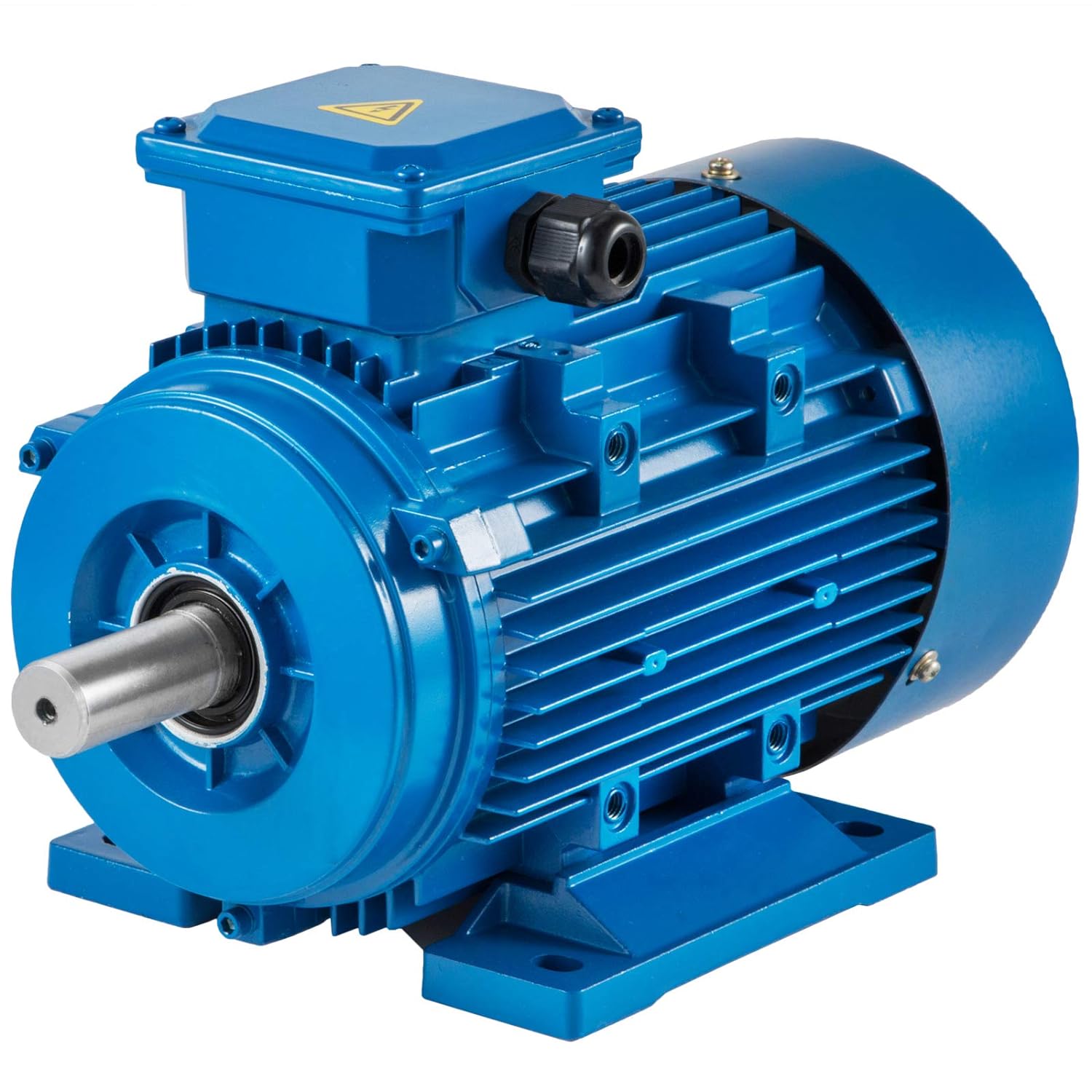
Welke veiligheidsaspecten zijn van belang bij het werken met of in de buurt van wisselstroommotoren?
Bij het werken met of rondom wisselstroommotoren is het van groot belang de veiligheid in acht te nemen om ongelukken, verwondingen en elektrische gevaren te voorkomen. Hieronder volgen enkele belangrijke veiligheidsaspecten om in gedachten te houden:
- Elektrische gevaren: Wisselstroommotoren werken op hoogspanningssystemen, wat een aanzienlijk elektrisch risico met zich meebrengt. Het is essentieel om de juiste vergrendelings- en markeerprocedures te volgen bij werkzaamheden aan motoren om ervoor te zorgen dat ze spanningsloos zijn en niet per ongeluk kunnen opstarten. Alleen gekwalificeerd personeel mag elektrische werkzaamheden aan motoren uitvoeren en zij moeten geschikte persoonlijke beschermingsmiddelen (PBM's) gebruiken, zoals geïsoleerde handschoenen, veiligheidsbrillen en vlamboogbescherming, om zichzelf te beschermen tegen elektrische schokken en vlamboogincidenten.
- Mechanische gevaren: Wisselstroommotoren drijven vaak mechanische apparatuur aan, zoals pompen, ventilatoren of transportbanden, wat mechanische gevaren met zich mee kan brengen. Bij werkzaamheden aan of in de buurt van motoren is het cruciaal om rekening te houden met roterende onderdelen, riemen, katrollen of koppelingen die beknellings- of pletletsel kunnen veroorzaken. Afschermingen en veiligheidsbarrières moeten aanwezig zijn om onbedoeld contact met bewegende onderdelen te voorkomen, en de juiste beveiligingsprincipes voor machines moeten worden gevolgd. Ook moeten vergrendelings-/markeerprocedures worden toegepast op de bijbehorende mechanische apparatuur om ervoor te zorgen dat deze veilig spanningsloos is tijdens onderhoud of reparatie.
- Brand- en thermische gevaren: Wisselstroommotoren kunnen tijdens bedrijf warmte genereren en in sommige gevallen kan overmatige warmte brandgevaar opleveren. Het is belangrijk ervoor te zorgen dat motoren voldoende geventileerd zijn om warmte af te voeren en oververhitting te voorkomen. Motorbehuizingen en koelsystemen moeten regelmatig worden gecontroleerd op een goede werking. Bovendien moeten brandbare materialen uit de buurt van motoren worden gehouden om het risico op brand te verkleinen. Als een motor tekenen van oververhitting vertoont of een brandlucht verspreidt, moet deze onmiddellijk worden uitgeschakeld en door een gekwalificeerde professional worden gecontroleerd.
- Correcte installatie en aarding: Wisselstroommotoren moeten correct worden geïnstalleerd en geaard om de elektrische veiligheid te garanderen. Motoren moeten worden geïnstalleerd volgens de richtlijnen van de fabrikant, inclusief de juiste uitlijning, montage en aansluiting van de elektrische kabels. Een adequate aarding is essentieel om elektrische schokken te voorkomen en de veilige afvoer van kortsluitstromen te waarborgen. Aardingsgeleiders, zoals aardingsstaven of aardingsbanden, moeten correct worden geïnstalleerd en regelmatig worden gecontroleerd om hun integriteit te behouden.
- Veilig hanteren en tillen: Wisselstroommotoren kunnen zwaar zijn en vereisen de juiste hanterings- en tiltechnieken om letsel aan het bewegingsapparaat te voorkomen. Bij het verplaatsen of tillen van motoren moet gebruik worden gemaakt van apparatuur zoals kranen, takels of heftrucks, en het personeel moet getraind zijn in veilige tiltechnieken. Het is belangrijk om overbelasting te vermijden en de juiste hulpmiddelen te gebruiken, zoals hijsbanden of tilbanden, om het gewicht gelijkmatig te verdelen en overbelasting of letsel te voorkomen.
- Training en bewustwording: Een gedegen training en voldoende bewustzijn zijn essentieel voor veilig werken met en rondom wisselstroommotoren. Werknemers moeten training krijgen over elektrische veiligheid, vergrendelings- en markeerprocedures, het gebruik van persoonlijke beschermingsmiddelen en veilige werkmethoden. Ze moeten bekend zijn met de specifieke gevaren die verbonden zijn aan wisselstroommotoren en begrijpen welke veiligheidsmaatregelen ze moeten nemen. Regelmatige veiligheidsbijeenkomsten en herinneringen kunnen helpen om veilige werkwijzen te versterken en veiligheid onder de aandacht te houden.
Het is belangrijk te benadrukken dat de hierboven genoemde veiligheidsvoorschriften algemene richtlijnen zijn. Specifieke veiligheidseisen kunnen variëren afhankelijk van de motorgrootte, de spanning en de specifieke geldende voorschriften en normen op de werkplek. Het is van cruciaal belang om relevante veiligheidsvoorschriften, regelgeving en beste praktijken in de branche te raadplegen om naleving te garanderen en een veilige werkomgeving te behouden bij het werken met of in de buurt van wisselstroommotoren.
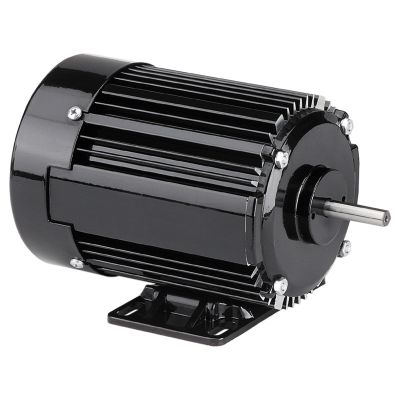
How does the speed control mechanism work in AC motors?
The speed control mechanism in AC motors varies depending on the type of motor. Here, we will discuss the speed control methods used in two common types of AC motors: induction motors and synchronous motors.
Speed Control in Induction Motors:
Induction motors are typically designed to operate at a constant speed determined by the frequency of the AC power supply and the number of motor poles. However, there are several methods for controlling the speed of induction motors:
- Varying the Frequency: By varying the frequency of the AC power supply, the speed of an induction motor can be adjusted. This method is known as variable frequency drive (VFD) control. VFDs convert the incoming AC power supply into a variable frequency and voltage output, allowing precise control of motor speed. This method is commonly used in industrial applications where speed control is crucial, such as conveyors, pumps, and fans.
- Changing the Number of Stator Poles: The speed of an induction motor is inversely proportional to the number of stator poles. By changing the connections of the stator windings or using a motor with a different pole configuration, the speed can be adjusted. However, this method is less commonly used and is typically employed in specialized applications.
- Adding External Resistance: In some cases, external resistance can be added to the rotor circuit of an induction motor to control its speed. This method, known as rotor resistance control, involves inserting resistors in series with the rotor windings. By varying the resistance, the rotor current and torque can be adjusted, resulting in speed control. However, this method is less efficient and is mainly used in specific applications where precise control is not required.
Speed Control in Synchronous Motors:
Synchronous motors offer more precise speed control compared to induction motors due to their inherent synchronous operation. The following methods are commonly used for speed control in synchronous motors:
- Adjusting the AC Power Frequency: Similar to induction motors, changing the frequency of the AC power supply can control the speed of synchronous motors. By adjusting the power frequency, the synchronous speed of the motor can be altered. This method is often used in applications where precise speed control is required, such as industrial machinery and processes.
- Using a Variable Frequency Drive: Variable frequency drives (VFDs) can also be used to control the speed of synchronous motors. By converting the incoming AC power supply into a variable frequency and voltage output, VFDs can adjust the motor speed with high accuracy and efficiency.
- DC Field Control: In some synchronous motors, the rotor field is supplied by a direct current (DC) source, allowing for precise control over the motor’s speed. By adjusting the DC field current, the magnetic field strength and speed of the motor can be controlled. This method is commonly used in applications that require fine-tuned speed control, such as industrial processes and high-performance machinery.
These methods provide different ways to control the speed of AC motors, allowing for flexibility and adaptability in various applications. The choice of speed control mechanism depends on factors such as the motor type, desired speed range, accuracy requirements, efficiency considerations, and cost constraints.


editor by CX 2024-05-08


