
Productbeschrijving
Products Description
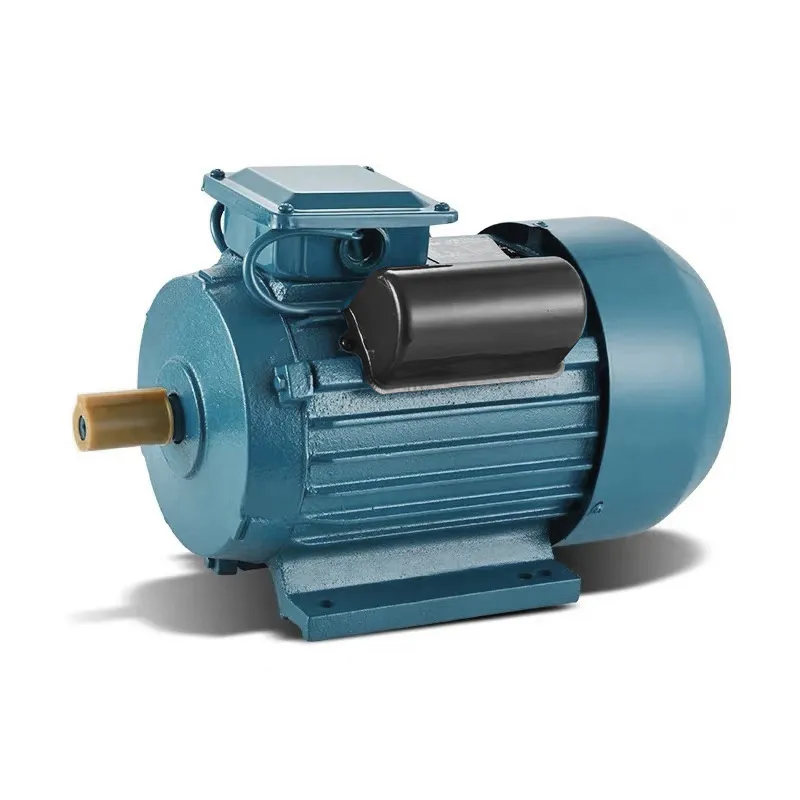
YL series single-phase dual-capacitor asynchronous motor is designed and manufactured in according with national standard, newlydeveloped by our company with low noise, compact construction, light weight, easy maintenance etc. These motors are widely used onair compressors, pumps, fans, refrigerator, medical instruments, small-size machine etc. especially for occasion where only single -phasepower supply is available
| Ambient temperating: | 15ºC≤0≤40ºC |
| Attitude: | Not exceeding 1000 meters |
| Rated voltage: | 220V±5% |
| Rated frequency: | 50HZ |
| Insulation Class: | Class B/F |
| Protection class: | Continuous running |
| Duty/Rating: | IP44/IP54 |
Product Detailes
Why Choose Us
Pre-sales service:
1.we value every inquiry sent to us,ensure quick competitive offer within 12 hours.
2.We cooperate with customer to design and develop the nwe products.Provide all necessary document.
3.We are a sales team,with all technical support from engineer team.
After sales service:
1.We respect your feed back after recevie the goods.
2.We provide 12-24 months warranty after goods arrive.
3.We promise all spare parts available in lifetime use.
4.We lodge your complain within 48 hours.
Engineer Online Selection
Company Profile
Veelgestelde vragen
Feedback
/* March 10, 2571 17:59:20 */!function(){function s(e,r){var a,o={};try{e&&e.split(“,”).forEach(function(e,t){e&&(a=e.match(/(.*?):(.*)$/))&&1
| Sollicitatie: | Universeel |
|---|---|
| Snelheid: | 1500rpm/3000rpm |
| Aantal stators: | Eenfasig |
| Functie: | Rijden |
| Bescherming van de behuizing: | Gesloten type |
| Aantal polen: | 2/4 |
| Voorbeelden: |
US$ 80/Piece
1 stuk (minimale bestelling) | |
|---|
| Aanpassing: |
Beschikbaar
|
|
|---|
What factors should be considered when selecting an AC motor for a particular application?
When selecting an AC motor for a particular application, several factors need to be considered to ensure the motor meets the requirements and performs optimally. Here are the key factors to consider:
- Power Requirements: Determine the power requirements of the application, including the required torque and speed. The motor should have adequate power output to meet the demands of the specific task. Consider factors such as starting torque, running torque, and speed range to ensure the motor can handle the load effectively.
- Motor Type: There are different types of AC motors, including induction motors, synchronous motors, and brushless DC motors. Each type has its own characteristics and advantages. Consider the application’s requirements and factors such as speed control, efficiency, and starting torque to determine the most suitable motor type.
- Environmental Conditions: Assess the environmental conditions in which the motor will operate. Factors such as temperature, humidity, dust, and vibration levels can impact motor performance and longevity. Choose a motor that is designed to withstand the specific environmental conditions of the application.
- Size and Space Constraints: Consider the available space for motor installation. Ensure that the physical dimensions of the motor, including its length, diameter, and mounting arrangement, are compatible with the available space. Additionally, consider the weight of the motor if it needs to be mounted or transported.
- Efficiency: Energy efficiency is an important consideration, as it can impact operational costs and environmental sustainability. Look for motors with high efficiency ratings, which indicate that they convert electrical energy into mechanical energy with minimal energy loss. Energy-efficient motors can lead to cost savings and reduced environmental impact over the motor’s lifespan.
- Control and Speed Requirements: Determine if the application requires precise speed control or if a fixed speed motor is sufficient. If variable speed control is needed, consider motors that can be easily controlled using variable frequency drives (VFDs) or other speed control mechanisms. For applications that require high-speed operation, select a motor that can achieve the desired speed range.
- Maintenance and Serviceability: Assess the maintenance requirements and serviceability of the motor. Consider factors such as the accessibility of motor components, ease of maintenance, availability of spare parts, and the manufacturer’s reputation for reliability and customer support. A motor that is easy to maintain and service can help minimize downtime and repair costs.
- Budget: Consider the budget constraints for the motor selection. Balance the desired features and performance with the available budget. In some cases, investing in a higher quality, more efficient motor upfront can lead to long-term cost savings due to reduced energy consumption and maintenance requirements.
By carefully considering these factors, it is possible to select an AC motor that aligns with the specific requirements of the application, ensuring optimal performance, efficiency, and reliability.
Welke veiligheidsaspecten zijn van belang bij het werken met of in de buurt van wisselstroommotoren?
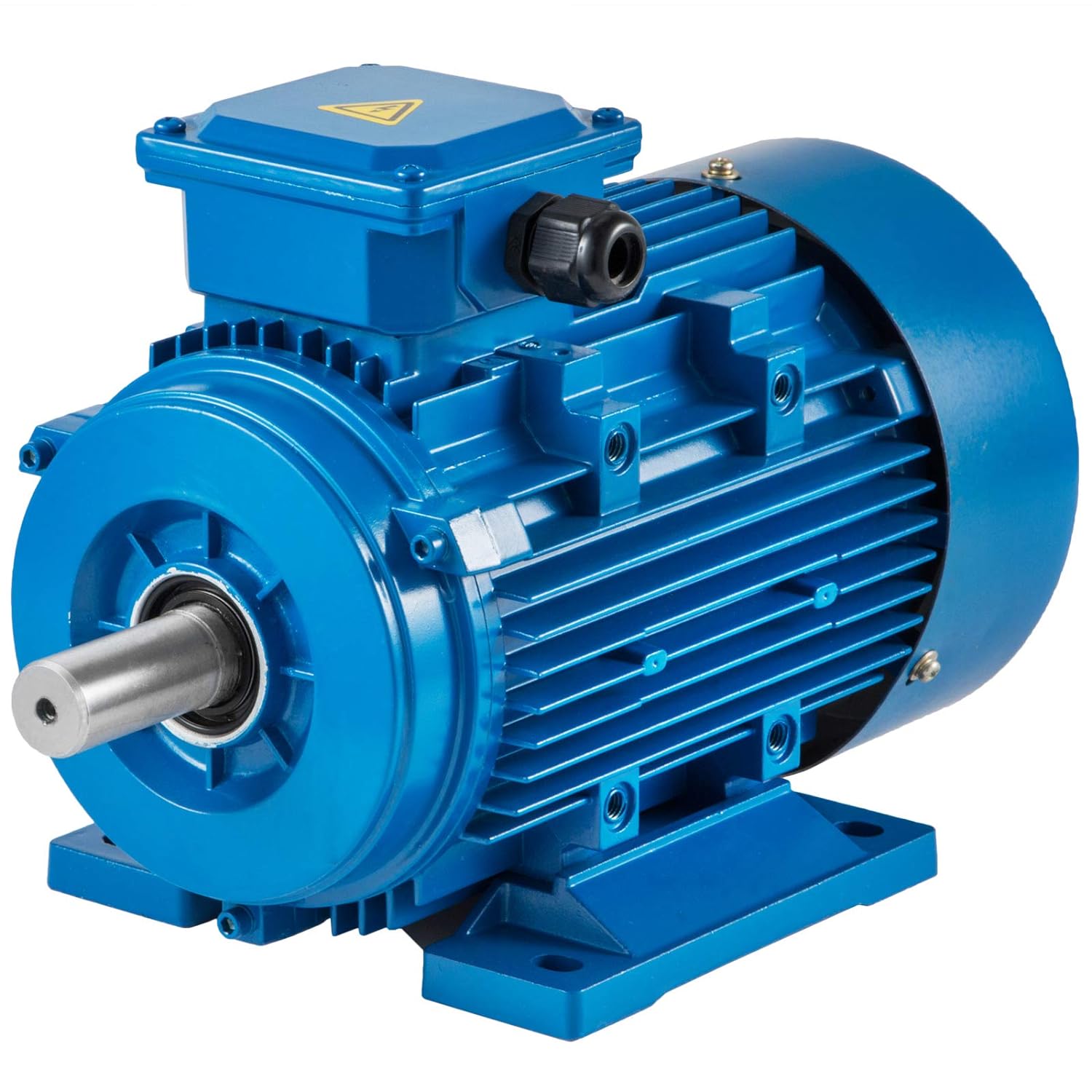
Bij het werken met of rondom wisselstroommotoren is het van groot belang de veiligheid in acht te nemen om ongelukken, verwondingen en elektrische gevaren te voorkomen. Hieronder volgen enkele belangrijke veiligheidsaspecten om in gedachten te houden:
- Elektrische gevaren: Wisselstroommotoren werken op hoogspanningssystemen, wat een aanzienlijk elektrisch risico met zich meebrengt. Het is essentieel om de juiste vergrendelings- en markeerprocedures te volgen bij werkzaamheden aan motoren om ervoor te zorgen dat ze spanningsloos zijn en niet per ongeluk kunnen opstarten. Alleen gekwalificeerd personeel mag elektrische werkzaamheden aan motoren uitvoeren en zij moeten geschikte persoonlijke beschermingsmiddelen (PBM's) gebruiken, zoals geïsoleerde handschoenen, veiligheidsbrillen en vlamboogbescherming, om zichzelf te beschermen tegen elektrische schokken en vlamboogincidenten.
- Mechanische gevaren: Wisselstroommotoren drijven vaak mechanische apparatuur aan, zoals pompen, ventilatoren of transportbanden, wat mechanische gevaren met zich mee kan brengen. Bij werkzaamheden aan of in de buurt van motoren is het cruciaal om rekening te houden met roterende onderdelen, riemen, katrollen of koppelingen die beknellings- of pletletsel kunnen veroorzaken. Afschermingen en veiligheidsbarrières moeten aanwezig zijn om onbedoeld contact met bewegende onderdelen te voorkomen, en de juiste beveiligingsprincipes voor machines moeten worden gevolgd. Ook moeten vergrendelings-/markeerprocedures worden toegepast op de bijbehorende mechanische apparatuur om ervoor te zorgen dat deze veilig spanningsloos is tijdens onderhoud of reparatie.
- Brand- en thermische gevaren: Wisselstroommotoren kunnen tijdens bedrijf warmte genereren en in sommige gevallen kan overmatige warmte brandgevaar opleveren. Het is belangrijk ervoor te zorgen dat motoren voldoende geventileerd zijn om warmte af te voeren en oververhitting te voorkomen. Motorbehuizingen en koelsystemen moeten regelmatig worden gecontroleerd op een goede werking. Bovendien moeten brandbare materialen uit de buurt van motoren worden gehouden om het risico op brand te verkleinen. Als een motor tekenen van oververhitting vertoont of een brandlucht verspreidt, moet deze onmiddellijk worden uitgeschakeld en door een gekwalificeerde professional worden gecontroleerd.
- Correcte installatie en aarding: Wisselstroommotoren moeten correct worden geïnstalleerd en geaard om de elektrische veiligheid te garanderen. Motoren moeten worden geïnstalleerd volgens de richtlijnen van de fabrikant, inclusief de juiste uitlijning, montage en aansluiting van de elektrische kabels. Een adequate aarding is essentieel om elektrische schokken te voorkomen en de veilige afvoer van kortsluitstromen te waarborgen. Aardingsgeleiders, zoals aardingsstaven of aardingsbanden, moeten correct worden geïnstalleerd en regelmatig worden gecontroleerd om hun integriteit te behouden.
- Veilig hanteren en tillen: Wisselstroommotoren kunnen zwaar zijn en vereisen de juiste hanterings- en tiltechnieken om letsel aan het bewegingsapparaat te voorkomen. Bij het verplaatsen of tillen van motoren moet gebruik worden gemaakt van apparatuur zoals kranen, takels of heftrucks, en het personeel moet getraind zijn in veilige tiltechnieken. Het is belangrijk om overbelasting te vermijden en de juiste hulpmiddelen te gebruiken, zoals hijsbanden of tilbanden, om het gewicht gelijkmatig te verdelen en overbelasting of letsel te voorkomen.
- Training en bewustwording: Een gedegen training en voldoende bewustzijn zijn essentieel voor veilig werken met en rondom wisselstroommotoren. Werknemers moeten training krijgen over elektrische veiligheid, vergrendelings- en markeerprocedures, het gebruik van persoonlijke beschermingsmiddelen en veilige werkmethoden. Ze moeten bekend zijn met de specifieke gevaren die verbonden zijn aan wisselstroommotoren en begrijpen welke veiligheidsmaatregelen ze moeten nemen. Regelmatige veiligheidsbijeenkomsten en herinneringen kunnen helpen om veilige werkwijzen te versterken en veiligheid onder de aandacht te houden.
Het is belangrijk te benadrukken dat de hierboven genoemde veiligheidsvoorschriften algemene richtlijnen zijn. Specifieke veiligheidseisen kunnen variëren afhankelijk van de motorgrootte, de spanning en de specifieke geldende voorschriften en normen op de werkplek. Het is van cruciaal belang om relevante veiligheidsvoorschriften, regelgeving en beste praktijken in de branche te raadplegen om naleving te garanderen en een veilige werkomgeving te behouden bij het werken met of in de buurt van wisselstroommotoren.
How does the speed control mechanism work in AC motors?
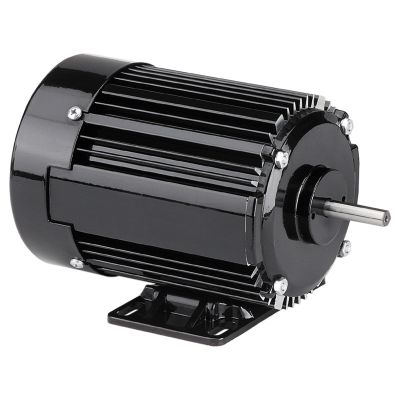
The speed control mechanism in AC motors varies depending on the type of motor. Here, we will discuss the speed control methods used in two common types of AC motors: induction motors and synchronous motors.
Speed Control in Induction Motors:
Induction motors are typically designed to operate at a constant speed determined by the frequency of the AC power supply and the number of motor poles. However, there are several methods for controlling the speed of induction motors:
- Varying the Frequency: By varying the frequency of the AC power supply, the speed of an induction motor can be adjusted. This method is known as variable frequency drive (VFD) control. VFDs convert the incoming AC power supply into a variable frequency and voltage output, allowing precise control of motor speed. This method is commonly used in industrial applications where speed control is crucial, such as conveyors, pumps, and fans.
- Changing the Number of Stator Poles: The speed of an induction motor is inversely proportional to the number of stator poles. By changing the connections of the stator windings or using a motor with a different pole configuration, the speed can be adjusted. However, this method is less commonly used and is typically employed in specialized applications.
- Adding External Resistance: In some cases, external resistance can be added to the rotor circuit of an induction motor to control its speed. This method, known as rotor resistance control, involves inserting resistors in series with the rotor windings. By varying the resistance, the rotor current and torque can be adjusted, resulting in speed control. However, this method is less efficient and is mainly used in specific applications where precise control is not required.
Speed Control in Synchronous Motors:
Synchronous motors offer more precise speed control compared to induction motors due to their inherent synchronous operation. The following methods are commonly used for speed control in synchronous motors:
- Adjusting the AC Power Frequency: Similar to induction motors, changing the frequency of the AC power supply can control the speed of synchronous motors. By adjusting the power frequency, the synchronous speed of the motor can be altered. This method is often used in applications where precise speed control is required, such as industrial machinery and processes.
- Using a Variable Frequency Drive: Variable frequency drives (VFDs) can also be used to control the speed of synchronous motors. By converting the incoming AC power supply into a variable frequency and voltage output, VFDs can adjust the motor speed with high accuracy and efficiency.
- DC Field Control: In some synchronous motors, the rotor field is supplied by a direct current (DC) source, allowing for precise control over the motor’s speed. By adjusting the DC field current, the magnetic field strength and speed of the motor can be controlled. This method is commonly used in applications that require fine-tuned speed control, such as industrial processes and high-performance machinery.
These methods provide different ways to control the speed of AC motors, allowing for flexibility and adaptability in various applications. The choice of speed control mechanism depends on factors such as the motor type, desired speed range, accuracy requirements, efficiency considerations, and cost constraints.


editor by CX 2023-12-28


