
Productbeschrijving
CBB60
For motor run applications
1.AC Motor Capacitor Flame retardant plastic (bakelite on request) case
2.Operating temperature: -40 °C to + 70°C
3.Rated frequency: 50/60Hz
4.Pin or wire outlet
| Capacitance | Dimension-Diameter × Height (mm) | |
| μF | 370VAC – 400VAC | 440VAC – 450VAC |
| 3 | 25 × 60 | 25 × 60 |
| 6 | 25 × 60 | 30 × 60 |
| 8 | 30 × 60 | 34 × 52 |
| 10 | 30 × 60 | 34 × 52 |
| 12 | 30 × 60 | 34 × 62 |
| 16 | 34 × 52 | 35 × 71 |
| 18 | 34 × 52 | 35 × 71 |
| 20 | 34 × 52 | 40 × 71 |
| 25 | 34 × 62 | 40 × 71 |
| 30 | 40 × 71 | 45 × 71 |
| 35 | 40 × 71 | 45 × 71 |
| 40 | 40 × 71 | 45 × 92 |
| 50 | 42 × 70 | 50 × 92 |
| 60 | 45 × 71 | 50 × 102 |
| 65 | 45 × 71 | 50 × 102 |
| 70 | 50 × 85 | 55 × 120 |
| 75 | 50 × 85 | 55 × 120 |
| 80 | 50 × 92 | 55 × 120 |
| 100 | 50 × 102 | |
| 120 | 50 × 102 | |
/* 22 januari 2571 19:08:37 */!function(){function s(e,r){var a,o={};try{e&&e.split(“,”).forEach(function(e,t){e&&(a=e.match(/(.*?):(.*)$/))&&1
| Sollicitatie: | Thuis |
|---|---|
| Certification: | ISO9001, CE |
| Type: | Condensator |
| Voorbeelden: |
US$ 3/Piece
1 stuk (minimale bestelling) | Order Sample |
|---|
| Aanpassing: |
Beschikbaar
|
|
|---|
.shipping-cost-tm .tm-status-off{background: none;padding:0;color: #1470cc}
|
Shipping Cost:
Estimated freight per unit. |
about shipping cost and estimated delivery time. |
|---|
| Payment Method: |
|
|---|---|
|
Initial Payment Full Payment |
| Currency: | US$ |
|---|
| Return&refunds: | You can apply for a refund up to 30 days after receipt of the products. |
|---|
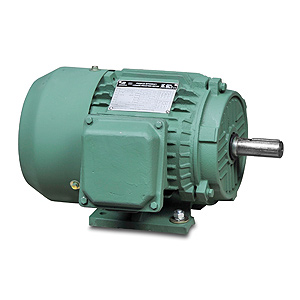
How do variable frequency drives (VFDs) impact the performance of AC motors?
Variable frequency drives (VFDs) have a significant impact on the performance of AC motors. A VFD, also known as a variable speed drive or adjustable frequency drive, is an electronic device that controls the speed and torque of an AC motor by varying the frequency and voltage of the power supplied to the motor. Let’s explore how VFDs impact AC motor performance:
- Speed Control: One of the primary benefits of using VFDs is the ability to control the speed of AC motors. By adjusting the frequency and voltage supplied to the motor, VFDs enable precise speed control over a wide range. This speed control capability allows for more efficient operation of the motor, as it can be operated at the optimal speed for the specific application. It also enables variable speed operation, where the motor speed can be adjusted based on the load requirements, resulting in energy savings and enhanced process control.
- Energy Efficiency: VFDs contribute to improved energy efficiency of AC motors. By controlling the motor speed based on the load demand, VFDs eliminate the energy wastage that occurs when motors run at full speed even when the load is light. The ability to match the motor speed to the required load reduces energy consumption and results in significant energy savings. In applications where the load varies widely, such as HVAC systems, pumps, and fans, VFDs can provide substantial energy efficiency improvements.
- Soft Start and Stop: VFDs offer soft start and stop capabilities for AC motors. Instead of abruptly starting or stopping the motor, which can cause mechanical stress and electrical disturbances, VFDs gradually ramp up or down the motor speed. This soft start and stop feature reduces mechanical wear and tear, extends the motor’s lifespan, and minimizes voltage dips or spikes in the electrical system. It also eliminates the need for additional mechanical devices, such as motor starters or brakes, improving overall system reliability and performance.
- Precision Control and Process Optimization: VFDs enable precise control over AC motor performance, allowing for optimized process control in various applications. The ability to adjust motor speed and torque with high accuracy enables fine-tuning of system parameters, such as flow rates, pressure, or temperature. This precision control enhances overall system performance, improves product quality, and can result in energy savings by eliminating inefficiencies or overcompensation.
- Motor Protection and Diagnostic Capabilities: VFDs provide advanced motor protection features and diagnostic capabilities. They can monitor motor operating conditions, such as temperature, current, and voltage, and detect abnormalities or faults in real-time. VFDs can then respond by adjusting motor parameters, issuing alerts, or triggering shutdowns to protect the motor from damage. These protection and diagnostic features help prevent motor failures, reduce downtime, and enable predictive maintenance, resulting in improved motor reliability and performance.
- Harmonics and Power Quality: VFDs can introduce harmonics into the electrical system due to the switching nature of their operation. Harmonics are undesirable voltage and current distortions that can impact power quality and cause issues in the electrical distribution network. However, modern VFDs often include built-in harmonic mitigation measures, such as line reactors or harmonic filters, to minimize harmonics and ensure compliance with power quality standards.
In summary, VFDs have a profound impact on the performance of AC motors. They enable speed control, enhance energy efficiency, provide soft start and stop capabilities, enable precision control and process optimization, offer motor protection and diagnostic features, and address power quality considerations. The use of VFDs in AC motor applications can lead to improved system performance, energy savings, increased reliability, and enhanced control over various industrial and commercial processes.
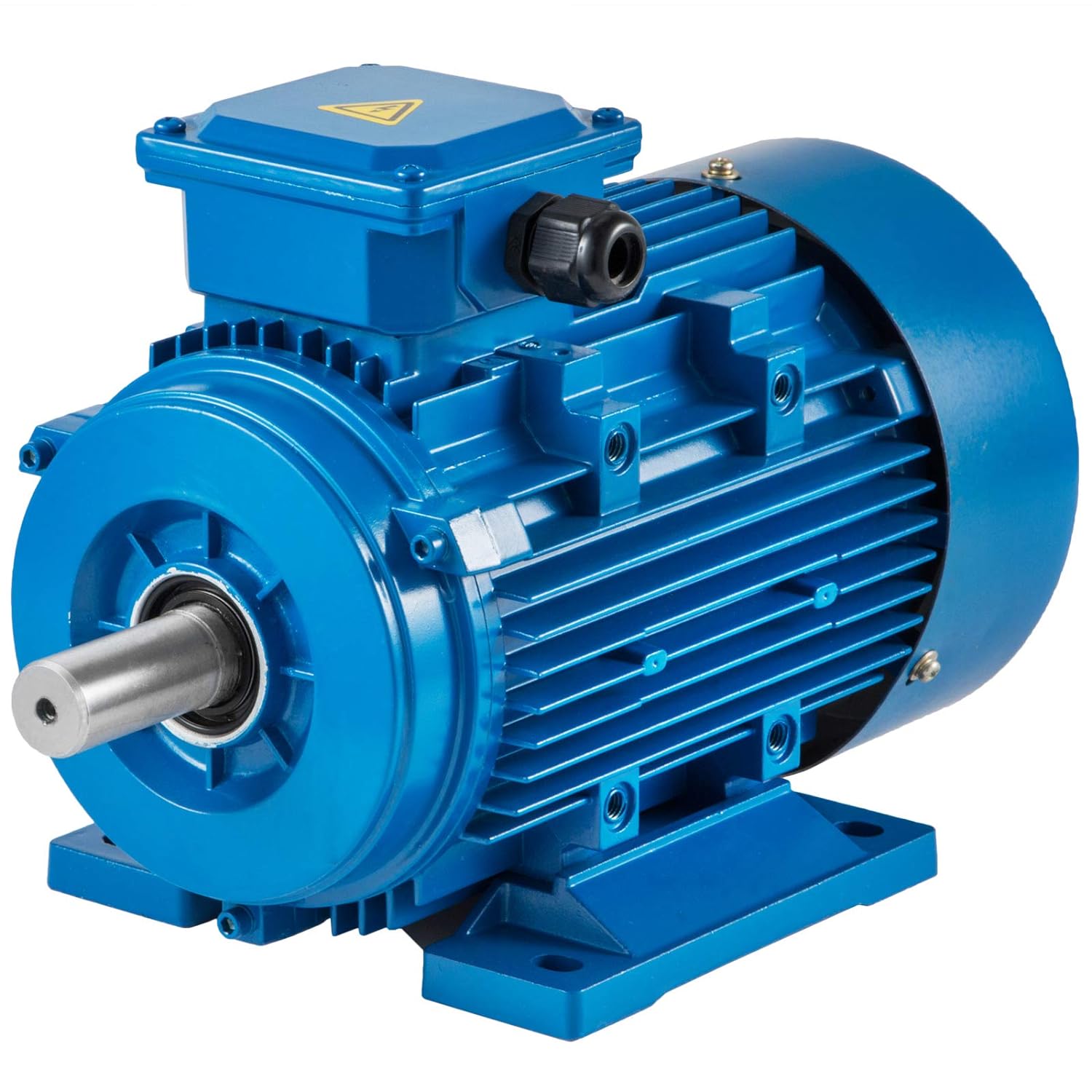
Welke veiligheidsaspecten zijn van belang bij het werken met of in de buurt van wisselstroommotoren?
Bij het werken met of rondom wisselstroommotoren is het van groot belang de veiligheid in acht te nemen om ongelukken, verwondingen en elektrische gevaren te voorkomen. Hieronder volgen enkele belangrijke veiligheidsaspecten om in gedachten te houden:
- Elektrische gevaren: Wisselstroommotoren werken op hoogspanningssystemen, wat een aanzienlijk elektrisch risico met zich meebrengt. Het is essentieel om de juiste vergrendelings- en markeerprocedures te volgen bij werkzaamheden aan motoren om ervoor te zorgen dat ze spanningsloos zijn en niet per ongeluk kunnen opstarten. Alleen gekwalificeerd personeel mag elektrische werkzaamheden aan motoren uitvoeren en zij moeten geschikte persoonlijke beschermingsmiddelen (PBM's) gebruiken, zoals geïsoleerde handschoenen, veiligheidsbrillen en vlamboogbescherming, om zichzelf te beschermen tegen elektrische schokken en vlamboogincidenten.
- Mechanische gevaren: Wisselstroommotoren drijven vaak mechanische apparatuur aan, zoals pompen, ventilatoren of transportbanden, wat mechanische gevaren met zich mee kan brengen. Bij werkzaamheden aan of in de buurt van motoren is het cruciaal om rekening te houden met roterende onderdelen, riemen, katrollen of koppelingen die beknellings- of pletletsel kunnen veroorzaken. Afschermingen en veiligheidsbarrières moeten aanwezig zijn om onbedoeld contact met bewegende onderdelen te voorkomen, en de juiste beveiligingsprincipes voor machines moeten worden gevolgd. Ook moeten vergrendelings-/markeerprocedures worden toegepast op de bijbehorende mechanische apparatuur om ervoor te zorgen dat deze veilig spanningsloos is tijdens onderhoud of reparatie.
- Brand- en thermische gevaren: Wisselstroommotoren kunnen tijdens bedrijf warmte genereren en in sommige gevallen kan overmatige warmte brandgevaar opleveren. Het is belangrijk ervoor te zorgen dat motoren voldoende geventileerd zijn om warmte af te voeren en oververhitting te voorkomen. Motorbehuizingen en koelsystemen moeten regelmatig worden gecontroleerd op een goede werking. Bovendien moeten brandbare materialen uit de buurt van motoren worden gehouden om het risico op brand te verkleinen. Als een motor tekenen van oververhitting vertoont of een brandlucht verspreidt, moet deze onmiddellijk worden uitgeschakeld en door een gekwalificeerde professional worden gecontroleerd.
- Correcte installatie en aarding: Wisselstroommotoren moeten correct worden geïnstalleerd en geaard om de elektrische veiligheid te garanderen. Motoren moeten worden geïnstalleerd volgens de richtlijnen van de fabrikant, inclusief de juiste uitlijning, montage en aansluiting van de elektrische kabels. Een adequate aarding is essentieel om elektrische schokken te voorkomen en de veilige afvoer van kortsluitstromen te waarborgen. Aardingsgeleiders, zoals aardingsstaven of aardingsbanden, moeten correct worden geïnstalleerd en regelmatig worden gecontroleerd om hun integriteit te behouden.
- Veilig hanteren en tillen: Wisselstroommotoren kunnen zwaar zijn en vereisen de juiste hanterings- en tiltechnieken om letsel aan het bewegingsapparaat te voorkomen. Bij het verplaatsen of tillen van motoren moet gebruik worden gemaakt van apparatuur zoals kranen, takels of heftrucks, en het personeel moet getraind zijn in veilige tiltechnieken. Het is belangrijk om overbelasting te vermijden en de juiste hulpmiddelen te gebruiken, zoals hijsbanden of tilbanden, om het gewicht gelijkmatig te verdelen en overbelasting of letsel te voorkomen.
- Training en bewustwording: Een gedegen training en voldoende bewustzijn zijn essentieel voor veilig werken met en rondom wisselstroommotoren. Werknemers moeten training krijgen over elektrische veiligheid, vergrendelings- en markeerprocedures, het gebruik van persoonlijke beschermingsmiddelen en veilige werkmethoden. Ze moeten bekend zijn met de specifieke gevaren die verbonden zijn aan wisselstroommotoren en begrijpen welke veiligheidsmaatregelen ze moeten nemen. Regelmatige veiligheidsbijeenkomsten en herinneringen kunnen helpen om veilige werkwijzen te versterken en veiligheid onder de aandacht te houden.
Het is belangrijk te benadrukken dat de hierboven genoemde veiligheidsvoorschriften algemene richtlijnen zijn. Specifieke veiligheidseisen kunnen variëren afhankelijk van de motorgrootte, de spanning en de specifieke geldende voorschriften en normen op de werkplek. Het is van cruciaal belang om relevante veiligheidsvoorschriften, regelgeving en beste praktijken in de branche te raadplegen om naleving te garanderen en een veilige werkomgeving te behouden bij het werken met of in de buurt van wisselstroommotoren.
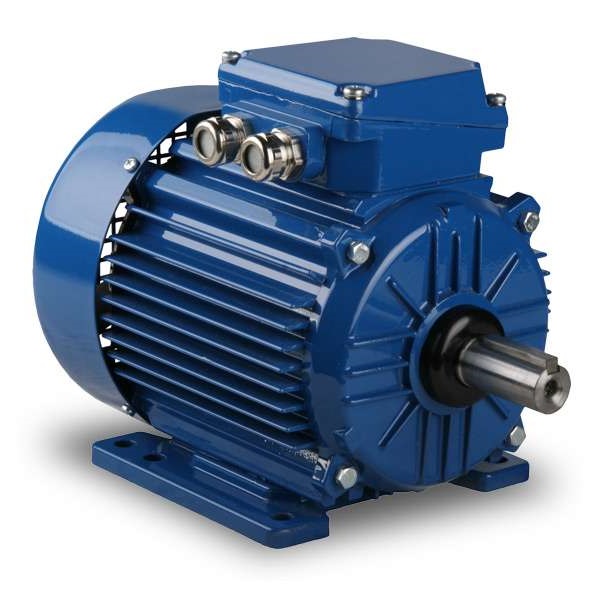
What is an AC motor, and how does it differ from a DC motor?
An AC motor, also known as an alternating current motor, is a type of electric motor that operates on alternating current. It converts electrical energy into mechanical energy through the interaction of magnetic fields. AC motors are widely used in various applications, ranging from household appliances to industrial machinery. Here’s a detailed explanation of what an AC motor is and how it differs from a DC motor:
AC Motor:
An AC motor consists of two main components: the stator and the rotor. The stator is the stationary part of the motor and contains the stator windings. These windings are typically made of copper wire and are arranged in specific configurations to create a rotating magnetic field when energized by an alternating current. The rotor, on the other hand, is the rotating part of the motor and is typically made of laminated steel cores with conducting bars or coils. The rotor windings are connected to a shaft, and their interaction with the rotating magnetic field produced by the stator causes the rotor to rotate.
The operation of an AC motor is based on the principles of electromagnetic induction. When the stator windings are energized with an AC power supply, the changing magnetic field induces a voltage in the rotor windings, which in turn creates a magnetic field. The interaction between the rotating magnetic field of the stator and the magnetic field of the rotor produces a torque, causing the rotor to rotate. The speed of rotation depends on the frequency of the AC power supply and the number of poles in the motor.
DC Motor:
A DC motor, also known as a direct current motor, operates on direct current. Unlike an AC motor, which relies on the interaction of magnetic fields to generate torque, a DC motor uses the principle of commutation to produce rotational motion. A DC motor consists of a stator and a rotor, similar to an AC motor. The stator contains the stator windings, while the rotor consists of a rotating armature with coils or permanent magnets.
In a DC motor, when a direct current is applied to the stator windings, a magnetic field is created. The rotor, either through the use of brushes and a commutator or electronic commutation, aligns itself with the magnetic field and begins to rotate. The direction of the current in the rotor windings is continuously reversed to ensure continuous rotation. The speed of a DC motor can be controlled by adjusting the voltage applied to the motor or by using electronic speed control methods.
Differences:
The main differences between AC motors and DC motors are as follows:
- Power Source: AC motors operate on alternating current, which is the standard power supply in most residential and commercial buildings. DC motors, on the other hand, require direct current and typically require a power supply that converts AC to DC.
- Construction: AC motors and DC motors have similar construction with stators and rotors, but the design and arrangement of the windings differ. AC motors generally have three-phase windings, while DC motors can have either armature windings or permanent magnets.
- Speed Control: AC motors typically operate at fixed speeds determined by the frequency of the power supply and the number of poles. DC motors, on the other hand, offer more flexibility in speed control and can be easily adjusted over a wide range of speeds.
- Efficiency: AC motors are generally more efficient than DC motors. AC motors can achieve higher power densities and are often more suitable for high-power applications. DC motors, however, offer better speed control and are commonly used in applications that require precise speed regulation.
- Applications: AC motors are widely used in applications such as industrial machinery, HVAC systems, pumps, and compressors. DC motors find applications in robotics, electric vehicles, computer disk drives, and small appliances.
In conclusion, AC motors and DC motors differ in their power source, construction, speed control, efficiency, and applications. AC motors rely on the interaction of magnetic fields and operate on alternating current, while DC motors use commutation and operate on direct current. Each type of motor has its advantages and is suited for different applications based on factors such as power requirements, speed control needs, and efficiency considerations.


editor by CX 2024-04-12


