
Productbeschrijving
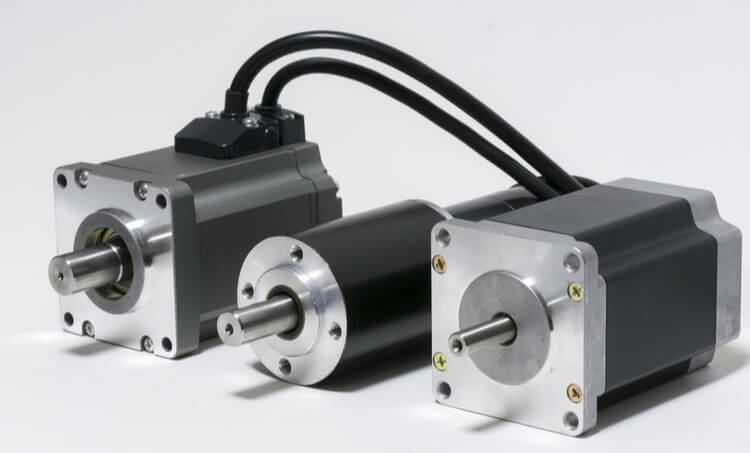
High speed nema24 48V AC 4; Cel: ;
FAQ:
1. Factory or trader?
We are factory, and have professional R&D team as introduced in company information.
2. How about the delivery?
– Sample: 3-5 days.
– Bulk order: 15-30 days.
3. What is your after-sales services?
1. Free maintenance within 12 months guarantee, lifetime consultant.
2. Professional solutions in installation and maintence.
4. Why choose us?
1. Factory Price & 24/7 after-sale services.
2. From mold customization to material processing and welding, from fine components to finished assembly, 72 processes, 24 control points, strict aging, finished product inspection.
5. Do you get the relevant certification?
All products are made according to ISO9001, CE requirements.
If any terms get your interest, please CLICK BELOW to send a message to us!
/* 22 januari 2571 19:08:37 */!function(){function s(e,r){var a,o={};try{e&&e.split(“,”).forEach(function(e,t){e&&(a=e.match(/(.*?):(.*)$/))&&1
| Sollicitatie: | Robotic Arm |
|---|---|
| Snelheid: | High Speed |
| Aantal stators: | Three-Phase |
| Functie: | Rijden |
| Bescherming van de behuizing: | Gesloten type |
| Aantal polen: | 8 |
| Voorbeelden: |
US$ 92/Piece
1 stuk (minimale bestelling) | |
|---|
| Aanpassing: |
Beschikbaar
|
|
|---|
Are there specific maintenance requirements for AC motors to ensure optimal performance?
Yes, AC motors have specific maintenance requirements to ensure their optimal performance and longevity. Regular maintenance helps prevent unexpected failures, maximizes efficiency, and extends the lifespan of the motor. Here are some key maintenance practices for AC motors:
- Cleaning and Inspection: Regularly clean the motor to remove dust, dirt, and debris that can accumulate on the motor surfaces and hinder heat dissipation. Inspect the motor for any signs of damage, loose connections, or abnormal noise/vibration. Address any issues promptly to prevent further damage.
- Lubrication: Check the motor’s lubrication requirements and ensure proper lubrication of bearings, gears, and other moving parts. Insufficient or excessive lubrication can lead to increased friction, overheating, and premature wear. Follow the manufacturer’s guidelines for lubrication intervals and use the recommended lubricants.
- Belt and Pulley Maintenance: If the motor is coupled with a belt and pulley system, regularly inspect and adjust the tension of the belts. Improper belt tension can affect motor performance and efficiency. Replace worn-out belts and damaged pulleys as needed.
- Cooling System Maintenance: AC motors often have cooling systems such as fans or heat sinks to dissipate heat generated during operation. Ensure that these cooling systems are clean and functioning properly. Remove any obstructions that may impede airflow and compromise cooling efficiency.
- Electrical Connections: Regularly inspect the motor’s electrical connections for signs of loose or corroded terminals. Loose connections can lead to voltage drops, increased resistance, and overheating. Tighten or replace any damaged connections and ensure proper grounding.
- Vibration Analysis: Periodically perform vibration analysis on the motor to detect any abnormal vibrations. Excessive vibration can indicate misalignment, unbalanced rotors, or worn-out bearings. Address the underlying causes of vibration to prevent further damage and ensure smooth operation.
- Motor Testing: Conduct regular motor testing, such as insulation resistance testing and winding resistance measurement, to assess the motor’s electrical condition. These tests can identify insulation breakdown, winding faults, or other electrical issues that may affect motor performance and reliability.
- Professional Maintenance: For more complex maintenance tasks or when dealing with large industrial motors, it is advisable to involve professional technicians or motor specialists. They have the expertise and tools to perform in-depth inspections, repairs, and preventive maintenance procedures.
It’s important to note that specific maintenance requirements may vary depending on the motor type, size, and application. Always refer to the manufacturer’s guidelines and recommendations for the particular AC motor in use. By following proper maintenance practices, AC motors can operate optimally, minimize downtime, and have an extended service life.
What are the common signs of AC motor failure, and how can they be addressed?
AC motor failure can lead to disruptions in various industrial and commercial applications. Recognizing the common signs of motor failure is crucial for timely intervention and preventing further damage. Here are some typical signs of AC motor failure and potential ways to address them:
- Excessive Heat: Excessive heat is a common indicator of motor failure. If a motor feels excessively hot to the touch or emits a burning smell, it could signify issues such as overloaded windings, poor ventilation, or bearing problems. To address this, first, ensure that the motor is properly sized for the application. Check for obstructions around the motor that may be impeding airflow and causing overheating. Clean or replace dirty or clogged ventilation systems. If the issue persists, consult a qualified technician to inspect the motor windings and bearings and make any necessary repairs or replacements.
- Abnormal Noise or Vibration: Unusual noises or vibrations coming from an AC motor can indicate various problems. Excessive noise may be caused by loose or damaged components, misaligned shafts, or worn bearings. Excessive vibration can result from imbalanced rotors, misalignment, or worn-out motor parts. Addressing these issues involves inspecting and adjusting motor components, ensuring proper alignment, and replacing damaged or worn-out parts. Regular maintenance, including lubrication of bearings, can help prevent excessive noise and vibration and extend the motor’s lifespan.
- Intermittent Operation: Intermittent motor operation, where the motor starts and stops unexpectedly or fails to start consistently, can be a sign of motor failure. This can be caused by issues such as faulty wiring connections, damaged or worn motor brushes, or problems with the motor’s control circuitry. Check for loose or damaged wiring connections and make any necessary repairs. Inspect and replace worn or damaged motor brushes. If the motor still exhibits intermittent operation, it may require professional troubleshooting and repair by a qualified technician.
- Overheating or Tripping of Circuit Breakers: If an AC motor consistently causes circuit breakers to trip or if it repeatedly overheats, it indicates a problem that needs attention. Possible causes include high starting currents, excessive loads, or insulation breakdown. Verify that the motor is not overloaded and that the load is within the motor’s rated capacity. Check the motor’s insulation resistance to ensure it is within acceptable limits. If these measures do not resolve the issue, consult a professional to assess the motor and its electrical connections for any faults or insulation breakdown that may require repair or replacement.
- Decreased Performance or Efficiency: A decline in motor performance or efficiency can be an indication of impending failure. This may manifest as reduced speed, decreased torque, increased energy consumption, or inadequate power output. Factors contributing to decreased performance can include worn bearings, damaged windings, or deteriorated insulation. Regular maintenance, including lubrication and cleaning, can help prevent these issues. If performance continues to decline, consult a qualified technician to inspect the motor and perform any necessary repairs or replacements.
- Inoperative Motor: If an AC motor fails to operate entirely, there may be an issue with the power supply, control circuitry, or internal motor components. Check the power supply and connections for any faults or interruptions. Inspect control circuitry, such as motor starters or contactors, for any damage or malfunction. If no external faults are found, it may be necessary to dismantle the motor and inspect internal components, such as windings or brushes, for any faults or failures that require repair or replacement.
It’s important to note that motor failure causes can vary depending on factors such as motor type, operating conditions, and maintenance practices. Regular motor maintenance, including inspections, lubrication, and cleaning, is essential for early detection of potential failure signs and for addressing issues promptly. When in doubt, it is advisable to consult a qualified electrician, motor technician, or manufacturer’s guidelines for appropriate troubleshooting and repair procedures specific to the motor model and application.
Wat zijn de belangrijkste onderdelen van een wisselstroommotor en hoe dragen ze bij aan de werking ervan?
Een wisselstroommotor bestaat uit verschillende belangrijke onderdelen die samenwerken om de werking ervan mogelijk te maken. Deze onderdelen zijn onder andere:
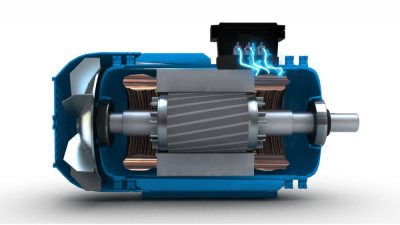
- Stator: De stator is het stationaire deel van een wisselstroommotor. Deze bestaat doorgaans uit een gelamineerde kern die een pad vormt voor de magnetische flux. De stator bevat statorwikkelingen, dit zijn spoelen van draad die rond de statorkern zijn gewikkeld. De statorwikkelingen zijn verbonden met een wisselstroombron en produceren een roterend magnetisch veld wanneer ze onder spanning staan. Dit roterende magnetische veld is een cruciaal element voor het genereren van het koppel dat nodig is voor de werking van de motor.
- Rotor: De rotor is het roterende deel van een wisselstroommotor. Deze bevindt zich in de stator en is verbonden met een as. De rotor kan verschillende ontwerpen hebben, afhankelijk van het type wisselstroommotor. Bij een inductiemotor heeft de rotor geen elektrische verbindingen. In plaats daarvan bevat deze geleidende staven of spoelen die kortgesloten zijn. Het roterende magnetische veld van de stator induceert stromen in de kortgesloten rotorgeleiders, waardoor een magnetisch veld ontstaat dat interactie heeft met het statorveld en koppel genereert, waardoor de rotor gaat draaien. Bij een synchrone motor bevat de rotor elektromagneten die gemagnetiseerd worden door gelijkstroom, waardoor de rotor zich kan vergrendelen op het roterende magnetische veld van de stator en met dezelfde snelheid kan draaien.
- Handelswijze: Lagers worden gebruikt om de rotoras te ondersteunen en een soepele rotatie te bevorderen. Ze verminderen wrijving en zorgen ervoor dat de rotor vrij in de motor kan draaien. Lagers bevinden zich doorgaans aan beide uiteinden van de motoras en zijn ontworpen om de axiale en radiale krachten te weerstaan die tijdens de werking ontstaan.
- Einde klokken: De eindkappen, ook wel einddeksels of eindbeugels genoemd, omsluiten de stator en rotor van de motor. Ze bieden mechanische ondersteuning en bescherming aan de interne componenten van de motor. Eindkappen zijn doorgaans van metaal gemaakt en zijn ontworpen om de lagers te huisvesten en de motor aan de montagestructuur te bevestigen.
- Ventilator of koelsysteem: Wisselstroommotoren genereren vaak warmte tijdens gebruik. Om oververhitting te voorkomen en een goede werking te garanderen, zijn wisselstroommotoren uitgerust met ventilatoren of koelsystemen. Deze helpen de warmte af te voeren door lucht te circuleren of een luchtstroom over de componenten van de motor te leiden, waaronder de stator- en rotorwikkelingen. Effectieve koeling is cruciaal voor het behoud van het rendement van de motor en het verlengen van de levensduur.
- Aansluitdoos of klemmenkast: De aansluitdoos is een behuizing aan de buitenkant van de motor die toegang biedt tot de elektrische aansluitingen van de motor. Deze bevat aansluitpunten waar externe draden op aangesloten kunnen worden om de motor van stroom te voorzien. De aansluitdoos zorgt voor een veilige en betrouwbare verbinding van de motor met het elektrische systeem.
- Aanvullende componenten: Afhankelijk van het specifieke ontwerp en de toepassing kunnen wisselstroommotoren extra componenten bevatten, zoals condensatoren, centrifugaalschakelaars, borstels (bij bepaalde typen wisselstroommotoren) en andere regelapparaten. Deze componenten worden voor verschillende doeleinden gebruikt, zoals het verbeteren van de motorprestaties, het bieden van startondersteuning of het mogelijk maken van specifieke regelfuncties.
Elk van deze componenten speelt een cruciale rol in de werking van een wisselstroommotor. De stator en rotor zijn de belangrijkste onderdelen die verantwoordelijk zijn voor het genereren van het roterende magnetische veld en het omzetten van elektrische energie in mechanische beweging. De lagers zorgen voor een soepele rotatie van de rotoras, terwijl de eindkappen structurele ondersteuning en bescherming bieden. De ventilator of het koelsysteem helpt de optimale bedrijfstemperatuur te handhaven en de aansluitdoos maakt een correcte elektrische verbinding mogelijk. Aanvullende componenten worden naar behoefte toegevoegd om de motorprestaties te verbeteren en specifieke functionaliteiten mogelijk te maken.


editor by CX 2024-04-11


