
製品説明
Quiet, stable and reliable for long life operation
1.Diameters: 57mm
2.Lengths: 56mm;76mm;96mm
3.Continuous torques: 0.11Nm;0.22Nm;0.32Nm
4.Power: 46W;92W;134W
5.Speeds up to 4000rpm;4000rpm;4000rpm
6.Environmental conditions: -10~+40°C
7.Number of poles/phase:4/3
8.Mangnet material:Bonded NdFeB
9.Insulation class:B
10.Optional: electronic drivers, encoders and gearheads, as well as Hall effect resolver and sensorless feedback
11.We can design the special voltage and shaft, and so on
| モデル | 57ZWX01 | 57ZWX02 | 57ZWX03 | |
| 電圧 | V | 36 | ||
| No load speed | 回転数 | 5200 | 5200 | 5200 |
| Rated torque | Nm | 0.11 | 0.22 | 0.32 |
| Rated speed | 回転数 | 4000 | 4000 | 1000 |
| Rated current | A | 1.9 | 3.30 | 4.8 |
| Torque(max) | Nm | 0.30 | 0.55 | 0.80 |
| At Torque(max)Current | A | 4.5 | 7.4 | 9.5 |
| Rotor inertia | Kgmm² | 7.5 | 11.9 | 17.3 |
| Back-EMF constant | V/krpm | 4.5 | 4.82 | 4.87 |
| Torque Constant | Nm/A | 0. 0571 | 0.0787 | 0.080 |
| Resistance(20ºC) | ohm | 4.65 | 0.70 | 0.48 |
| 重さ | Kg | 0.50 | 0.75 | 1.00 |
| L1 | mm | 56 | 76 | 96 |
| Rotor:La | mm | 20 | 40 | 60 |
Normal type of shaft
/* 2571 年 1 月 22 日 19:08:37 */!function(){function s(e,r){var a,o={};try{e&&e.split(“,”).forEach(function(e,t){e&&(a=e.match(/(.*?):(.*)$/))&&1
| 応用: | Universal, Industrial, Household Appliances, Car, Power Tools, Medical Equpiments |
|---|---|
| 動作速度: | 一定速度 |
| 励起モード: | Compound |
| 関数: | 運転 |
| 極数: | 8 |
| Structure and Working Principle: | Brushless |
| サンプル: |
US$ 15/Piece
1個(最小注文数) | |
|---|
| カスタマイズ: |
利用可能
|
|
|---|
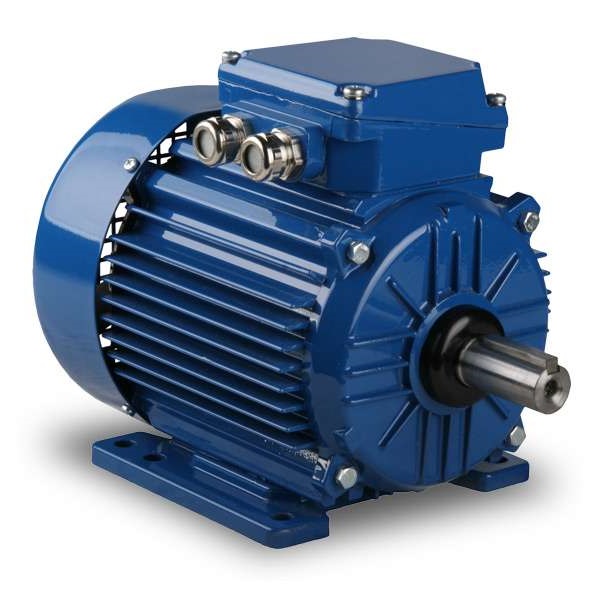
AC モーターは HVAC (暖房、換気、空調) システムでどのような役割を果たしますか?
HVAC(暖房、換気、空調)システムにおいて、ACモーターは様々なコンポーネントや機能において重要な役割を果たしています。これらのモーターは、ファン、コンプレッサー、ポンプ、その他HVACシステム内の重要な機器に電力を供給します。HVACシステムにおけるACモーターの具体的な役割を見ていきましょう。
- 空調ユニット(AHU)と換気システム: ACモーターは、空調設備(AHU)や換気システムのファンを駆動します。これらのファンは新鮮な空気を取り込み、建物内の空気を循環させ、古い空気を排出します。モーターは、ダクトを通して空気を循環させ、空間全体に均等に分配するために必要な動力を提供します。適切な室内空気質の維持、湿度のコントロール、そして十分な換気の確保に重要な役割を果たします。
- チラーと冷却塔: 冷却にチラーを使用するHVACシステムは、コンプレッサーを駆動するためにACモーターを使用しています。モーターはコンプレッサーを駆動し、冷媒をシステム全体に循環させ、室内環境から熱を吸収して屋外に放出します。ACモーターは冷却塔にも使用され、水を蒸発させることでチラーシステムの熱を放散します。モーターはファンを駆動し、冷却塔に空気を送り込み、熱伝達を促進します。
- ヒートポンプ: ACモーターは、暖房と冷房の両方を提供するヒートポンプシステムに不可欠なコンポーネントです。モーターはヒートポンプ内のコンプレッサーを駆動し、室内と屋外の間の熱移動を可能にします。冷房モードでは、モーターは冷媒を循環させて室内の熱を抽出し、屋外に放出します。暖房モードでは、モーターは冷媒の流れを逆転させて屋外の空気または地面から熱を抽出し、室内に放出します。
- 炉とボイラー: 暖房システムでは、ACモーターが炉やボイラーの送風機やファンに動力を供給します。モーターは送風機を駆動し、暖められた空気や蒸気を建物全体に送り出します。これにより、快適な室内温度が維持され、空間内の効率的な熱分配が確保されます。
- ポンプと循環システム: HVACシステムには、水暖房や冷水システムなど、水循環用のポンプが組み込まれていることがよくあります。ACモーターはこれらのポンプを駆動し、システム内で水やその他の熱伝達流体を循環させるために必要な圧力を供給します。モーターは効率的な流量を確保し、熱エネルギーの効率的な伝達に貢献します。
- ダンパーとアクチュエーター: ACモーターは、HVACシステムにおいて、空気の流れを制御し、ダンパーやアクチュエータの位置を調整するために使用されます。これらのモーターは、空気流量の調整、温度制御、そしてゾーンごとの空調制御を可能にします。モーターの速度や位置を調整することで、HVACシステムは建物内の様々なエリアの空気の分布と温度を正確に制御することができます。
HVACシステムのACモーターは、可変速制御、エネルギー効率、変動負荷下での信頼性の高い動作など、特定の性能要件を満たすように設計されています。これらのモーターのメンテナンスと定期的な点検は、HVACシステムの最適な性能、エネルギー効率、そして長寿命を確保する上で不可欠です。
結論として、ACモーターはファン、コンプレッサー、ポンプ、アクチュエーターに電力を供給することで、HVACシステムにおいて重要な役割を果たしています。適切な空気循環、温度制御、効率的な熱伝達を可能にし、建物全体の快適性、空気質、そしてエネルギー効率の向上に貢献します。
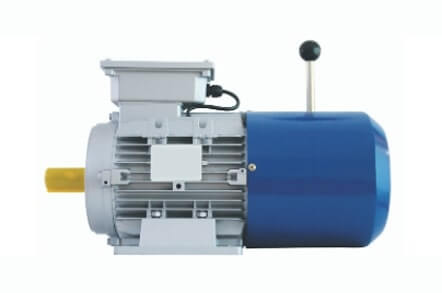
現代の AC モーターには省エネ技術や機能が備わっていますか?
はい、現代のACモーターには、効率を向上させ消費電力を削減するための様々な省エネ技術や機能が組み込まれていることがよくあります。これらの進歩は、エネルギー損失を最小限に抑え、モーターの性能を最適化することを目的としています。現代のACモーターに一般的に搭載されている省エネ技術と機能をいくつかご紹介します。
- 高効率設計: 現代のACモーターは、旧モデルに比べて高い効率基準で設計されていることが多いです。これらのモーターは、先進的な材料と最適化された設計を用いて製造されており、モーター巻線の抵抗損失や摩擦・抗力による機械損失などのエネルギー損失を低減しています。高効率モーターは、入力電力のより高い割合を有用な機械的仕事に変換することで、エネルギーを節約できます。
- プレミアム効率基準: NEMA Premium®やIE(国際効率)などの国際規格や規制では、ACモーターの最低エネルギー効率要件が定められています。プレミアム効率モーターはこれらの基準を満たすか上回り、標準モーターと比較して効率が向上しています。これらのモーターでは、より高い効率レベルを実現するために、コア材料の改良、巻線抵抗の低減、換気システムの最適化といった設計上の改良がしばしば採用されています。
- 可変周波数ドライブ(VFD): VFD(可変速駆動装置)は、モーターに供給される電力の周波数と電圧を調整することで、ACモーターを可変速で動作させる制御装置です。モーターの速度を負荷要件に合わせて調整することで、VFDはエネルギー消費を大幅に削減できます。VFDは、HVACシステム、ポンプ、ファンなど、モーターが長時間にわたって部分負荷で動作するアプリケーションで特に効果的です。
- 効率的なモーター制御アルゴリズム: モーター駆動装置や制御システムに実装された最新のモーター制御アルゴリズムは、モーターの動作を最適化し、エネルギー効率を向上させます。これらのアルゴリズムは、負荷条件に基づいて電圧、周波数、電流などのモーターパラメータを動的に調整することで、エネルギーの無駄を最小限に抑えます。センサレスベクトル制御やベクトル制御(FOC)などの高度な制御技術は、モーターの磁界を精密に制御することで、モーターの性能と効率を向上させます。
- 冷却と換気の改善: 効果的な冷却と換気は、モーターの効率維持に不可欠です。最新のACモーターは、ファン設計の改良、気流管理の改善、換気経路の最適化など、強化された冷却システムを備えていることが多くなっています。効率的な冷却は、モーターの過熱を防ぎ、放熱による損失を低減します。一部のモーターには、過度の温度上昇を回避し、最適な動作状態を確保するための熱監視および保護機構も組み込まれています。
- ベアリングと摩擦低減: ACモーターでは、ベアリングや機械部品における摩擦損失が大きなエネルギー消費につながる可能性があります。現代のモーターでは、シールベアリングや無潤滑ベアリングといった高度なベアリング技術を採用することで、摩擦を低減し、エネルギー損失を最小限に抑えています。さらに、ローターとステーターの設計の最適化、そして製造技術の向上により、機械損失の低減とモーター効率の向上が実現しています。
- 力率改善: 力率は、電力がどれだけ効率的に利用されているかを示す指標です。力率の低いACモーターは、無効電力消費量の増加につながり、電力システム全体の効率を低下させる可能性があります。コンデンサバンクや力率補正コントローラなどの力率補正技術は、力率を改善し、無効電力損失を最小限に抑え、モーターの運転効率を向上させるためによく用いられます。
これらの省エネ技術と機能を導入することで、最新のACモーターはエネルギー効率を大幅に向上させ、消費電力と運用コストを削減できます。ACモーターの使用を検討する際には、認められた効率基準を満たすかそれを超えるモデルを選択し、メーカーまたは専門家に相談して、特定の用途や省エネ要件との適合性を確認することをお勧めします。
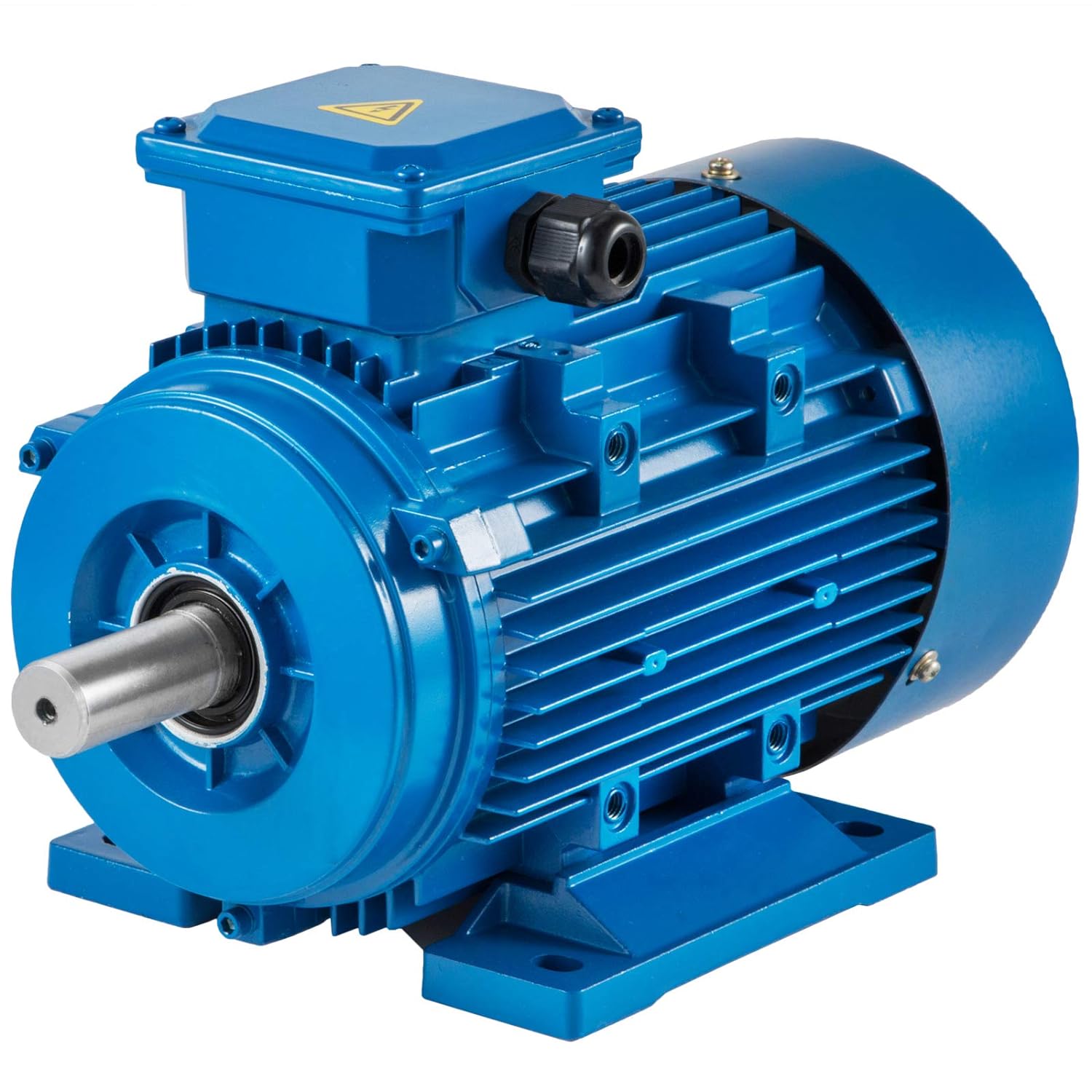
Are there different types of AC motors, and what are their specific applications?
Yes, there are different types of AC motors, each with its own design, characteristics, and applications. The main types of AC motors include:
- Induction Motors: Induction motors are the most commonly used type of AC motor. They are robust, reliable, and suitable for a wide range of applications. Induction motors operate based on the principle of electromagnetic induction. They consist of a stator with stator windings and a rotor with short-circuited conductive bars or coils. The rotating magnetic field produced by the stator windings induces currents in the rotor, creating a magnetic field that interacts with the stator field and generates torque. Induction motors are widely used in industries such as manufacturing, HVAC systems, pumps, fans, compressors, and conveyor systems.
- Synchronous Motors: Synchronous motors are another type of AC motor commonly used in applications that require precise speed control. They operate at synchronous speed, which is determined by the frequency of the AC power supply and the number of motor poles. Synchronous motors have a rotor with electromagnets that are magnetized by direct current, allowing the rotor to lock onto the rotating magnetic field of the stator and rotate at the same speed. Synchronous motors are often used in applications such as industrial machinery, generators, compressors, and large HVAC systems.
- Brushless DC Motors: While the name suggests “DC,” brushless DC motors are actually driven by AC power. They utilize electronic commutation instead of mechanical brushes for switching the current in the motor windings. Brushless DC motors offer high efficiency, low maintenance, and precise control over speed and torque. They are commonly used in applications such as electric vehicles, robotics, computer disk drives, aerospace systems, and consumer electronics.
- Universal Motors: Universal motors are versatile motors that can operate on both AC and DC power. They are designed with a wound stator and a commutator rotor. Universal motors offer high starting torque and can achieve high speeds. They are commonly used in applications such as portable power tools, vacuum cleaners, food mixers, and small appliances.
- Shaded Pole Motors: Shaded pole motors are simple and inexpensive AC motors. They have a single-phase stator and a squirrel cage rotor. Shaded pole motors are characterized by low starting torque and relatively low efficiency. Due to their simple design and low cost, they are commonly used in applications such as small fans, refrigeration equipment, and appliances.
These are some of the main types of AC motors, each with its unique features and applications. The selection of an AC motor type depends on factors such as the required torque, speed control requirements, efficiency, cost, and environmental conditions. Understanding the specific characteristics and applications of each type allows for choosing the most suitable motor for a given application.


editor by CX 2024-04-25


