
製品説明
5W Refrigerator AC Shaded Pole fan Motor
1.PRODUCT OVERVIEW
(1) YZ series motors are shaded pole motors with single-phrase and four-poles, and running at the rated voltage/frequency of 220-240V, 50/60HZ or 110-120V, 60HZ.
(2) 5 watt Fan Motor are widely applied to radiators, evaporators,condensing unit,ice machine and other refrigeration equipment.
(3) Their output power is from 5W to 34W, which can be adjusted according to the stack length.
(4) Motors of output power below 10W have impedance protection, and motors of output power above 10W have thermal protectors whose cut-off temperature is 135±5 degree centigrade.
2.COMPARISON OF THE INTERNAL STRUCTURE OF THE COIL
The complete winding motor has more copper wire,and a motor of such advanced construction is more efficient,and it has better performance and longer life-span than the part winding motor.Therefore,the complete winding motor enjoys great popularity in Europe and America.
3.COMPARISON OF THE COVER STRUCTURE
The oil bearing used the oil is PERMAWICK # 284 which is imported from America.A motor with this bearing has low noise and long working life that is over 20000 hours.And it’s applicable temperature is from -40 to +100 degree centigrade.
The ball bearing with advanced construction,this high quality bearing gives the motor high energy efficiency,great performance,low noise and a long working life of 30000 hours.Its applicable temperature is from -40 to +100 degree centigrade.
4.DIFFERENT COVERS CAN BE CHOOSED
18 stand for the mounting screw distance is 18mm.
26 stand for the mounting screw distance is 26mm.
The ITALY cover and 4Q cover have multi-installation way.
Following is models for reference.
/* 2571 年 1 月 22 日 19:08:37 */!function(){function s(e,r){var a,o={};try{e&&e.split(“,”).forEach(function(e,t){e&&(a=e.match(/(.*?):(.*)$/))&&1
| 応用: | ユニバーサル |
|---|---|
| スピード: | 可変速度 |
| ステーター数: | 単相 |
| ケース保護: | 保護タイプ |
| 極数: | 4 |
| Starting Mode: | Variable Frequency Starting |
| サンプル: |
US$ 20/Piece
1個(最小注文数) | |
|---|
| カスタマイズ: |
利用可能
|
|
|---|
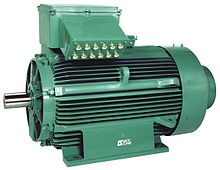
AC モーターの使用に関して環境上の考慮事項はありますか?
はい、ACモーターの使用にはいくつかの環境配慮事項があります。これらの配慮事項は主に、エネルギー消費、温室効果ガスの排出、そして寿命を迎えたモーターの廃棄に関連しています。これらの環境配慮事項について詳しく見ていきましょう。
- エネルギー効率: ACモーターのエネルギー効率は様々であり、それが環境への影響に直接影響します。効率の高いモーターは、より多くの電気エネルギーを有用な機械的仕事に変換するため、エネルギー消費量を削減できます。高効率のACモーターを選択して使用することで、エネルギー使用量を最小限に抑えることができ、温室効果ガスの排出量を削減し、発電における化石燃料への依存を減らすことができます。
- 温室効果ガス排出量: ACモーターが消費する電力は、多くの場合、石炭、天然ガス、石油などの化石燃料を燃焼させる発電所で生産されています。これらの化石燃料による発電は温室効果ガスを排出し、気候変動の要因となります。エネルギー効率の高いモーターを採用し、モーターシステムを最適化することで、企業や個人は電力需要を削減し、温室効果ガス排出量と二酸化炭素排出量を削減することができます。
- 自動車の廃棄とリサイクル: ACモーターには、金属、プラスチック、電気部品など、様々な材料が含まれています。寿命が尽きたモーターは、環境への影響を最小限に抑えるために、適切な廃棄またはリサイクルを行うことが重要です。銅巻線や鋼製ケースなど、一部の部品はリサイクルが可能であり、新たな原材料やエネルギー集約型の製造プロセスの必要性を軽減できます。環境汚染を防ぎ、資源保全を促進するために、モーターの廃棄とリサイクルに関する地方自治体の規制とガイドラインに従うことが不可欠です。
- 製造と生産: ACモーターの製造・生産プロセスは、環境に影響を与える可能性があります。金属やプラスチックなどの原材料の採掘・加工は、生息地の破壊、エネルギー消費、温室効果ガスの排出につながる可能性があります。さらに、製造プロセス自体も廃棄物や汚染物質を発生させる可能性があります。モーターメーカーは、持続可能な慣行の採用、リサイクル材料の使用、廃棄物の発生削減、エネルギー効率の高い生産方法の導入によって、これらの環境影響を軽減することができます。
- ライフサイクルアセスメント: ACモーターのライフサイクルアセスメント(LCA)を実施することで、その環境への影響を包括的に把握できます。LCAでは、原材料の採取、製造、輸送、使用、そして使用後の廃棄またはリサイクルなど、モーターのライフサイクル全体に関連する環境側面を考慮します。モーターのライフサイクルの各段階を分析することで、関係者はエネルギー効率の最適化、排出量の削減、持続可能な慣行の導入といった改善の機会を特定できます。
こうした環境問題に対処するため、政府、各種団体、業界標準化団体は、エネルギー効率の向上とACモーターの環境影響の低減を目的とした規制やガイドラインを策定しています。これには、効率基準、ラベリングプログラム、高効率モーターの使用に対するインセンティブなどが含まれます。さらに、適切なモーターのサイズ選定、メンテナンス、制御といったモーターシステムの最適化を促進する取り組みは、エネルギー効率をさらに向上させ、環境影響を最小限に抑えることにつながります。
まとめると、ACモーターの使用に関連する環境配慮事項には、エネルギー効率、温室効果ガスの排出、モーターの廃棄とリサイクル、製造プロセス、ライフサイクルアセスメントが含まれます。エネルギー効率、適切な廃棄、リサイクル、持続可能な製造方法を優先することで、ACモーターの環境への影響を最小限に抑え、より持続可能で環境に配慮したモーターの使用に貢献できます。
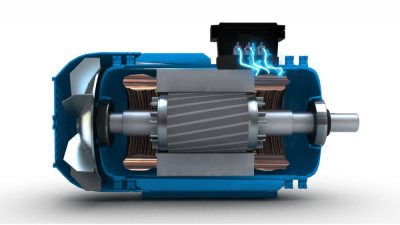
What are the common signs of AC motor failure, and how can they be addressed?
AC motor failure can lead to disruptions in various industrial and commercial applications. Recognizing the common signs of motor failure is crucial for timely intervention and preventing further damage. Here are some typical signs of AC motor failure and potential ways to address them:
- Excessive Heat: Excessive heat is a common indicator of motor failure. If a motor feels excessively hot to the touch or emits a burning smell, it could signify issues such as overloaded windings, poor ventilation, or bearing problems. To address this, first, ensure that the motor is properly sized for the application. Check for obstructions around the motor that may be impeding airflow and causing overheating. Clean or replace dirty or clogged ventilation systems. If the issue persists, consult a qualified technician to inspect the motor windings and bearings and make any necessary repairs or replacements.
- Abnormal Noise or Vibration: Unusual noises or vibrations coming from an AC motor can indicate various problems. Excessive noise may be caused by loose or damaged components, misaligned shafts, or worn bearings. Excessive vibration can result from imbalanced rotors, misalignment, or worn-out motor parts. Addressing these issues involves inspecting and adjusting motor components, ensuring proper alignment, and replacing damaged or worn-out parts. Regular maintenance, including lubrication of bearings, can help prevent excessive noise and vibration and extend the motor’s lifespan.
- Intermittent Operation: Intermittent motor operation, where the motor starts and stops unexpectedly or fails to start consistently, can be a sign of motor failure. This can be caused by issues such as faulty wiring connections, damaged or worn motor brushes, or problems with the motor’s control circuitry. Check for loose or damaged wiring connections and make any necessary repairs. Inspect and replace worn or damaged motor brushes. If the motor still exhibits intermittent operation, it may require professional troubleshooting and repair by a qualified technician.
- Overheating or Tripping of Circuit Breakers: If an AC motor consistently causes circuit breakers to trip or if it repeatedly overheats, it indicates a problem that needs attention. Possible causes include high starting currents, excessive loads, or insulation breakdown. Verify that the motor is not overloaded and that the load is within the motor’s rated capacity. Check the motor’s insulation resistance to ensure it is within acceptable limits. If these measures do not resolve the issue, consult a professional to assess the motor and its electrical connections for any faults or insulation breakdown that may require repair or replacement.
- Decreased Performance or Efficiency: A decline in motor performance or efficiency can be an indication of impending failure. This may manifest as reduced speed, decreased torque, increased energy consumption, or inadequate power output. Factors contributing to decreased performance can include worn bearings, damaged windings, or deteriorated insulation. Regular maintenance, including lubrication and cleaning, can help prevent these issues. If performance continues to decline, consult a qualified technician to inspect the motor and perform any necessary repairs or replacements.
- Inoperative Motor: If an AC motor fails to operate entirely, there may be an issue with the power supply, control circuitry, or internal motor components. Check the power supply and connections for any faults or interruptions. Inspect control circuitry, such as motor starters or contactors, for any damage or malfunction. If no external faults are found, it may be necessary to dismantle the motor and inspect internal components, such as windings or brushes, for any faults or failures that require repair or replacement.
It’s important to note that motor failure causes can vary depending on factors such as motor type, operating conditions, and maintenance practices. Regular motor maintenance, including inspections, lubrication, and cleaning, is essential for early detection of potential failure signs and for addressing issues promptly. When in doubt, it is advisable to consult a qualified electrician, motor technician, or manufacturer’s guidelines for appropriate troubleshooting and repair procedures specific to the motor model and application.
AC モーターの基本的な動作原理を説明していただけますか?
ACモーターは電磁誘導の原理に基づいて動作します。磁界の相互作用を通じて電気エネルギーを機械エネルギーに変換します。ACモーターの基本的な動作原理は以下のとおりです。
- ACモーターは、ステータとローターという2つの主要部品で構成されています。ステータはモーターの固定部分であり、ステータ巻線が内蔵されています。ローターはモーターの回転部分であり、シャフトに接続されています。
- 交流電流 (AC) がステータ巻線に供給されると、変化する磁場が生成されます。
- 変化する磁場により、短絡した導電性のバーまたはコイルであるローター巻線に電圧が発生します。
- ローター巻線の誘導電圧により、ローター内に磁場が生成されます。
- ローターの磁場はステーターの回転磁場と相互作用し、トルク力を生み出します。
- トルク力によりローターが回転し、接続されたシャフトに機械的エネルギーが伝達されます。
- ステーター巻線に交流電源が供給されている限り、ローターの回転は継続します。
この基本的な動作原理は、誘導モーターや同期モーターなど、様々なタイプの交流モーターに適用できます。ただし、モーターの具体的な構造と設計は、モーターの種類や用途によって異なる場合があります。


editor by CX 2024-04-23


