
製品説明
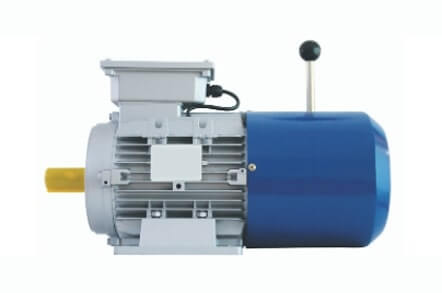
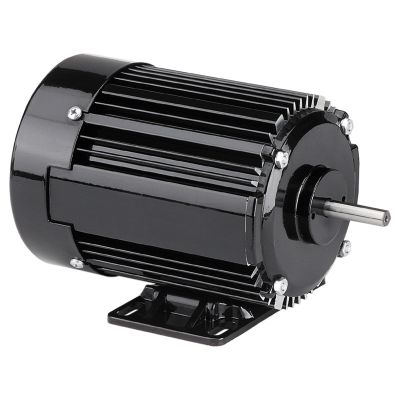
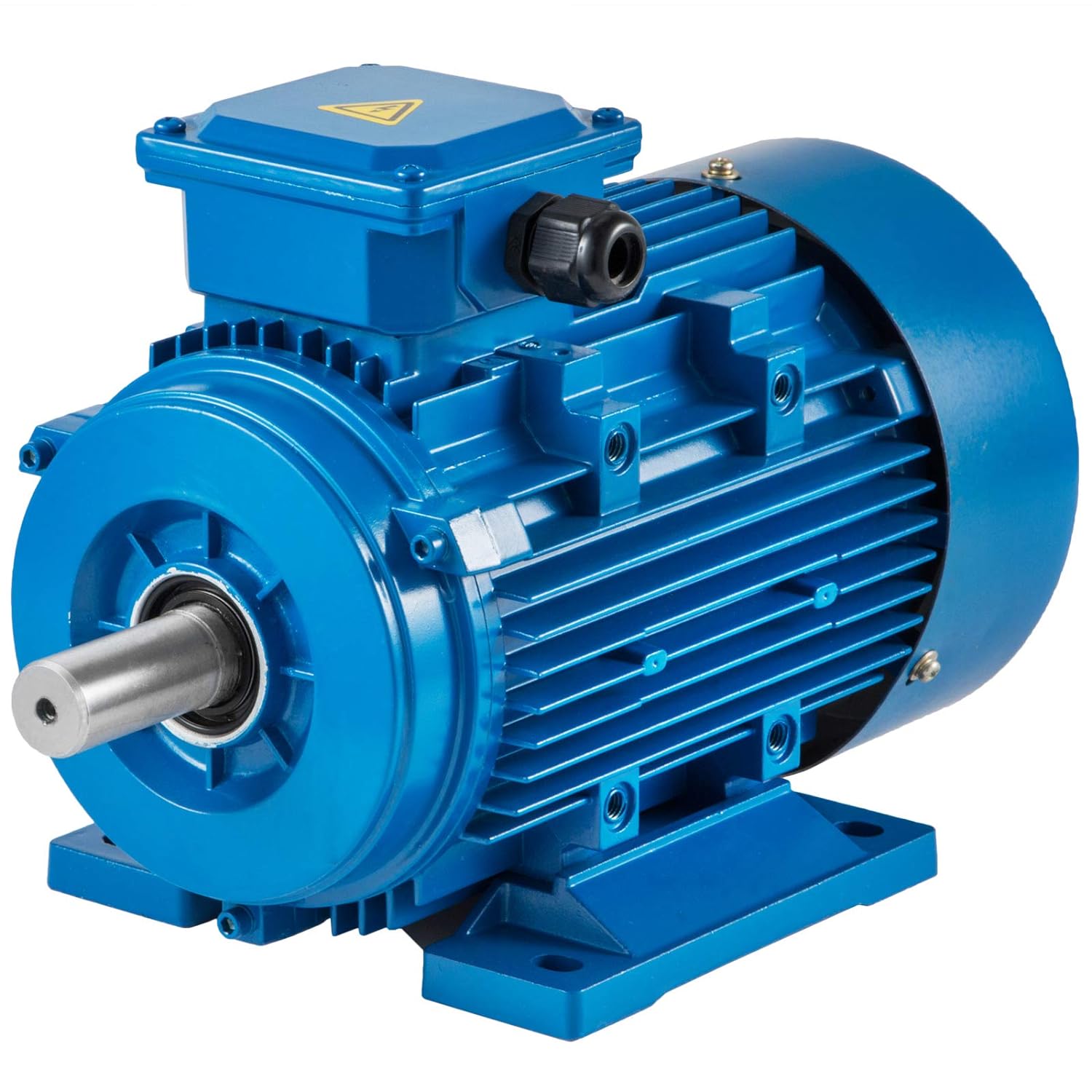
3 Phase Ac Induction Motor is made of high quality cast iron.With optimized construction design,they can ensure the requirement of structure rigidity and intensity.Silicon steel plate is used in stator core and rotor core,it has good insulation on surface,low loss which ensures the higher efficiency.High quality insulation material combines the perfect insulation system which makes the insulation completely without clearance,high rigidity of the winding end,it can endure switching and reversing intensity,F class insulation makes the motor with higher heat stability and longer life.
応用:
Supply power:voltage variable ±5%,frequency variable:±2%,combine voltage and frequency variable:±5%.
The following as options or customers’ request:
-Protection class IP56
-Space heater
-Heat protector
-Vibration detector
-Special mounting dimension and shaft dimension
-Low vibration and low noise
-Bearing thermometer PT100(frame size H180 and above)
-Winding thermometer PT100
-Special painting
-Others
Manufacturing process:
- Stamping of lamination
- Rotor die-casting
- Winding and inserting – both manual and semi-automatically
- Vacuum varnishing
- Machining shaft, housing, end shields, etc…
- Rotor balancing
- Painting – both wet paint and powder coating
- Motor assembly
- Packing
- Inspecting spare parts every processing
- 100% test after each process and final test before packing
/* 2571 年 1 月 22 日 19:08:37 */!function(){function s(e,r){var a,o={};try{e&&e.split(“,”).forEach(function(e,t){e&&(a=e.match(/(.*?):(.*)$/))&&1
| 応用: | ユニバーサル |
|---|---|
| 動作速度: | 低速 |
| ステーター数: | 三相 |
| 種: | Explosion-Proof Three-Phase |
| ローター構造: | Winding Type |
| ケース保護: | 密閉型 |
| カスタマイズ: |
利用可能
|
|
|---|
Can AC motors be used in both residential and commercial settings?
Yes, AC motors can be used in both residential and commercial settings. The versatility and wide range of applications of AC motors make them suitable for various environments and purposes.
In residential settings, AC motors are commonly found in household appliances such as refrigerators, air conditioners, washing machines, fans, and pumps. These motors are designed to meet the specific requirements of residential applications, providing reliable and efficient operation for everyday tasks. For example, air conditioners utilize AC motors to drive the compressor and fan, while washing machines use AC motors for agitating and spinning the drum.
In commercial settings, AC motors are extensively used in a wide range of applications across different industries. They power machinery, equipment, and systems that are crucial for commercial operations. Some common examples include:
- Industrial machinery and manufacturing equipment: AC motors drive conveyor belts, pumps, compressors, mixers, fans, blowers, and other machinery used in manufacturing, production, and processing facilities.
- HVAC systems: AC motors are used in commercial heating, ventilation, and air conditioning (HVAC) systems to drive fans, blowers, and pumps for air circulation, cooling, and heating.
- Commercial refrigeration: AC motors are utilized in commercial refrigeration systems for powering compressors, condenser fans, and evaporator fans in supermarkets, restaurants, and cold storage facilities.
- Office equipment: AC motors are present in various office equipment such as printers, photocopiers, scanners, and ventilation systems, ensuring their proper functioning.
- Transportation: AC motors are used in electric vehicles, trams, trains, and other forms of electric transportation systems, providing the necessary propulsion.
- Water and wastewater treatment: AC motors power pumps, mixers, and blowers in water treatment plants, wastewater treatment plants, and pumping stations.
The adaptability, efficiency, and controllability of AC motors make them suitable for a wide range of residential and commercial applications. Whether it’s powering household appliances or driving industrial machinery, AC motors play a vital role in meeting the diverse needs of both residential and commercial settings.
AC モーターは風力タービンなどの再生可能エネルギーシステムで使用できますか?
はい、ACモーターは風力タービンを含む再生可能エネルギーシステムに使用できます。実際、ACモーターは多くの利点があるため、風力タービンの様々な用途で広く使用されています。詳しい説明は以下のとおりです。
1. ジェネレータ: 風力タービンシステムでは、ACモーターが発電機として機能することがよくあります。風力タービンのブレードが回転すると、発電機のローターが駆動され、風の機械エネルギーが電気エネルギーに変換されます。AC発電機は、その効率性、信頼性、そして電力網システムとの互換性から、風力タービンで広く使用されています。
2. 可変速度制御: ACモーターは、風力タービンにとって極めて重要な可変速度制御の利点を備えています。風速は変動するため、エネルギーを最大化するには、ローターの回転速度をそれに応じて調整する必要があります。ACモーターを発電機として使用する場合、出力される電気信号の周波数と電圧を調整することで、変化する風の状況に合わせて回転速度を調整できます。
3. 効率: ACモーターは高い効率で知られており、これは再生可能エネルギーシステムにおいて重要な要素です。風力タービンは、風力エネルギーを可能な限り多く電気エネルギーに変換することを目的としています。特に高効率設計のACモーターは、風力タービンシステム全体のエネルギー変換効率を最大化するのに役立ちます。
4. グリッド統合: ACモーターは、再生可能エネルギーシステムの系統連系に最適です。AC発電機からの電力出力は系統の周波数と電圧に容易に同期できるため、風力タービンシステムを既存の電力網インフラにシームレスに統合できます。これにより、発電された電力を消費者に効率的に供給することが可能になります。
5. 制御と監視: ACモーターは、風力タービンシステムに不可欠な高度な制御・監視機能を備えています。ACモーターをベースとした発電機では、電圧、周波数、出力といった電気パラメータを容易に監視・制御できます。これにより、風力タービンの性能をリアルタイムで監視し、故障を検出し、発電プロセスを最適化することができます。
6. 可用性と標準化: ACモーターは様々なサイズと定格出力で幅広く入手可能であるため、風力タービン用途に容易に利用できます。また、標準化されているため、他のシステムコンポーネントとの互換性が確保され、メンテナンス、修理、交換が容易になります。
風力タービンではACモーターが一般的に使用されていますが、特定の風力タービン設計では、永久磁石同期発電機(PMSG)や二重給電誘導発電機(DFIG)など、他の種類の発電機やモーター技術が利用されていることにも注目すべきです。これらの代替手段にはそれぞれ独自の利点があり、特定の風力タービン構成では好まれる場合があります。
まとめると、ACモーターは風力タービンを含む再生可能エネルギーシステムに確かに使用できます。その効率、可変速制御、系統連系機能、そして高度な制御機能により、ACモーターは風力エネルギーを信頼性と効率性をもって電気エネルギーに変換するのに適した選択肢となります。
Are there different types of AC motors, and what are their specific applications?
Yes, there are different types of AC motors, each with its own design, characteristics, and applications. The main types of AC motors include:
- Induction Motors: Induction motors are the most commonly used type of AC motor. They are robust, reliable, and suitable for a wide range of applications. Induction motors operate based on the principle of electromagnetic induction. They consist of a stator with stator windings and a rotor with short-circuited conductive bars or coils. The rotating magnetic field produced by the stator windings induces currents in the rotor, creating a magnetic field that interacts with the stator field and generates torque. Induction motors are widely used in industries such as manufacturing, HVAC systems, pumps, fans, compressors, and conveyor systems.
- Synchronous Motors: Synchronous motors are another type of AC motor commonly used in applications that require precise speed control. They operate at synchronous speed, which is determined by the frequency of the AC power supply and the number of motor poles. Synchronous motors have a rotor with electromagnets that are magnetized by direct current, allowing the rotor to lock onto the rotating magnetic field of the stator and rotate at the same speed. Synchronous motors are often used in applications such as industrial machinery, generators, compressors, and large HVAC systems.
- Brushless DC Motors: While the name suggests “DC,” brushless DC motors are actually driven by AC power. They utilize electronic commutation instead of mechanical brushes for switching the current in the motor windings. Brushless DC motors offer high efficiency, low maintenance, and precise control over speed and torque. They are commonly used in applications such as electric vehicles, robotics, computer disk drives, aerospace systems, and consumer electronics.
- Universal Motors: Universal motors are versatile motors that can operate on both AC and DC power. They are designed with a wound stator and a commutator rotor. Universal motors offer high starting torque and can achieve high speeds. They are commonly used in applications such as portable power tools, vacuum cleaners, food mixers, and small appliances.
- Shaded Pole Motors: Shaded pole motors are simple and inexpensive AC motors. They have a single-phase stator and a squirrel cage rotor. Shaded pole motors are characterized by low starting torque and relatively low efficiency. Due to their simple design and low cost, they are commonly used in applications such as small fans, refrigeration equipment, and appliances.
These are some of the main types of AC motors, each with its unique features and applications. The selection of an AC motor type depends on factors such as the required torque, speed control requirements, efficiency, cost, and environmental conditions. Understanding the specific characteristics and applications of each type allows for choosing the most suitable motor for a given application.


editor by CX 2024-04-12


