
Deskripsi Produk
Source factory ac vibrator motor used for vibrating screen machines
Introduction
It is special asynchronous vibrating source uniting motive power source and vibrating source into once, it and can be used to equip vibrating screen, vibrating feeder, vibrating conveyor, vibrating ore drawing machine, vibrating shakeout machine, vibrating platform (plain bumper), bulkhead vibration.
Detail
Features
1. 24 hours continuous working-We choose High purity silicon steel plate, its thickness is thin to 0.5mm. High stacking assembling coefficient, flat and uniform, results in generating less heat and lower iron loss during running, which make it more suitable for 24 hours continuous working.
(All processing conform to CHINA GB2521-88 standard.
2. Apply to severe environment-100% pure copper coil provides better thermal conductivity, longer life than aluminum wire, and the surface of coil is painted with anti-mildew coverage, which make it also work well in hot environment and hot & humid environment (Support ambient temperature to 50°).
3. Safety-With special flanging protective cover + stainless steel outgoing line, our lowest protection grade is IP 55, support to customize IP65 for dust, moist, etc., bad working environment.
4. Longer Life-Our bearing chooses Chinese Top bearing brand (ZWZ, HRB, TWB), working life is not less than 8000 hours. Support optional SKF, CHINAMFG bearing.
5. Appearance-Our casting uses resin CHINAMFG technical, which make sure the casting’s surface is more flat and smooth, with advanced painting technical, that is why our motor appearance looks brighter and more beautiful.
It is special asynchronous vibrating source uniting motive power source and vibrating source into once, it can be used to equip vibrating screen, vibrating feeder, vibrating conveyor, vibrating platform, etc.
Parameters
| Model |
RPM | Max exciting Force (KN) |
Rated Power (KW) |
Arus Terukur (A) |
Fastening bolt |
Weight KG | |
| XVM0.7-2 |
2900 |
0.7 | 0.15 | 0.4 |
M12 |
11 | |
| XVM1.5-2 | 1.5 | 0.15 | 0.4 | 12 | |||
| XVM2.5-2 | 2.5 | 0.25 | 0.4 | 13 | |||
| XVM0.7-2 | 0.7 | 0.15 | 0.4 | 11 | |||
| XVM1.5-2 | 1.5 | 0.15 | 0.4 | 12 | |||
| XVM 5-2 | 5.0 | 0.40 | 1.0 | M16 | 23 | ||
| XVM 8-2 | 8.0 | 0.75 | 1.6 | M20 | 41 | ||
| XVM1.2-4 |
1460 |
1.2 | 0.07 | 0.25 | M12 | 14 | |
| XVM1.2-4 | 1.2 | 0.07 | 0.25 | 14 | |||
| XVM2.5-4 | 3 | 0.10 | 0.3 | 18 | |||
| XVM 5-4 | 5 | 0.20 | 0.5 | M16 | 27 | ||
| XVM 8-4 | 8 | 0.40 | 1.1 | M20 | 45 | ||
| XVM10-4 | 10 | 0.50 | 1.1 | 48 | |||
| XVM16-4 | 16 | 0.75 | 1.8 | 65 | |||
| XVM2.5-6 |
980 |
2.5 | 0.20 | 0.6 | M16 | 27 | |
| XVM5-6B | 5 | 0.40 | 1.2 | 38 | |||
| XVM 5-6 | 5 | 0.40 | 1.2 |
M20 |
45 | ||
| XVM 8-6 | 8 | 0.55 | 1.5 | 53 | |||
| XVM 10-6 | 10 | 0.75 | 2.1 | 69 | |||
| XVM 16-6 | 16 | 1.10 | 2.9 | 85 | |||
| XVM 20-6 | 20 | 1.50 | 3.5 | 107 | |||
| XVM 26-6 | 26 | 2.20 | 5.6 | M20 | 168 | ||
| XVM 30-6 | 30 | 2.20 | 5.6 | 170 | |||
| XVM 5-8 |
740 |
5 | 0.4 | 1.6 | M20 | 69 | |
| XVM 10-8 | 10 | 0.75 | 2.9 | 107 | |||
| XVM 16-8 | 16 | 1.5 | 4.1 | M20 | 165 | ||
| XVM 20-8 | 20 | 2.20 | 6.0 | 189 | |||
| XVM 30-8 | 30 | 3.00 | 8.1 | M24 | 226 | ||
| XVM 50-8 | 50 | 4.20 | 10.5 | M30 | 285 | ||
| XVM 75-8 | 75 | 6.50 | 16.0 | M36 | 382 | ||
| XVM100-8 | 100 | 8.50 | 21.8 | 650 | |||
| XVM120-8 | 120 | 10.0 | 22.0 | 680 |
Note: The motor can be customized.
Any help, welcome to send inquiry to us /* 22 Januari 2571 19:08:37 */!function(){function s(e,r){var a,o={};try{e&&e.split(“,”).forEach(function(e,t){e&&(a=e.match(/(.*?):(.*)$/))&&1
| Aplikasi: | Industri |
|---|---|
| Kecepatan: | Kecepatan Konstan |
| Jumlah Stator: | Tiga Fase |
| Fungsi: | Penggerak |
| Perlindungan Casing: | Tipe Tertutup |
| Jumlah Tiang: | 6 |
| Kustomisasi: |
Tersedia
|
|
|---|
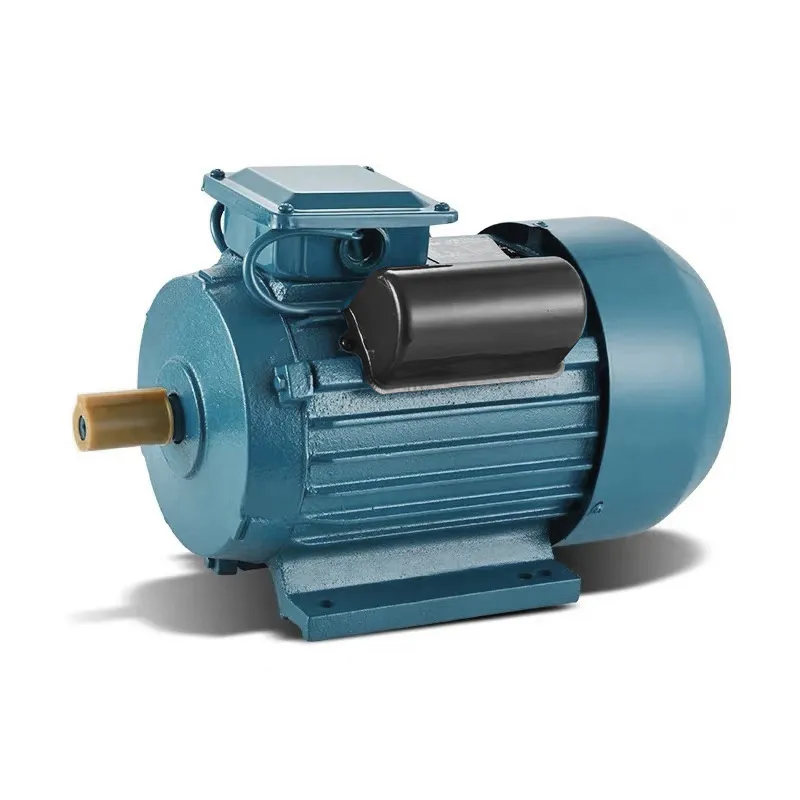
Faktor apa saja yang perlu dipertimbangkan saat memilih motor AC untuk aplikasi tertentu?
Saat memilih motor AC untuk aplikasi tertentu, beberapa faktor perlu dipertimbangkan untuk memastikan motor tersebut memenuhi persyaratan dan berkinerja optimal. Berikut adalah faktor-faktor utama yang perlu dipertimbangkan:
- Persyaratan Daya: Tentukan kebutuhan daya aplikasi, termasuk torsi dan kecepatan yang diperlukan. Motor harus memiliki daya keluaran yang memadai untuk memenuhi tuntutan tugas tertentu. Pertimbangkan faktor-faktor seperti torsi awal, torsi berjalan, dan rentang kecepatan untuk memastikan motor dapat menangani beban secara efektif.
- Jenis Motor: Terdapat berbagai jenis motor AC, termasuk motor induksi, motor sinkron, dan motor DC tanpa sikat. Setiap jenis memiliki karakteristik dan keunggulannya masing-masing. Pertimbangkan persyaratan aplikasi dan faktor-faktor seperti kontrol kecepatan, efisiensi, dan torsi awal untuk menentukan jenis motor yang paling sesuai.
- Kondisi Lingkungan: Evaluasilah kondisi lingkungan tempat motor akan beroperasi. Faktor-faktor seperti suhu, kelembapan, debu, dan tingkat getaran dapat memengaruhi kinerja dan umur pakai motor. Pilihlah motor yang dirancang untuk tahan terhadap kondisi lingkungan spesifik dari aplikasi tersebut.
- Batasan Ukuran dan Ruang: Pertimbangkan ruang yang tersedia untuk pemasangan motor. Pastikan dimensi fisik motor, termasuk panjang, diameter, dan susunan pemasangannya, sesuai dengan ruang yang tersedia. Selain itu, pertimbangkan berat motor jika perlu dipasang atau dipindahkan.
- Efisiensi: Efisiensi energi merupakan pertimbangan penting, karena dapat memengaruhi biaya operasional dan keberlanjutan lingkungan. Carilah motor dengan peringkat efisiensi tinggi, yang menunjukkan bahwa motor tersebut mengubah energi listrik menjadi energi mekanik dengan kehilangan energi minimal. Motor hemat energi dapat menghasilkan penghematan biaya dan mengurangi dampak lingkungan selama masa pakai motor.
- Persyaratan Kontrol dan Kecepatan: Tentukan apakah aplikasi tersebut memerlukan kontrol kecepatan yang presisi atau apakah motor dengan kecepatan tetap sudah cukup. Jika kontrol kecepatan variabel diperlukan, pertimbangkan motor yang dapat dikontrol dengan mudah menggunakan penggerak frekuensi variabel (VFD) atau mekanisme kontrol kecepatan lainnya. Untuk aplikasi yang memerlukan operasi kecepatan tinggi, pilih motor yang dapat mencapai rentang kecepatan yang diinginkan.
- Pemeliharaan dan Kemudahan Servis: Evaluasilah persyaratan perawatan dan kemudahan servis motor. Pertimbangkan faktor-faktor seperti aksesibilitas komponen motor, kemudahan perawatan, ketersediaan suku cadang, dan reputasi pabrikan dalam hal keandalan dan dukungan pelanggan. Motor yang mudah dirawat dan diservis dapat membantu meminimalkan waktu henti dan biaya perbaikan.
- Anggaran: Pertimbangkan batasan anggaran untuk pemilihan motor. Seimbangkan fitur dan kinerja yang diinginkan dengan anggaran yang tersedia. Dalam beberapa kasus, investasi pada motor yang lebih berkualitas dan efisien sejak awal dapat menghasilkan penghematan biaya jangka panjang karena pengurangan konsumsi energi dan kebutuhan perawatan.
Dengan mempertimbangkan faktor-faktor ini secara cermat, dimungkinkan untuk memilih motor AC yang sesuai dengan persyaratan spesifik aplikasi, sehingga memastikan kinerja, efisiensi, dan keandalan yang optimal.
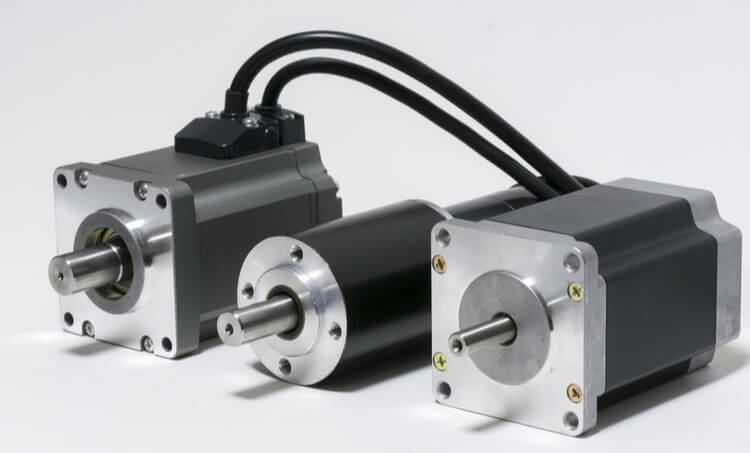
Can you explain the difference between single-phase and three-phase AC motors?
In the realm of AC motors, there are two primary types: single-phase and three-phase motors. These motors differ in their construction, operation, and applications. Let’s explore the differences between single-phase and three-phase AC motors:
- Number of Power Phases: The fundamental distinction between single-phase and three-phase motors lies in the number of power phases they require. Single-phase motors operate using a single alternating current (AC) power phase, while three-phase motors require three distinct AC power phases, typically referred to as phase A, phase B, and phase C.
- Power Supply: Single-phase motors are commonly connected to standard residential or commercial single-phase power supplies. These power supplies deliver a voltage with a sinusoidal waveform, oscillating between positive and negative cycles. In contrast, three-phase motors require a dedicated three-phase power supply, typically found in industrial or commercial settings. Three-phase power supplies deliver three separate sinusoidal waveforms with a specific phase shift between them, resulting in a more balanced and efficient power delivery system.
- Starting Mechanism: Single-phase motors often rely on auxiliary components, such as capacitors or starting windings, to initiate rotation. These components help create a rotating magnetic field necessary for motor startup. Once the motor reaches a certain speed, these auxiliary components may be disconnected or deactivated. Three-phase motors, on the other hand, typically do not require additional starting mechanisms. The three-phase power supply inherently generates a rotating magnetic field, enabling self-starting capability.
- Power and Torque Output: Three-phase motors generally offer higher power and torque output compared to single-phase motors. The balanced nature of three-phase power supply allows for a more efficient distribution of power across the motor windings, resulting in increased performance capabilities. Three-phase motors are commonly used in applications requiring high power demands, such as industrial machinery, pumps, compressors, and heavy-duty equipment. Single-phase motors, with their lower power output, are often used in residential appliances, small commercial applications, and light-duty machinery.
- Efficiency and Smoothness of Operation: Three-phase motors typically exhibit higher efficiency and smoother operation than single-phase motors. The balanced three-phase power supply helps reduce electrical losses and provides a more constant and uniform torque output. This results in improved motor efficiency, reduced vibration, and smoother rotation. Single-phase motors, due to their unbalanced power supply, may experience more pronounced torque variations and slightly lower efficiency.
- Application Suitability: The choice between single-phase and three-phase motors depends on the specific application requirements. Single-phase motors are suitable for powering smaller appliances, such as fans, pumps, household appliances, and small tools. They are commonly used in residential settings where single-phase power is readily available. Three-phase motors are well-suited for industrial and commercial applications that demand higher power levels and continuous operation, including large machinery, conveyors, elevators, air conditioning systems, and industrial pumps.
It’s important to note that while single-phase and three-phase motors have distinct characteristics, there are also hybrid motor designs, such as dual-voltage motors or capacitor-start induction-run (CSIR) motors, which aim to bridge the gap between the two types and offer flexibility in certain applications.
When selecting an AC motor, it is crucial to consider the specific power requirements, available power supply, and intended application to determine whether a single-phase or three-phase motor is most suitable for the task at hand.
Bisakah Anda menjelaskan prinsip kerja dasar motor AC?
Motor AC beroperasi berdasarkan prinsip induksi elektromagnetik. Motor ini mengubah energi listrik menjadi energi mekanik melalui interaksi medan magnet. Prinsip kerja dasar motor AC meliputi langkah-langkah berikut:
- Motor AC terdiri dari dua komponen utama: stator dan rotor. Stator adalah bagian motor yang diam dan berisi gulungan stator. Rotor adalah bagian motor yang berputar dan terhubung ke poros.
- Ketika arus bolak-balik (AC) dialirkan ke kumparan stator, hal itu menciptakan medan magnet yang berubah-ubah.
- Perubahan medan magnet menginduksi tegangan pada gulungan rotor, yang berupa batang konduktif yang dihubung pendek atau kumparan.
- Tegangan induksi pada kumparan rotor menciptakan medan magnet di dalam rotor.
- Medan magnet rotor berinteraksi dengan medan magnet berputar stator, menghasilkan gaya torsi.
- Gaya torsi menyebabkan rotor berputar, mentransfer energi mekanik ke poros yang terhubung.
- Putaran rotor terus berlanjut selama catu daya AC diberikan ke kumparan stator.
Prinsip kerja dasar ini berlaku untuk berbagai jenis motor AC, termasuk motor induksi dan motor sinkron. Namun, konstruksi dan desain spesifik motor dapat bervariasi tergantung pada jenis dan aplikasi yang dimaksud.


editor by CX 2024-04-09


