
Produktbeschreibung
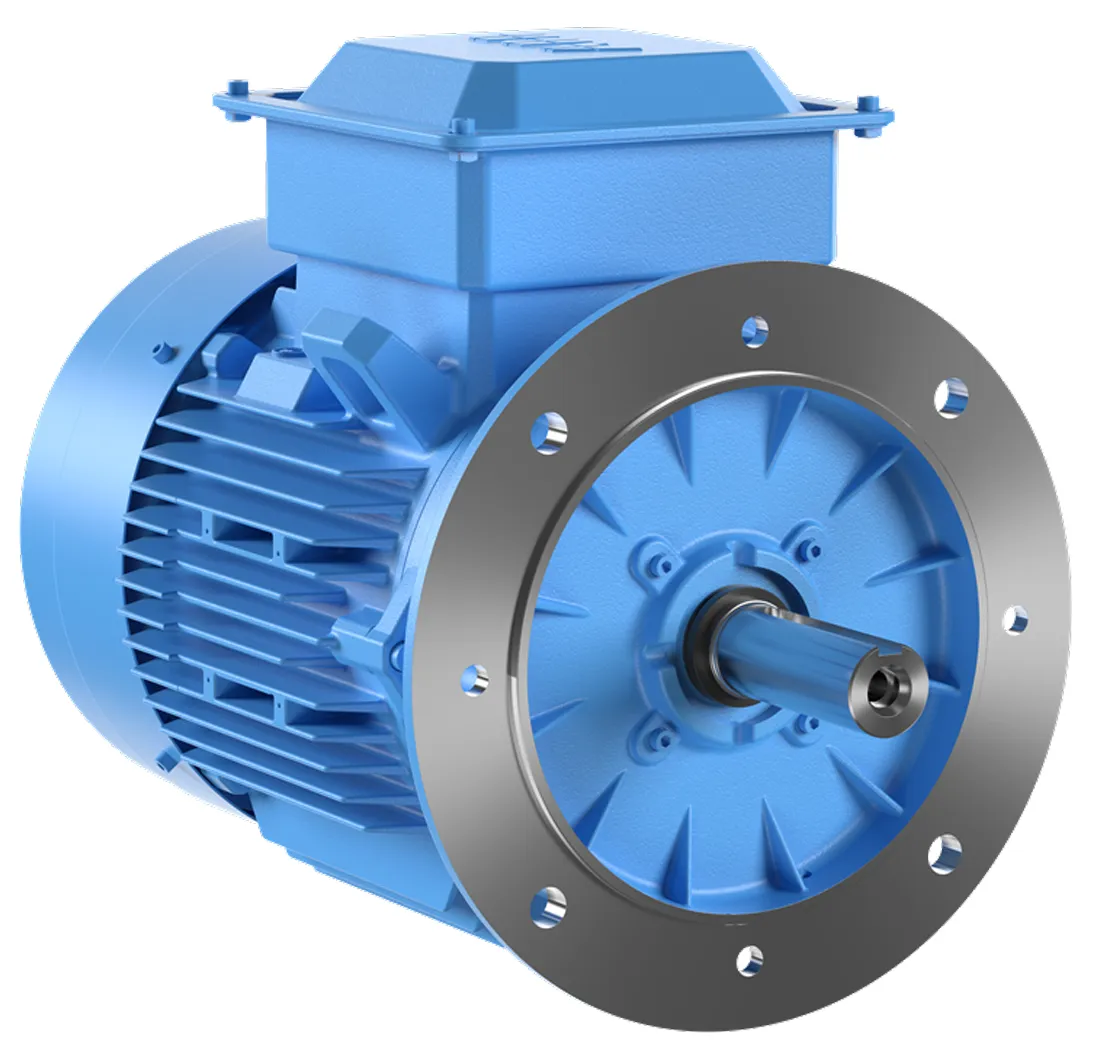
Ye3 Three Phase AC Asynchronous Squirrel Cage Induction Electric Motor for Water Pump
The YE3 Three-phase Electric Motor, with latest design in entirety,are made of selected quality materials and conform to the IEC standard.
have good performance,safety and reliable operation,nice appearance,and can be maintained very conveniently,while with low noise.little vibration,at the same time,light weight and simple construction.These motors can be used for general drive.
| Frame Size: | 80-355 | ||
| Rated Voltage: | 220/440V, 220/380V, 380/660V, 415V or request | ||
| Rated Frequency: | 50HZ,60HZ | ||
| Rated Power: | 0.75~315kW | ||
| Insulation Class: | F | ||
| Altitude: | ≤1000m | ||
| Relative Humidity: | ≤90% | ||
| Protection Class: | IP55 | ||
| Cooling Method: | IC411 | ||
| Ambient Temperature: | -15°-+40°C | ||
| Duty: | S1 | ||
| Mounting: | B3,B5,B35,V1 | ||
| Type | Amps | Watts(HP) | rmp | Eff.% | Cos.fi | Tsn/In | Isn/In | Tmax/Tn |
| YE3-80M1-2 | 1.7 | 1.1 | 2880 | 80.7 | 0.82 | 2.3 | 7 | 2.3 |
| YE3-80M2-2 | 2.4 | 1.5 | 2880 | 82.7 | 0.83 | 2.2 | 7.3 | 2.3 |
| YE3-90S-2 | 3.2 | 2 | 2895 | 84.2 | 0.84 | 2.2 | 7.6 | 2.3 |
| YE3-90L-2 | 4.6 | 3 | 2895 | 85.9 | 0.85 | 2.2 | 7.6 | 2.3 |
| YE3-100L-2 | 6 | 4 | 2995 | 87.1 | 0.87 | 2.2 | 7.8 | 2.3 |
| YE3-112M-2 | 7.8 | 5.5 | 2905 | 88.1 | 0.88 | 2.2 | 8.3 | 2.3 |
| YE3-132S1-2 | 10.6 | 7.5 | 2930 | 89.2 | 0.88 | 2 | 8.3 | 2.3 |
| YE3-132S2-2 | 14.4 | 10 | 2930 | 90.1 | 0.88 | 2 | 7.9 | 2.3 |
| YE3-160M1-2 | 20.6 | 15 | 2945 | 91.2 | 0.89 | 2 | 8.1 | 2.3 |
| YE3-160M2-2 | 27.9 | 20 | 2945 | 91.9 | 0.89 | 2 | 8.1 | 2.3 |
| YE3-160L-2 | 34.2 | 25 | 2945 | 92.4 | 0.89 | 2 | 8.2 | 2.3 |
| YE3-180M-2 | 40.5 | 30 | 2960 | 92.7 | 0.89 | 2 | 8.2 | 2.3 |
| YE3-200L1-2 | 54.9 | 40 | 2955 | 93.3 | 0.89 | 2 | 7.6 | 2.3 |
| YE3-200L2-2 | 67.4 | 50 | 2955 | 93.7 | 0.89 | 2 | 7.6 | 2.3 |
| YE3-225M-2 | 80.8 | 60 | 2965 | 94 | 0.9 | 2 | 7.7 | 2.3 |
| YE3-250M-2 | 98.5 | 75 | 2970 | 94.3 | 0.9 | 2 | 7.7 | 2.3 |
| YE3-280S-2 | 133.7 | 100 | 2975 | 94.7 | 0.8 | 1.8 | 7.1 | 2.3 |
| YE3-280M-2 | 159.9 | 120 | 2975 | 95 | 0.9 | 1.8 | 7.1 | 2.3 |
ZHangZhoug CHINAMFG Motor Co., Ltd is a medium-sized enterprise with a registered capital of 10 million, which integrates research, development, manufacturing, sales and after-sales service. ; In order to comprehensively consider the long-term strategic layout, and to ensure that the products continue to have comprehensive advantages in the market in 2013, the company integrated several upstream suppliers and companies, and gathered a number of scientific researchers in the important R&D links of motors to provide our company products in the terminal. The positioning of special machinery and equipment for market enterprises has laid a CHINAMFG foundation; the company has integrated the original management experience into the quality management system of GB/T19001-2008 and IS09001:2008, and the products have passed CE certification to ensure the quality of CHINAMFG Motors Long-lasting and stable performance; the company has always adhered to the marketing concept of “manufacturing high-quality products with character, and occupying the market with high-quality products”, focusing on building excellent brands, continuously improving enterprise quality, and pursuing progress and development In the course of years of development, CHINAMFG has built a customer-centric marketing network. Its products sell well in nearly 30 provinces and foreign regions across the country, and are well received by consumers, especially by old customers.
Pinyi’s main products:CE certificate/New National Standard GB/T28575-2012 1 Secondary Energy Efficiency/P55:
* YE4 Super High Eficiency Secondary Energy Efficiency Motor;
* YE3 Super High Efficiency Energy Saving Series Three -phase Asynchronous Motor;
* YE3 Super High Efficiency Energy Saving Aluminum Shell Motor;
* YVF2 Frequency conversion series 3 -phase asynchronous motor;
* YD2 series two-speed multi-speed 3 phase asynchronous motor;
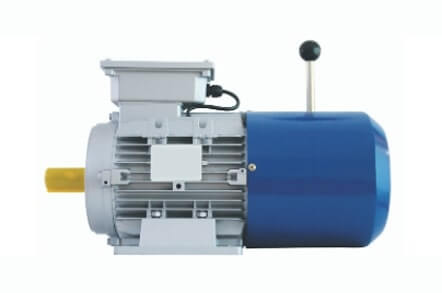
* YEJ2 series electromagnetic brake three- phase asynchronous motor;
* YBX3 series flameproof three- phase asynchronous motor;
* YVFEJ2 series variable frequency brake three-phase asynchronous motor,
* YDEJ series Multi-speed electromagnetic brake three. phase asynchronous motor, oil pump motor,
* special motor for stone machinery and equipment, custom-made motors with special specifications for power
requirements, and motors with different frequencies and different pressures.
* The protection grades include IP55, IP66, etc. and various special motors derived from them.
In line with the principle of “customer first, integrity first’, the company has established long-term cooperative relations with
many enterprises. We take the concept of making products with heart, and aim to create high-quality products and provide satisfactory services. We are determined to create perfect, attention to detail, The goal is to provide efficient and
powerful green power products.
We warmly welcome friends from all walks of life to visit, inspect, negotiate business and create billiant future together.
1,Q: Can you make as per customer drawing?
A: Yes, we offer customized service for customers accordingly. We can use customer’s nameplate for the electric molors.
2. Q: What is your terms of payment ?
A: 30% deposit before production,balance T/T before delivery.
3. Q: Are you a trading company or manufacturer?
A.We are a manufacurer with advanced equ pment and experienced workers.
4. Q: What’s your production capacity?
A:4000-5000 PCS/MONTH.
5. Q: Free sample Is available or not?
A:Yes, we can supply free sample if customer agree to pay for the courier cost.
6. Q: Do you have any certiflcate?
A:Yes, we have CE certificate and SGS certificate report.
/* 22. Januar 2571 19:08:37 */!function(){function s(e,r){var a,o={};try{e&&e.split(“,“).forEach(function(e,t){e&&(a=e.match(/(.*?):(.*)$/))&&1
| Anwendung: | Industrial, Power Tools |
|---|---|
| Betriebsgeschwindigkeit: | High Speed |
| Statornummer: | Dreiphasen |
| Anpassung: |
Verfügbar
|
|
|---|
.shipping-cost-tm .tm-status-off{background: none;padding:0;color: #1470cc}
|
Shipping Cost:
Estimated freight per unit. |
about shipping cost and estimated delivery time. |
|---|
| Payment Method: |
|
|---|---|
|
Initial Payment Full Payment |
| Currency: | US$ |
|---|
| Return&refunds: | You can apply for a refund up to 30 days after receipt of the products. |
|---|
Können Sie das Konzept des Wirkungsgrads von Motoren erläutern und wie dieser mit Wechselstrommotoren zusammenhängt?
Der Wirkungsgrad eines Elektromotors ist ein Maß dafür, wie effektiv er elektrische Energie in mechanische Energie umwandelt. Er stellt das Verhältnis der nutzbaren Ausgangsleistung (mechanische Leistung) zur aufgenommenen Eingangsleistung (elektrische Leistung) dar. Ein höherer Wirkungsgrad bedeutet, dass der Motor einen größeren Anteil der elektrischen Energie in nutzbare mechanische Arbeit umwandelt und gleichzeitig Energieverluste in Form von Wärme und anderen Ineffizienzen minimiert.
Bei Wechselstrommotoren ist der Wirkungsgrad aufgrund ihrer vielfältigen Einsatzmöglichkeiten – von Haushaltsgeräten bis hin zu Industriemaschinen – besonders wichtig. Es gibt zwei Arten von Wechselstrommotoren: Induktionsmotoren, die am häufigsten vorkommen, und Synchronmotoren, die mit einer konstanten, an die Netzfrequenz angepassten Drehzahl laufen.
Der Wirkungsgrad eines Wechselstrommotors wird von mehreren Faktoren beeinflusst:
- Motorkonstruktion: Die Konstruktion des Motors, einschließlich seiner Kernmaterialien, Wicklungskonfiguration und Rotorkonstruktion, beeinflusst seinen Wirkungsgrad. Motoren mit niederohmigen Wicklungen, hochwertigen Magnetmaterialien und optimierten Rotorkonstruktionen weisen in der Regel einen höheren Wirkungsgrad auf.
- Motorgröße: Die physische Größe des Motors kann sich auch auf seinen Wirkungsgrad auswirken. Größere Motoren weisen im Allgemeinen einen höheren Wirkungsgrad auf, da sie Wärme besser ableiten und somit Verluste reduzieren können. Es ist jedoch wichtig, die Motorgröße an die Anwendungsanforderungen anzupassen, um einen Betrieb des Motors mit geringem Wirkungsgrad aufgrund von Unterlastung zu vermeiden.
- Betriebsbedingungen: Die Betriebsbedingungen, wie Lastbedarf, Drehzahl und Temperatur, beeinflussen den Wirkungsgrad von Motoren. Motoren sind typischerweise für maximale Effizienz bei oder nahe ihrer Nennlast ausgelegt. Der Betrieb des Motors über die Nennlast hinaus oder bei sehr geringer Last kann den Wirkungsgrad verringern. Auch hohe Umgebungstemperaturen können zu erhöhten Verlusten und einem geringeren Wirkungsgrad führen.
- Magnetische Verluste: Wechselstrommotoren weisen Verluste aufgrund magnetischer Effekte auf, wie beispielsweise Hysterese- und Wirbelstromverluste in den Kernmaterialien. Diese Verluste führen zu Wärmeentwicklung und verringern den Gesamtwirkungsgrad. Motorkonstruktionen, die magnetische Verluste durch den Einsatz hochwertiger Magnetmaterialien und optimierter Kernkonstruktionen minimieren, können den Wirkungsgrad verbessern.
- Mechanische Reibungs- und Windverluste: Reibungs- und Windverluste in den Lagern, der Welle und den rotierenden Teilen des Motors tragen ebenfalls zu Energieverlusten und einem geringeren Wirkungsgrad bei. Eine sachgemäße Schmierung, die richtige Lagerauswahl und die Reduzierung unnötigen mechanischen Widerstands können helfen, diese Verluste zu minimieren.
Die Effizienz ist ein wichtiger Faktor bei der Auswahl eines Wechselstrommotors, da sie sich direkt auf den Energieverbrauch und die Betriebskosten auswirkt. Motoren mit höherer Effizienz verbrauchen weniger Strom, was zu geringeren Energiekosten und einer kleineren Umweltbelastung führt. Darüber hinaus bedeutet eine höhere Effizienz oft eine geringere Wärmeentwicklung, was die Zuverlässigkeit und Lebensdauer des Motors erhöhen kann.
Regulierungsbehörden und Normungsorganisationen wie die Internationale Elektrotechnische Kommission (IEC) und die National Electrical Manufacturers Association (NEMA) legen Effizienzklassen und -standards für Wechselstrommotoren fest, beispielsweise die IE-Effizienzklassen und die NEMA-Premium-Effizienzstandards. Diese Standards helfen Verbrauchern, die Effizienz verschiedener Motoren zu vergleichen und fundierte Entscheidungen zur Optimierung der Energieeffizienz zu treffen.
Zusammenfassend lässt sich sagen, dass der Wirkungsgrad eines Motors angibt, wie effektiv ein Wechselstrommotor elektrische Energie in mechanische Energie umwandelt. Durch die Auswahl von Motoren mit höherem Wirkungsgrad können Anwender den Energieverbrauch, die Betriebskosten und die Umweltbelastung reduzieren und gleichzeitig einen zuverlässigen und nachhaltigen Motorbetrieb gewährleisten.
Are there energy-saving technologies or features available in modern AC motors?
Yes, modern AC motors often incorporate various energy-saving technologies and features designed to improve their efficiency and reduce power consumption. These advancements aim to minimize energy losses and optimize motor performance. Here are some energy-saving technologies and features commonly found in modern AC motors:
- High-Efficiency Designs: Modern AC motors are often designed with higher efficiency standards compared to older models. These motors are built using advanced materials and optimized designs to reduce energy losses, such as resistive losses in motor windings and mechanical losses due to friction and drag. High-efficiency motors can achieve energy savings by converting a higher percentage of electrical input power into useful mechanical work.
- Premium Efficiency Standards: International standards and regulations, such as the NEMA Premium® and IE (International Efficiency) classifications, define minimum energy efficiency requirements for AC motors. Premium efficiency motors meet or exceed these standards, offering improved efficiency compared to standard motors. These motors often incorporate design enhancements, such as improved core materials, reduced winding resistance, and optimized ventilation systems, to achieve higher efficiency levels.
- Variable Frequency Drives (VFDs): VFDs, also known as adjustable speed drives or inverters, are control devices that allow AC motors to operate at variable speeds by adjusting the frequency and voltage of the electrical power supplied to the motor. By matching the motor speed to the load requirements, VFDs can significantly reduce energy consumption. VFDs are particularly effective in applications where the motor operates at a partial load for extended periods, such as HVAC systems, pumps, and fans.
- Efficient Motor Control Algorithms: Modern motor control algorithms, implemented in motor drives or control systems, optimize motor operation for improved energy efficiency. These algorithms dynamically adjust motor parameters, such as voltage, frequency, and current, based on load conditions, thereby minimizing energy wastage. Advanced control techniques, such as sensorless vector control or field-oriented control, enhance motor performance and efficiency by precisely regulating the motor’s magnetic field.
- Improved Cooling and Ventilation: Effective cooling and ventilation are crucial for maintaining motor efficiency. Modern AC motors often feature enhanced cooling systems, including improved fan designs, better airflow management, and optimized ventilation paths. Efficient cooling helps prevent motor overheating and reduces losses due to heat dissipation. Some motors also incorporate thermal monitoring and protection mechanisms to avoid excessive temperatures and ensure optimal operating conditions.
- Bearings and Friction Reduction: Friction losses in bearings and mechanical components can consume significant amounts of energy in AC motors. Modern motors employ advanced bearing technologies, such as sealed or lubrication-free bearings, to reduce friction and minimize energy losses. Additionally, optimized rotor and stator designs, along with improved manufacturing techniques, help reduce mechanical losses and enhance motor efficiency.
- Power Factor Correction: Power factor is a measure of how effectively electrical power is being utilized. AC motors with poor power factor can contribute to increased reactive power consumption and lower overall power system efficiency. Power factor correction techniques, such as capacitor banks or power factor correction controllers, are often employed to improve power factor and minimize reactive power losses, resulting in more efficient motor operation.
By incorporating these energy-saving technologies and features, modern AC motors can achieve significant improvements in energy efficiency, leading to reduced power consumption and lower operating costs. When considering the use of AC motors, it is advisable to select models that meet or exceed recognized efficiency standards and consult manufacturers or experts to ensure the motor’s compatibility with specific applications and energy-saving requirements.
What is an AC motor, and how does it differ from a DC motor?
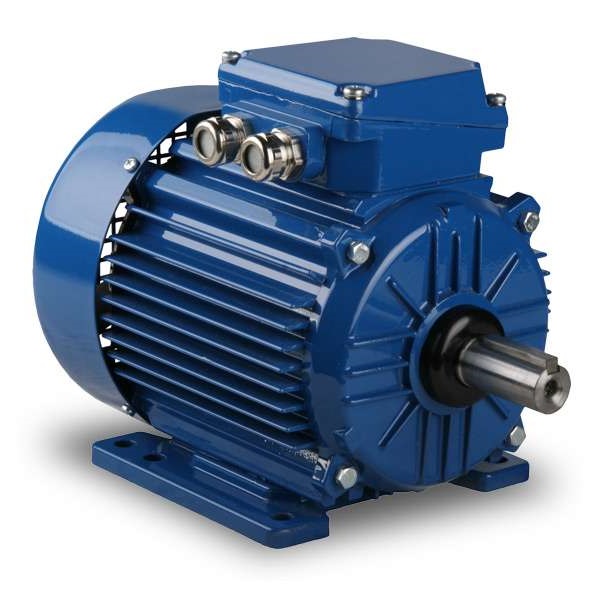
An AC motor, also known as an alternating current motor, is a type of electric motor that operates on alternating current. It converts electrical energy into mechanical energy through the interaction of magnetic fields. AC motors are widely used in various applications, ranging from household appliances to industrial machinery. Here’s a detailed explanation of what an AC motor is and how it differs from a DC motor:
AC Motor:
An AC motor consists of two main components: the stator and the rotor. The stator is the stationary part of the motor and contains the stator windings. These windings are typically made of copper wire and are arranged in specific configurations to create a rotating magnetic field when energized by an alternating current. The rotor, on the other hand, is the rotating part of the motor and is typically made of laminated steel cores with conducting bars or coils. The rotor windings are connected to a shaft, and their interaction with the rotating magnetic field produced by the stator causes the rotor to rotate.
The operation of an AC motor is based on the principles of electromagnetic induction. When the stator windings are energized with an AC power supply, the changing magnetic field induces a voltage in the rotor windings, which in turn creates a magnetic field. The interaction between the rotating magnetic field of the stator and the magnetic field of the rotor produces a torque, causing the rotor to rotate. The speed of rotation depends on the frequency of the AC power supply and the number of poles in the motor.
DC Motor:
A DC motor, also known as a direct current motor, operates on direct current. Unlike an AC motor, which relies on the interaction of magnetic fields to generate torque, a DC motor uses the principle of commutation to produce rotational motion. A DC motor consists of a stator and a rotor, similar to an AC motor. The stator contains the stator windings, while the rotor consists of a rotating armature with coils or permanent magnets.
In a DC motor, when a direct current is applied to the stator windings, a magnetic field is created. The rotor, either through the use of brushes and a commutator or electronic commutation, aligns itself with the magnetic field and begins to rotate. The direction of the current in the rotor windings is continuously reversed to ensure continuous rotation. The speed of a DC motor can be controlled by adjusting the voltage applied to the motor or by using electronic speed control methods.
Differences:
The main differences between AC motors and DC motors are as follows:
- Power Source: AC motors operate on alternating current, which is the standard power supply in most residential and commercial buildings. DC motors, on the other hand, require direct current and typically require a power supply that converts AC to DC.
- Construction: AC motors and DC motors have similar construction with stators and rotors, but the design and arrangement of the windings differ. AC motors generally have three-phase windings, while DC motors can have either armature windings or permanent magnets.
- Speed Control: AC motors typically operate at fixed speeds determined by the frequency of the power supply and the number of poles. DC motors, on the other hand, offer more flexibility in speed control and can be easily adjusted over a wide range of speeds.
- Effizienz: AC motors are generally more efficient than DC motors. AC motors can achieve higher power densities and are often more suitable for high-power applications. DC motors, however, offer better speed control and are commonly used in applications that require precise speed regulation.
- Applications: AC motors are widely used in applications such as industrial machinery, HVAC systems, pumps, and compressors. DC motors find applications in robotics, electric vehicles, computer disk drives, and small appliances.
In conclusion, AC motors and DC motors differ in their power source, construction, speed control, efficiency, and applications. AC motors rely on the interaction of magnetic fields and operate on alternating current, while DC motors use commutation and operate on direct current. Each type of motor has its advantages and is suited for different applications based on factors such as power requirements, speed control needs, and efficiency considerations.


editor by CX 2024-05-08


