
Produktbeschreibung
High-speed doors servo control system
AC 2000kg Electric Garage Door Opener Roller Shutter Rolling Door Side Motor
Features
- Intelligent human-computer interaction interface, LCD display, built-in Chinese and English
- Convenient wiring and simple operation
- Built-in brake released battery,the brake can be quickly released with 1 button when power off
- Low noise, stable operation and high efficiency
- High-quality IPM intelligent module, with strong performance and full protection function
- Record running time and number of times, lock and maintenance time can be set
- Real-time monitor external signals and system alarm functions
- Input and output ports can be edited to set multiple functions
- The product is suitable for all kinds of PVC high-speed doors,PVC high-speed Fold-up doors and spiral doors.
Technical Parameter
| Model | FD300 | ||
| Rated Power | 0.75kw | 1.5kw | 2.5kw |
| Brake Release Battery | None | Built-in | |
| Input Voltage | 1P,AC220V±15%/50~60Hz | ||
| Limit Control | Ab olute Encoder,Mechanical Limit | ||
| Overload Capacity | 300% Rated 10s,150% Rated 60s | ||
| Output Power | DC24V/1A | ||
| Temperature | -20ºC ~ 50ºC | ||
| Dimension | 360×23 ×100mm | ||
| Weight | 5.2kg | ||
Brief description of common parameters
Low power silent high-speed servo motor
Features
- High speed, rated speed 3000 rpm, maximum 5000 rpm
- Aviation aluminum shell, exquisite appearance and good heat dissipati n
- Built-in absolute encoder, easy to install
- Constant high torque output, up to 300 overload capacity
- Applicable to a wide range of environments, -40ºC~70ºC
- No mechanical brake, quiet and stable
- Advanced short-circuit electromagnetic brake, self-locking after power off
| Size Type |
A | B | C | D | E | F | Weight (kg) | |
| 0.75kw | RV050 | 120 | 145 | 90 | 300 | 150 | 30 | 7.7 |
| 0.75kw | RV063 | 145 | 175 | 110 | 325 | 150 | 30 | 9.9 |
| 1.1kw | RV050 | 120 | 145 | 90 | 330 | 180 | 30 | 8.6 |
| 1.1kw | RV063 | 145 | 175 | 110 | 355 | 180 | 30 | 10.8 |
| Model | FDHDM22150 | |
| Rated Power | 0.75kw | 1.1kw |
| Insulation Gr de | F | |
| IP | IP65 | |
| Encoder | bsolute Encoder Built-in | |
| Brake | none mechanical brake | |
| Output Rotating Speed | 3000RPM | |
| Output Torque | 2.39N.m | 3.5N.m |
| Reduction Gear | 050(063 Optional)Standard 1:30 | |
High-power high-speed servo motor
Features
- High speed, rated speed 2500 rpm, maximum 4000 rpm
- Aviation aluminum shell, exquisite appearance and good heat dissipation
- Built-in absolute encoder, easy to install
- Constant high torque output, up to 300 overload capacity
- Applicable to a wide range of environments, -40ºC~70ºC
- DC 24V mechanical brake, easily released by 1 key of the controller when power off
| Size Type | A | B | C | D | E | F | Weight (kg) | |
| 1.5kw | RV063 | 144 | 200 | 103 | 403 | 236 | 30 | 16.2 |
| 2.0kw | RV063 | 144 | 200 | 103 | 410 | 249 | 30 | 17.5 |
| 2.5kw | RV063 | 144 | 200 | 103 | 452 | 252 | 30 | 18.5 |
| Model | FDHDM22220 | ||
| Rated Power | 1.5kw | 2kw | 2.5kw |
| Insulation Gr de | F | ||
| IP | IP65 | ||
| Encoder | Absolute Encoder B ilt-in | ||
| Brake | DC24 Brake | ||
| Output Rotating Speed | 2500RPM | ||
| Output Torque | 6N.m | 8N.m | 10N.m |
| Reduction Gear | 063(075 Optional)Standard 1:25 | ||
| Reduction Gear | D | b | M | N | KE | C | E | L |
| RV50 | 25 | 8 | 85 | 70 | M8×10 | 120 | 144 | 85 |
| RV63 | 25 | 8 | 95 | 80 | M8×14 | 144 | 174 | 103 |
| RV75 | 28 | 8 | 115 | 95 | M8×14 | 174 | 205 | 113 |
| RV90 | 28 | 10 | 130 | 110 | M10×10 | 208 | 238 | 130 |
High-speed tubular servo motor
90/130 Planetary gear servo motor
/* 22. Januar 2571 19:08:37 */!function(){function s(e,r){var a,o={};try{e&&e.split(“,“).forEach(function(e,t){e&&(a=e.match(/(.*?):(.*)$/))&&1
| Structure: | Straight Arm |
|---|---|
| Driving Type: | Electromechanical |
| Electric Current Type: | AC |
| Brand: | Everbright |
| Output Power: | DC24V / 1A |
| Input Voltage: | 1p,AC220V±15%/50~60Hz |
| Samples: |
US$ 300/Piece
1 Piece(Min.Order) | |
|---|
| Anpassung: |
Verfügbar
|
|
|---|
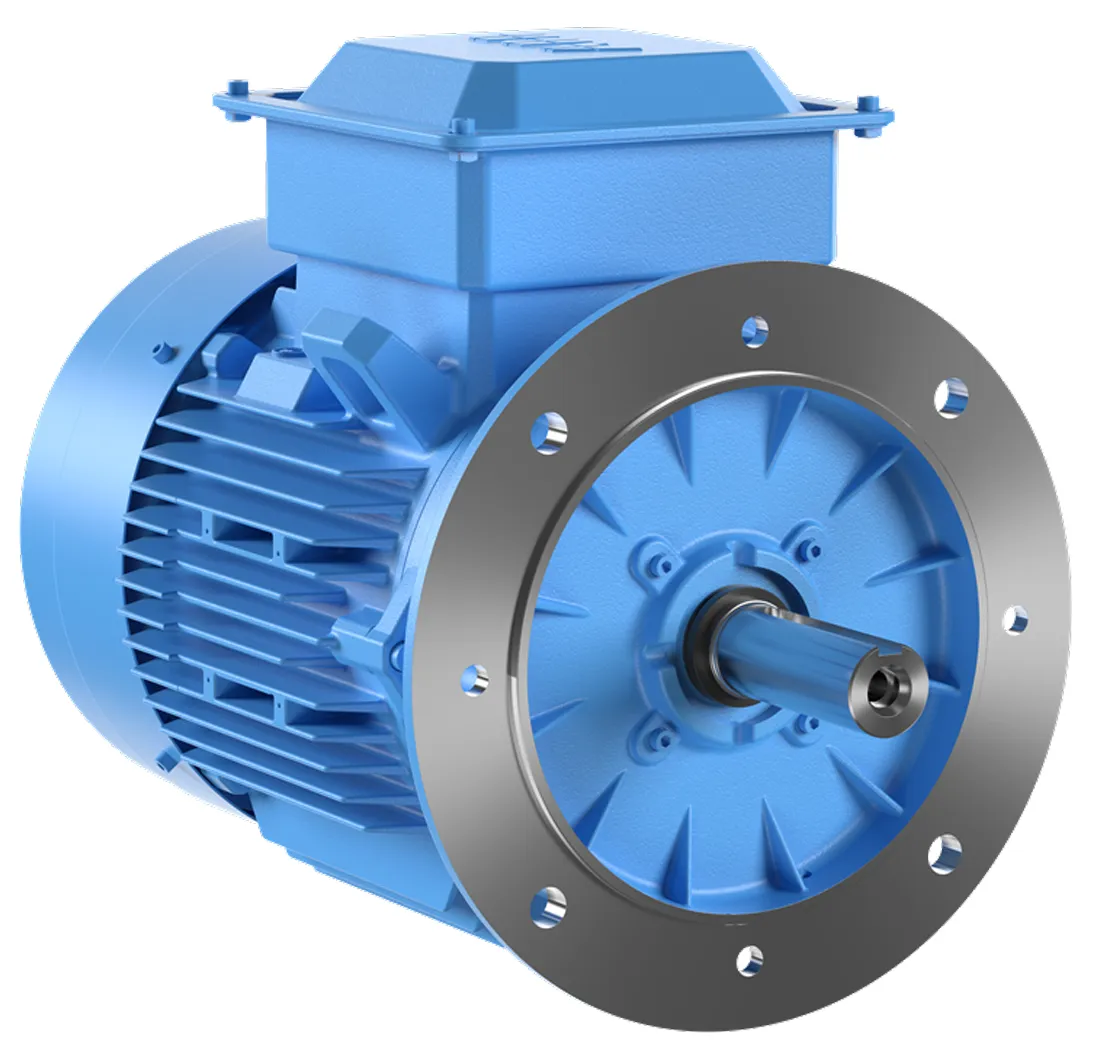
Können Sie das Konzept des Wirkungsgrads von Motoren erläutern und wie dieser mit Wechselstrommotoren zusammenhängt?
Der Wirkungsgrad eines Elektromotors ist ein Maß dafür, wie effektiv er elektrische Energie in mechanische Energie umwandelt. Er stellt das Verhältnis der nutzbaren Ausgangsleistung (mechanische Leistung) zur aufgenommenen Eingangsleistung (elektrische Leistung) dar. Ein höherer Wirkungsgrad bedeutet, dass der Motor einen größeren Anteil der elektrischen Energie in nutzbare mechanische Arbeit umwandelt und gleichzeitig Energieverluste in Form von Wärme und anderen Ineffizienzen minimiert.
Bei Wechselstrommotoren ist der Wirkungsgrad aufgrund ihrer vielfältigen Einsatzmöglichkeiten – von Haushaltsgeräten bis hin zu Industriemaschinen – besonders wichtig. Es gibt zwei Arten von Wechselstrommotoren: Induktionsmotoren, die am häufigsten vorkommen, und Synchronmotoren, die mit einer konstanten, an die Netzfrequenz angepassten Drehzahl laufen.
Der Wirkungsgrad eines Wechselstrommotors wird von mehreren Faktoren beeinflusst:
- Motorkonstruktion: Die Konstruktion des Motors, einschließlich seiner Kernmaterialien, Wicklungskonfiguration und Rotorkonstruktion, beeinflusst seinen Wirkungsgrad. Motoren mit niederohmigen Wicklungen, hochwertigen Magnetmaterialien und optimierten Rotorkonstruktionen weisen in der Regel einen höheren Wirkungsgrad auf.
- Motorgröße: Die physische Größe des Motors kann sich auch auf seinen Wirkungsgrad auswirken. Größere Motoren weisen im Allgemeinen einen höheren Wirkungsgrad auf, da sie Wärme besser ableiten und somit Verluste reduzieren können. Es ist jedoch wichtig, die Motorgröße an die Anwendungsanforderungen anzupassen, um einen Betrieb des Motors mit geringem Wirkungsgrad aufgrund von Unterlastung zu vermeiden.
- Betriebsbedingungen: Die Betriebsbedingungen, wie Lastbedarf, Drehzahl und Temperatur, beeinflussen den Wirkungsgrad von Motoren. Motoren sind typischerweise für maximale Effizienz bei oder nahe ihrer Nennlast ausgelegt. Der Betrieb des Motors über die Nennlast hinaus oder bei sehr geringer Last kann den Wirkungsgrad verringern. Auch hohe Umgebungstemperaturen können zu erhöhten Verlusten und einem geringeren Wirkungsgrad führen.
- Magnetische Verluste: Wechselstrommotoren weisen Verluste aufgrund magnetischer Effekte auf, wie beispielsweise Hysterese- und Wirbelstromverluste in den Kernmaterialien. Diese Verluste führen zu Wärmeentwicklung und verringern den Gesamtwirkungsgrad. Motorkonstruktionen, die magnetische Verluste durch den Einsatz hochwertiger Magnetmaterialien und optimierter Kernkonstruktionen minimieren, können den Wirkungsgrad verbessern.
- Mechanische Reibungs- und Windverluste: Reibungs- und Windverluste in den Lagern, der Welle und den rotierenden Teilen des Motors tragen ebenfalls zu Energieverlusten und einem geringeren Wirkungsgrad bei. Eine sachgemäße Schmierung, die richtige Lagerauswahl und die Reduzierung unnötigen mechanischen Widerstands können helfen, diese Verluste zu minimieren.
Die Effizienz ist ein wichtiger Faktor bei der Auswahl eines Wechselstrommotors, da sie sich direkt auf den Energieverbrauch und die Betriebskosten auswirkt. Motoren mit höherer Effizienz verbrauchen weniger Strom, was zu geringeren Energiekosten und einer kleineren Umweltbelastung führt. Darüber hinaus bedeutet eine höhere Effizienz oft eine geringere Wärmeentwicklung, was die Zuverlässigkeit und Lebensdauer des Motors erhöhen kann.
Regulierungsbehörden und Normungsorganisationen wie die Internationale Elektrotechnische Kommission (IEC) und die National Electrical Manufacturers Association (NEMA) legen Effizienzklassen und -standards für Wechselstrommotoren fest, beispielsweise die IE-Effizienzklassen und die NEMA-Premium-Effizienzstandards. Diese Standards helfen Verbrauchern, die Effizienz verschiedener Motoren zu vergleichen und fundierte Entscheidungen zur Optimierung der Energieeffizienz zu treffen.
Zusammenfassend lässt sich sagen, dass der Wirkungsgrad eines Motors angibt, wie effektiv ein Wechselstrommotor elektrische Energie in mechanische Energie umwandelt. Durch die Auswahl von Motoren mit höherem Wirkungsgrad können Anwender den Energieverbrauch, die Betriebskosten und die Umweltbelastung reduzieren und gleichzeitig einen zuverlässigen und nachhaltigen Motorbetrieb gewährleisten.
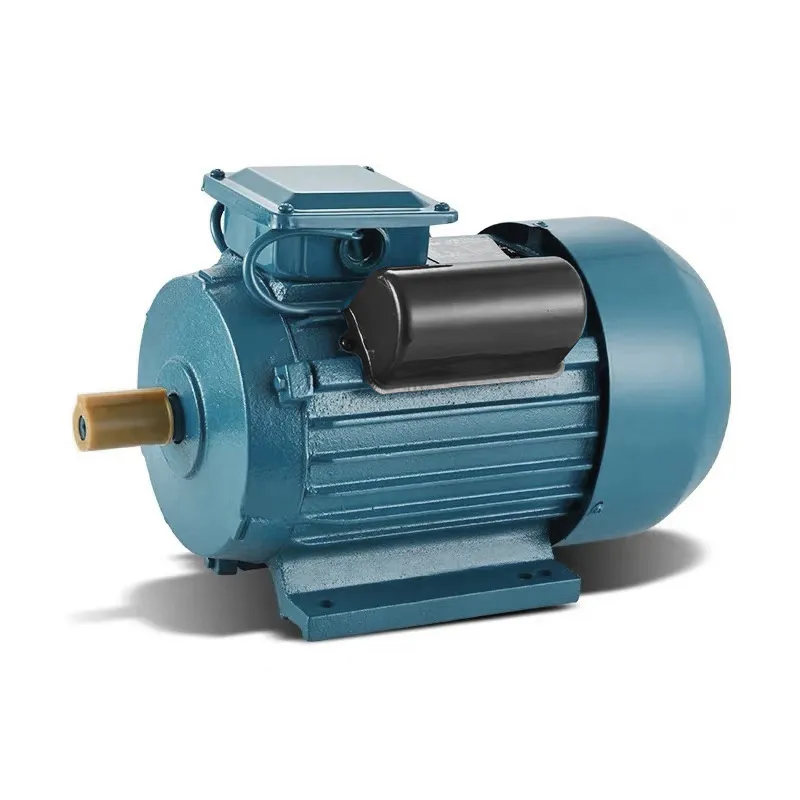
How do AC motors contribute to the functioning of household appliances?
AC motors play a crucial role in the functioning of numerous household appliances by converting electrical energy into mechanical energy. These motors are used in a wide range of devices, powering various components and performing essential tasks. Let’s explore how AC motors contribute to the functioning of household appliances:
- Kitchen Appliances: AC motors are found in various kitchen appliances, such as refrigerators, freezers, dishwashers, and blenders. In refrigerators and freezers, AC motors drive the compressor, which circulates the refrigerant and maintains the desired temperature. Dishwashers use AC motors to power the water pumps, spray arms, and the motorized detergent dispenser. Blenders utilize AC motors to rotate the blades and blend ingredients.
- Laundry Appliances: AC motors are integral to laundry appliances like washing machines and clothes dryers. Washing machines rely on AC motors to power the agitator or the drum, facilitating the washing and spinning cycles. Clothes dryers use AC motors to rotate the drum and operate the blower fan, facilitating the drying process.
- Vacuum Cleaners: Vacuum cleaners utilize AC motors to generate suction and drive the motorized brush or beater bar. These motors power the fan or impeller, creating the necessary airflow for effective cleaning.
- Fans and Air Circulation: AC motors are employed in various types of fans, including ceiling fans, table fans, and pedestal fans. These motors drive the fan blades, producing airflow and facilitating air circulation to provide cooling or ventilation in rooms. Additionally, AC motors power exhaust fans used in kitchens, bathrooms, and range hoods to remove odors, smoke, or excess moisture.
- Air Conditioning and Heating Systems: AC motors are critical components in air conditioning and heating systems. They power the compressor, condenser fan, and blower fan, which are responsible for circulating refrigerant, dissipating heat, and delivering conditioned air throughout the house. AC motors enable the regulation of temperature and humidity levels, ensuring comfort in residential spaces.
- Garage Door Openers: AC motors are utilized in garage door openers to drive the mechanism responsible for opening and closing the garage door. These motors generate the necessary torque to lift or lower the door smoothly and efficiently.
- Other Appliances: AC motors are also found in a variety of other household appliances. For instance, they power pumps in water heaters, swimming pool filters, and sump pumps. AC motors are used in dehumidifiers, humidifiers, and air purifiers to drive the fans and other internal components. They are also present in audiovisual equipment, such as DVD players, record players, and fans used for cooling electronics.
In summary, AC motors are essential components in household appliances, enabling their proper functioning and delivering the mechanical energy required for various tasks. From kitchen appliances to laundry machines, fans, air conditioning systems, and more, AC motors provide the necessary power and functionality to enhance our daily lives.
Can you explain the basic working principle of an AC motor?
An AC motor operates based on the principles of electromagnetic induction. It converts electrical energy into mechanical energy through the interaction of magnetic fields. The basic working principle of an AC motor involves the following steps:
- The AC motor consists of two main components: the stator and the rotor. The stator is the stationary part of the motor and contains the stator windings. The rotor is the rotating part of the motor and is connected to a shaft.
- When an alternating current (AC) is supplied to the stator windings, it creates a changing magnetic field.
- The changing magnetic field induces a voltage in the rotor windings, which are either short-circuited conductive bars or coils.
- The induced voltage in the rotor windings creates a magnetic field in the rotor.
- The magnetic field of the rotor interacts with the rotating magnetic field of the stator, resulting in a torque force.
- The torque force causes the rotor to rotate, transferring mechanical energy to the connected shaft.
- The rotation of the rotor continues as long as the AC power supply is provided to the stator windings.
This basic working principle is applicable to various types of AC motors, including induction motors and synchronous motors. However, the specific construction and design of the motor may vary depending on the type and intended application.


editor by CX 2024-04-26


