
คำอธิบายผลิตภัณฑ์
Note:
The specifications can be designed according to the customer’s requirements!
Option:
The Shaft length, voltage, noise, life…
แอปพลิเคชัน:
Laminator, Paper Shredder, Fan, Electric Oven, Grill, Air Conditioner, Heater Machines…
Parameter:
| แบบอย่าง | ความเร็วรอบเอาต์พุต (รอบต่อนาที) | แรงบิดเอาต์พุต (กก.ซม. / ปอนด์-นิ้ว) | แรงดันไฟฟ้า (V.AC) | กระแสไฟฟ้า (A) | ความถี่ (เฮิร์ตซ์) | กำลังไฟฟ้าขาเข้า (วัตต์) | ระดับเสียง (เดซิเบล) | การหมุน | ||
| S1 ต่อเนื่อง | ซีซั่น 2 15 นาที | ซีซั่น 2 5 นาที | ||||||||
| S643-30-15 | 15 | 30 / 26.1 | 40 / 34.8 | 60 / 52.2 | 24 ********* 110 ********* 220 |
<0.9 ********** <0.2 ********* <0.1 |
50/60Hz | <20 | <45 | ตามเข็มนาฬิกา / ทวนเข็มนาฬิกา / สองทิศทาง |
| S643-22-20 | 20 | 22 / 19.1 | 30 / 26.1 | 45 / 39.2 | ||||||
| S643-18-25 | 25 | 18 / 15.7 | 24 / 20.9 | 36 / 31. | ||||||
| S643-15-30 | 30 | 15 / 13 | 20 / 17.4 | 30 / 26.1 | ||||||
| S643-12-40 | 40 | 11.5 / 10 | 15 / 13 | 22.5 / 19.8 | ||||||
| S643-09-50 | 50 | 9 / 7.8 | 12 / 10.4 | 18 / 15.7 | ||||||
| S643-08-60 | 60 | 7.5 / 6.5 | 10 / 8.7 | 15 / 13 | ||||||
| S643-07-70 | 70 | 6.4 / 5.6 | 8.6 / 7.5 | 12.8 / 11.1 | ||||||
| S643-06-80 | 80 | 5.6 / 4.9 | 7.5 / 6.5 | 11 / 9.6 | ||||||
| S643-05-99 | 99 | 4.5 / 3.9 | 6 / 5.2 | 9 / 7.8 | ||||||
| S643-03-152 | 152 | 3 / 2.6 | 4 / 3.5 | 6 / 5.2 | ||||||
| Note: The above data are from motors under 50Hz. If under 60Hz, Speed*1.2, Torque/1.2 Other speed and torque needed, please contact our sale department | ||||||||||
เกี่ยวกับเรา:
I.CH motion co., LTD, headquartered in HangZhou, is a professional manufacturer and supplier of the motor. We have provided AC Motor, AC gear motor, DC gear motor, BLDC motor, BLDC Gear motor, BLDC Servo motor since 2006.
As a professional manufacturer who has professional teams, we can custom according to your needs.
Certificate:
IOS9001, CE
Service:
1, OEM & ODM service.
2, Quick reply: all email will be replied in 12 hours.
3, Shipment: take photos, send them to customers for confirmation.
Shipping:
1, Carton, Pallet, or what you want.
2, The Delivery time is about 30-45 days.
Customer’s Visiting:
FAQ:
1, Are you a factory?
Yes, we have been in designing and providing excellent motors for customers.
2, Can you provide a sample?
Yes.
3, How long you could prepare samples?
If customized one, about a week around.
4, If My package has missing products. What can I do?
Please contact our support team and we will confirm your order with the package contents. We apologize for any inconvenience. /* January 22, 2571 19:08:37 */!function(){function s(e,r){var a,o={};try{e&&e.split(“,”).forEach(function(e,t){e&&(a=e.match(/(.*?):(.*)$/))&&1
| แอปพลิเคชัน: | Industrial |
|---|---|
| Speed: | ความเร็วต่ำ |
| Function: | Driving, Control |
| การป้องกันตัวเรือน: | แบบปิด |
| Certification: | ISO9001, CCC |
| Brand: | I.CH |
| การปรับแต่ง: |
มีอยู่
|
|
|---|
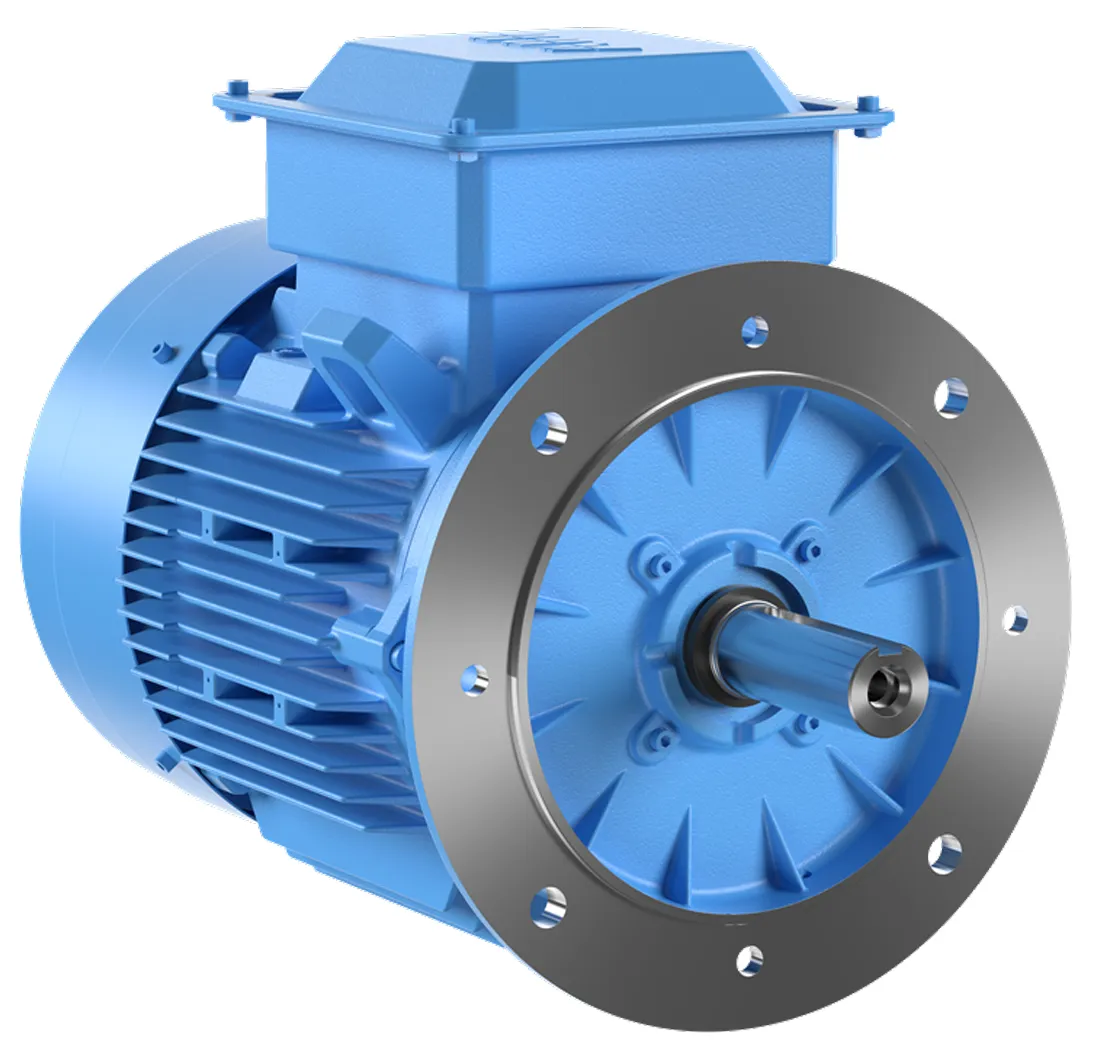
Can you explain the concept of motor efficiency and how it relates to AC motors?
Motor efficiency is a measure of how effectively an electric motor converts electrical power into mechanical power. It represents the ratio of the motor’s useful output power (mechanical power) to the input power (electrical power) it consumes. Higher efficiency indicates that the motor converts a larger percentage of the electrical energy into useful mechanical work, while minimizing energy losses in the form of heat and other inefficiencies.
In the case of AC motors, efficiency is particularly important due to their wide usage in various applications, ranging from residential appliances to industrial machinery. AC motors can be both induction motors, which are the most common type, and synchronous motors, which operate at a constant speed synchronized with the frequency of the power supply.
The efficiency of an AC motor is influenced by several factors:
- Motor Design: The design of the motor, including its core materials, winding configuration, and rotor construction, affects its efficiency. Motors that are designed with low-resistance windings, high-quality magnetic materials, and optimized rotor designs tend to have higher efficiency.
- Motor Size: The physical size of the motor can also impact its efficiency. Larger motors generally have higher efficiency because they can dissipate heat more effectively, reducing losses. However, it’s important to select a motor size that matches the application requirements to avoid operating the motor at low efficiency due to underloading.
- Operating Conditions: The operating conditions, such as load demand, speed, and temperature, can influence motor efficiency. Motors are typically designed for maximum efficiency at or near their rated load. Operating the motor beyond its rated load or at very light loads can reduce efficiency. Additionally, high ambient temperatures can cause increased losses and reduced efficiency.
- Magnetic Losses: AC motors experience losses due to magnetic effects, such as hysteresis and eddy current losses in the core materials. These losses result in heat generation and reduce overall efficiency. Motor designs that minimize magnetic losses through the use of high-quality magnetic materials and optimized core designs can improve efficiency.
- Mechanical Friction and Windage Losses: Friction and windage losses in the motor’s bearings, shaft, and rotating parts also contribute to energy losses and reduced efficiency. Proper lubrication, bearing selection, and reducing unnecessary mechanical resistance can help minimize these losses.
Efficiency is an important consideration when selecting an AC motor, as it directly impacts energy consumption and operating costs. Motors with higher efficiency consume less electrical power, resulting in reduced energy bills and a smaller environmental footprint. Additionally, higher efficiency often translates to less heat generation, which can enhance the motor’s reliability and lifespan.
Regulatory bodies and standards organizations, such as the International Electrotechnical Commission (IEC) and the National Electrical Manufacturers Association (NEMA), provide efficiency classes and standards for AC motors, such as IE efficiency classes and NEMA premium efficiency standards. These standards help consumers compare the efficiency levels of different motors and make informed choices to optimize energy efficiency.
In summary, motor efficiency is a measure of how effectively an AC motor converts electrical power into mechanical power. By selecting motors with higher efficiency, users can reduce energy consumption, operating costs, and environmental impact while ensuring reliable and sustainable motor performance.
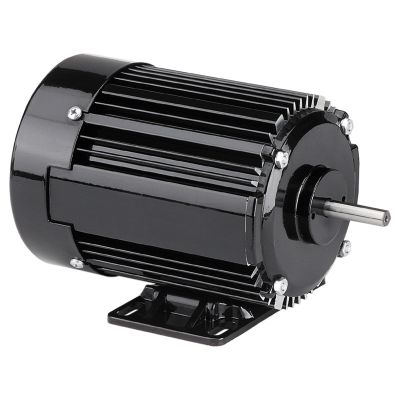
มอเตอร์ไฟฟ้ากระแสสลับ (AC) สามารถนำมาใช้ในระบบพลังงานหมุนเวียน เช่น กังหันลม ได้หรือไม่?
ใช่ มอเตอร์ไฟฟ้ากระแสสลับ (AC) สามารถนำมาใช้ในระบบพลังงานหมุนเวียนได้ รวมถึงกังหันลม ที่จริงแล้ว มอเตอร์ไฟฟ้ากระแสสลับถูกนำมาใช้กันอย่างแพร่หลายในงานต่างๆ ของกังหันลม เนื่องจากมีข้อดีมากมาย ต่อไปนี้คือคำอธิบายโดยละเอียด:
1. เครื่องกำเนิดไฟฟ้า: ในระบบกังหันลม มอเตอร์ไฟฟ้ากระแสสลับมักทำหน้าที่เป็นเครื่องกำเนิดไฟฟ้า เมื่อใบพัดของกังหันลมหมุน ใบพัดจะขับเคลื่อนโรเตอร์ของเครื่องกำเนิดไฟฟ้า ซึ่งจะแปลงพลังงานกลจากลมให้เป็นพลังงานไฟฟ้า เครื่องกำเนิดไฟฟ้ากระแสสลับนิยมใช้ในกังหันลมเนื่องจากมีประสิทธิภาพ ความน่าเชื่อถือ และความเข้ากันได้กับระบบโครงข่ายไฟฟ้า
2. การควบคุมความเร็วแบบแปรผัน: มอเตอร์ไฟฟ้ากระแสสลับ (AC) มีข้อดีคือสามารถควบคุมความเร็วได้หลากหลาย ซึ่งเป็นสิ่งสำคัญสำหรับกังหันลม ความเร็วลมเปลี่ยนแปลงได้ และเพื่อให้สามารถดักจับพลังงานได้สูงสุด จำเป็นต้องปรับความเร็วรอบของใบพัดให้เหมาะสม มอเตอร์ไฟฟ้ากระแสสลับ เมื่อใช้เป็นเครื่องกำเนิดไฟฟ้า สามารถปรับความเร็วรอบให้เข้ากับสภาพลมที่เปลี่ยนแปลงได้โดยการปรับความถี่และแรงดันของสัญญาณไฟฟ้าขาออก
3. ประสิทธิภาพ: มอเตอร์ไฟฟ้ากระแสสลับ (AC) ขึ้นชื่อเรื่องประสิทธิภาพสูง ซึ่งเป็นปัจจัยสำคัญในระบบพลังงานหมุนเวียน กังหันลมมีเป้าหมายที่จะแปลงพลังงานลมให้เป็นพลังงานไฟฟ้าให้ได้มากที่สุดเท่าที่จะเป็นไปได้ มอเตอร์ไฟฟ้ากระแสสลับ โดยเฉพาะอย่างยิ่งมอเตอร์ที่ออกแบบมาเพื่อประสิทธิภาพสูง สามารถช่วยเพิ่มประสิทธิภาพการแปลงพลังงานโดยรวมของระบบกังหันลมให้สูงสุดได้
4. การบูรณาการโครงข่ายไฟฟ้า: มอเตอร์ไฟฟ้ากระแสสลับ (AC) เหมาะอย่างยิ่งสำหรับการเชื่อมต่อกับโครงข่ายไฟฟ้าในระบบพลังงานหมุนเวียน กำลังไฟฟ้าที่ผลิตจากเครื่องกำเนิดไฟฟ้ากระแสสลับสามารถซิงโครไนซ์กับความถี่และแรงดันไฟฟ้าของโครงข่ายได้อย่างง่ายดาย ทำให้ระบบกังหันลมสามารถผสานรวมเข้ากับโครงสร้างพื้นฐานของโครงข่ายไฟฟ้าที่มีอยู่ได้อย่างราบรื่น ซึ่งจะช่วยให้การกระจายไฟฟ้าที่ผลิตได้ไปยังผู้บริโภคมีประสิทธิภาพมากขึ้น
5. การควบคุมและติดตามตรวจสอบ: มอเตอร์ไฟฟ้ากระแสสลับ (AC) มีความสามารถในการควบคุมและตรวจสอบขั้นสูง ซึ่งจำเป็นอย่างยิ่งสำหรับระบบกังหันลม พารามิเตอร์ทางไฟฟ้า เช่น แรงดัน ความถี่ และกำลังไฟฟ้าขาออก สามารถตรวจสอบและควบคุมได้อย่างง่ายดายในเครื่องกำเนิดไฟฟ้าที่ใช้มอเตอร์ไฟฟ้ากระแสสลับ ทำให้สามารถตรวจสอบประสิทธิภาพของกังหันลมแบบเรียลไทม์ ตรวจจับข้อผิดพลาด และเพิ่มประสิทธิภาพกระบวนการผลิตพลังงานได้
6. ความพร้อมใช้งานและการกำหนดมาตรฐาน: มอเตอร์ไฟฟ้ากระแสสลับมีจำหน่ายอย่างแพร่หลายในขนาดและกำลังไฟฟ้าที่หลากหลาย ทำให้สามารถนำไปใช้งานกับกังหันลมได้อย่างง่ายดาย นอกจากนี้ยังมีการกำหนดมาตรฐานไว้อย่างดี ทำให้มั่นใจได้ถึงความเข้ากันได้กับส่วนประกอบอื่นๆ ของระบบ และช่วยอำนวยความสะดวกในการบำรุงรักษา ซ่อมแซม และเปลี่ยนชิ้นส่วน
เป็นที่น่าสังเกตว่า แม้ว่ามอเตอร์ไฟฟ้ากระแสสลับ (AC) จะถูกใช้กันอย่างแพร่หลายในกังหันลม แต่ก็ยังมีเครื่องกำเนิดไฟฟ้าและเทคโนโลยีมอเตอร์ประเภทอื่นๆ ที่ใช้ในการออกแบบกังหันลมเฉพาะบางแบบ เช่น เครื่องกำเนิดไฟฟ้าซิงโครนัสแม่เหล็กถาวร (PMSG) หรือเครื่องกำเนิดไฟฟ้าเหนี่ยวนำแบบป้อนกระแสสองทาง (DFIG) ทางเลือกเหล่านี้มีข้อดีของตัวเองและอาจเป็นที่ต้องการในบางการกำหนดค่าของกังหันลม
โดยสรุปแล้ว มอเตอร์ไฟฟ้ากระแสสลับ (AC) สามารถนำมาใช้ในระบบพลังงานหมุนเวียนได้จริง รวมถึงกังหันลม ประสิทธิภาพ การควบคุมความเร็วแบบแปรผัน ความสามารถในการเชื่อมต่อกับโครงข่ายไฟฟ้า และคุณสมบัติการควบคุมขั้นสูง ทำให้มอเตอร์ไฟฟ้ากระแสสลับเป็นตัวเลือกที่เหมาะสมสำหรับการแปลงพลังงานลมเป็นพลังงานไฟฟ้าได้อย่างน่าเชื่อถือและมีประสิทธิภาพ
How does the speed control mechanism work in AC motors?
The speed control mechanism in AC motors varies depending on the type of motor. Here, we will discuss the speed control methods used in two common types of AC motors: induction motors and synchronous motors.
Speed Control in Induction Motors:
Induction motors are typically designed to operate at a constant speed determined by the frequency of the AC power supply and the number of motor poles. However, there are several methods for controlling the speed of induction motors:
- Varying the Frequency: By varying the frequency of the AC power supply, the speed of an induction motor can be adjusted. This method is known as variable frequency drive (VFD) control. VFDs convert the incoming AC power supply into a variable frequency and voltage output, allowing precise control of motor speed. This method is commonly used in industrial applications where speed control is crucial, such as conveyors, pumps, and fans.
- Changing the Number of Stator Poles: The speed of an induction motor is inversely proportional to the number of stator poles. By changing the connections of the stator windings or using a motor with a different pole configuration, the speed can be adjusted. However, this method is less commonly used and is typically employed in specialized applications.
- Adding External Resistance: In some cases, external resistance can be added to the rotor circuit of an induction motor to control its speed. This method, known as rotor resistance control, involves inserting resistors in series with the rotor windings. By varying the resistance, the rotor current and torque can be adjusted, resulting in speed control. However, this method is less efficient and is mainly used in specific applications where precise control is not required.
Speed Control in Synchronous Motors:
Synchronous motors offer more precise speed control compared to induction motors due to their inherent synchronous operation. The following methods are commonly used for speed control in synchronous motors:
- Adjusting the AC Power Frequency: Similar to induction motors, changing the frequency of the AC power supply can control the speed of synchronous motors. By adjusting the power frequency, the synchronous speed of the motor can be altered. This method is often used in applications where precise speed control is required, such as industrial machinery and processes.
- Using a Variable Frequency Drive: Variable frequency drives (VFDs) can also be used to control the speed of synchronous motors. By converting the incoming AC power supply into a variable frequency and voltage output, VFDs can adjust the motor speed with high accuracy and efficiency.
- DC Field Control: In some synchronous motors, the rotor field is supplied by a direct current (DC) source, allowing for precise control over the motor’s speed. By adjusting the DC field current, the magnetic field strength and speed of the motor can be controlled. This method is commonly used in applications that require fine-tuned speed control, such as industrial processes and high-performance machinery.
These methods provide different ways to control the speed of AC motors, allowing for flexibility and adaptability in various applications. The choice of speed control mechanism depends on factors such as the motor type, desired speed range, accuracy requirements, efficiency considerations, and cost constraints.


editor by CX 2024-04-10


