
คำอธิบายผลิตภัณฑ์
Ye4 IE4 30kw High Efficiency Squirrel Cage Three Phase AC Asynchronous Induction Electric Motor
คำอธิบายผลิตภัณฑ์
Detailed Photos
Installation Instructions
Certifications
FAQ
Q: Are you trading company or manufacturer?
A: We are manufacturer.
Q: What is the payment terms?
A: 30% T/T in advance, 70% before shipment or L/C at sight.
Q: What is your delivery time?
A: standard product 20 days after receiving your L/C or T/T deposit.
Q: What is the MOQ of this item?
A: 1 units for small/medium size motors, unlimited for large ones.
Q: How long is your warranty?
A: 12 months after receiving B/L.
Q: Can we used our own brand on motors ?
A: Yes, OEM and ODM also to be provided. /* January 22, 2571 19:08:37 */!function(){function s(e,r){var a,o={};try{e&&e.split(“,”).forEach(function(e,t){e&&(a=e.match(/(.*?):(.*)$/))&&1
| แอปพลิเคชัน: | Industrial |
|---|---|
| Speed: | Constant Speed |
| Number of Stator: | Three-Phase |
| Function: | Driving |
| การป้องกันตัวเรือน: | Protection Type |
| Number of Poles: | 2 |
| การปรับแต่ง: |
มีอยู่
|
|
|---|
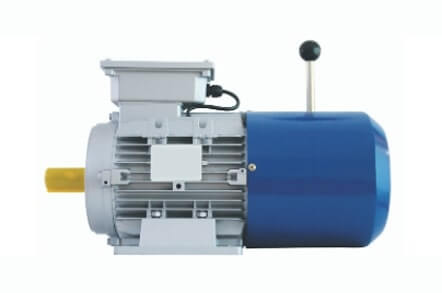
มอเตอร์ไฟฟ้ากระแสสลับ (AC) สามารถใช้งานได้ทั้งในบ้านพักอาศัยและในเชิงพาณิชย์หรือไม่?
ใช่ มอเตอร์ไฟฟ้ากระแสสลับ (AC) สามารถใช้งานได้ทั้งในบ้านพักอาศัยและในเชิงพาณิชย์ ความอเนกประสงค์และขอบเขตการใช้งานที่กว้างขวางของมอเตอร์ไฟฟ้ากระแสสลับ ทำให้เหมาะสำหรับสภาพแวดล้อมและวัตถุประสงค์ต่างๆ
ในบ้านพักอาศัย มอเตอร์ไฟฟ้ากระแสสลับ (AC) มักพบได้ในเครื่องใช้ไฟฟ้าภายในบ้าน เช่น ตู้เย็น เครื่องปรับอากาศ เครื่องซักผ้า พัดลม และปั๊มน้ำ มอเตอร์เหล่านี้ได้รับการออกแบบมาเพื่อตอบสนองความต้องการเฉพาะของการใช้งานในบ้านพักอาศัย โดยให้การทำงานที่เชื่อถือได้และมีประสิทธิภาพสำหรับงานประจำวัน ตัวอย่างเช่น เครื่องปรับอากาศใช้มอเตอร์ไฟฟ้ากระแสสลับในการขับเคลื่อนคอมเพรสเซอร์และพัดลม ในขณะที่เครื่องซักผ้าใช้มอเตอร์ไฟฟ้ากระแสสลับในการหมุนและทำให้ผ้าในถังซักหมุน
ในภาคธุรกิจ มอเตอร์ไฟฟ้ากระแสสลับ (AC) ถูกนำมาใช้กันอย่างแพร่หลายในหลากหลายอุตสาหกรรม โดยทำหน้าที่ขับเคลื่อนเครื่องจักร อุปกรณ์ และระบบต่างๆ ที่มีความสำคัญต่อการดำเนินงานเชิงพาณิชย์ ตัวอย่างที่พบได้ทั่วไป ได้แก่:
- เครื่องจักรกลอุตสาหกรรมและอุปกรณ์การผลิต: มอเตอร์ไฟฟ้ากระแสสลับ (AC) ขับเคลื่อนสายพานลำเลียง ปั๊ม คอมเพรสเซอร์ เครื่องผสม พัดลม เครื่องเป่าลม และเครื่องจักรอื่นๆ ที่ใช้ในโรงงานผลิต โรงงานแปรรูป และโรงงานอุตสาหกรรมต่างๆ
- ระบบ HVAC: มอเตอร์ไฟฟ้ากระแสสลับ (AC motors) ถูกนำมาใช้ในระบบทำความร้อน การระบายอากาศ และการปรับอากาศ (HVAC) ในเชิงพาณิชย์ เพื่อขับเคลื่อนพัดลม เครื่องเป่าลม และปั๊ม สำหรับการหมุนเวียนอากาศ การทำความเย็น และการทำความร้อน
- ระบบทำความเย็นเชิงพาณิชย์: มอเตอร์ไฟฟ้ากระแสสลับ (AC) ถูกนำมาใช้ในระบบทำความเย็นเชิงพาณิชย์เพื่อขับเคลื่อนคอมเพรสเซอร์ พัดลมคอนเดนเซอร์ และพัดลมระเหยในซูเปอร์มาร์เก็ต ร้านอาหาร และห้องเย็น
- อุปกรณ์สำนักงาน: มอเตอร์ไฟฟ้ากระแสสลับ (AC) มีอยู่ในอุปกรณ์สำนักงานต่างๆ เช่น เครื่องพิมพ์ เครื่องถ่ายเอกสาร เครื่องสแกน และระบบระบายอากาศ เพื่อให้มั่นใจว่าอุปกรณ์เหล่านั้นทำงานได้อย่างถูกต้อง
- การขนส่ง: มอเตอร์ไฟฟ้ากระแสสลับ (AC) ถูกนำมาใช้ในรถยนต์ไฟฟ้า รถราง รถไฟ และระบบขนส่งไฟฟ้าอื่นๆ เพื่อให้แรงขับเคลื่อนที่จำเป็น
- การบำบัดน้ำและน้ำเสีย: มอเตอร์ไฟฟ้ากระแสสลับ (AC) ใช้ในการขับเคลื่อนปั๊ม เครื่องผสม และเครื่องเป่าลมในโรงบำบัดน้ำ โรงบำบัดน้ำเสีย และสถานีสูบน้ำ
มอเตอร์ไฟฟ้ากระแสสลับ (AC) มีคุณสมบัติที่ปรับตัวได้ดี มีประสิทธิภาพ และควบคุมได้ง่าย ทำให้เหมาะสำหรับการใช้งานในที่อยู่อาศัยและเชิงพาณิชย์หลากหลายประเภท ไม่ว่าจะเป็นการจ่ายไฟให้กับเครื่องใช้ไฟฟ้าในครัวเรือนหรือเครื่องจักรในอุตสาหกรรม มอเตอร์ไฟฟ้ากระแสสลับมีบทบาทสำคัญในการตอบสนองความต้องการที่หลากหลายทั้งในที่อยู่อาศัยและเชิงพาณิชย์
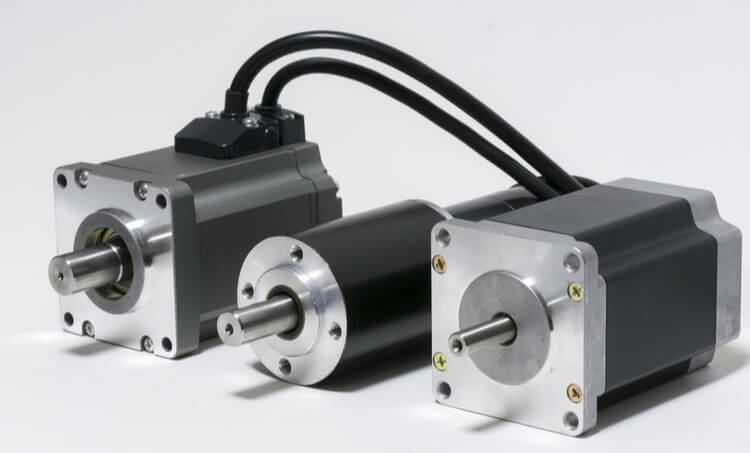
Can you explain the difference between single-phase and three-phase AC motors?
In the realm of AC motors, there are two primary types: single-phase and three-phase motors. These motors differ in their construction, operation, and applications. Let’s explore the differences between single-phase and three-phase AC motors:
- Number of Power Phases: The fundamental distinction between single-phase and three-phase motors lies in the number of power phases they require. Single-phase motors operate using a single alternating current (AC) power phase, while three-phase motors require three distinct AC power phases, typically referred to as phase A, phase B, and phase C.
- Power Supply: Single-phase motors are commonly connected to standard residential or commercial single-phase power supplies. These power supplies deliver a voltage with a sinusoidal waveform, oscillating between positive and negative cycles. In contrast, three-phase motors require a dedicated three-phase power supply, typically found in industrial or commercial settings. Three-phase power supplies deliver three separate sinusoidal waveforms with a specific phase shift between them, resulting in a more balanced and efficient power delivery system.
- Starting Mechanism: Single-phase motors often rely on auxiliary components, such as capacitors or starting windings, to initiate rotation. These components help create a rotating magnetic field necessary for motor startup. Once the motor reaches a certain speed, these auxiliary components may be disconnected or deactivated. Three-phase motors, on the other hand, typically do not require additional starting mechanisms. The three-phase power supply inherently generates a rotating magnetic field, enabling self-starting capability.
- Power and Torque Output: Three-phase motors generally offer higher power and torque output compared to single-phase motors. The balanced nature of three-phase power supply allows for a more efficient distribution of power across the motor windings, resulting in increased performance capabilities. Three-phase motors are commonly used in applications requiring high power demands, such as industrial machinery, pumps, compressors, and heavy-duty equipment. Single-phase motors, with their lower power output, are often used in residential appliances, small commercial applications, and light-duty machinery.
- Efficiency and Smoothness of Operation: Three-phase motors typically exhibit higher efficiency and smoother operation than single-phase motors. The balanced three-phase power supply helps reduce electrical losses and provides a more constant and uniform torque output. This results in improved motor efficiency, reduced vibration, and smoother rotation. Single-phase motors, due to their unbalanced power supply, may experience more pronounced torque variations and slightly lower efficiency.
- Application Suitability: The choice between single-phase and three-phase motors depends on the specific application requirements. Single-phase motors are suitable for powering smaller appliances, such as fans, pumps, household appliances, and small tools. They are commonly used in residential settings where single-phase power is readily available. Three-phase motors are well-suited for industrial and commercial applications that demand higher power levels and continuous operation, including large machinery, conveyors, elevators, air conditioning systems, and industrial pumps.
It’s important to note that while single-phase and three-phase motors have distinct characteristics, there are also hybrid motor designs, such as dual-voltage motors or capacitor-start induction-run (CSIR) motors, which aim to bridge the gap between the two types and offer flexibility in certain applications.
When selecting an AC motor, it is crucial to consider the specific power requirements, available power supply, and intended application to determine whether a single-phase or three-phase motor is most suitable for the task at hand.
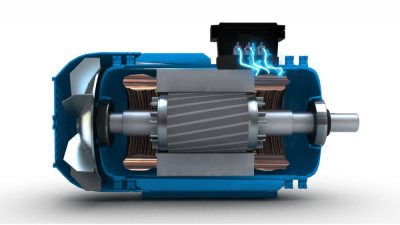
What are the key advantages of using AC motors in industrial applications?
AC motors offer several key advantages that make them highly suitable for industrial applications. Here are some of the main advantages:
- Simple and Robust Design: AC motors, particularly induction motors, have a simple and robust design, making them reliable and easy to maintain. They consist of fewer moving parts compared to other types of motors, which reduces the likelihood of mechanical failure and the need for frequent maintenance.
- Wide Range of Power Ratings: AC motors are available in a wide range of power ratings, from small fractional horsepower motors to large industrial motors with several megawatts of power. This versatility allows for their application in various industrial processes and machinery, catering to different power requirements.
- High Efficiency: AC motors, especially modern designs, offer high levels of efficiency. They convert electrical energy into mechanical energy with minimal energy loss, resulting in cost savings and reduced environmental impact. High efficiency also means less heat generation, contributing to the longevity and reliability of the motor.
- Cost-Effectiveness: AC motors are generally cost-effective compared to other types of motors. Their simple construction and widespread use contribute to economies of scale, making them more affordable for industrial applications. Additionally, AC motors often have lower installation and maintenance costs due to their robust design and ease of operation.
- Flexible Speed Control: AC motors, particularly induction motors, offer various methods for speed control, allowing for precise adjustment of motor speed to meet specific industrial requirements. Speed control mechanisms such as variable frequency drives (VFDs) enable enhanced process control, energy savings, and improved productivity.
- Compatibility with AC Power Grid: AC motors are compatible with the standard AC power grid, which is widely available in industrial settings. This compatibility simplifies the motor installation process and eliminates the need for additional power conversion equipment, reducing complexity and cost.
- Adaptability to Various Environments: AC motors are designed to operate reliably in a wide range of environments. They can withstand variations in temperature, humidity, and dust levels commonly encountered in industrial settings. Additionally, AC motors can be equipped with protective enclosures to provide additional resistance to harsh conditions.
These advantages make AC motors a popular choice for industrial applications across various industries. Their simplicity, reliability, cost-effectiveness, energy efficiency, and speed control capabilities contribute to improved productivity, reduced operational costs, and enhanced process control in industrial settings.


editor by CX 2024-04-04


