
คำอธิบายผลิตภัณฑ์
Product characteristic
Rated voltage :120VAC-220VAC-50/60Hz , 1800-2900rpm .
Typical used: Exhaust fan, air purifier, micro-oven, fan, induction cooker, refrigerator, pump, heater, hood oven,
blower, air conditioner, Heater machines, dehumidifiers
Thermal protector with 1 shot fuse or multi shot fuse
Electrical specification
| MODEL | A OF SIZE |
VOLTAGE | STATOR DIA |
SPEED SECTRION |
INPUT POWER |
CURRENT | SPEED RPM |
ROTATION |
| YY8015D | 15mm | 120VAC-220VAC 50HZ/60HZ |
80MM | H | 65W | 0.32A | 2900RPM | CW/CCW |
| M | 54W | 0.28A | 2000RPM | CW/CCW | ||||
| L | 35W | 0.15A | 1500RPM | CW/CCW | ||||
| YY8571D | 25mm | 120VAC-220VAC 50HZ/60HZ |
80MM | H | 180W | 0.62A | 2878RPM | CW/CCW |
| M | 130W | 0.36A | 2600RPM | CW/CCW | ||||
| L | 80W | 0.32A | 2400RPM | CW/CCW | ||||
| YY8035D | 35mm | 120VAC-220VAC 50HZ/60HZ |
80MM | H | 220W | 0.68A | 2900RPM | CW/CCW |
| M | 160W | 0.50A | 2600RPM | CW/CCW | ||||
| L | 120W | 0.42A | 2400RPM | CW/CCW | ||||
| YY8040D | 40mm | 120VAC-220VAC 50HZ/60HZ |
80MM | H | 270W | 0.70A | 2900RPM | CW/CCW |
| M | 220W | 0.58A | 2200RPM | CW/CCW | ||||
| L | 180W | 0.45A | 1800RPM | CW/CCW |
Noise and air flow testing
| YY8040D-505G 4UF | |||||||
| Speed | Air flow (m³/H) | Noise (db) Environmental noise 22db | |||||
| Channel 1 | Channel 2 | Channel 3 | Channel 4 | Channel 5 | Channel 6 | ||
| H | 760.39 | 64.7 | 63.6 | 71.3 | 63.7 | 68.4 | 67.2 |
| M1 | 553.68 | 57.9 | 56.8 | 64.5 | 56.5 | 61.5 | 60.5 |
| M2 | 369.81 | 47.9 | 47.5 | 53.8 | 46.3 | 50.8 | 50.6 |
| L | 247.29 | 38.7 | 38.8 | 44 | 37.4 | 40.9 | 41.3 |
ABOUT US
Ritscher group was set up in 2006.we always focus on micro-motors for household electrical appliance and industry appliance since setting up.currently we have 2 professional micro-motor factories in China which severally located in HangZhou city and HangZhou city.it has an area of 25,000 square CHINAMFG plants and more than 300 employees, annual output is 3 million pcs and has 5 million pcs annual producing capacity.after several years development,we had built a great reputation in the market and got more and more customers’ trust in the world.
We started from shaded pole motors at beginning, up to now,our product included of shaded pole motors,synchronous motors,stepping motors ,capacitor motors, BLDC motors, DC motors and compressors. Our product are widely used for making refrigerators, freezers, micro-wave ovens, air warmers, air exhausters, ventilators,ovens, air filter, massage machines and many other equipments.
As a realiable quality guaranty,Ritscher has complete R&D departement,QC department,producing department,purchase department etc. has perfect producing equipment like Aluminum diecasting, Zinc diecasting, Sheet metal stamping, Plastic injection molding etc. also test/ detection device like multiplex temp measuring device, performance parameter inspection device, Phenol peptide solution pinhole tester,Anechoic room etc.
Endeavoring to provide the best product and service to customers,we always do the most effort to become an outstanding manufacturer of micro motors.
Ritscher is always willing to establish sincere business relationship with friends from all over the world.
Welcome contact with us!
Take CHINAMFG ,enjoy modern life!
Our company FAQ for you
(1) Q: What kind motors you can provide?
A:For now,we mainly provide Kitchen Hood Motor,DC Motor,Gear Motor,Fan Motor Refrigerator Motor,Hair Dryer Motor Blender Motor Mixer Motor,
Shade Pole Motor,Capacitor Motor,BLDC Motor PMDC Motor,Synchronous Motor,Stepping Motor etc.
(2) Q: Is it possible to visit your factory
A: Sure. But please kindly keep us posted a few days in advance. We need to check our
schedule to see if we are available then.
(3) Q: Can I get some samples
A: It depends. If only a few samples for personal use or replacement, I am afraid it will
be difficult for us to provide, because all of our motors are custom made and no stock
available if there is no further needs. If just sample testing before the official order and
our MOQ, price and other terms are acceptable, we’d love to provide samples.
(4) Q: Is there a MOQ for your motors?
A: Yes. The MOQ is between 1000~10,000pcs for different models after sample approval.
But it’s also okay for us to accept smaller lots like a few dozens, hundreds or thousands
For the initial 3 orders after sample approval.For samples, there is no MOQ requirement. But the less the better (like no more than 5pcs) on condition that the quantity is enough in case any changes needed after initial testing.
| แอปพลิเคชัน: | Industrial |
|---|---|
| Speed: | Constant Speed |
| Number of Stator: | Single-Phase |
| Function: | Driving, Control, CE |
| การป้องกันตัวเรือน: | Protection Type |
| Number of Poles: | 2 |
| Samples: |
US$ 0/Piece
1 Piece(Min.Order) | |
|---|
| การปรับแต่ง: |
มีอยู่
|
|
|---|
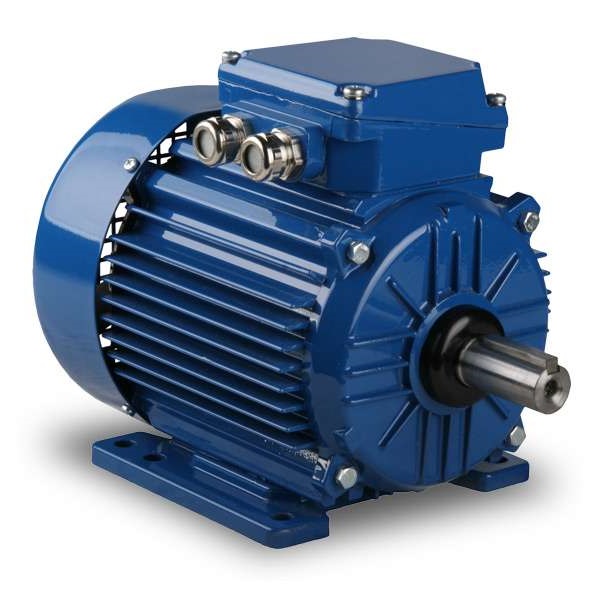
What role do AC motors play in HVAC (heating, ventilation, and air conditioning) systems?
In HVAC (heating, ventilation, and air conditioning) systems, AC motors play a crucial role in various components and functions. These motors are responsible for powering fans, compressors, pumps, and other essential equipment within the HVAC system. Let’s explore the specific roles of AC motors in HVAC systems:
- Air Handling Units (AHUs) and Ventilation Systems: AC motors drive the fans in AHUs and ventilation systems. These fans draw in fresh air, circulate air within the building, and exhaust stale air. The motors provide the necessary power to move air through the ductwork and distribute it evenly throughout the space. They play a key role in maintaining proper indoor air quality, controlling humidity, and ensuring adequate ventilation.
- Chillers and Cooling Towers: HVAC systems that use chillers for cooling rely on AC motors to drive the compressor. The motor powers the compressor, which circulates refrigerant through the system, absorbing heat from the indoor environment and releasing it outside. AC motors are also used in cooling towers, which dissipate heat from the chiller system by evaporating water. The motors drive the fans that draw air through the cooling tower and enhance heat transfer.
- Heat Pumps: AC motors are integral components of heat pump systems, which provide both heating and cooling. The motor drives the compressor in the heat pump, enabling the transfer of heat between the indoor and outdoor environments. During cooling mode, the motor circulates refrigerant to extract heat from indoors and release it outside. In heating mode, the motor reverses the refrigerant flow to extract heat from the outdoor air or ground and transfer it indoors.
- Furnaces and Boilers: In heating systems, AC motors power the blowers or fans in furnaces and boilers. The motor drives the blower to distribute heated air or steam throughout the building. This helps maintain a comfortable indoor temperature and ensures efficient heat distribution in the space.
- Pumps and Circulation Systems: HVAC systems often incorporate pumps for water circulation, such as in hydronic heating or chilled water systems. AC motors drive these pumps, providing the necessary pressure to circulate water or other heat transfer fluids through the system. The motors ensure efficient flow rates and contribute to the effective transfer of thermal energy.
- Dampers and Actuators: AC motors are used in HVAC systems to control airflow and regulate the position of dampers and actuators. These motors enable the adjustment of airflow rates, temperature control, and zone-specific climate control. By modulating the motor speed or position, HVAC systems can achieve precise control of air distribution and temperature in different areas of a building.
AC motors in HVAC systems are designed to meet specific performance requirements, such as variable speed control, energy efficiency, and reliable operation under varying loads. Maintenance and regular inspection of these motors are essential to ensure optimal performance, energy efficiency, and longevity of the HVAC system.
In conclusion, AC motors play vital roles in HVAC systems by powering fans, compressors, pumps, and actuators. They enable proper air circulation, temperature control, and efficient transfer of heat, contributing to the overall comfort, air quality, and energy efficiency of buildings.
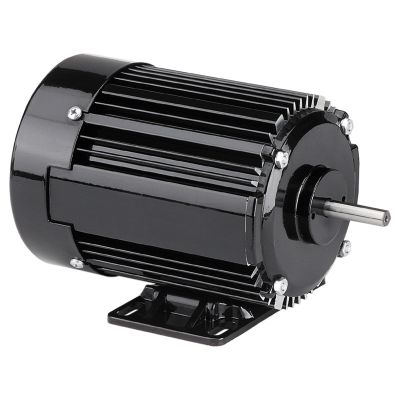
มอเตอร์ไฟฟ้ากระแสสลับ (AC) สามารถนำมาใช้ในระบบพลังงานหมุนเวียน เช่น กังหันลม ได้หรือไม่?
ใช่ มอเตอร์ไฟฟ้ากระแสสลับ (AC) สามารถนำมาใช้ในระบบพลังงานหมุนเวียนได้ รวมถึงกังหันลม ที่จริงแล้ว มอเตอร์ไฟฟ้ากระแสสลับถูกนำมาใช้กันอย่างแพร่หลายในงานต่างๆ ของกังหันลม เนื่องจากมีข้อดีมากมาย ต่อไปนี้คือคำอธิบายโดยละเอียด:
1. เครื่องกำเนิดไฟฟ้า: ในระบบกังหันลม มอเตอร์ไฟฟ้ากระแสสลับมักทำหน้าที่เป็นเครื่องกำเนิดไฟฟ้า เมื่อใบพัดของกังหันลมหมุน ใบพัดจะขับเคลื่อนโรเตอร์ของเครื่องกำเนิดไฟฟ้า ซึ่งจะแปลงพลังงานกลจากลมให้เป็นพลังงานไฟฟ้า เครื่องกำเนิดไฟฟ้ากระแสสลับนิยมใช้ในกังหันลมเนื่องจากมีประสิทธิภาพ ความน่าเชื่อถือ และความเข้ากันได้กับระบบโครงข่ายไฟฟ้า
2. การควบคุมความเร็วแบบแปรผัน: มอเตอร์ไฟฟ้ากระแสสลับ (AC) มีข้อดีคือสามารถควบคุมความเร็วได้หลากหลาย ซึ่งเป็นสิ่งสำคัญสำหรับกังหันลม ความเร็วลมเปลี่ยนแปลงได้ และเพื่อให้สามารถดักจับพลังงานได้สูงสุด จำเป็นต้องปรับความเร็วรอบของใบพัดให้เหมาะสม มอเตอร์ไฟฟ้ากระแสสลับ เมื่อใช้เป็นเครื่องกำเนิดไฟฟ้า สามารถปรับความเร็วรอบให้เข้ากับสภาพลมที่เปลี่ยนแปลงได้โดยการปรับความถี่และแรงดันของสัญญาณไฟฟ้าขาออก
3. ประสิทธิภาพ: มอเตอร์ไฟฟ้ากระแสสลับ (AC) ขึ้นชื่อเรื่องประสิทธิภาพสูง ซึ่งเป็นปัจจัยสำคัญในระบบพลังงานหมุนเวียน กังหันลมมีเป้าหมายที่จะแปลงพลังงานลมให้เป็นพลังงานไฟฟ้าให้ได้มากที่สุดเท่าที่จะเป็นไปได้ มอเตอร์ไฟฟ้ากระแสสลับ โดยเฉพาะอย่างยิ่งมอเตอร์ที่ออกแบบมาเพื่อประสิทธิภาพสูง สามารถช่วยเพิ่มประสิทธิภาพการแปลงพลังงานโดยรวมของระบบกังหันลมให้สูงสุดได้
4. การบูรณาการโครงข่ายไฟฟ้า: มอเตอร์ไฟฟ้ากระแสสลับ (AC) เหมาะอย่างยิ่งสำหรับการเชื่อมต่อกับโครงข่ายไฟฟ้าในระบบพลังงานหมุนเวียน กำลังไฟฟ้าที่ผลิตจากเครื่องกำเนิดไฟฟ้ากระแสสลับสามารถซิงโครไนซ์กับความถี่และแรงดันไฟฟ้าของโครงข่ายได้อย่างง่ายดาย ทำให้ระบบกังหันลมสามารถผสานรวมเข้ากับโครงสร้างพื้นฐานของโครงข่ายไฟฟ้าที่มีอยู่ได้อย่างราบรื่น ซึ่งจะช่วยให้การกระจายไฟฟ้าที่ผลิตได้ไปยังผู้บริโภคมีประสิทธิภาพมากขึ้น
5. การควบคุมและติดตามตรวจสอบ: มอเตอร์ไฟฟ้ากระแสสลับ (AC) มีความสามารถในการควบคุมและตรวจสอบขั้นสูง ซึ่งจำเป็นอย่างยิ่งสำหรับระบบกังหันลม พารามิเตอร์ทางไฟฟ้า เช่น แรงดัน ความถี่ และกำลังไฟฟ้าขาออก สามารถตรวจสอบและควบคุมได้อย่างง่ายดายในเครื่องกำเนิดไฟฟ้าที่ใช้มอเตอร์ไฟฟ้ากระแสสลับ ทำให้สามารถตรวจสอบประสิทธิภาพของกังหันลมแบบเรียลไทม์ ตรวจจับข้อผิดพลาด และเพิ่มประสิทธิภาพกระบวนการผลิตพลังงานได้
6. ความพร้อมใช้งานและการกำหนดมาตรฐาน: มอเตอร์ไฟฟ้ากระแสสลับมีจำหน่ายอย่างแพร่หลายในขนาดและกำลังไฟฟ้าที่หลากหลาย ทำให้สามารถนำไปใช้งานกับกังหันลมได้อย่างง่ายดาย นอกจากนี้ยังมีการกำหนดมาตรฐานไว้อย่างดี ทำให้มั่นใจได้ถึงความเข้ากันได้กับส่วนประกอบอื่นๆ ของระบบ และช่วยอำนวยความสะดวกในการบำรุงรักษา ซ่อมแซม และเปลี่ยนชิ้นส่วน
เป็นที่น่าสังเกตว่า แม้ว่ามอเตอร์ไฟฟ้ากระแสสลับ (AC) จะถูกใช้กันอย่างแพร่หลายในกังหันลม แต่ก็ยังมีเครื่องกำเนิดไฟฟ้าและเทคโนโลยีมอเตอร์ประเภทอื่นๆ ที่ใช้ในการออกแบบกังหันลมเฉพาะบางแบบ เช่น เครื่องกำเนิดไฟฟ้าซิงโครนัสแม่เหล็กถาวร (PMSG) หรือเครื่องกำเนิดไฟฟ้าเหนี่ยวนำแบบป้อนกระแสสองทาง (DFIG) ทางเลือกเหล่านี้มีข้อดีของตัวเองและอาจเป็นที่ต้องการในบางการกำหนดค่าของกังหันลม
โดยสรุปแล้ว มอเตอร์ไฟฟ้ากระแสสลับ (AC) สามารถนำมาใช้ในระบบพลังงานหมุนเวียนได้จริง รวมถึงกังหันลม ประสิทธิภาพ การควบคุมความเร็วแบบแปรผัน ความสามารถในการเชื่อมต่อกับโครงข่ายไฟฟ้า และคุณสมบัติการควบคุมขั้นสูง ทำให้มอเตอร์ไฟฟ้ากระแสสลับเป็นตัวเลือกที่เหมาะสมสำหรับการแปลงพลังงานลมเป็นพลังงานไฟฟ้าได้อย่างน่าเชื่อถือและมีประสิทธิภาพ
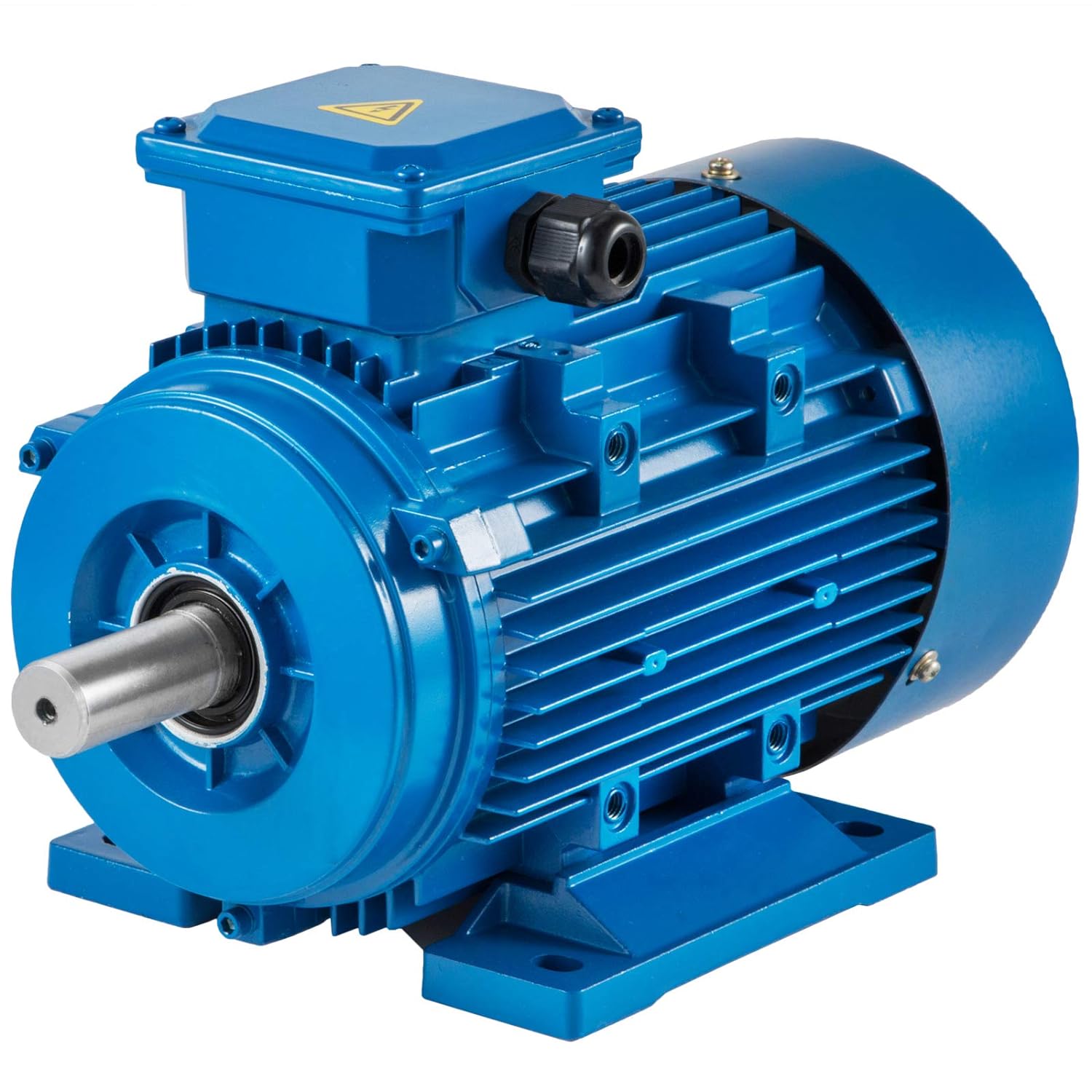
Are there different types of AC motors, and what are their specific applications?
Yes, there are different types of AC motors, each with its own design, characteristics, and applications. The main types of AC motors include:
- Induction Motors: Induction motors are the most commonly used type of AC motor. They are robust, reliable, and suitable for a wide range of applications. Induction motors operate based on the principle of electromagnetic induction. They consist of a stator with stator windings and a rotor with short-circuited conductive bars or coils. The rotating magnetic field produced by the stator windings induces currents in the rotor, creating a magnetic field that interacts with the stator field and generates torque. Induction motors are widely used in industries such as manufacturing, HVAC systems, pumps, fans, compressors, and conveyor systems.
- Synchronous Motors: Synchronous motors are another type of AC motor commonly used in applications that require precise speed control. They operate at synchronous speed, which is determined by the frequency of the AC power supply and the number of motor poles. Synchronous motors have a rotor with electromagnets that are magnetized by direct current, allowing the rotor to lock onto the rotating magnetic field of the stator and rotate at the same speed. Synchronous motors are often used in applications such as industrial machinery, generators, compressors, and large HVAC systems.
- Brushless DC Motors: While the name suggests “DC,” brushless DC motors are actually driven by AC power. They utilize electronic commutation instead of mechanical brushes for switching the current in the motor windings. Brushless DC motors offer high efficiency, low maintenance, and precise control over speed and torque. They are commonly used in applications such as electric vehicles, robotics, computer disk drives, aerospace systems, and consumer electronics.
- Universal Motors: Universal motors are versatile motors that can operate on both AC and DC power. They are designed with a wound stator and a commutator rotor. Universal motors offer high starting torque and can achieve high speeds. They are commonly used in applications such as portable power tools, vacuum cleaners, food mixers, and small appliances.
- Shaded Pole Motors: Shaded pole motors are simple and inexpensive AC motors. They have a single-phase stator and a squirrel cage rotor. Shaded pole motors are characterized by low starting torque and relatively low efficiency. Due to their simple design and low cost, they are commonly used in applications such as small fans, refrigeration equipment, and appliances.
These are some of the main types of AC motors, each with its unique features and applications. The selection of an AC motor type depends on factors such as the required torque, speed control requirements, efficiency, cost, and environmental conditions. Understanding the specific characteristics and applications of each type allows for choosing the most suitable motor for a given application.


editor by CX 2023-11-30


