
คำอธิบายผลิตภัณฑ์
TaiBang Motor Industry Group Co., Ltd.
The main products are induction motor, reversible motor, DC brush gear motor, DC brushless gear motor , CH/CV big gear motors , Planetary gear motor ,Worm gear motor etc, which used widely in various fields of manufacturing pipelining, transportation, food, medicine, printing, fabric, packing, office, apparatus, entertainment etc, and is the preferred and matched product for automatic machine.
1)End cover and housing of motor is made of die-casting Aluminum,which is high precision,high strength and light weight.
2)The stator consists of silicon steel sheet stator core,copper coil,and insulating material,etc.
3) The rotor consists of laminated silicon steel sheet and aluminum cast conductor.
4)The rotor shaft is made of high-performance medium carbon alloy steel and processed by special technics.There are round shaft and gear shaft.
5)The bearing and oil seal is selected from CHINAMFG brand to ensure good running performance and sealing effect.
6)The wire is made from high temperature resistant and flame retardant material.
Should you any questions,please feel free to contact Ms Susan Liu.
Please leave message or send inquiry.I will be back to you asap.
Motor Model
| Specification of motor 15W 80mm Fixed speed AC gear motor | ||||||||||||
| TYPE | Gear tooth Output Shaft | Power (W) |
Frequency (Hz) |
Voltage (V) |
Current (A) |
Start Torque (g.cm) |
Rated | Start | Gearbox type | |||
| Torque (g.cm) |
Speed (rpm) |
Capacity (μF) |
Resistance Voltage (V) |
Bearing gearbox | Middle Gearbox | |||||||
| Reversible Motor | 4RK15GN-C | 15 | 50 | 220 | 0.16 | 1800 | 1200 | 1200 | 1.5 | 500 | 4GN-K | 4GN10X |
| 15 | 60 | 220 | 0.15 | 1500 | 955 | 1500 | 1.2 | 500 | 4GN-K | 4GN10X | ||
4RK15GN-C/4GN3~20K
4RK15GN-C /4GN25~180K
Gear Head Model
| Gearbox torque table(Kg.cm) | (kg.cm×9.8÷100)=N.m | ||||||||||||||||||
| Output speed :RPM | 500 | 300 | 200 | 150 | 120 | 100 | 75 | 60 | 50 | 30 | 20 | 15 | 10 | 7.5 | 6 | 5 | 3 | ||
| Speed ratio | 50Hz | 3 | 3 | 7.5 | 10 | 12.5 | 15 | 20 | 25 | 30 | 50 | 75 | 100 | 150 | 200 | 250 | 300 | 500 | |
| 60Hz | 3.6 | 6 | 9 | 15 | 18 | 30 | 36 | 60 | 90 | 120 | 180 | 300 | 360 | 600 | |||||
| Allowed torque |
10W | kg.cm | 1.7 | 2.7 | 4.2 | 5.5 | 6.8 | 8.3 | 11 | 13.5 | 16 | 26 | 40 | 50 | 50 | 50 | 50 | 50 | 50 |
| 15W | kg.cm | 2.4 | 4 | 6 | 8 | 10 | 12 | 16 | 19 | 23 | 39 | 50 | 50 | 50 | 50 | 50 | 50 | 50 | |
| 20W | kg.cm | 3.2 | 5.3 | 8 | 10.5 | 13.3 | 16 | 21.3 | 25.3 | 30.5 | 50 | 50 | 50 | 50 | 50 | 50 | 50 | 50 | |
| 25W | kg.cm | 4.0 | 6.7 | 10 | 13.3 | 16 | 20 | 26.7 | 32 | 39 | 50 | 50 | 50 | 50 | 50 | 50 | 50 | 50 | |
| 30W | kg.cm | 4.8 | 8 | 12 | 16 | 20 | 24 | 32 | 38 | 46 | 50 | 50 | 50 | 50 | 50 | 50 | 50 | 50 | |
| Note: Speed figures are based on synchronous speed, The actual output speed, under rated torque conditions, is about 10-20% less than synchronous speed, a grey background indicates output shaft of geared motor rotates in the same direction as output shaft of motor. A white background indicates rotates rotation in the opposite direction. | |||||||||||||||||||
Above drawing is for standard screw hole.If need through hole, terminal box, or electronic magnet brake, please let me know.
Connection Diagram:
/* 22 มกราคม 2571 19:08:37 */!function(){function s(e,r){var a,o={};try{e&&e.split(“,”).forEach(function(e,t){e&&(a=e.match(/(.*?):(.*)$/))&&1
| แอปพลิเคชัน: | Industrial |
|---|---|
| Speed: | Constant Speed |
| Number of Stator: | Single-Phase |
| Function: | Driving, Control |
| การป้องกันตัวเรือน: | แบบปิด |
| Number of Poles: | 4 |
| Samples: |
US$ 50/Piece
1 Piece(Min.Order) | |
|---|
| การปรับแต่ง: |
มีอยู่
|
|
|---|
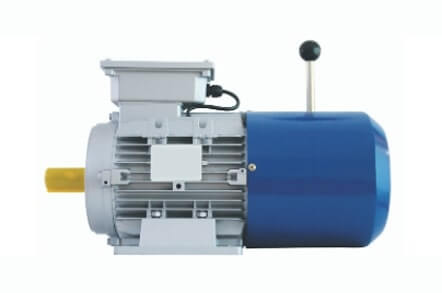
มอเตอร์ไฟฟ้ากระแสสลับ (AC) สามารถใช้งานได้ทั้งในบ้านพักอาศัยและในเชิงพาณิชย์หรือไม่?
ใช่ มอเตอร์ไฟฟ้ากระแสสลับ (AC) สามารถใช้งานได้ทั้งในบ้านพักอาศัยและในเชิงพาณิชย์ ความอเนกประสงค์และขอบเขตการใช้งานที่กว้างขวางของมอเตอร์ไฟฟ้ากระแสสลับ ทำให้เหมาะสำหรับสภาพแวดล้อมและวัตถุประสงค์ต่างๆ
ในบ้านพักอาศัย มอเตอร์ไฟฟ้ากระแสสลับ (AC) มักพบได้ในเครื่องใช้ไฟฟ้าภายในบ้าน เช่น ตู้เย็น เครื่องปรับอากาศ เครื่องซักผ้า พัดลม และปั๊มน้ำ มอเตอร์เหล่านี้ได้รับการออกแบบมาเพื่อตอบสนองความต้องการเฉพาะของการใช้งานในบ้านพักอาศัย โดยให้การทำงานที่เชื่อถือได้และมีประสิทธิภาพสำหรับงานประจำวัน ตัวอย่างเช่น เครื่องปรับอากาศใช้มอเตอร์ไฟฟ้ากระแสสลับในการขับเคลื่อนคอมเพรสเซอร์และพัดลม ในขณะที่เครื่องซักผ้าใช้มอเตอร์ไฟฟ้ากระแสสลับในการหมุนและทำให้ผ้าในถังซักหมุน
ในภาคธุรกิจ มอเตอร์ไฟฟ้ากระแสสลับ (AC) ถูกนำมาใช้กันอย่างแพร่หลายในหลากหลายอุตสาหกรรม โดยทำหน้าที่ขับเคลื่อนเครื่องจักร อุปกรณ์ และระบบต่างๆ ที่มีความสำคัญต่อการดำเนินงานเชิงพาณิชย์ ตัวอย่างที่พบได้ทั่วไป ได้แก่:
- เครื่องจักรกลอุตสาหกรรมและอุปกรณ์การผลิต: มอเตอร์ไฟฟ้ากระแสสลับ (AC) ขับเคลื่อนสายพานลำเลียง ปั๊ม คอมเพรสเซอร์ เครื่องผสม พัดลม เครื่องเป่าลม และเครื่องจักรอื่นๆ ที่ใช้ในโรงงานผลิต โรงงานแปรรูป และโรงงานอุตสาหกรรมต่างๆ
- ระบบ HVAC: มอเตอร์ไฟฟ้ากระแสสลับ (AC motors) ถูกนำมาใช้ในระบบทำความร้อน การระบายอากาศ และการปรับอากาศ (HVAC) ในเชิงพาณิชย์ เพื่อขับเคลื่อนพัดลม เครื่องเป่าลม และปั๊ม สำหรับการหมุนเวียนอากาศ การทำความเย็น และการทำความร้อน
- ระบบทำความเย็นเชิงพาณิชย์: มอเตอร์ไฟฟ้ากระแสสลับ (AC) ถูกนำมาใช้ในระบบทำความเย็นเชิงพาณิชย์เพื่อขับเคลื่อนคอมเพรสเซอร์ พัดลมคอนเดนเซอร์ และพัดลมระเหยในซูเปอร์มาร์เก็ต ร้านอาหาร และห้องเย็น
- อุปกรณ์สำนักงาน: มอเตอร์ไฟฟ้ากระแสสลับ (AC) มีอยู่ในอุปกรณ์สำนักงานต่างๆ เช่น เครื่องพิมพ์ เครื่องถ่ายเอกสาร เครื่องสแกน และระบบระบายอากาศ เพื่อให้มั่นใจว่าอุปกรณ์เหล่านั้นทำงานได้อย่างถูกต้อง
- การขนส่ง: มอเตอร์ไฟฟ้ากระแสสลับ (AC) ถูกนำมาใช้ในรถยนต์ไฟฟ้า รถราง รถไฟ และระบบขนส่งไฟฟ้าอื่นๆ เพื่อให้แรงขับเคลื่อนที่จำเป็น
- การบำบัดน้ำและน้ำเสีย: มอเตอร์ไฟฟ้ากระแสสลับ (AC) ใช้ในการขับเคลื่อนปั๊ม เครื่องผสม และเครื่องเป่าลมในโรงบำบัดน้ำ โรงบำบัดน้ำเสีย และสถานีสูบน้ำ
มอเตอร์ไฟฟ้ากระแสสลับ (AC) มีคุณสมบัติที่ปรับตัวได้ดี มีประสิทธิภาพ และควบคุมได้ง่าย ทำให้เหมาะสำหรับการใช้งานในที่อยู่อาศัยและเชิงพาณิชย์หลากหลายประเภท ไม่ว่าจะเป็นการจ่ายไฟให้กับเครื่องใช้ไฟฟ้าในครัวเรือนหรือเครื่องจักรในอุตสาหกรรม มอเตอร์ไฟฟ้ากระแสสลับมีบทบาทสำคัญในการตอบสนองความต้องการที่หลากหลายทั้งในที่อยู่อาศัยและเชิงพาณิชย์
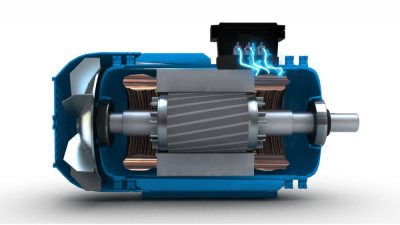
What are the common signs of AC motor failure, and how can they be addressed?
AC motor failure can lead to disruptions in various industrial and commercial applications. Recognizing the common signs of motor failure is crucial for timely intervention and preventing further damage. Here are some typical signs of AC motor failure and potential ways to address them:
- Excessive Heat: Excessive heat is a common indicator of motor failure. If a motor feels excessively hot to the touch or emits a burning smell, it could signify issues such as overloaded windings, poor ventilation, or bearing problems. To address this, first, ensure that the motor is properly sized for the application. Check for obstructions around the motor that may be impeding airflow and causing overheating. Clean or replace dirty or clogged ventilation systems. If the issue persists, consult a qualified technician to inspect the motor windings and bearings and make any necessary repairs or replacements.
- Abnormal Noise or Vibration: Unusual noises or vibrations coming from an AC motor can indicate various problems. Excessive noise may be caused by loose or damaged components, misaligned shafts, or worn bearings. Excessive vibration can result from imbalanced rotors, misalignment, or worn-out motor parts. Addressing these issues involves inspecting and adjusting motor components, ensuring proper alignment, and replacing damaged or worn-out parts. Regular maintenance, including lubrication of bearings, can help prevent excessive noise and vibration and extend the motor’s lifespan.
- Intermittent Operation: Intermittent motor operation, where the motor starts and stops unexpectedly or fails to start consistently, can be a sign of motor failure. This can be caused by issues such as faulty wiring connections, damaged or worn motor brushes, or problems with the motor’s control circuitry. Check for loose or damaged wiring connections and make any necessary repairs. Inspect and replace worn or damaged motor brushes. If the motor still exhibits intermittent operation, it may require professional troubleshooting and repair by a qualified technician.
- Overheating or Tripping of Circuit Breakers: If an AC motor consistently causes circuit breakers to trip or if it repeatedly overheats, it indicates a problem that needs attention. Possible causes include high starting currents, excessive loads, or insulation breakdown. Verify that the motor is not overloaded and that the load is within the motor’s rated capacity. Check the motor’s insulation resistance to ensure it is within acceptable limits. If these measures do not resolve the issue, consult a professional to assess the motor and its electrical connections for any faults or insulation breakdown that may require repair or replacement.
- Decreased Performance or Efficiency: A decline in motor performance or efficiency can be an indication of impending failure. This may manifest as reduced speed, decreased torque, increased energy consumption, or inadequate power output. Factors contributing to decreased performance can include worn bearings, damaged windings, or deteriorated insulation. Regular maintenance, including lubrication and cleaning, can help prevent these issues. If performance continues to decline, consult a qualified technician to inspect the motor and perform any necessary repairs or replacements.
- Inoperative Motor: If an AC motor fails to operate entirely, there may be an issue with the power supply, control circuitry, or internal motor components. Check the power supply and connections for any faults or interruptions. Inspect control circuitry, such as motor starters or contactors, for any damage or malfunction. If no external faults are found, it may be necessary to dismantle the motor and inspect internal components, such as windings or brushes, for any faults or failures that require repair or replacement.
It’s important to note that motor failure causes can vary depending on factors such as motor type, operating conditions, and maintenance practices. Regular motor maintenance, including inspections, lubrication, and cleaning, is essential for early detection of potential failure signs and for addressing issues promptly. When in doubt, it is advisable to consult a qualified electrician, motor technician, or manufacturer’s guidelines for appropriate troubleshooting and repair procedures specific to the motor model and application.
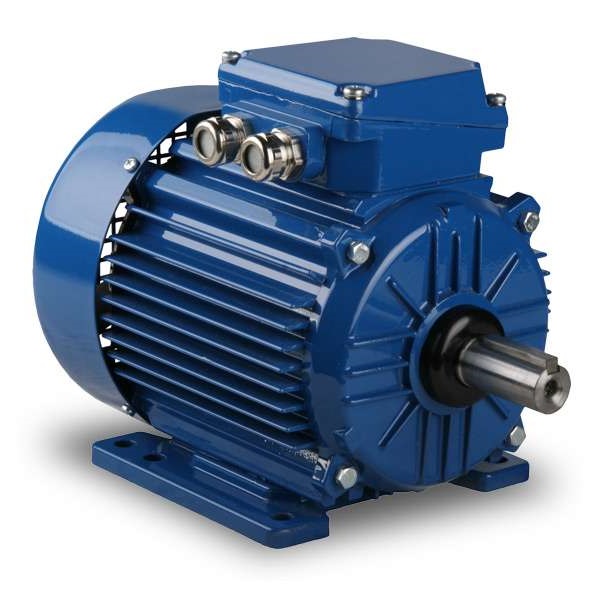
What is an AC motor, and how does it differ from a DC motor?
An AC motor, also known as an alternating current motor, is a type of electric motor that operates on alternating current. It converts electrical energy into mechanical energy through the interaction of magnetic fields. AC motors are widely used in various applications, ranging from household appliances to industrial machinery. Here’s a detailed explanation of what an AC motor is and how it differs from a DC motor:
AC Motor:
An AC motor consists of two main components: the stator and the rotor. The stator is the stationary part of the motor and contains the stator windings. These windings are typically made of copper wire and are arranged in specific configurations to create a rotating magnetic field when energized by an alternating current. The rotor, on the other hand, is the rotating part of the motor and is typically made of laminated steel cores with conducting bars or coils. The rotor windings are connected to a shaft, and their interaction with the rotating magnetic field produced by the stator causes the rotor to rotate.
The operation of an AC motor is based on the principles of electromagnetic induction. When the stator windings are energized with an AC power supply, the changing magnetic field induces a voltage in the rotor windings, which in turn creates a magnetic field. The interaction between the rotating magnetic field of the stator and the magnetic field of the rotor produces a torque, causing the rotor to rotate. The speed of rotation depends on the frequency of the AC power supply and the number of poles in the motor.
DC Motor:
A DC motor, also known as a direct current motor, operates on direct current. Unlike an AC motor, which relies on the interaction of magnetic fields to generate torque, a DC motor uses the principle of commutation to produce rotational motion. A DC motor consists of a stator and a rotor, similar to an AC motor. The stator contains the stator windings, while the rotor consists of a rotating armature with coils or permanent magnets.
In a DC motor, when a direct current is applied to the stator windings, a magnetic field is created. The rotor, either through the use of brushes and a commutator or electronic commutation, aligns itself with the magnetic field and begins to rotate. The direction of the current in the rotor windings is continuously reversed to ensure continuous rotation. The speed of a DC motor can be controlled by adjusting the voltage applied to the motor or by using electronic speed control methods.
Differences:
The main differences between AC motors and DC motors are as follows:
- Power Source: AC motors operate on alternating current, which is the standard power supply in most residential and commercial buildings. DC motors, on the other hand, require direct current and typically require a power supply that converts AC to DC.
- Construction: AC motors and DC motors have similar construction with stators and rotors, but the design and arrangement of the windings differ. AC motors generally have three-phase windings, while DC motors can have either armature windings or permanent magnets.
- Speed Control: AC motors typically operate at fixed speeds determined by the frequency of the power supply and the number of poles. DC motors, on the other hand, offer more flexibility in speed control and can be easily adjusted over a wide range of speeds.
- ประสิทธิภาพ: AC motors are generally more efficient than DC motors. AC motors can achieve higher power densities and are often more suitable for high-power applications. DC motors, however, offer better speed control and are commonly used in applications that require precise speed regulation.
- Applications: AC motors are widely used in applications such as industrial machinery, HVAC systems, pumps, and compressors. DC motors find applications in robotics, electric vehicles, computer disk drives, and small appliances.
In conclusion, AC motors and DC motors differ in their power source, construction, speed control, efficiency, and applications. AC motors rely on the interaction of magnetic fields and operate on alternating current, while DC motors use commutation and operate on direct current. Each type of motor has its advantages and is suited for different applications based on factors such as power requirements, speed control needs, and efficiency considerations.


editor by CX 2024-03-30


