
คำอธิบายผลิตภัณฑ์
คำอธิบายผลิตภัณฑ์
How Universal AC motor stands out with its low cost, portability, and no-controller. Our universal AC motors boast a wide range of rotational speed, high starting torque, simple structure, low cost, and no need for a controller. They have extensive applications in industries such as food processors, meat grinders, coffee grinders, and cleaning robots.
In such cases, universal AC motors are for your products: Your projects require high performance & high torque, and comparably high speed. HC9545M240 is recommended for home appliance projects involving blenders, juicers, mixers, meat grinders for household, commercial, and industrial use.
Please keep the following requirements in mind before requesting customization: power, starting torque, efficiency, rated torque, rated speed or other significant factors.
The following parameters for your reference, we could customize motor for your applications.
Parameters:
| Rated Voltage | 240V | No Load Speed | 29000±10%RPM |
| Rated Current | 2.35±10%A | Output Power | 1000±10%W |
| Rated Power | 1350±10%W | Torque | 600mN.m |
| Rated Speed | 16000±10%RPM | Outer Diameter | 95mm |
| No Load Current | 2.0±10%A | Length | 45mm |
| No Load Power | 480±15%W | Application |
Blender Motor |
การวาดภาพ:
Performance of Each Series of AC Motors
| Universal AC Motor Performance Demonstration | ||||
| Motor Serial | Lamination Stack Height | No Load Speed Range | Input Power Range | Output Power Range |
| 54# | 12-40 | 15000-38000 | 80W-400W | 20W-250W |
| 63# | 20-35 | 15000-35000 | 100W-450W | 35W-300W |
| 70# | 20-40 | 15000-30000 | 150W-500W | 80W-350W |
| 76# | 20-40 | 15000-30000 | 150W-600W | 80W-400W |
| 88# | 15-40 | 15000-28000 | 200W-1000W | 100W-650W |
| 89# | 16-30 | 15000-26000 | 200W-600W | 100W-400W |
| 95# | 25-45 | 20000-30000 | 600W-1700W | 350W-1250W |
| 98# | 25-45 | 15000-26000 | 200W-1000W | 100W-650W |
Key Manufacturing Process
Applications:
Company Profile
FAQ
FAQ:
Q: Can I visit your factory before we place the order?
A: Yes. You are welcome to visit our factory.
Q: Do you accept customization?
A: Of course. We have a strong design team. Any problems will get our technical answer.
Q: How soon can I get the price?
A: Usually we quote within 24 hours after getting your inquiry (Except weekend and holidays). If you are very urgent to get the price, please contact us by email or other way so that we can quote.
Q: What’s the delivery time of samples?
A: 1-3 weeks.
Q: What’s the delivery time of mass production?
A: Normally one month. It depends on your order quantity or other special situation.
Q: What’s your payment terms?
A: T/T, Paypal, Western Union, and other payment ways is available. Please contact us which payment ways you need before placing the order. Payment terms: 30%-50% deposit, the balance before shipment.
Q: What’s the shipping way?
A: We accept shipping way by Express (DHL, UPS, Fedex, etc), by Sea and other shipping way. Please contact us if you need other shipping way before shipment.
/* 22 มกราคม 2571 19:08:37 */!function(){function s(e,r){var a,o={};try{e&&e.split(“,”).forEach(function(e,t){e&&(a=e.match(/(.*?):(.*)$/))&&1
| แอปพลิเคชัน: | Universal |
|---|---|
| Speed: | High Speed |
| Number of Stator: | Single-Phase |
| Function: | Driving, Control |
| การป้องกันตัวเรือน: | Open Type |
| Number of Poles: | 2-6 |
| Samples: |
US$ 5/Piece
1 Piece(Min.Order) | |
|---|
| การปรับแต่ง: |
มีอยู่
|
|
|---|
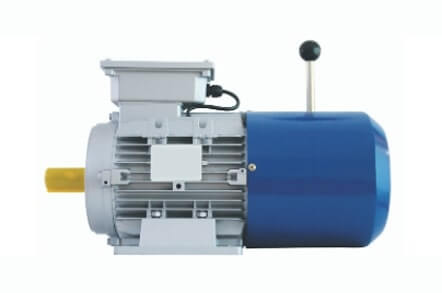
มอเตอร์ไฟฟ้ากระแสสลับ (AC) สามารถใช้งานได้ทั้งในบ้านพักอาศัยและในเชิงพาณิชย์หรือไม่?
ใช่ มอเตอร์ไฟฟ้ากระแสสลับ (AC) สามารถใช้งานได้ทั้งในบ้านพักอาศัยและในเชิงพาณิชย์ ความอเนกประสงค์และขอบเขตการใช้งานที่กว้างขวางของมอเตอร์ไฟฟ้ากระแสสลับ ทำให้เหมาะสำหรับสภาพแวดล้อมและวัตถุประสงค์ต่างๆ
ในบ้านพักอาศัย มอเตอร์ไฟฟ้ากระแสสลับ (AC) มักพบได้ในเครื่องใช้ไฟฟ้าภายในบ้าน เช่น ตู้เย็น เครื่องปรับอากาศ เครื่องซักผ้า พัดลม และปั๊มน้ำ มอเตอร์เหล่านี้ได้รับการออกแบบมาเพื่อตอบสนองความต้องการเฉพาะของการใช้งานในบ้านพักอาศัย โดยให้การทำงานที่เชื่อถือได้และมีประสิทธิภาพสำหรับงานประจำวัน ตัวอย่างเช่น เครื่องปรับอากาศใช้มอเตอร์ไฟฟ้ากระแสสลับในการขับเคลื่อนคอมเพรสเซอร์และพัดลม ในขณะที่เครื่องซักผ้าใช้มอเตอร์ไฟฟ้ากระแสสลับในการหมุนและทำให้ผ้าในถังซักหมุน
ในภาคธุรกิจ มอเตอร์ไฟฟ้ากระแสสลับ (AC) ถูกนำมาใช้กันอย่างแพร่หลายในหลากหลายอุตสาหกรรม โดยทำหน้าที่ขับเคลื่อนเครื่องจักร อุปกรณ์ และระบบต่างๆ ที่มีความสำคัญต่อการดำเนินงานเชิงพาณิชย์ ตัวอย่างที่พบได้ทั่วไป ได้แก่:
- เครื่องจักรกลอุตสาหกรรมและอุปกรณ์การผลิต: มอเตอร์ไฟฟ้ากระแสสลับ (AC) ขับเคลื่อนสายพานลำเลียง ปั๊ม คอมเพรสเซอร์ เครื่องผสม พัดลม เครื่องเป่าลม และเครื่องจักรอื่นๆ ที่ใช้ในโรงงานผลิต โรงงานแปรรูป และโรงงานอุตสาหกรรมต่างๆ
- ระบบ HVAC: มอเตอร์ไฟฟ้ากระแสสลับ (AC motors) ถูกนำมาใช้ในระบบทำความร้อน การระบายอากาศ และการปรับอากาศ (HVAC) ในเชิงพาณิชย์ เพื่อขับเคลื่อนพัดลม เครื่องเป่าลม และปั๊ม สำหรับการหมุนเวียนอากาศ การทำความเย็น และการทำความร้อน
- ระบบทำความเย็นเชิงพาณิชย์: มอเตอร์ไฟฟ้ากระแสสลับ (AC) ถูกนำมาใช้ในระบบทำความเย็นเชิงพาณิชย์เพื่อขับเคลื่อนคอมเพรสเซอร์ พัดลมคอนเดนเซอร์ และพัดลมระเหยในซูเปอร์มาร์เก็ต ร้านอาหาร และห้องเย็น
- อุปกรณ์สำนักงาน: มอเตอร์ไฟฟ้ากระแสสลับ (AC) มีอยู่ในอุปกรณ์สำนักงานต่างๆ เช่น เครื่องพิมพ์ เครื่องถ่ายเอกสาร เครื่องสแกน และระบบระบายอากาศ เพื่อให้มั่นใจว่าอุปกรณ์เหล่านั้นทำงานได้อย่างถูกต้อง
- การขนส่ง: มอเตอร์ไฟฟ้ากระแสสลับ (AC) ถูกนำมาใช้ในรถยนต์ไฟฟ้า รถราง รถไฟ และระบบขนส่งไฟฟ้าอื่นๆ เพื่อให้แรงขับเคลื่อนที่จำเป็น
- การบำบัดน้ำและน้ำเสีย: มอเตอร์ไฟฟ้ากระแสสลับ (AC) ใช้ในการขับเคลื่อนปั๊ม เครื่องผสม และเครื่องเป่าลมในโรงบำบัดน้ำ โรงบำบัดน้ำเสีย และสถานีสูบน้ำ
มอเตอร์ไฟฟ้ากระแสสลับ (AC) มีคุณสมบัติที่ปรับตัวได้ดี มีประสิทธิภาพ และควบคุมได้ง่าย ทำให้เหมาะสำหรับการใช้งานในที่อยู่อาศัยและเชิงพาณิชย์หลากหลายประเภท ไม่ว่าจะเป็นการจ่ายไฟให้กับเครื่องใช้ไฟฟ้าในครัวเรือนหรือเครื่องจักรในอุตสาหกรรม มอเตอร์ไฟฟ้ากระแสสลับมีบทบาทสำคัญในการตอบสนองความต้องการที่หลากหลายทั้งในที่อยู่อาศัยและเชิงพาณิชย์
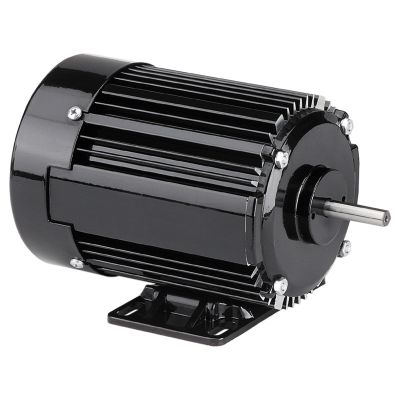
มอเตอร์ไฟฟ้ากระแสสลับ (AC) สามารถนำมาใช้ในระบบพลังงานหมุนเวียน เช่น กังหันลม ได้หรือไม่?
ใช่ มอเตอร์ไฟฟ้ากระแสสลับ (AC) สามารถนำมาใช้ในระบบพลังงานหมุนเวียนได้ รวมถึงกังหันลม ที่จริงแล้ว มอเตอร์ไฟฟ้ากระแสสลับถูกนำมาใช้กันอย่างแพร่หลายในงานต่างๆ ของกังหันลม เนื่องจากมีข้อดีมากมาย ต่อไปนี้คือคำอธิบายโดยละเอียด:
1. เครื่องกำเนิดไฟฟ้า: ในระบบกังหันลม มอเตอร์ไฟฟ้ากระแสสลับมักทำหน้าที่เป็นเครื่องกำเนิดไฟฟ้า เมื่อใบพัดของกังหันลมหมุน ใบพัดจะขับเคลื่อนโรเตอร์ของเครื่องกำเนิดไฟฟ้า ซึ่งจะแปลงพลังงานกลจากลมให้เป็นพลังงานไฟฟ้า เครื่องกำเนิดไฟฟ้ากระแสสลับนิยมใช้ในกังหันลมเนื่องจากมีประสิทธิภาพ ความน่าเชื่อถือ และความเข้ากันได้กับระบบโครงข่ายไฟฟ้า
2. การควบคุมความเร็วแบบแปรผัน: มอเตอร์ไฟฟ้ากระแสสลับ (AC) มีข้อดีคือสามารถควบคุมความเร็วได้หลากหลาย ซึ่งเป็นสิ่งสำคัญสำหรับกังหันลม ความเร็วลมเปลี่ยนแปลงได้ และเพื่อให้สามารถดักจับพลังงานได้สูงสุด จำเป็นต้องปรับความเร็วรอบของใบพัดให้เหมาะสม มอเตอร์ไฟฟ้ากระแสสลับ เมื่อใช้เป็นเครื่องกำเนิดไฟฟ้า สามารถปรับความเร็วรอบให้เข้ากับสภาพลมที่เปลี่ยนแปลงได้โดยการปรับความถี่และแรงดันของสัญญาณไฟฟ้าขาออก
3. ประสิทธิภาพ: มอเตอร์ไฟฟ้ากระแสสลับ (AC) ขึ้นชื่อเรื่องประสิทธิภาพสูง ซึ่งเป็นปัจจัยสำคัญในระบบพลังงานหมุนเวียน กังหันลมมีเป้าหมายที่จะแปลงพลังงานลมให้เป็นพลังงานไฟฟ้าให้ได้มากที่สุดเท่าที่จะเป็นไปได้ มอเตอร์ไฟฟ้ากระแสสลับ โดยเฉพาะอย่างยิ่งมอเตอร์ที่ออกแบบมาเพื่อประสิทธิภาพสูง สามารถช่วยเพิ่มประสิทธิภาพการแปลงพลังงานโดยรวมของระบบกังหันลมให้สูงสุดได้
4. การบูรณาการโครงข่ายไฟฟ้า: มอเตอร์ไฟฟ้ากระแสสลับ (AC) เหมาะอย่างยิ่งสำหรับการเชื่อมต่อกับโครงข่ายไฟฟ้าในระบบพลังงานหมุนเวียน กำลังไฟฟ้าที่ผลิตจากเครื่องกำเนิดไฟฟ้ากระแสสลับสามารถซิงโครไนซ์กับความถี่และแรงดันไฟฟ้าของโครงข่ายได้อย่างง่ายดาย ทำให้ระบบกังหันลมสามารถผสานรวมเข้ากับโครงสร้างพื้นฐานของโครงข่ายไฟฟ้าที่มีอยู่ได้อย่างราบรื่น ซึ่งจะช่วยให้การกระจายไฟฟ้าที่ผลิตได้ไปยังผู้บริโภคมีประสิทธิภาพมากขึ้น
5. การควบคุมและติดตามตรวจสอบ: มอเตอร์ไฟฟ้ากระแสสลับ (AC) มีความสามารถในการควบคุมและตรวจสอบขั้นสูง ซึ่งจำเป็นอย่างยิ่งสำหรับระบบกังหันลม พารามิเตอร์ทางไฟฟ้า เช่น แรงดัน ความถี่ และกำลังไฟฟ้าขาออก สามารถตรวจสอบและควบคุมได้อย่างง่ายดายในเครื่องกำเนิดไฟฟ้าที่ใช้มอเตอร์ไฟฟ้ากระแสสลับ ทำให้สามารถตรวจสอบประสิทธิภาพของกังหันลมแบบเรียลไทม์ ตรวจจับข้อผิดพลาด และเพิ่มประสิทธิภาพกระบวนการผลิตพลังงานได้
6. ความพร้อมใช้งานและการกำหนดมาตรฐาน: มอเตอร์ไฟฟ้ากระแสสลับมีจำหน่ายอย่างแพร่หลายในขนาดและกำลังไฟฟ้าที่หลากหลาย ทำให้สามารถนำไปใช้งานกับกังหันลมได้อย่างง่ายดาย นอกจากนี้ยังมีการกำหนดมาตรฐานไว้อย่างดี ทำให้มั่นใจได้ถึงความเข้ากันได้กับส่วนประกอบอื่นๆ ของระบบ และช่วยอำนวยความสะดวกในการบำรุงรักษา ซ่อมแซม และเปลี่ยนชิ้นส่วน
เป็นที่น่าสังเกตว่า แม้ว่ามอเตอร์ไฟฟ้ากระแสสลับ (AC) จะถูกใช้กันอย่างแพร่หลายในกังหันลม แต่ก็ยังมีเครื่องกำเนิดไฟฟ้าและเทคโนโลยีมอเตอร์ประเภทอื่นๆ ที่ใช้ในการออกแบบกังหันลมเฉพาะบางแบบ เช่น เครื่องกำเนิดไฟฟ้าซิงโครนัสแม่เหล็กถาวร (PMSG) หรือเครื่องกำเนิดไฟฟ้าเหนี่ยวนำแบบป้อนกระแสสองทาง (DFIG) ทางเลือกเหล่านี้มีข้อดีของตัวเองและอาจเป็นที่ต้องการในบางการกำหนดค่าของกังหันลม
โดยสรุปแล้ว มอเตอร์ไฟฟ้ากระแสสลับ (AC) สามารถนำมาใช้ในระบบพลังงานหมุนเวียนได้จริง รวมถึงกังหันลม ประสิทธิภาพ การควบคุมความเร็วแบบแปรผัน ความสามารถในการเชื่อมต่อกับโครงข่ายไฟฟ้า และคุณสมบัติการควบคุมขั้นสูง ทำให้มอเตอร์ไฟฟ้ากระแสสลับเป็นตัวเลือกที่เหมาะสมสำหรับการแปลงพลังงานลมเป็นพลังงานไฟฟ้าได้อย่างน่าเชื่อถือและมีประสิทธิภาพ
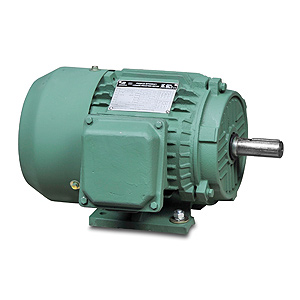
What are the main components of an AC motor, and how do they contribute to its operation?
An AC motor consists of several key components that work together to facilitate its operation. These components include:
- Stator: The stator is the stationary part of an AC motor. It is typically made of a laminated core that provides a path for the magnetic flux. The stator contains stator windings, which are coils of wire wound around the stator core. The stator windings are connected to an AC power source and produce a rotating magnetic field when energized. The rotating magnetic field is a crucial element in generating the torque required for the motor’s operation.
- Rotor: The rotor is the rotating part of an AC motor. It is located inside the stator and is connected to a shaft. The rotor can have different designs depending on the type of AC motor. In an induction motor, the rotor does not have electrical connections. Instead, it contains conductive bars or coils that are short-circuited. The rotating magnetic field of the stator induces currents in the short-circuited rotor conductors, creating a magnetic field that interacts with the stator field and generates torque, causing the rotor to rotate. In a synchronous motor, the rotor contains electromagnets that are magnetized by direct current, allowing the rotor to lock onto the rotating magnetic field of the stator and rotate at the same speed.
- Bearing: Bearings are used to support and facilitate the smooth rotation of the rotor shaft. They reduce friction and allow the rotor to rotate freely within the motor. Bearings are typically located at both ends of the motor shaft and are designed to withstand the axial and radial forces generated during operation.
- End Bells: The end bells, also known as end covers or end brackets, enclose the motor’s stator and rotor assembly. They provide mechanical support and protection for the internal components of the motor. End bells are typically made of metal and are designed to provide a housing for the bearings and secure the motor to its mounting structure.
- Fan or Cooling System: AC motors often generate heat during operation. To prevent overheating and ensure proper functioning, AC motors are equipped with fans or cooling systems. These help dissipate heat by circulating air or directing airflow over the motor’s components, including the stator and rotor windings. Effective cooling is crucial for maintaining the motor’s efficiency and extending its lifespan.
- Terminal Box or Connection Box: The terminal box is a housing located on the outside of the motor that provides access to the motor’s electrical connections. It contains terminals or connection points where external wires can be connected to supply power to the motor. The terminal box ensures a safe and secure connection of the motor to the electrical system.
- Additional Components: Depending on the specific design and application, AC motors may include additional components such as capacitors, centrifugal switches, brushes (in certain types of AC motors), and other control devices. These components are used for various purposes, such as improving motor performance, providing starting assistance, or enabling specific control features.
Each of these components plays a crucial role in the operation of an AC motor. The stator and rotor are the primary components responsible for generating the rotating magnetic field and converting electrical energy into mechanical motion. The bearings ensure smooth rotation of the rotor shaft, while the end bells provide structural support and protection. The fan or cooling system helps maintain optimal operating temperatures, and the terminal box allows for proper electrical connections. Additional components are incorporated as necessary to enhance motor performance and enable specific functionalities.


editor by CX 2024-03-30


