
คำอธิบายผลิตภัณฑ์
1rpm electric ac gear motor,electric motor with reduction gear,motors geared motor/transmission gearbox
< ABOUT TILI
Technical data
| Product Name | 1rpm electric ac gear motor,electric motor with reduction gear,motors geared motor/transmission gearbox |
| Power | 0.12KW~160KW |
| Torque | 1.4N · m ~ 36600N · m |
| Output speed | 0.06 ~ 1090r/min |
| Gear material | 20CrMnTi alloy steel |
| Gear Processing | Grinding finish by HOFLER Grinding Machines |
| Noise Test | Below 65dB |
| Brand of bearings | C&U bearing, ZWZ,LYC, HRB, CHINAMFG ,etc |
| Brand of oil seal | NAK or other brand |
| Temp. rise (MAX) | 40ºC |
| Temp. rise (Oil)(MAX | 50ºC |
| Vibration | ≤20µm |
| Housing hardness | HBS190-240 |
| Surface hardness of gears | HRC58°~62 ° |
| Gear core hardness | HRC33~40 |
| Machining precision of gears | 5 Grade |
| Lubricating oil | GB L-CKC220-460, Shell Omala220-460 |
| Heat treatment | Carburizing, Quenching etc |
| Efficiency | 95%~96% (depends on the transmission stage) |
| Bearing output mode | parallel output |
| Installation type and output mode | Bottom seated type flange type installation, solid,hollow shaft output. |
| Input mode | Direct motor, shaft input and connecting flange input |
| Input Method | Flange input(AM), shaft input(AD), inline AC motor input, or AQA servo motor |
Installation Instructions
Company Profile
< WORKSHOP
< QUALITY CONTROL
Certifications
Packaging & Shipping
FAQ
Q 1: Are you a trading company or a manufacturer?
A: We are a professional manufacturer specializing in manufacturing various series of reducer.
Q 2:Can you do OEM?
A:Yes, we can. We can do OEM for all the customers .if you want to order NON-STANDERD speed reducers,pls provide Drafts, Dimensions, Pictures and Samples if possible.
Q 3: How long is your warranty?
A: Our Warranty is 12 months under normal circumstances.
Q 4: Do you have inspection procedures for reducer?
A:100% self-inspection before packing.
Q 5: Can I have a visit to your factory before the order?
A: Sure, welcome to visit our factory.
Q 6:How to choose a gearbox? What if I don’t know which gear reducer I need?
A:You can refer to our catalogue to choose the gearbox or we can help to choose when you provide,the technical information of required output torque, output speed and motor parameter etc. Don’t worry, Send as much information as you can, our team will help you find the right 1 you are looking for.
Q 7: What information shall we give before placing a purchase order?
A:a) Type of the gearbox, Size , Transmission Ratio, input and output type, input flange, mounting position, motor information and shaft deflection etc. b)Housing color.c) Purchase quantity. d) Other special requirements
Q 8:What is the payment term?
A:You can pay via T/T(30% in advance as deposit before production +70% before delivery
/* 22 มกราคม 2571 19:08:37 */!function(){function s(e,r){var a,o={};try{e&&e.split(“,”).forEach(function(e,t){e&&(a=e.match(/(.*?):(.*)$/))&&1
| แอปพลิเคชัน: | Motor, Machinery, Agricultural Machinery, Industrial Automation Equipment, Chemical Industry |
|---|---|
| Function: | Distribution Power, Change Drive Torque, Speed Changing, Speed Reduction |
| Layout: | Coaxial |
| การปรับแต่ง: |
มีอยู่
|
|
|---|
.shipping-cost-tm .tm-status-off{background: none;padding:0;color: #1470cc}
|
Shipping Cost:
Estimated freight per unit. |
about shipping cost and estimated delivery time. |
|---|
| Payment Method: |
|
|---|---|
|
Initial Payment Full Payment |
| Currency: | US$ |
|---|
| Return&refunds: | You can apply for a refund up to 30 days after receipt of the products. |
|---|
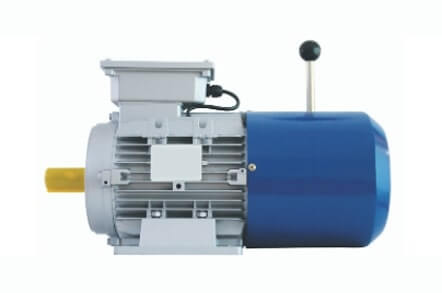
มอเตอร์ไฟฟ้ากระแสสลับ (AC) สามารถใช้งานได้ทั้งในบ้านพักอาศัยและในเชิงพาณิชย์หรือไม่?
ใช่ มอเตอร์ไฟฟ้ากระแสสลับ (AC) สามารถใช้งานได้ทั้งในบ้านพักอาศัยและในเชิงพาณิชย์ ความอเนกประสงค์และขอบเขตการใช้งานที่กว้างขวางของมอเตอร์ไฟฟ้ากระแสสลับ ทำให้เหมาะสำหรับสภาพแวดล้อมและวัตถุประสงค์ต่างๆ
ในบ้านพักอาศัย มอเตอร์ไฟฟ้ากระแสสลับ (AC) มักพบได้ในเครื่องใช้ไฟฟ้าภายในบ้าน เช่น ตู้เย็น เครื่องปรับอากาศ เครื่องซักผ้า พัดลม และปั๊มน้ำ มอเตอร์เหล่านี้ได้รับการออกแบบมาเพื่อตอบสนองความต้องการเฉพาะของการใช้งานในบ้านพักอาศัย โดยให้การทำงานที่เชื่อถือได้และมีประสิทธิภาพสำหรับงานประจำวัน ตัวอย่างเช่น เครื่องปรับอากาศใช้มอเตอร์ไฟฟ้ากระแสสลับในการขับเคลื่อนคอมเพรสเซอร์และพัดลม ในขณะที่เครื่องซักผ้าใช้มอเตอร์ไฟฟ้ากระแสสลับในการหมุนและทำให้ผ้าในถังซักหมุน
ในภาคธุรกิจ มอเตอร์ไฟฟ้ากระแสสลับ (AC) ถูกนำมาใช้กันอย่างแพร่หลายในหลากหลายอุตสาหกรรม โดยทำหน้าที่ขับเคลื่อนเครื่องจักร อุปกรณ์ และระบบต่างๆ ที่มีความสำคัญต่อการดำเนินงานเชิงพาณิชย์ ตัวอย่างที่พบได้ทั่วไป ได้แก่:
- เครื่องจักรกลอุตสาหกรรมและอุปกรณ์การผลิต: มอเตอร์ไฟฟ้ากระแสสลับ (AC) ขับเคลื่อนสายพานลำเลียง ปั๊ม คอมเพรสเซอร์ เครื่องผสม พัดลม เครื่องเป่าลม และเครื่องจักรอื่นๆ ที่ใช้ในโรงงานผลิต โรงงานแปรรูป และโรงงานอุตสาหกรรมต่างๆ
- ระบบ HVAC: มอเตอร์ไฟฟ้ากระแสสลับ (AC motors) ถูกนำมาใช้ในระบบทำความร้อน การระบายอากาศ และการปรับอากาศ (HVAC) ในเชิงพาณิชย์ เพื่อขับเคลื่อนพัดลม เครื่องเป่าลม และปั๊ม สำหรับการหมุนเวียนอากาศ การทำความเย็น และการทำความร้อน
- ระบบทำความเย็นเชิงพาณิชย์: มอเตอร์ไฟฟ้ากระแสสลับ (AC) ถูกนำมาใช้ในระบบทำความเย็นเชิงพาณิชย์เพื่อขับเคลื่อนคอมเพรสเซอร์ พัดลมคอนเดนเซอร์ และพัดลมระเหยในซูเปอร์มาร์เก็ต ร้านอาหาร และห้องเย็น
- อุปกรณ์สำนักงาน: มอเตอร์ไฟฟ้ากระแสสลับ (AC) มีอยู่ในอุปกรณ์สำนักงานต่างๆ เช่น เครื่องพิมพ์ เครื่องถ่ายเอกสาร เครื่องสแกน และระบบระบายอากาศ เพื่อให้มั่นใจว่าอุปกรณ์เหล่านั้นทำงานได้อย่างถูกต้อง
- การขนส่ง: มอเตอร์ไฟฟ้ากระแสสลับ (AC) ถูกนำมาใช้ในรถยนต์ไฟฟ้า รถราง รถไฟ และระบบขนส่งไฟฟ้าอื่นๆ เพื่อให้แรงขับเคลื่อนที่จำเป็น
- การบำบัดน้ำและน้ำเสีย: มอเตอร์ไฟฟ้ากระแสสลับ (AC) ใช้ในการขับเคลื่อนปั๊ม เครื่องผสม และเครื่องเป่าลมในโรงบำบัดน้ำ โรงบำบัดน้ำเสีย และสถานีสูบน้ำ
มอเตอร์ไฟฟ้ากระแสสลับ (AC) มีคุณสมบัติที่ปรับตัวได้ดี มีประสิทธิภาพ และควบคุมได้ง่าย ทำให้เหมาะสำหรับการใช้งานในที่อยู่อาศัยและเชิงพาณิชย์หลากหลายประเภท ไม่ว่าจะเป็นการจ่ายไฟให้กับเครื่องใช้ไฟฟ้าในครัวเรือนหรือเครื่องจักรในอุตสาหกรรม มอเตอร์ไฟฟ้ากระแสสลับมีบทบาทสำคัญในการตอบสนองความต้องการที่หลากหลายทั้งในที่อยู่อาศัยและเชิงพาณิชย์
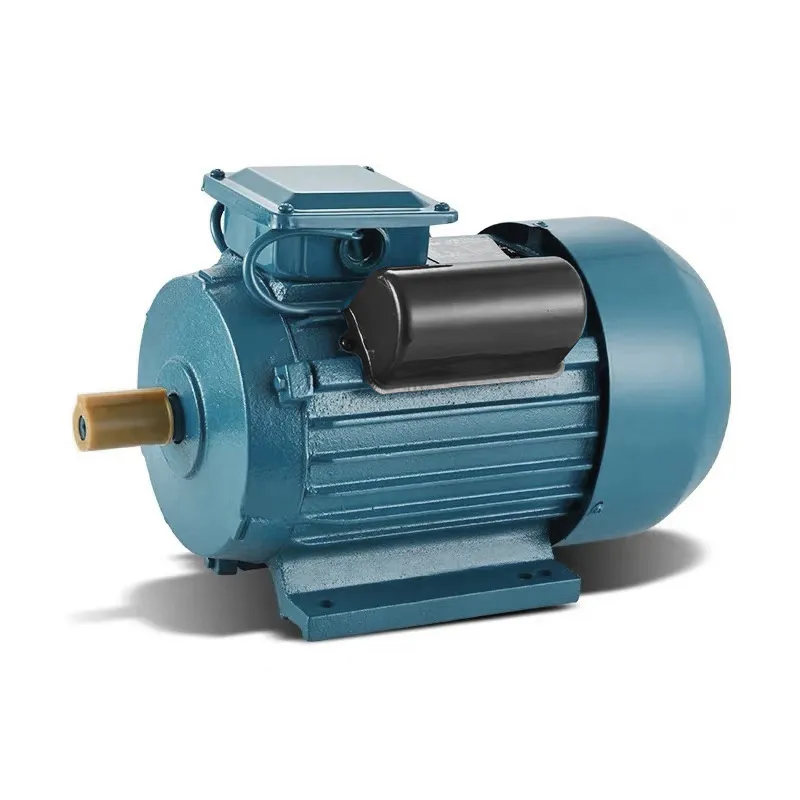
How do AC motors contribute to the functioning of household appliances?
AC motors play a crucial role in the functioning of numerous household appliances by converting electrical energy into mechanical energy. These motors are used in a wide range of devices, powering various components and performing essential tasks. Let’s explore how AC motors contribute to the functioning of household appliances:
- Kitchen Appliances: AC motors are found in various kitchen appliances, such as refrigerators, freezers, dishwashers, and blenders. In refrigerators and freezers, AC motors drive the compressor, which circulates the refrigerant and maintains the desired temperature. Dishwashers use AC motors to power the water pumps, spray arms, and the motorized detergent dispenser. Blenders utilize AC motors to rotate the blades and blend ingredients.
- Laundry Appliances: AC motors are integral to laundry appliances like washing machines and clothes dryers. Washing machines rely on AC motors to power the agitator or the drum, facilitating the washing and spinning cycles. Clothes dryers use AC motors to rotate the drum and operate the blower fan, facilitating the drying process.
- Vacuum Cleaners: Vacuum cleaners utilize AC motors to generate suction and drive the motorized brush or beater bar. These motors power the fan or impeller, creating the necessary airflow for effective cleaning.
- Fans and Air Circulation: AC motors are employed in various types of fans, including ceiling fans, table fans, and pedestal fans. These motors drive the fan blades, producing airflow and facilitating air circulation to provide cooling or ventilation in rooms. Additionally, AC motors power exhaust fans used in kitchens, bathrooms, and range hoods to remove odors, smoke, or excess moisture.
- Air Conditioning and Heating Systems: AC motors are critical components in air conditioning and heating systems. They power the compressor, condenser fan, and blower fan, which are responsible for circulating refrigerant, dissipating heat, and delivering conditioned air throughout the house. AC motors enable the regulation of temperature and humidity levels, ensuring comfort in residential spaces.
- Garage Door Openers: AC motors are utilized in garage door openers to drive the mechanism responsible for opening and closing the garage door. These motors generate the necessary torque to lift or lower the door smoothly and efficiently.
- Other Appliances: AC motors are also found in a variety of other household appliances. For instance, they power pumps in water heaters, swimming pool filters, and sump pumps. AC motors are used in dehumidifiers, humidifiers, and air purifiers to drive the fans and other internal components. They are also present in audiovisual equipment, such as DVD players, record players, and fans used for cooling electronics.
In summary, AC motors are essential components in household appliances, enabling their proper functioning and delivering the mechanical energy required for various tasks. From kitchen appliances to laundry machines, fans, air conditioning systems, and more, AC motors provide the necessary power and functionality to enhance our daily lives.
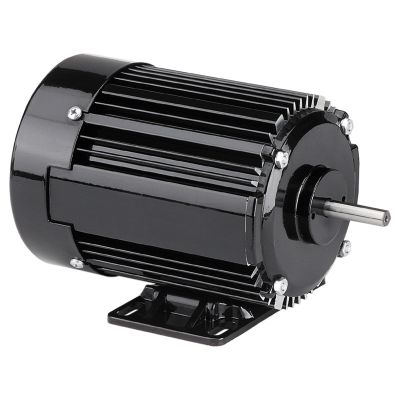
How does the speed control mechanism work in AC motors?
The speed control mechanism in AC motors varies depending on the type of motor. Here, we will discuss the speed control methods used in two common types of AC motors: induction motors and synchronous motors.
Speed Control in Induction Motors:
Induction motors are typically designed to operate at a constant speed determined by the frequency of the AC power supply and the number of motor poles. However, there are several methods for controlling the speed of induction motors:
- Varying the Frequency: By varying the frequency of the AC power supply, the speed of an induction motor can be adjusted. This method is known as variable frequency drive (VFD) control. VFDs convert the incoming AC power supply into a variable frequency and voltage output, allowing precise control of motor speed. This method is commonly used in industrial applications where speed control is crucial, such as conveyors, pumps, and fans.
- Changing the Number of Stator Poles: The speed of an induction motor is inversely proportional to the number of stator poles. By changing the connections of the stator windings or using a motor with a different pole configuration, the speed can be adjusted. However, this method is less commonly used and is typically employed in specialized applications.
- Adding External Resistance: In some cases, external resistance can be added to the rotor circuit of an induction motor to control its speed. This method, known as rotor resistance control, involves inserting resistors in series with the rotor windings. By varying the resistance, the rotor current and torque can be adjusted, resulting in speed control. However, this method is less efficient and is mainly used in specific applications where precise control is not required.
Speed Control in Synchronous Motors:
Synchronous motors offer more precise speed control compared to induction motors due to their inherent synchronous operation. The following methods are commonly used for speed control in synchronous motors:
- Adjusting the AC Power Frequency: Similar to induction motors, changing the frequency of the AC power supply can control the speed of synchronous motors. By adjusting the power frequency, the synchronous speed of the motor can be altered. This method is often used in applications where precise speed control is required, such as industrial machinery and processes.
- Using a Variable Frequency Drive: Variable frequency drives (VFDs) can also be used to control the speed of synchronous motors. By converting the incoming AC power supply into a variable frequency and voltage output, VFDs can adjust the motor speed with high accuracy and efficiency.
- DC Field Control: In some synchronous motors, the rotor field is supplied by a direct current (DC) source, allowing for precise control over the motor’s speed. By adjusting the DC field current, the magnetic field strength and speed of the motor can be controlled. This method is commonly used in applications that require fine-tuned speed control, such as industrial processes and high-performance machinery.
These methods provide different ways to control the speed of AC motors, allowing for flexibility and adaptability in various applications. The choice of speed control mechanism depends on factors such as the motor type, desired speed range, accuracy requirements, efficiency considerations, and cost constraints.


editor by CX 2024-04-17


