
தயாரிப்பு விளக்கம்
| Model NO. | YDK-S-20 | ||
| Voltage | 220V | Frequency | 50 Hz |
| Output | 20W | Speed | 1350-1200-1000±30r/min |
| Shaft diameter | 8mm/0.31inches | Motor diameter | 91mm/3.58inches |
| Number of Poles | 4P | Insulation | E |
| steering | CCW | Ambient temperature | -30ºC~43ºC |
Warm Tips: We can customize per your request for the voltage,frequency,output,speed, shaft size and shape.
F A Q
Q: Are you factory?
A: Yes, we are a professional motor manufacturing factory for 25 years with 80 employees. We have strong product development and production
capacities for OEM and ODM. Our main products include fan motor, air-conditioning motors, swimming pool pump motor and etc., which are
sold to Europe, North America, Middle East and South Asia.
Q: What’s your lead time?
A: 15-20 days for buck production. Customized products depends on sampling time.
Q: What is your MOQ?
A: MOQ depends on different items, which is negotiable.
Q: May I get samples?
A: You are welcome to order samples that need 10 days to prepare.
Sample charges are as bulk production price.
Express charges shall be freight collect.
Q: How about your quality control?
A: From raw material to finished products, we have strict and complete IPQC. And advanced test ing machine can assure of qualified products
delivered.
Q: Can you make motors with customize specifications?
A: Yes, we can customize per your request for the voltage, speed, torque,shaft size and shape.
/* ஜனவரி 22, 2571 19:08:37 */!function(){function s(e,r){var a,o={};try{e&&e.split(“,”).forEach(function(e,t){e&&(a=e.match(/(.*?):&T/*)1TP5
| Application: | Industrial |
|---|---|
| Speed: | Variable Speed |
| Number of Stator: | Single-Phase |
| Samples: |
US$ 9.07/Piece
1 Piece(Min.Order) | Order Sample |
|---|
| தனிப்பயனாக்கம்: |
கிடைக்கிறது
|
|
|---|
.ஷிப்பிங்-காஸ்ட்-டிஎம் .டிஎம்-ஸ்டேட்டஸ்-ஆஃப்{பின்னணி: எதுவுமில்லை;பேடிங்:0;நிறம்: #1470cc}
| கப்பல் செலவு:
ஒரு யூனிட்டுக்கு மதிப்பிடப்பட்ட சரக்கு. |
கப்பல் செலவு மற்றும் மதிப்பிடப்பட்ட விநியோக நேரம் பற்றி. |
|---|
| பணம் செலுத்தும் முறை: |
|
|---|---|
|
ஆரம்ப கட்டணம் முழு கட்டணம் |
| நாணயம்: | US$ அறிமுகம் |
|---|
| திரும்பப் பெறுதல் & பணத்தைத் திரும்பப் பெறுதல்: | பொருட்கள் கிடைத்த 30 நாட்களுக்குப் பிறகு பணத்தைத் திரும்பப் பெற விண்ணப்பிக்கலாம். |
|---|
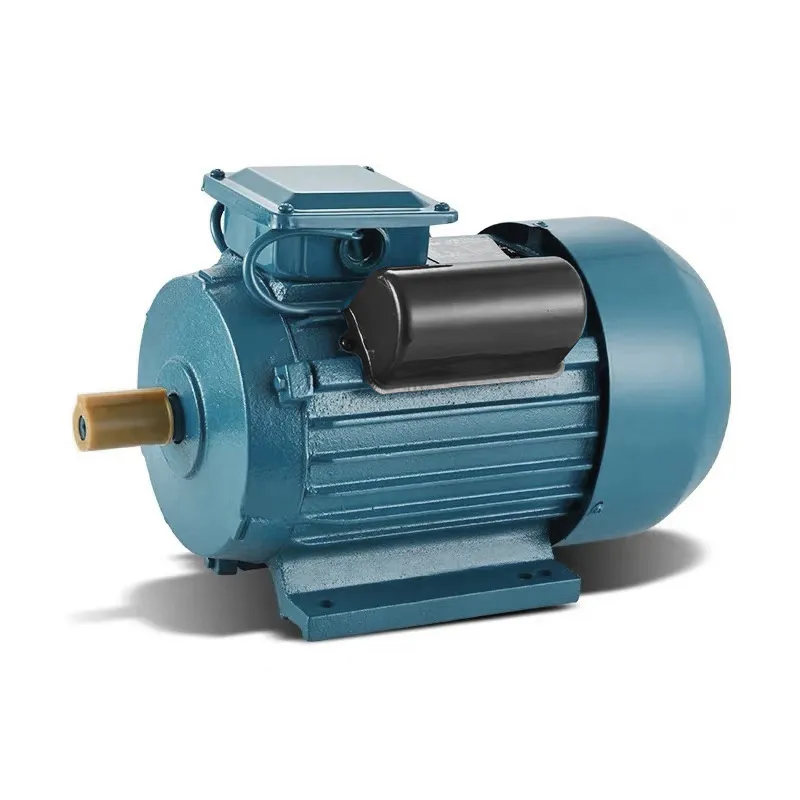
What factors should be considered when selecting an AC motor for a particular application?
When selecting an AC motor for a particular application, several factors need to be considered to ensure the motor meets the requirements and performs optimally. Here are the key factors to consider:
- Power Requirements: Determine the power requirements of the application, including the required torque and speed. The motor should have adequate power output to meet the demands of the specific task. Consider factors such as starting torque, running torque, and speed range to ensure the motor can handle the load effectively.
- Motor Type: There are different types of AC motors, including induction motors, synchronous motors, and brushless DC motors. Each type has its own characteristics and advantages. Consider the application’s requirements and factors such as speed control, efficiency, and starting torque to determine the most suitable motor type.
- Environmental Conditions: Assess the environmental conditions in which the motor will operate. Factors such as temperature, humidity, dust, and vibration levels can impact motor performance and longevity. Choose a motor that is designed to withstand the specific environmental conditions of the application.
- Size and Space Constraints: Consider the available space for motor installation. Ensure that the physical dimensions of the motor, including its length, diameter, and mounting arrangement, are compatible with the available space. Additionally, consider the weight of the motor if it needs to be mounted or transported.
- செயல்திறன்: Energy efficiency is an important consideration, as it can impact operational costs and environmental sustainability. Look for motors with high efficiency ratings, which indicate that they convert electrical energy into mechanical energy with minimal energy loss. Energy-efficient motors can lead to cost savings and reduced environmental impact over the motor’s lifespan.
- Control and Speed Requirements: Determine if the application requires precise speed control or if a fixed speed motor is sufficient. If variable speed control is needed, consider motors that can be easily controlled using variable frequency drives (VFDs) or other speed control mechanisms. For applications that require high-speed operation, select a motor that can achieve the desired speed range.
- Maintenance and Serviceability: Assess the maintenance requirements and serviceability of the motor. Consider factors such as the accessibility of motor components, ease of maintenance, availability of spare parts, and the manufacturer’s reputation for reliability and customer support. A motor that is easy to maintain and service can help minimize downtime and repair costs.
- Budget: Consider the budget constraints for the motor selection. Balance the desired features and performance with the available budget. In some cases, investing in a higher quality, more efficient motor upfront can lead to long-term cost savings due to reduced energy consumption and maintenance requirements.
By carefully considering these factors, it is possible to select an AC motor that aligns with the specific requirements of the application, ensuring optimal performance, efficiency, and reliability.
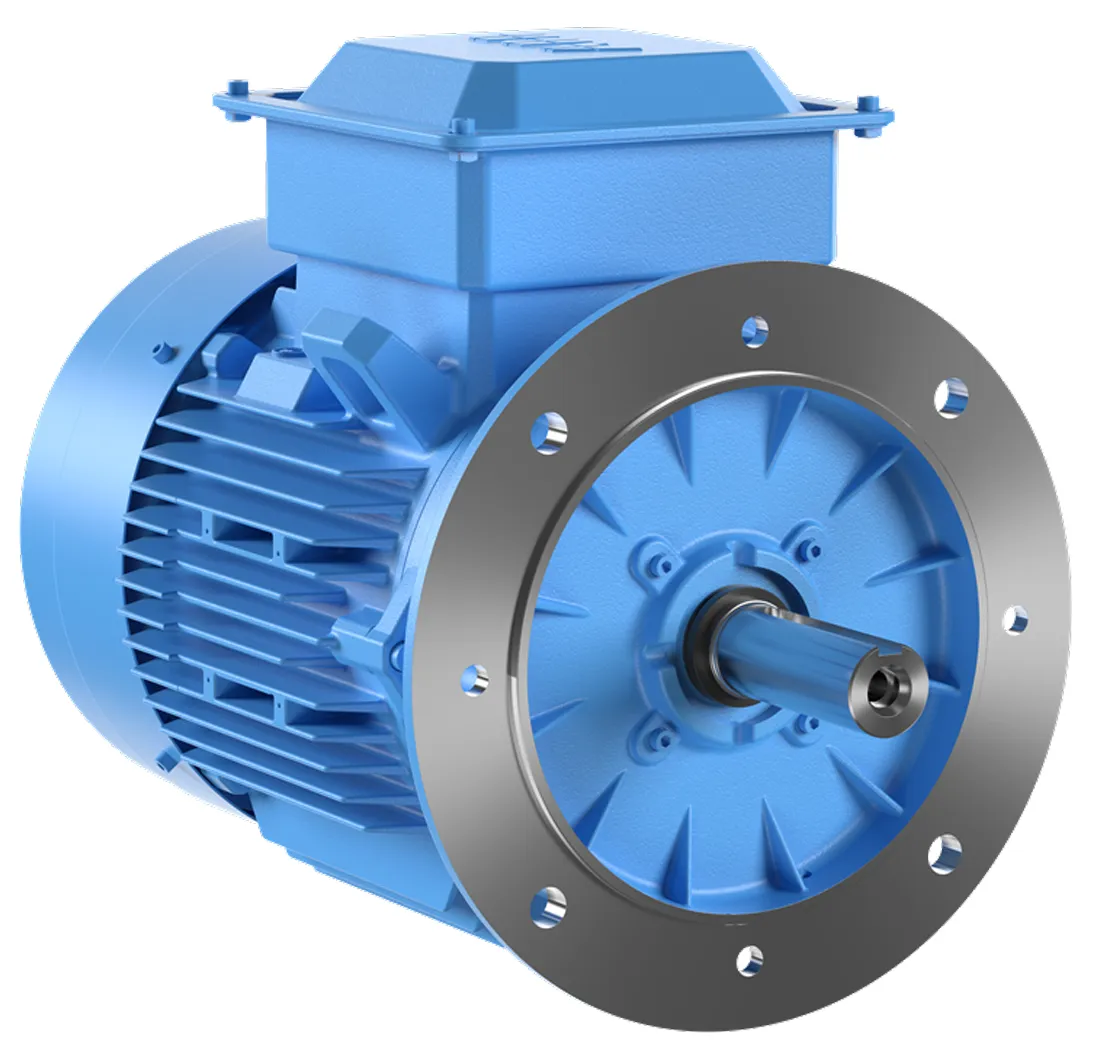
ஏசி மோட்டார்களைத் தேர்ந்தெடுப்பது, நிறுவுவது மற்றும் பராமரிப்பது குறித்த நம்பகமான தகவல்களை தனிநபர்கள் அல்லது வணிகங்கள் எங்கே காணலாம்?
ஏசி மோட்டார்களைத் தேர்ந்தெடுப்பது, நிறுவுவது மற்றும் பராமரிப்பது குறித்த தகவல்களைத் தேடும்போது, தனிநபர்கள் மற்றும் வணிகங்கள் பல்வேறு நம்பகமான ஆதாரங்களைப் பார்க்கலாம். இந்த ஆதாரங்கள் மதிப்புமிக்க வழிகாட்டுதல், பரிந்துரைகள் மற்றும் ஏசி மோட்டார்கள் தொடர்பான சிறந்த நடைமுறைகளை வழங்குகின்றன. நம்பகமான தகவல்களைக் காணக்கூடிய சில இடங்கள் இங்கே:
- உற்பத்தியாளரின் ஆவணங்கள்: AC மோட்டார் உற்பத்தியாளர்கள் பெரும்பாலும் தயாரிப்பு பட்டியல்கள், தொழில்நுட்ப விவரக்குறிப்புகள், நிறுவல் வழிகாட்டிகள் மற்றும் பராமரிப்பு கையேடுகள் உள்ளிட்ட விரிவான ஆவணங்களை வழங்குகிறார்கள். இந்த ஆவணங்கள் செயல்திறன் பண்புகள், மின் தேவைகள், பொருத்துதல் வழிமுறைகள் மற்றும் பரிந்துரைக்கப்பட்ட பராமரிப்பு நடைமுறைகள் போன்ற அவற்றின் மோட்டார்கள் பற்றிய குறிப்பிட்ட தகவல்களை வழங்குகின்றன. உற்பத்தியாளர்களின் வலைத்தளங்கள் இந்த வளங்களை அணுகுவதற்கான பொதுவான ஆதாரமாகும்.
- தொழில் சங்கங்கள்: மின் பொறியியல், மோட்டார் உற்பத்தி அல்லது குறிப்பிட்ட பயன்பாடுகள் (எ.கா., HVAC, பம்புகள் அல்லது தொழில்துறை இயந்திரங்கள்) தொடர்பான தொழில் சங்கங்கள் நம்பகமான தகவல்களுக்கு சிறந்த ஆதாரங்களாக இருக்கலாம். இந்த சங்கங்கள் பெரும்பாலும் மோட்டார் தேர்வு, நிறுவல் நடைமுறைகள், செயல்திறன் தரநிலைகள் மற்றும் பராமரிப்பு பரிந்துரைகள் உள்ளிட்ட பல்வேறு தலைப்புகளை உள்ளடக்கிய தொழில்நுட்ப கட்டுரைகள், வழிகாட்டுதல்கள் மற்றும் தரநிலைகளை வெளியிடுகின்றன. அத்தகைய சங்கங்களின் எடுத்துக்காட்டுகளில் தேசிய மின் உற்பத்தியாளர்கள் சங்கம் (NEMA), மின் மற்றும் மின்னணு பொறியாளர்கள் நிறுவனம் (IEEE), மற்றும் ஏர் கண்டிஷனிங், வெப்பமாக்கல் மற்றும் குளிர்பதன நிறுவனம் (AHRI) ஆகியவை அடங்கும்.
- தொழில்முறை எலக்ட்ரீஷியன்கள் மற்றும் பொறியாளர்கள்: மோட்டார் பயன்பாடுகளில் நிபுணத்துவம் பெற்ற தொழில்முறை எலக்ட்ரீஷியன்கள் அல்லது மின் பொறியாளர்களுடன் கலந்தாலோசிப்பது மதிப்புமிக்க நுண்ணறிவுகளை வழங்கும். இந்த வல்லுநர்கள் ஏசி மோட்டார்களைத் தேர்ந்தெடுப்பது, நிறுவுவது மற்றும் பராமரிப்பதில் நடைமுறை அறிவு மற்றும் அனுபவத்தைக் கொண்டுள்ளனர். குறிப்பிட்ட திட்டத் தேவைகள் மற்றும் தொழில்துறையின் சிறந்த நடைமுறைகளின் அடிப்படையில் அவர்கள் தனிப்பயனாக்கப்பட்ட ஆலோசனைகளை வழங்க முடியும்.
- ஆற்றல் திறன் திட்டங்கள் மற்றும் நிறுவனங்கள்: அரசுத் துறைகள், பயன்பாட்டு நிறுவனங்கள் அல்லது சுற்றுச்சூழல் அமைப்புகள் போன்ற எரிசக்தி திறன் திட்டங்கள் மற்றும் நிறுவனங்கள் பெரும்பாலும் எரிசக்தி திறன் கொண்ட மோட்டார் தேர்வு மற்றும் செயல்பாட்டில் வளங்களையும் வழிகாட்டுதலையும் வழங்குகின்றன. இந்த திட்டங்கள் மோட்டார் திறன் தரநிலைகள், உயர் திறன் கொண்ட மோட்டார்களுக்கான தள்ளுபடி திட்டங்கள் மற்றும் எரிசக்தி சேமிப்பு நடைமுறைகள் பற்றிய தகவல்களை வழங்கக்கூடும். எடுத்துக்காட்டுகளில் அமெரிக்க எரிசக்தித் துறை (DOE) மற்றும் அதன் எனர்ஜி ஸ்டார் திட்டம் ஆகியவை அடங்கும்.
- ஆன்லைன் தொழில்நுட்ப மன்றங்கள் மற்றும் சமூகங்கள்: மின் பொறியியல், மோட்டார் பயன்பாடுகள் அல்லது குறிப்பிட்ட தொழில்களில் கவனம் செலுத்தும் ஆன்லைன் மன்றங்கள் மற்றும் சமூகங்கள் மதிப்புமிக்க தகவல் ஆதாரங்களாக இருக்கலாம். இந்த மன்றங்களில் பங்கேற்பதன் மூலம் தனிநபர்களும் வணிகங்களும் நிபுணர்களுடன் தொடர்பு கொள்ளவும், மோட்டார் தொடர்பான தலைப்புகளைப் பற்றி விவாதிக்கவும், AC மோட்டார்களில் நேரடி அனுபவமுள்ள நிபுணர்கள் மற்றும் ஆர்வலர்களிடமிருந்து ஆலோசனையைப் பெறவும் முடியும்.
- புத்தகங்கள் மற்றும் வெளியீடுகள்: மின் பொறியியல், மோட்டார் தொழில்நுட்பம் அல்லது குறிப்பிட்ட பயன்பாடுகளுக்கு அர்ப்பணிக்கப்பட்ட புத்தகங்கள் மற்றும் தொழில்நுட்ப வெளியீடுகள் AC மோட்டார்கள் பற்றிய விரிவான தகவல்களை வழங்க முடியும். இந்த வளங்கள் மோட்டார் கோட்பாடு மற்றும் வடிவமைப்பு கொள்கைகள் முதல் நடைமுறை நிறுவல் நுட்பங்கள் மற்றும் பராமரிப்பு நடைமுறைகள் வரையிலான தலைப்புகளை உள்ளடக்கியது. நூலகங்கள், புத்தகக் கடைகள் மற்றும் ஆன்லைன் சில்லறை விற்பனையாளர்கள் தொடர்புடைய வெளியீடுகளின் பரந்த தேர்வை வழங்குகிறார்கள்.
இந்த மூலங்களிலிருந்து தகவல்களை அணுகும்போது, அந்தத் தகவல் புதுப்பித்ததாகவும், நம்பகமானதாகவும், குறிப்பிட்ட பயன்பாடு அல்லது தேவைகளுக்குப் பொருத்தமானதாகவும் இருப்பதை உறுதி செய்வது முக்கியம். பல மூலங்களையும் குறுக்கு-குறிப்புத் தகவல்களையும் கலந்தாலோசிப்பது துல்லியத்தை சரிபார்க்கவும், AC மோட்டார் தேர்வு, நிறுவல் மற்றும் பராமரிப்பு பற்றிய நன்கு முழுமையான புரிதலை ஏற்படுத்தவும் உதவும்.
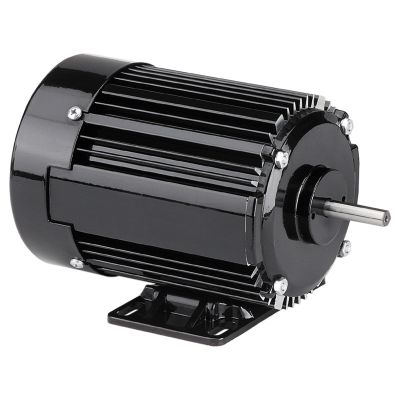
How does the speed control mechanism work in AC motors?
The speed control mechanism in AC motors varies depending on the type of motor. Here, we will discuss the speed control methods used in two common types of AC motors: induction motors and synchronous motors.
Speed Control in Induction Motors:
Induction motors are typically designed to operate at a constant speed determined by the frequency of the AC power supply and the number of motor poles. However, there are several methods for controlling the speed of induction motors:
- Varying the Frequency: By varying the frequency of the AC power supply, the speed of an induction motor can be adjusted. This method is known as variable frequency drive (VFD) control. VFDs convert the incoming AC power supply into a variable frequency and voltage output, allowing precise control of motor speed. This method is commonly used in industrial applications where speed control is crucial, such as conveyors, pumps, and fans.
- Changing the Number of Stator Poles: The speed of an induction motor is inversely proportional to the number of stator poles. By changing the connections of the stator windings or using a motor with a different pole configuration, the speed can be adjusted. However, this method is less commonly used and is typically employed in specialized applications.
- Adding External Resistance: In some cases, external resistance can be added to the rotor circuit of an induction motor to control its speed. This method, known as rotor resistance control, involves inserting resistors in series with the rotor windings. By varying the resistance, the rotor current and torque can be adjusted, resulting in speed control. However, this method is less efficient and is mainly used in specific applications where precise control is not required.
Speed Control in Synchronous Motors:
Synchronous motors offer more precise speed control compared to induction motors due to their inherent synchronous operation. The following methods are commonly used for speed control in synchronous motors:
- Adjusting the AC Power Frequency: Similar to induction motors, changing the frequency of the AC power supply can control the speed of synchronous motors. By adjusting the power frequency, the synchronous speed of the motor can be altered. This method is often used in applications where precise speed control is required, such as industrial machinery and processes.
- Using a Variable Frequency Drive: Variable frequency drives (VFDs) can also be used to control the speed of synchronous motors. By converting the incoming AC power supply into a variable frequency and voltage output, VFDs can adjust the motor speed with high accuracy and efficiency.
- DC Field Control: In some synchronous motors, the rotor field is supplied by a direct current (DC) source, allowing for precise control over the motor’s speed. By adjusting the DC field current, the magnetic field strength and speed of the motor can be controlled. This method is commonly used in applications that require fine-tuned speed control, such as industrial processes and high-performance machinery.
These methods provide different ways to control the speed of AC motors, allowing for flexibility and adaptability in various applications. The choice of speed control mechanism depends on factors such as the motor type, desired speed range, accuracy requirements, efficiency considerations, and cost constraints.


editor by CX 2024-04-03


