
製品説明
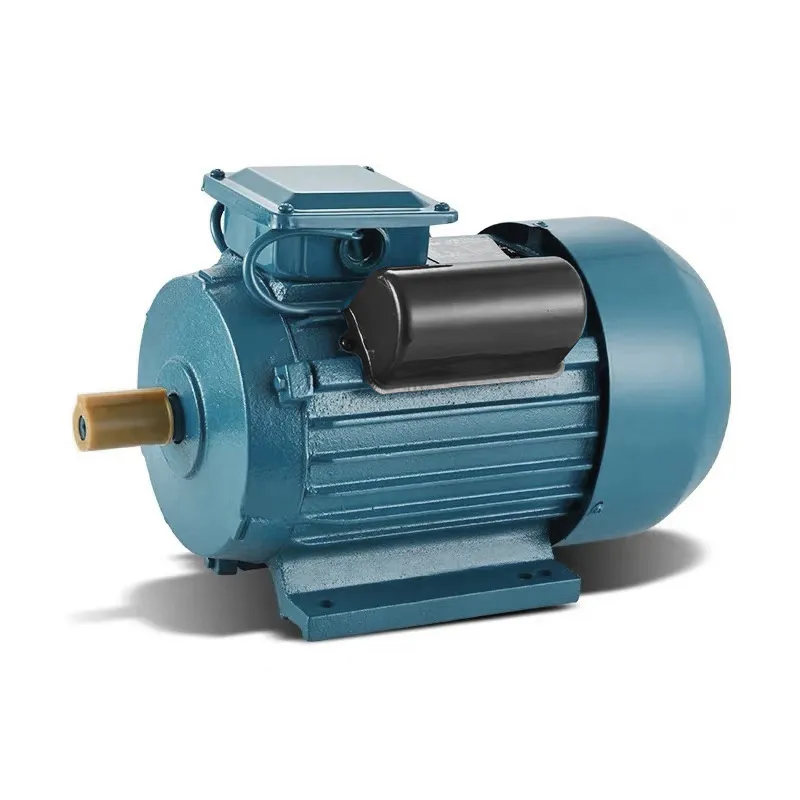
YC asynchronous motor is a kind of low-voltage 1-phase cage induction electric motor, which is a basic series for general uses with frame range 80-132 and it’s a new product with the national unified design.
High efficiency, energy saving, fine operation performance, small vibration, low noise, long service life, high reliability, convenient maintenance, big breakaway torque are all it’s strengths. Fixing measurement and power grade completely conform to IEC standard. It employs Grade F insulation, IP54 or IP55 class for shell protection and IC411 cooling mode.
Technical Data
| モデル | Rated Output | Speed(r.p.m) | Current(A) | Eff.(%) | Powerfactor(cos) | lst/ln | Tst/Tn | 最高温度/最低温度 | |
| kW | HP | ||||||||
| YC711-2 | 0.18 | 1/4 | 2800 | 1.9 | 63.0 | 0.7 | 6.5 | 3.0 | 1.8 |
| YC712-2 | 0.25 | 1/3 | 2800 | 2.4 | 65.0 | 0.72 | 6.5 | 3.0 | 1.8 |
| YC80A-2 | 0.37 | 1/2 | 2840 | 3.5 | 66.0 | 0.74 | 6.5 | 3.0 | 1.8 |
| YC80B-2 | 0.55 | 3/4 | 2850 | 5.04 | 67.0 | 0.74 | 6.5 | 3.0 | 1.8 |
| YC80C-2 | 0.75 | 1 | 2850 | 6.68 | 68.0 | 0.75 | 6.5 | 3.0 | 1.8 |
| YC90S-2 | 1.10 | 15 | 2850 | 8.93 | 70.0 | 0.8 | 7.0 | 2.5 | 1.8 |
| YC90L-2 | 1.50 | 2 | 2870 | 11.4 | 73.0 | 0.82 | 7.0 | 2.5 | 1.8 |
| YC100L-2 | 2.20 | 3 | 2900 | 16,50 | 74.0 | 0.82 | 7.0 | 2.5 | 1.8 |
| YC112M1-2 | 3.00 | 4 | 2900 | 21.4 | 76.0 | 0.84 | 7.0 | 2.2 | 1.8 |
| YC112M2-2 | 3.70 | 5 | 2900 | 24.8 | 79.0 | 0.86 | 7.0 | 2.2 | 1.8 |
| YC711-4 | 0.12 | 1/6 | 1450 | 1.9 | 48.0 | 0.58 | 6.0 | 3.0 | 1.8 |
| YC712-4 | 0.18 | 1/4 | 1450 | 270 | 50.0 | 0.6 | 6.0 | 3.0 | 1.8 |
| YC80A-4 | 0.25 | 1/3 | 1450 | 3.52 | 52.0 | 0.62 | 6.0 | 3.0 | 1.8 |
| YC80B4 | 0.37 | 1/2 | 1450 | 4.69 | 56.0 | 0.64 | 6.0 | 3.0 | 1.8 |
| YC80C-4 | 0.55 | 3/4 | 1450 | 6 | 60.0 | 0.65 | 6.0 | 3.0 | 1.8 |
| YC90S4 | 0.75 | 1 | 1450 | 7,50 | 63.0 | 0.72 | 6.5 | 2.5 | 1.8 |
| YC90L-4 | 1.1 | 1.5 | 1450 | 10.4 | 67.0 | 0.72 | 6.5 | 2.5 | 1.8 |
| YC100L-4 | 1.5 | 2 | 1450 | 13 | 72.0 | 0.73 | 6.5 | 2.5 | 1.8 |
| YC112M-4 | 2.2 | 3 | 1450 | 18.5 | 73.0 | 0.74 | 6.5 | 2.5 | 1.8 |
| YCL132SA-4 | 3 | 4 | 1450 | 22.4 | 76.0 | 0.8 | 6.5 | 2.2 | 1.8 |
| YCL132SB4 | 3.7 | 5 | 1450 | 26 | 79.0 | 0.82 | 6.5 | 2.2 | 1.8 |
| YCL132M1-4 | 5.5 | 7.5 | 1450 | 32.5 | 85 | 0.9 | 6.5 | 2 | 1.8 |
| YCL132M2-4 | 7.5 | 10 | 1450 | 40 | 85 | 0.9 | 6.5 | 2 | 1.8 |
/* 2571 年 1 月 22 日 19:08:37 */!function(){function s(e,r){var a,o={};try{e&&e.split(“,”).forEach(function(e,t){e&&(a=e.match(/(.*?):(.*)$/))&&1
| 応用: | Industrial, Household Appliances, Power Tools |
|---|---|
| 動作速度: | 一定速度 |
| ステーター数: | 単相 |
| ローター構造: | リスケージ |
| ケース保護: | 密閉型 |
| 極数: | 2/4 |
| サンプル: |
US$ 80/Piece
1個(最小注文数) | |
|---|
| カスタマイズ: |
利用可能
|
|
|---|
特定の用途に AC モーターを選択する際に考慮すべき要素は何ですか?
特定の用途に適したACモーターを選択する際には、モーターが要件を満たし、最適な性能を発揮するために、いくつかの要素を考慮する必要があります。考慮すべき主な要素は次のとおりです。
- 電源要件: 必要なトルクと速度を含む、アプリケーションの電力要件を決定します。モーターは、特定のタスクの要求を満たすのに十分な出力を持つ必要があります。始動トルク、運転トルク、速度範囲などの要素を考慮して、モーターが負荷を効果的に処理できることを確認してください。
- モータータイプ: ACモーターには、誘導モーター、同期モーター、ブラシレスDCモーターなど、様々な種類があります。それぞれに特徴と利点があります。アプリケーションの要件や、速度制御、効率、始動トルクなどの要素を考慮して、最適なモーターの種類を決定してください。
- 環境条件: モーターが動作する環境条件を評価してください。温度、湿度、埃、振動レベルなどの要因は、モーターの性能と寿命に影響を与える可能性があります。アプリケーションの特定の環境条件に耐えられるように設計されたモーターを選択してください。
- サイズとスペースの制約: モーターの設置スペースを考慮してください。モーターの寸法(長さ、直径、取り付け方法など)が、設置スペースに適合していることを確認してください。さらに、モーターを取り付けたり輸送したりする必要がある場合は、重量も考慮してください。
- 効率: エネルギー効率は、運用コストと環境の持続可能性に影響を与える可能性があるため、重要な考慮事項です。高効率定格のモーターを探してください。高効率定格とは、最小限のエネルギー損失で電気エネルギーを機械エネルギーに変換することを意味します。エネルギー効率の高いモーターは、モーターの寿命全体にわたってコスト削減と環境への影響軽減につながります。
- 制御と速度の要件: アプリケーションにおいて精密な速度制御が必要か、それとも固定速度モーターで十分なのかを判断します。可変速度制御が必要な場合は、可変周波数ドライブ(VFD)やその他の速度制御機構を用いて容易に制御できるモーターを検討してください。高速動作が必要なアプリケーションの場合は、必要な速度範囲を実現できるモーターを選択してください。
- メンテナンスと保守性: モーターのメンテナンス要件と保守性を評価しましょう。モーター部品へのアクセス性、メンテナンスの容易さ、スペアパーツの入手性、メーカーの信頼性と顧客サポートに関する評判といった要素を考慮しましょう。メンテナンスと保守が容易なモーターは、ダウンタイムと修理コストを最小限に抑えるのに役立ちます。
- 予算: モーターの選択にあたっては、予算の制約を考慮してください。必要な機能と性能と、利用可能な予算のバランスをとってください。場合によっては、より高品質で効率の高いモーターに初期投資することで、エネルギー消費量とメンテナンスの必要性が減り、長期的なコスト削減につながることもあります。
これらの要素を慎重に考慮することで、アプリケーションの特定の要件に適合する AC モーターを選択し、最適なパフォーマンス、効率、信頼性を確保できます。
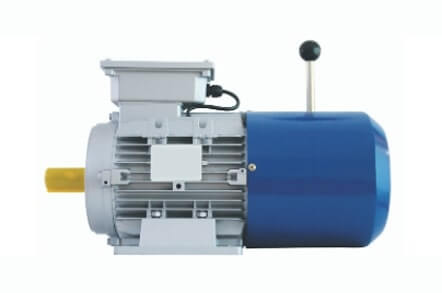
現代の AC モーターには省エネ技術や機能が備わっていますか?
はい、現代のACモーターには、効率を向上させ消費電力を削減するための様々な省エネ技術や機能が組み込まれていることがよくあります。これらの進歩は、エネルギー損失を最小限に抑え、モーターの性能を最適化することを目的としています。現代のACモーターに一般的に搭載されている省エネ技術と機能をいくつかご紹介します。
- 高効率設計: 現代のACモーターは、旧モデルに比べて高い効率基準で設計されていることが多いです。これらのモーターは、先進的な材料と最適化された設計を用いて製造されており、モーター巻線の抵抗損失や摩擦・抗力による機械損失などのエネルギー損失を低減しています。高効率モーターは、入力電力のより高い割合を有用な機械的仕事に変換することで、エネルギーを節約できます。
- プレミアム効率基準: NEMA Premium®やIE(国際効率)などの国際規格や規制では、ACモーターの最低エネルギー効率要件が定められています。プレミアム効率モーターはこれらの基準を満たすか上回り、標準モーターと比較して効率が向上しています。これらのモーターでは、より高い効率レベルを実現するために、コア材料の改良、巻線抵抗の低減、換気システムの最適化といった設計上の改良がしばしば採用されています。
- 可変周波数ドライブ(VFD): VFD(可変速駆動装置)は、モーターに供給される電力の周波数と電圧を調整することで、ACモーターを可変速で動作させる制御装置です。モーターの速度を負荷要件に合わせて調整することで、VFDはエネルギー消費を大幅に削減できます。VFDは、HVACシステム、ポンプ、ファンなど、モーターが長時間にわたって部分負荷で動作するアプリケーションで特に効果的です。
- 効率的なモーター制御アルゴリズム: モーター駆動装置や制御システムに実装された最新のモーター制御アルゴリズムは、モーターの動作を最適化し、エネルギー効率を向上させます。これらのアルゴリズムは、負荷条件に基づいて電圧、周波数、電流などのモーターパラメータを動的に調整することで、エネルギーの無駄を最小限に抑えます。センサレスベクトル制御やベクトル制御(FOC)などの高度な制御技術は、モーターの磁界を精密に制御することで、モーターの性能と効率を向上させます。
- 冷却と換気の改善: 効果的な冷却と換気は、モーターの効率維持に不可欠です。最新のACモーターは、ファン設計の改良、気流管理の改善、換気経路の最適化など、強化された冷却システムを備えていることが多くなっています。効率的な冷却は、モーターの過熱を防ぎ、放熱による損失を低減します。一部のモーターには、過度の温度上昇を回避し、最適な動作状態を確保するための熱監視および保護機構も組み込まれています。
- ベアリングと摩擦低減: ACモーターでは、ベアリングや機械部品における摩擦損失が大きなエネルギー消費につながる可能性があります。現代のモーターでは、シールベアリングや無潤滑ベアリングといった高度なベアリング技術を採用することで、摩擦を低減し、エネルギー損失を最小限に抑えています。さらに、ローターとステーターの設計の最適化、そして製造技術の向上により、機械損失の低減とモーター効率の向上が実現しています。
- 力率改善: 力率は、電力がどれだけ効率的に利用されているかを示す指標です。力率の低いACモーターは、無効電力消費量の増加につながり、電力システム全体の効率を低下させる可能性があります。コンデンサバンクや力率補正コントローラなどの力率補正技術は、力率を改善し、無効電力損失を最小限に抑え、モーターの運転効率を向上させるためによく用いられます。
これらの省エネ技術と機能を導入することで、最新のACモーターはエネルギー効率を大幅に向上させ、消費電力と運用コストを削減できます。ACモーターの使用を検討する際には、認められた効率基準を満たすかそれを超えるモデルを選択し、メーカーまたは専門家に相談して、特定の用途や省エネ要件との適合性を確認することをお勧めします。
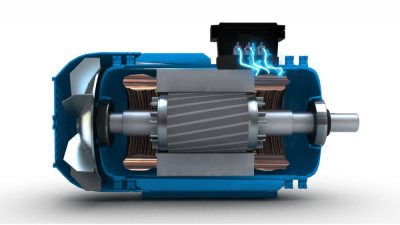
What are the key advantages of using AC motors in industrial applications?
AC motors offer several key advantages that make them highly suitable for industrial applications. Here are some of the main advantages:
- Simple and Robust Design: AC motors, particularly induction motors, have a simple and robust design, making them reliable and easy to maintain. They consist of fewer moving parts compared to other types of motors, which reduces the likelihood of mechanical failure and the need for frequent maintenance.
- Wide Range of Power Ratings: AC motors are available in a wide range of power ratings, from small fractional horsepower motors to large industrial motors with several megawatts of power. This versatility allows for their application in various industrial processes and machinery, catering to different power requirements.
- High Efficiency: AC motors, especially modern designs, offer high levels of efficiency. They convert electrical energy into mechanical energy with minimal energy loss, resulting in cost savings and reduced environmental impact. High efficiency also means less heat generation, contributing to the longevity and reliability of the motor.
- Cost-Effectiveness: AC motors are generally cost-effective compared to other types of motors. Their simple construction and widespread use contribute to economies of scale, making them more affordable for industrial applications. Additionally, AC motors often have lower installation and maintenance costs due to their robust design and ease of operation.
- Flexible Speed Control: AC motors, particularly induction motors, offer various methods for speed control, allowing for precise adjustment of motor speed to meet specific industrial requirements. Speed control mechanisms such as variable frequency drives (VFDs) enable enhanced process control, energy savings, and improved productivity.
- Compatibility with AC Power Grid: AC motors are compatible with the standard AC power grid, which is widely available in industrial settings. This compatibility simplifies the motor installation process and eliminates the need for additional power conversion equipment, reducing complexity and cost.
- Adaptability to Various Environments: AC motors are designed to operate reliably in a wide range of environments. They can withstand variations in temperature, humidity, and dust levels commonly encountered in industrial settings. Additionally, AC motors can be equipped with protective enclosures to provide additional resistance to harsh conditions.
These advantages make AC motors a popular choice for industrial applications across various industries. Their simplicity, reliability, cost-effectiveness, energy efficiency, and speed control capabilities contribute to improved productivity, reduced operational costs, and enhanced process control in industrial settings.


editor by CX 2024-04-03


