
製品説明
製品説明
Elevator Geared Traction Machine
General Information for the Elevator Motor
1. Type: VVVF asynchronous and geared
2. Traction Sheave Location: Optional for right or left
3. Load: 2000KG to 2500KG
4. Speed: 0.5m/s to 2.0m/s
5. Application: For new elevator or elevator modernization
Features for Geared VVVF Asynchronous Elevator Traction Machine
1. High efficiency
2. Stable and low noise
3. High static load capacity
|
モデル |
NV41G |
|
Speed(m/s) |
0.5 – 2 |
|
重さ |
730kg |
|
Suspension |
1:1 |
|
Max.Static Load |
7500kg |
|
Control |
VVVF |
|
Brake |
DC110V 2A |
Product Parameters
|
モデル |
Load |
Lift Speed |
比率 |
Sheave Diam |
Rope Sheave |
Motor Power |
Pole |
|
NV41G |
800 |
1.6 |
59:2 |
Φ620 |
5×Φ13×20 |
12.5 |
4 |
|
NV41G |
800 |
1.75 |
55:2 |
Φ620 |
5×Φ13×20 |
15 |
4 |
|
NV41G |
800 |
2 |
49:2 |
Φ620 |
6×Φ13×20 |
18.5 |
4 |
|
NV41G |
1000 |
1 |
49:1 |
Φ620 |
5×Φ13×20 |
11 |
4 |
|
NV41G |
1000 |
1.6 |
59:2 |
Φ620 |
6×Φ13×20 |
18.5 |
4 |
|
NV41G |
1000 |
1.75 |
55:2 |
Φ620 |
6×Φ13×20 |
18.5 |
4 |
|
NV41G |
1000 |
2 |
49:2 |
Φ620 |
6×Φ13×20 |
18.5 |
4 |
|
NV41G |
1150 |
1 |
49:1 |
Φ620 |
6×Φ13×20 |
15 |
4 |
|
NV41G |
1150 |
1.6 |
59:2 |
Φ620 |
6×Φ13×20 |
18.5 |
4 |
|
NV41G |
1150 |
1.75 |
55:2 |
Φ620 |
6×Φ13×20 |
18.5 |
4 |
|
NV41G |
1150 |
2 |
49:2 |
Φ620 |
6×Φ13×20 |
22 |
4 |
Different Models
The worm geared asynchronous traction machine is combined by coupling to integrate worm reduction gearbox and 3 phase synchronous motor, with underlying worm, double push brake, dual support-stuctured traction sheave, VVVF controlled asynchronous motor and photoelectric encoder for operation status detecting and feedback.
Main Product Catalog
会社概要
Exhibition
Packaging & Shipping
当社を選ぶ理由
/* 2571 年 1 月 22 日 19:08:37 */!function(){function s(e,r){var a,o={};try{e&&e.split(“,”).forEach(function(e,t){e&&(a=e.match(/(.*?):(.*)$/))&&1
| アフターサービス: | オンライン |
|---|---|
| 保証: | 24 Months |
| Type: | Elevator Traction Machine |
| Suitable for: | Elevator |
| Load Capacity: | 2000kg |
| Persons: | 11-20 |
| カスタマイズ: |
利用可能
|
|
|---|
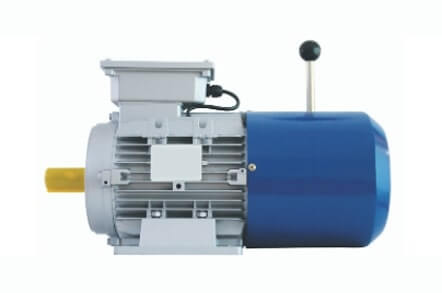
Can AC motors be used in both residential and commercial settings?
Yes, AC motors can be used in both residential and commercial settings. The versatility and wide range of applications of AC motors make them suitable for various environments and purposes.
In residential settings, AC motors are commonly found in household appliances such as refrigerators, air conditioners, washing machines, fans, and pumps. These motors are designed to meet the specific requirements of residential applications, providing reliable and efficient operation for everyday tasks. For example, air conditioners utilize AC motors to drive the compressor and fan, while washing machines use AC motors for agitating and spinning the drum.
In commercial settings, AC motors are extensively used in a wide range of applications across different industries. They power machinery, equipment, and systems that are crucial for commercial operations. Some common examples include:
- Industrial machinery and manufacturing equipment: AC motors drive conveyor belts, pumps, compressors, mixers, fans, blowers, and other machinery used in manufacturing, production, and processing facilities.
- HVAC systems: AC motors are used in commercial heating, ventilation, and air conditioning (HVAC) systems to drive fans, blowers, and pumps for air circulation, cooling, and heating.
- Commercial refrigeration: AC motors are utilized in commercial refrigeration systems for powering compressors, condenser fans, and evaporator fans in supermarkets, restaurants, and cold storage facilities.
- Office equipment: AC motors are present in various office equipment such as printers, photocopiers, scanners, and ventilation systems, ensuring their proper functioning.
- Transportation: AC motors are used in electric vehicles, trams, trains, and other forms of electric transportation systems, providing the necessary propulsion.
- Water and wastewater treatment: AC motors power pumps, mixers, and blowers in water treatment plants, wastewater treatment plants, and pumping stations.
The adaptability, efficiency, and controllability of AC motors make them suitable for a wide range of residential and commercial applications. Whether it’s powering household appliances or driving industrial machinery, AC motors play a vital role in meeting the diverse needs of both residential and commercial settings.
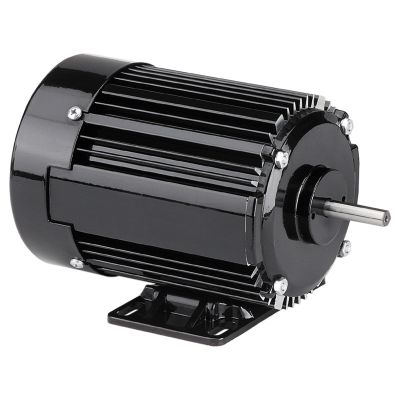
AC モーターは風力タービンなどの再生可能エネルギーシステムで使用できますか?
はい、ACモーターは風力タービンを含む再生可能エネルギーシステムに使用できます。実際、ACモーターは多くの利点があるため、風力タービンの様々な用途で広く使用されています。詳しい説明は以下のとおりです。
1. ジェネレータ: 風力タービンシステムでは、ACモーターが発電機として機能することがよくあります。風力タービンのブレードが回転すると、発電機のローターが駆動され、風の機械エネルギーが電気エネルギーに変換されます。AC発電機は、その効率性、信頼性、そして電力網システムとの互換性から、風力タービンで広く使用されています。
2. 可変速度制御: ACモーターは、風力タービンにとって極めて重要な可変速度制御の利点を備えています。風速は変動するため、エネルギーを最大化するには、ローターの回転速度をそれに応じて調整する必要があります。ACモーターを発電機として使用する場合、出力される電気信号の周波数と電圧を調整することで、変化する風の状況に合わせて回転速度を調整できます。
3. 効率: ACモーターは高い効率で知られており、これは再生可能エネルギーシステムにおいて重要な要素です。風力タービンは、風力エネルギーを可能な限り多く電気エネルギーに変換することを目的としています。特に高効率設計のACモーターは、風力タービンシステム全体のエネルギー変換効率を最大化するのに役立ちます。
4. グリッド統合: ACモーターは、再生可能エネルギーシステムの系統連系に最適です。AC発電機からの電力出力は系統の周波数と電圧に容易に同期できるため、風力タービンシステムを既存の電力網インフラにシームレスに統合できます。これにより、発電された電力を消費者に効率的に供給することが可能になります。
5. 制御と監視: ACモーターは、風力タービンシステムに不可欠な高度な制御・監視機能を備えています。ACモーターをベースとした発電機では、電圧、周波数、出力といった電気パラメータを容易に監視・制御できます。これにより、風力タービンの性能をリアルタイムで監視し、故障を検出し、発電プロセスを最適化することができます。
6. 可用性と標準化: ACモーターは様々なサイズと定格出力で幅広く入手可能であるため、風力タービン用途に容易に利用できます。また、標準化されているため、他のシステムコンポーネントとの互換性が確保され、メンテナンス、修理、交換が容易になります。
風力タービンではACモーターが一般的に使用されていますが、特定の風力タービン設計では、永久磁石同期発電機(PMSG)や二重給電誘導発電機(DFIG)など、他の種類の発電機やモーター技術が利用されていることにも注目すべきです。これらの代替手段にはそれぞれ独自の利点があり、特定の風力タービン構成では好まれる場合があります。
まとめると、ACモーターは風力タービンを含む再生可能エネルギーシステムに確かに使用できます。その効率、可変速制御、系統連系機能、そして高度な制御機能により、ACモーターは風力エネルギーを信頼性と効率性をもって電気エネルギーに変換するのに適した選択肢となります。
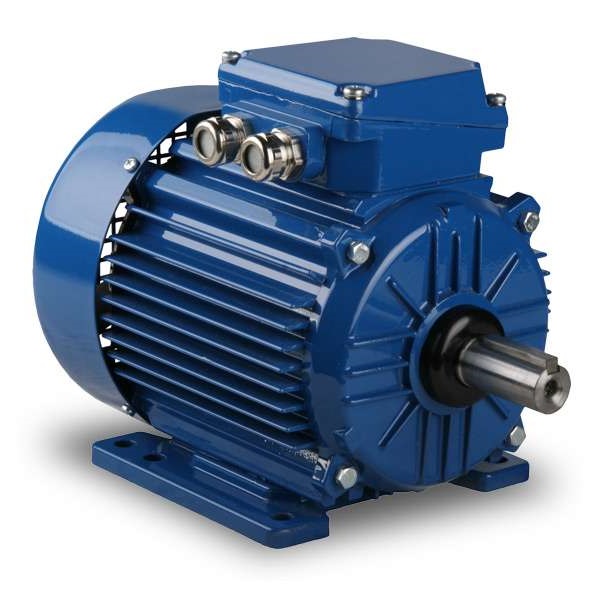
AC モーターとは何ですか? DC モーターとどう違うのですか?
ACモーター(交流モーターとも呼ばれる)は、交流電流で動作する電気モーターの一種です。磁場の相互作用を通じて電気エネルギーを機械エネルギーに変換します。ACモーターは、家電製品から産業機械まで、様々な用途で広く使用されています。ACモーターとは何か、そしてDCモーターとの違いについて詳しく説明します。
ACモーター:
ACモーターは、ステータとローターという2つの主要部品で構成されています。ステータはモーターの固定部分であり、ステータ巻線が内蔵されています。これらの巻線は通常銅線で作られ、交流電流を流すと回転磁界を発生させるように特定の配置で配置されています。一方、ローターはモーターの回転部分であり、通常は導体バーまたはコイルを備えた積層鋼鉄コアで作られています。ローター巻線はシャフトに接続されており、ステータによって生成された回転磁界との相互作用によってローターが回転します。
ACモーターの動作は電磁誘導の原理に基づいています。ステータ巻線にAC電源が供給されると、変化する磁界がローター巻線に電圧を誘導し、さらに磁界が発生します。ステータの回転磁界とローターの磁界の相互作用によってトルクが発生し、ローターが回転します。回転速度はAC電源の周波数とモーターの極数に依存します。
DCモーター:
DCモーター(直流モーターとも呼ばれる)は、直流電流で動作します。トルクを生成するために磁場の相互作用を利用するACモーターとは異なり、DCモーターは整流の原理を利用して回転運動を生み出します。DCモーターは、ACモーターと同様に、ステータとローターで構成されています。ステータにはステータ巻線が巻かれており、ローターはコイルまたは永久磁石を備えた回転アーマチュアで構成されています。
DCモーターでは、ステーター巻線に直流電流を流すと磁界が発生します。ローターは、ブラシと整流子、または電子整流子のいずれかを用いて磁界に整流され、回転を開始します。ローター巻線を流れる電流の方向は連続的に反転し、回転が継続されます。DCモーターの速度は、モーターに印加する電圧を調整するか、電子速度制御方式を用いることで制御できます。
違い:
AC モーターと DC モーターの主な違いは次のとおりです。
- 電源: ACモーターは交流で動作します。交流は、ほとんどの住宅や商業ビルの標準的な電源です。一方、DCモーターは直流を必要とするため、通常は交流を直流に変換する電源が必要です。
- 工事: ACモーターとDCモーターは、ステーターとローターの構造は似ていますが、巻線の設計と配置が異なります。ACモーターは一般的に三相巻線を備えていますが、DCモーターは電機子巻線または永久磁石のいずれかを備えています。
- スピードコントロール: ACモーターは通常、電源周波数と極数によって決まる固定速度で動作します。一方、DCモーターは速度制御の柔軟性が高く、幅広い速度範囲で簡単に調整できます。
- 効率: ACモーターは一般的にDCモーターよりも効率が高いです。ACモーターはより高い電力密度を実現できるため、高出力アプリケーションに適している場合が多いです。一方、DCモーターは速度制御に優れており、精密な速度制御が求められるアプリケーションでよく使用されます。
- 用途: ACモーターは、産業機械、HVACシステム、ポンプ、コンプレッサーなどの用途で広く使用されています。DCモーターは、ロボット工学、電気自動車、コンピューターディスクドライブ、小型家電製品などに使用されています。
結論として、ACモーターとDCモーターは、電源、構造、速度制御、効率、そして用途において異なります。ACモーターは磁場の相互作用を利用して交流で動作しますが、DCモーターは整流を利用して直流で動作します。それぞれのモーターには利点があり、電力要件、速度制御の必要性、効率性などの要素に基づいて、異なる用途に適しています。


editor by CX 2024-04-17


