
製品説明
Car Wiper Motor For MB AC2/3 Truck RH Window Regulator Motor
Description
| Product | Wiper |
| Suitable for: | For MB |
| 保証 | 1 Year |
| OEM NO. | / |
| Size | Standard Size |
| Packing | Neutral/ Customer Design |
私たちについて
Freecars (China) Company Limited was found in 2004, our company is an import and export integrated enterprise specialized in R&D, sales and service of auto parts in China.
We are specialised in the production of spare parts for commercial vehicles for over 15 years. As 1 of the powerful suppliers of commercial vehicle spare parts in the Aftermarket. The complete product range is continually being developed further and provide the trade with the opportunity to meet market demands at all times.
FREECARS and OTTOTEK are 2 brands that Freecars created successively, both of them have agents overseas. We still created some more other brands for auto parts. In 2018, the annual export value grew to 9 million US dollars.
FAQ:
Q1. What is your terms of packing?
答え: Generally the Neutral packing, our colored packing or according to customer’s requirement are all acceptable.
Q2. What’s your minimum order quantity?
答え: In general,MOQ is 50pcs, but different items with different MOQ.
Q3. How about your delivery time?
答え: Generally, if we have goods in stock, 1-3 days are needed.
Otherwise, it will take 30 to 60 days after receiving your advance payment. The specific delivery time depends on the items and the quantity of your order.
Q4. What is your terms of payment?
答え: T/T 30% as deposit, and 70% before delivery. We’ll show you the photos of the products and packages before you pay the balance.
Q5. What is your terms of delivery?
答え: FOB, EXW, CFR, CIF, DDU, DDP, DAP.
Q6. What is your sample policy?
答え: We can supply the sample if we have ready parts in stock, but customers have to pay the sample cost and the courier cost.
Q7: How is your quality control?
答え: We have a professional QC team with the strong sense of responsibility.We maintain tight control over production from raw materials to finish products. Every working procedure is monitored by our specialists to ensure the high quality.
Q8. Do you test all your goods before delivery?
答え: Yes, we test 100% products before delivery to ensure the quality.
Q9: How do you make our business long-term and good relationship?
答え:1. We keep good quality and competitive price to ensure our customers benefit ;
2. We respect every customer as our friend and we sincerely do business and make friends with them, no matter where they come from.
Q10: Where can we have face to face talk with your company about the business?
答え: Auto parts show around the world, and also we warmly welcome your visit to our company.
/* 2571 年 1 月 22 日 19:08:37 */!function(){function s(e,r){var a,o={};try{e&&e.split(“,”).forEach(function(e,t){e&&(a=e.match(/(.*?):(.*)$/))&&1
| 保証: | 1 Year |
|---|---|
| Type: | Chassis |
| Certification: | ISO9001 |
| Driving System Parts: | Frame |
| Electrical System Parts: | Lighting |
| Brake System Parts: | Brake Control |
| カスタマイズ: |
利用可能
|
|
|---|
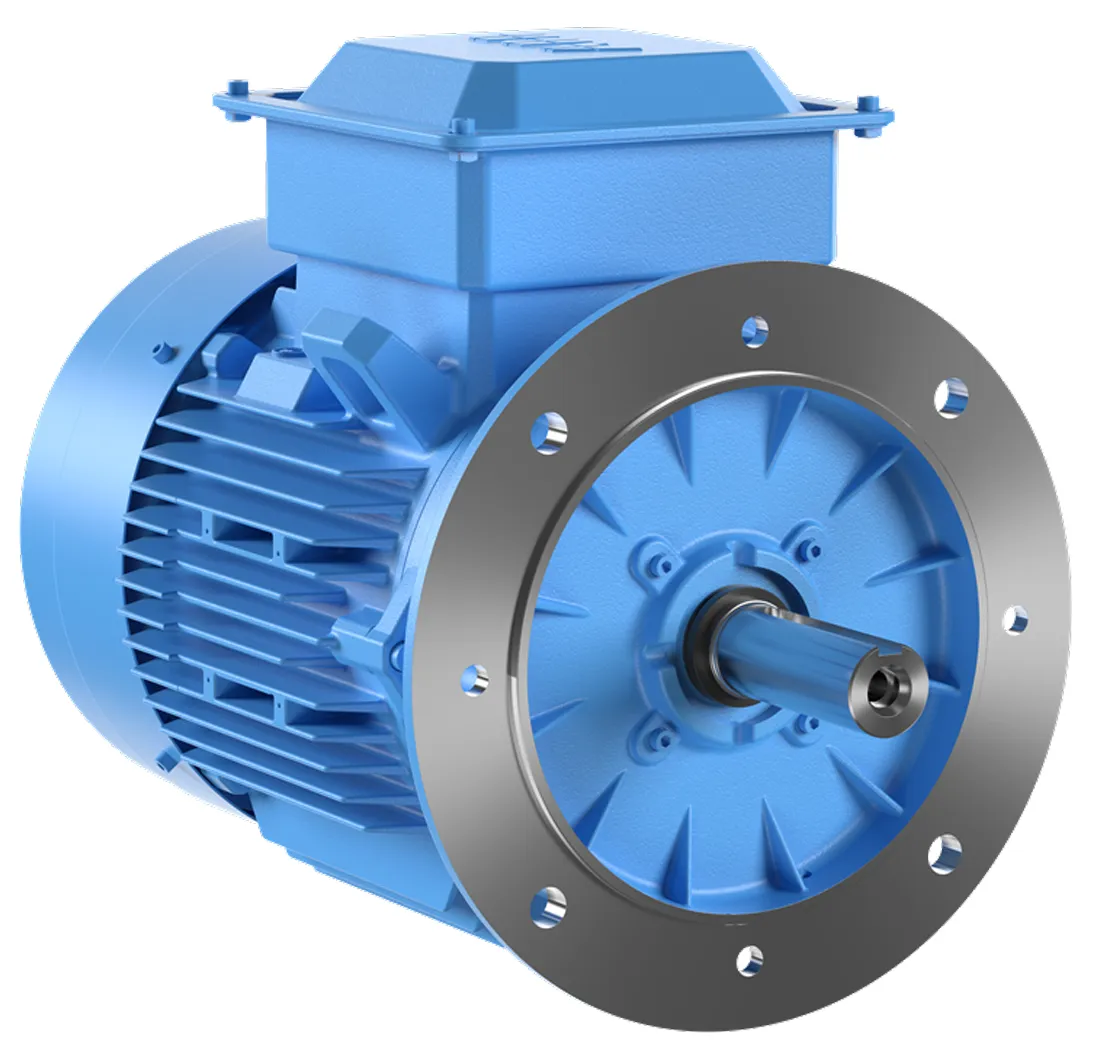
モーター効率の概念とそれが AC モーターとどのように関係するかを説明していただけますか?
モーター効率は、電気モーターが電力を機械力に変換する効率を測る指標です。モーターの有効な出力(機械力)と消費する入力(電力)の比率を表します。効率が高いほど、モーターはより多くの電気エネルギーを有効な機械力に変換し、熱やその他の非効率性によるエネルギー損失を最小限に抑えます。
ACモーターは、家庭用電化製品から産業機械まで、様々な用途で広く使用されているため、効率が特に重要です。ACモーターには、最も一般的な誘導モーターと、電源周波数に同期して一定速度で動作する同期モーターがあります。
AC モーターの効率はいくつかの要因によって影響を受けます。
- モーター設計: モーターの設計、特にコア材料、巻線構成、ローター構造は効率に影響を与えます。低抵抗の巻線、高品質の磁性材料、最適化されたローター設計を採用したモーターは、より高い効率を示す傾向があります。
- モーターサイズ: モーターの物理的なサイズも効率に影響を与える可能性があります。一般的に、モーターが大きいほど効率が高くなります。これは、より効率的に熱を放散し、損失を低減できるためです。ただし、負荷不足による低効率運転を避けるため、アプリケーションの要件に合ったモーターサイズを選択することが重要です。
- 動作条件: 負荷需要、速度、温度などの運転条件は、モーターの効率に影響を与える可能性があります。モーターは通常、定格負荷またはその付近で最大効率になるように設計されます。定格負荷を超えて運転したり、非常に軽い負荷で運転したりすると、効率が低下する可能性があります。さらに、周囲温度が高い場合も、損失が増加し、効率が低下する可能性があります。
- 磁気損失: ACモーターは、コア材料におけるヒステリシス損失や渦電流損失など、磁気効果による損失が発生します。これらの損失は発熱につながり、全体的な効率を低下させます。高品質の磁性材料の使用と最適化されたコア設計によって磁気損失を最小限に抑えるモーター設計は、効率を向上させることができます。
- 機械的摩擦と風損: モーターのベアリング、シャフト、回転部品における摩擦損失と風損も、エネルギー損失と効率低下の一因となります。適切な潤滑、ベアリングの選定、不要な機械抵抗の低減は、これらの損失を最小限に抑えるのに役立ちます。
ACモーターを選択する際には、効率が重要な考慮事項となります。効率はエネルギー消費量と運用コストに直接影響するからです。効率の高いモーターは消費電力が少なく、光熱費の削減と環境負荷の低減につながります。さらに、効率が高いほど発熱量も少なくなるため、モーターの信頼性と寿命が向上します。
国際電気標準会議(IEC)や米国電機工業会(NEMA)などの規制機関や標準化団体は、交流モーターの効率クラスと規格(IE効率クラスやNEMAプレミアム効率規格など)を定めています。これらの規格は、消費者が様々なモーターの効率レベルを比較し、エネルギー効率を最適化するための情報に基づいた選択を行うのに役立ちます。
要約すると、モーター効率とは、ACモーターが電力を機械力にどれだけ効率的に変換するかを示す指標です。より効率の高いモーターを選択することで、ユーザーはエネルギー消費量、運用コスト、そして環境への影響を削減しながら、信頼性と持続性のあるモーター性能を確保できます。
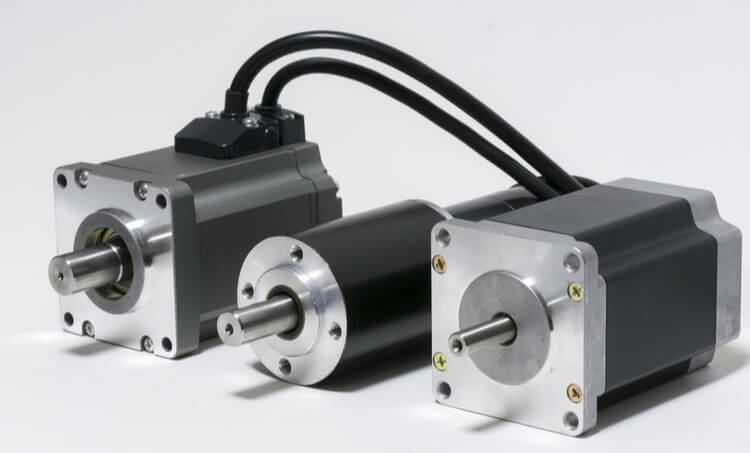
Can you explain the difference between single-phase and three-phase AC motors?
In the realm of AC motors, there are two primary types: single-phase and three-phase motors. These motors differ in their construction, operation, and applications. Let’s explore the differences between single-phase and three-phase AC motors:
- Number of Power Phases: The fundamental distinction between single-phase and three-phase motors lies in the number of power phases they require. Single-phase motors operate using a single alternating current (AC) power phase, while three-phase motors require three distinct AC power phases, typically referred to as phase A, phase B, and phase C.
- Power Supply: Single-phase motors are commonly connected to standard residential or commercial single-phase power supplies. These power supplies deliver a voltage with a sinusoidal waveform, oscillating between positive and negative cycles. In contrast, three-phase motors require a dedicated three-phase power supply, typically found in industrial or commercial settings. Three-phase power supplies deliver three separate sinusoidal waveforms with a specific phase shift between them, resulting in a more balanced and efficient power delivery system.
- Starting Mechanism: Single-phase motors often rely on auxiliary components, such as capacitors or starting windings, to initiate rotation. These components help create a rotating magnetic field necessary for motor startup. Once the motor reaches a certain speed, these auxiliary components may be disconnected or deactivated. Three-phase motors, on the other hand, typically do not require additional starting mechanisms. The three-phase power supply inherently generates a rotating magnetic field, enabling self-starting capability.
- Power and Torque Output: Three-phase motors generally offer higher power and torque output compared to single-phase motors. The balanced nature of three-phase power supply allows for a more efficient distribution of power across the motor windings, resulting in increased performance capabilities. Three-phase motors are commonly used in applications requiring high power demands, such as industrial machinery, pumps, compressors, and heavy-duty equipment. Single-phase motors, with their lower power output, are often used in residential appliances, small commercial applications, and light-duty machinery.
- Efficiency and Smoothness of Operation: Three-phase motors typically exhibit higher efficiency and smoother operation than single-phase motors. The balanced three-phase power supply helps reduce electrical losses and provides a more constant and uniform torque output. This results in improved motor efficiency, reduced vibration, and smoother rotation. Single-phase motors, due to their unbalanced power supply, may experience more pronounced torque variations and slightly lower efficiency.
- Application Suitability: The choice between single-phase and three-phase motors depends on the specific application requirements. Single-phase motors are suitable for powering smaller appliances, such as fans, pumps, household appliances, and small tools. They are commonly used in residential settings where single-phase power is readily available. Three-phase motors are well-suited for industrial and commercial applications that demand higher power levels and continuous operation, including large machinery, conveyors, elevators, air conditioning systems, and industrial pumps.
It’s important to note that while single-phase and three-phase motors have distinct characteristics, there are also hybrid motor designs, such as dual-voltage motors or capacitor-start induction-run (CSIR) motors, which aim to bridge the gap between the two types and offer flexibility in certain applications.
When selecting an AC motor, it is crucial to consider the specific power requirements, available power supply, and intended application to determine whether a single-phase or three-phase motor is most suitable for the task at hand.
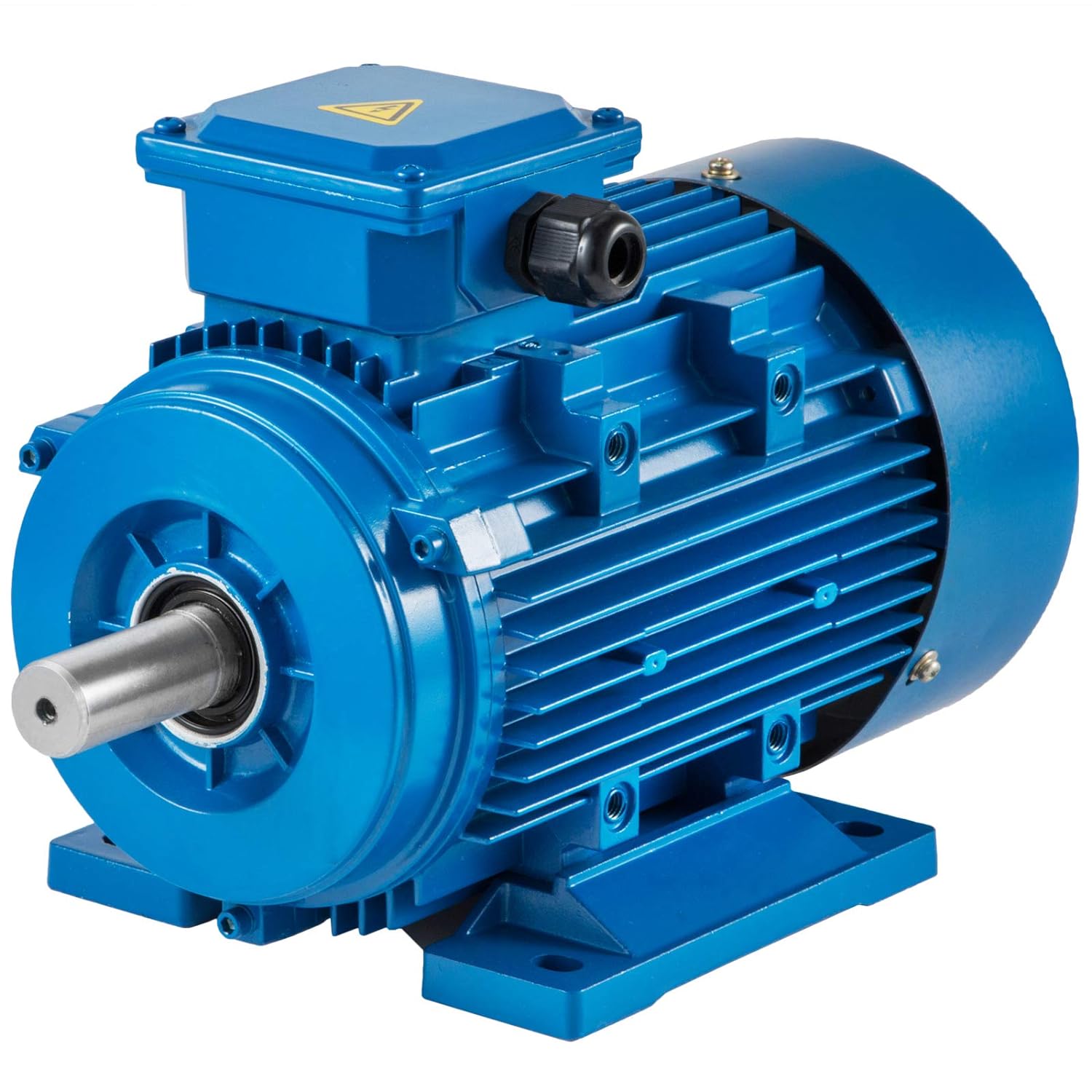
Are there different types of AC motors, and what are their specific applications?
Yes, there are different types of AC motors, each with its own design, characteristics, and applications. The main types of AC motors include:
- Induction Motors: Induction motors are the most commonly used type of AC motor. They are robust, reliable, and suitable for a wide range of applications. Induction motors operate based on the principle of electromagnetic induction. They consist of a stator with stator windings and a rotor with short-circuited conductive bars or coils. The rotating magnetic field produced by the stator windings induces currents in the rotor, creating a magnetic field that interacts with the stator field and generates torque. Induction motors are widely used in industries such as manufacturing, HVAC systems, pumps, fans, compressors, and conveyor systems.
- Synchronous Motors: Synchronous motors are another type of AC motor commonly used in applications that require precise speed control. They operate at synchronous speed, which is determined by the frequency of the AC power supply and the number of motor poles. Synchronous motors have a rotor with electromagnets that are magnetized by direct current, allowing the rotor to lock onto the rotating magnetic field of the stator and rotate at the same speed. Synchronous motors are often used in applications such as industrial machinery, generators, compressors, and large HVAC systems.
- Brushless DC Motors: While the name suggests “DC,” brushless DC motors are actually driven by AC power. They utilize electronic commutation instead of mechanical brushes for switching the current in the motor windings. Brushless DC motors offer high efficiency, low maintenance, and precise control over speed and torque. They are commonly used in applications such as electric vehicles, robotics, computer disk drives, aerospace systems, and consumer electronics.
- Universal Motors: Universal motors are versatile motors that can operate on both AC and DC power. They are designed with a wound stator and a commutator rotor. Universal motors offer high starting torque and can achieve high speeds. They are commonly used in applications such as portable power tools, vacuum cleaners, food mixers, and small appliances.
- Shaded Pole Motors: Shaded pole motors are simple and inexpensive AC motors. They have a single-phase stator and a squirrel cage rotor. Shaded pole motors are characterized by low starting torque and relatively low efficiency. Due to their simple design and low cost, they are commonly used in applications such as small fans, refrigeration equipment, and appliances.
These are some of the main types of AC motors, each with its unique features and applications. The selection of an AC motor type depends on factors such as the required torque, speed control requirements, efficiency, cost, and environmental conditions. Understanding the specific characteristics and applications of each type allows for choosing the most suitable motor for a given application.


editor by CX 2024-04-13


