
Descrizione del prodotto
Customized 6.6KV 1250kW High Voltage Motor AC Electric Motor ABB Three-phase Asynchronous Motor
Products Brief Introduce
The high voltage hot sale submersible electric motor, 6kv and 10kv voltage or on request, are used for windlass, press machines, drawing machines, etc. It has good features: strong power, perfect performance, low noise, slight vibration, reliable running, good appearance, small volume light weight and easy maintenance.
Some Technical Data please check the follows, if you need more, kindly contact us!
|
Basic Data |
||
|
No. |
Brand Name: |
Copartner |
|
1 |
Model Number: |
YX, YXKK, YKS |
|
2 |
Tipo: |
Induction Motor |
|
3 |
Struttura: |
Asynchronous Motor |
|
4 |
Place of Origin: |
ZheJiang , China (mainland) |
|
5 |
Insulation Class: |
Class B/F/H |
|
6 |
Frequency: |
50HZ |
|
7 |
Efficienza: |
IE2 & IE3 |
|
8 |
Output Power: |
185KW-5000KW |
|
9 |
Phase: |
Three Phase |
|
10 |
Pole: |
2P, 4P, 6P, 8P, 10P, 12P |
|
11 |
Wire: |
100% copper |
|
12 |
Protection Class: |
IP44/IP54 |
|
13 |
Cooling Method: |
IC411,IC416,IC01,IC611, IC616, IC666 |
|
14 |
Duty: |
S1 (continuous) |
|
15 |
Certification: |
ISO, SABS, CE |
|
16 |
Protect Feature: |
Totally Enclosed |
|
17 |
AC Voltage: |
3300V, 6000V, 6600V, 10000V or on request |
|
18 |
Ambient temperature: |
-15°C≤0≤40°C |
|
19 |
Altitude: |
Not exceed 1000m |
|
20 |
Mounting Type: |
B3, B5, B35, etc |
|
21 |
Standard: |
Confirm to IEC international standard |
|
22 |
Installation: |
we will send detailed instructions together with the Motors |
|
23 |
Packaging Details: |
Packed with export requirement protect the motors and convenient for transport. |
|
24 |
Delivery Details: |
25-30 Days |
/* 22 gennaio 2571 19:08:37 */!function(){function s(e,r){var a,o={};try{e&&e.split(“,”).forEach(function(e,t){e&&(a=e.match(/(.*?):(.*)$/))&&1
| Applicazione: | Industriale |
|---|---|
| Velocità operativa: | Ad alta velocità |
| Numero di statore: | Trifase |
| Specie: | Y, Y2 Series Three-Phase |
| Struttura del rotore: | Gabbia per scoiattoli |
| Protezione dell'involucro: | Tipo di protezione |
| Campioni: |
US$ 58/Piece
1 pezzo (ordine minimo) | |
|---|
| Personalizzazione: |
Disponibile
|
|
|---|
Are there specific maintenance requirements for AC motors to ensure optimal performance?
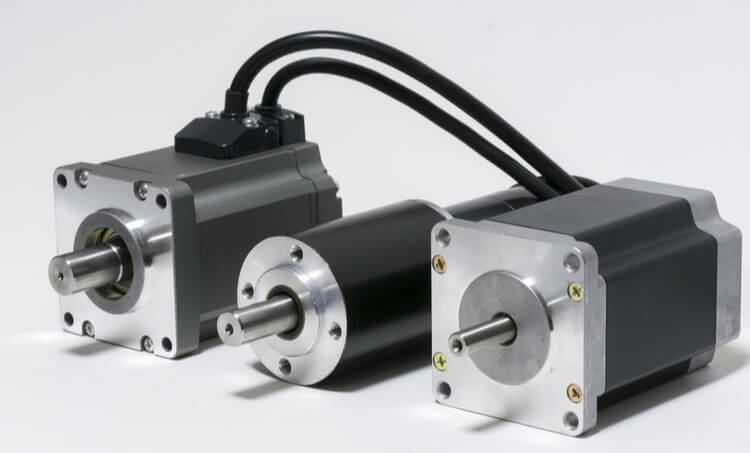
Yes, AC motors have specific maintenance requirements to ensure their optimal performance and longevity. Regular maintenance helps prevent unexpected failures, maximizes efficiency, and extends the lifespan of the motor. Here are some key maintenance practices for AC motors:
- Cleaning and Inspection: Regularly clean the motor to remove dust, dirt, and debris that can accumulate on the motor surfaces and hinder heat dissipation. Inspect the motor for any signs of damage, loose connections, or abnormal noise/vibration. Address any issues promptly to prevent further damage.
- Lubrication: Check the motor’s lubrication requirements and ensure proper lubrication of bearings, gears, and other moving parts. Insufficient or excessive lubrication can lead to increased friction, overheating, and premature wear. Follow the manufacturer’s guidelines for lubrication intervals and use the recommended lubricants.
- Belt and Pulley Maintenance: If the motor is coupled with a belt and pulley system, regularly inspect and adjust the tension of the belts. Improper belt tension can affect motor performance and efficiency. Replace worn-out belts and damaged pulleys as needed.
- Cooling System Maintenance: AC motors often have cooling systems such as fans or heat sinks to dissipate heat generated during operation. Ensure that these cooling systems are clean and functioning properly. Remove any obstructions that may impede airflow and compromise cooling efficiency.
- Electrical Connections: Regularly inspect the motor’s electrical connections for signs of loose or corroded terminals. Loose connections can lead to voltage drops, increased resistance, and overheating. Tighten or replace any damaged connections and ensure proper grounding.
- Vibration Analysis: Periodically perform vibration analysis on the motor to detect any abnormal vibrations. Excessive vibration can indicate misalignment, unbalanced rotors, or worn-out bearings. Address the underlying causes of vibration to prevent further damage and ensure smooth operation.
- Motor Testing: Conduct regular motor testing, such as insulation resistance testing and winding resistance measurement, to assess the motor’s electrical condition. These tests can identify insulation breakdown, winding faults, or other electrical issues that may affect motor performance and reliability.
- Professional Maintenance: For more complex maintenance tasks or when dealing with large industrial motors, it is advisable to involve professional technicians or motor specialists. They have the expertise and tools to perform in-depth inspections, repairs, and preventive maintenance procedures.
It’s important to note that specific maintenance requirements may vary depending on the motor type, size, and application. Always refer to the manufacturer’s guidelines and recommendations for the particular AC motor in use. By following proper maintenance practices, AC motors can operate optimally, minimize downtime, and have an extended service life.
What are the common signs of AC motor failure, and how can they be addressed?
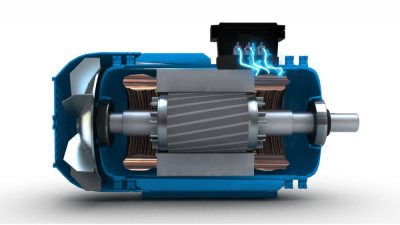
AC motor failure can lead to disruptions in various industrial and commercial applications. Recognizing the common signs of motor failure is crucial for timely intervention and preventing further damage. Here are some typical signs of AC motor failure and potential ways to address them:
- Excessive Heat: Excessive heat is a common indicator of motor failure. If a motor feels excessively hot to the touch or emits a burning smell, it could signify issues such as overloaded windings, poor ventilation, or bearing problems. To address this, first, ensure that the motor is properly sized for the application. Check for obstructions around the motor that may be impeding airflow and causing overheating. Clean or replace dirty or clogged ventilation systems. If the issue persists, consult a qualified technician to inspect the motor windings and bearings and make any necessary repairs or replacements.
- Abnormal Noise or Vibration: Unusual noises or vibrations coming from an AC motor can indicate various problems. Excessive noise may be caused by loose or damaged components, misaligned shafts, or worn bearings. Excessive vibration can result from imbalanced rotors, misalignment, or worn-out motor parts. Addressing these issues involves inspecting and adjusting motor components, ensuring proper alignment, and replacing damaged or worn-out parts. Regular maintenance, including lubrication of bearings, can help prevent excessive noise and vibration and extend the motor’s lifespan.
- Intermittent Operation: Intermittent motor operation, where the motor starts and stops unexpectedly or fails to start consistently, can be a sign of motor failure. This can be caused by issues such as faulty wiring connections, damaged or worn motor brushes, or problems with the motor’s control circuitry. Check for loose or damaged wiring connections and make any necessary repairs. Inspect and replace worn or damaged motor brushes. If the motor still exhibits intermittent operation, it may require professional troubleshooting and repair by a qualified technician.
- Overheating or Tripping of Circuit Breakers: If an AC motor consistently causes circuit breakers to trip or if it repeatedly overheats, it indicates a problem that needs attention. Possible causes include high starting currents, excessive loads, or insulation breakdown. Verify that the motor is not overloaded and that the load is within the motor’s rated capacity. Check the motor’s insulation resistance to ensure it is within acceptable limits. If these measures do not resolve the issue, consult a professional to assess the motor and its electrical connections for any faults or insulation breakdown that may require repair or replacement.
- Decreased Performance or Efficiency: A decline in motor performance or efficiency can be an indication of impending failure. This may manifest as reduced speed, decreased torque, increased energy consumption, or inadequate power output. Factors contributing to decreased performance can include worn bearings, damaged windings, or deteriorated insulation. Regular maintenance, including lubrication and cleaning, can help prevent these issues. If performance continues to decline, consult a qualified technician to inspect the motor and perform any necessary repairs or replacements.
- Inoperative Motor: If an AC motor fails to operate entirely, there may be an issue with the power supply, control circuitry, or internal motor components. Check the power supply and connections for any faults or interruptions. Inspect control circuitry, such as motor starters or contactors, for any damage or malfunction. If no external faults are found, it may be necessary to dismantle the motor and inspect internal components, such as windings or brushes, for any faults or failures that require repair or replacement.
It’s important to note that motor failure causes can vary depending on factors such as motor type, operating conditions, and maintenance practices. Regular motor maintenance, including inspections, lubrication, and cleaning, is essential for early detection of potential failure signs and for addressing issues promptly. When in doubt, it is advisable to consult a qualified electrician, motor technician, or manufacturer’s guidelines for appropriate troubleshooting and repair procedures specific to the motor model and application.
Esistono diversi tipi di motori a corrente alternata e quali sono le loro applicazioni specifiche?
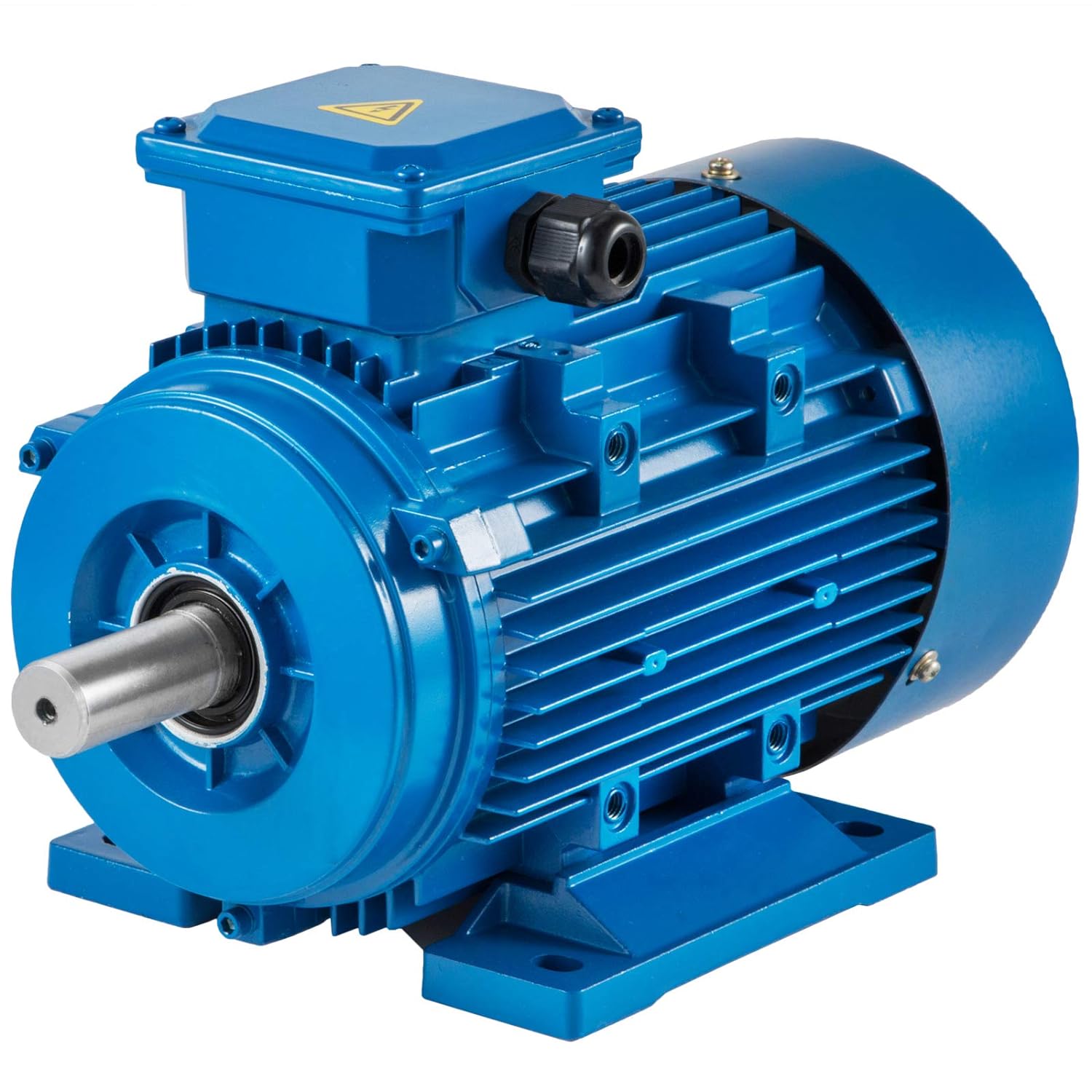
Sì, esistono diversi tipi di motori a corrente alternata, ognuno con design, caratteristiche e applicazioni specifiche. I principali tipi di motori a corrente alternata includono:
- Motori a induzione: I motori a induzione sono il tipo di motore a corrente alternata più comunemente utilizzato. Sono robusti, affidabili e adatti a un'ampia gamma di applicazioni. I motori a induzione funzionano basandosi sul principio dell'induzione elettromagnetica. Sono costituiti da uno statore con avvolgimenti statorici e da un rotore con barre o bobine conduttive cortocircuitate. Il campo magnetico rotante prodotto dagli avvolgimenti statorici induce correnti nel rotore, creando un campo magnetico che interagisce con il campo statorico e genera coppia. I motori a induzione sono ampiamente utilizzati in settori quali la produzione, i sistemi HVAC, le pompe, i ventilatori, i compressori e i sistemi di trasporto.
- Motori sincroni: I motori sincroni sono un altro tipo di motore a corrente alternata comunemente utilizzato in applicazioni che richiedono un controllo preciso della velocità. Funzionano a velocità sincrona, determinata dalla frequenza dell'alimentazione a corrente alternata e dal numero di poli del motore. I motori sincroni hanno un rotore con elettromagneti magnetizzati dalla corrente continua, che consente al rotore di agganciarsi al campo magnetico rotante dello statore e ruotare alla stessa velocità. I motori sincroni sono spesso utilizzati in applicazioni come macchinari industriali, generatori, compressori e grandi sistemi HVAC.
- Motori CC senza spazzole: Sebbene il nome suggerisca "CC", i motori CC brushless sono in realtà azionati da corrente alternata. Utilizzano la commutazione elettronica anziché le spazzole meccaniche per commutare la corrente negli avvolgimenti del motore. I motori CC brushless offrono elevata efficienza, bassa manutenzione e un controllo preciso di velocità e coppia. Sono comunemente utilizzati in applicazioni come veicoli elettrici, robotica, unità disco per computer, sistemi aerospaziali ed elettronica di consumo.
- Motori universali: I motori universali sono motori versatili che possono funzionare sia con corrente alternata che continua. Sono progettati con uno statore avvolto e un rotore commutatore. I motori universali offrono un'elevata coppia di spunto e possono raggiungere velocità elevate. Sono comunemente utilizzati in applicazioni come utensili elettrici portatili, aspirapolvere, robot da cucina e piccoli elettrodomestici.
- Motori a poli schermati: I motori a poli schermati sono motori a corrente alternata semplici ed economici. Hanno uno statore monofase e un rotore a gabbia di scoiattolo. I motori a poli schermati sono caratterizzati da una bassa coppia di spunto e da un'efficienza relativamente bassa. Grazie alla loro semplicità costruttiva e al basso costo, sono comunemente utilizzati in applicazioni come piccoli ventilatori, apparecchiature di refrigerazione ed elettrodomestici.
Questi sono alcuni dei principali tipi di motori a corrente alternata, ognuno con le sue caratteristiche e applicazioni uniche. La scelta di un tipo di motore a corrente alternata dipende da fattori quali la coppia richiesta, i requisiti di controllo della velocità, l'efficienza, il costo e le condizioni ambientali. Comprendere le caratteristiche e le applicazioni specifiche di ciascun tipo consente di scegliere il motore più adatto per una determinata applicazione.


editor by CX 2024-04-09


