
Descrizione del prodotto
We, GOGOGO Mechanical&Electrical Co.,Ltd specialize in high quality energy-efficient electric motors. The combination of the best available materials, high quality sheet metal and the right amount of copper in the rotor/stator makes GOGOGO’s electric motors highly energy-efficient.
We design our electric motors to fit and match our customer’s requirements at our production site. The electric motors can be supplemented with a range of options and accessories or modified with a special design to endure any environment.
Electric motors account for a large part of the electricity used. If we look at the world, electric motors account for about 65 percent of the electricity used in industry. To reduce this use of electricity, there are legal requirements regarding the efficiency of electric motors manufactured in the EU, or exported into the EU.
Three-phase, single-speed asynchronous motors are covered by the requirements today. Asynchronous motors are the most common type of motor and account for 90 percent of the electricity consumption of all electric motors in the power range 0.75 – 375 kW.
According to that standard, the energy efficiency classes have the designations IE1, IE2, IE3 and IE4, where IE4 has the highest efficiency.
Revision of the standard
A revision of the standard was decided by the Ecodesign Committee in 2019. The revision was published on October 1, 2019. The following will apply:
For electric motors
From July 1, 2571
2-, 4-, 6- and 8-pole motors from 0.75 – 1000 kW (previously up to 375kW) are included in efficiency class IE3.
Motors within the range 0.12 – 0.75 kW must meet efficiency class IE2.
The previous possibility to replace IE3 motors with an IE2 motor with frequency drive disappears.
From July 1, 2571
For 2-, 4-, 6- and 8-pole motors from 0.12 – 1000 kW, the efficiency class IE2 now also applies to Ex eb certified motors with high safety.
Single phase motors with greater power than 0.12 kW are covered by the corresponding IE2 class.
The higher efficiency class IE4 applies to 2, 4 and 6-pole motors between 75 – 200 kW.
For frequency inverters
From July 1, 2571
For use with electric motors with power from 0.12 – 1000 kW, the frequency inverter must pass efficiency class IE2 specially designed for inverters.
Current requirements according to the Directive
Since 16 June, 2011 it is prohibited to place electric motors below energy efficiency class IE2 on the market, or to put them into service in the EU.
Since January 1, 2015, electric motors within the range 7.5 – 375 kW (2-, 4-, and 6-pole) must meet the requirements for IE3, or IE2 if the latter is combined with frequency inverters for speed control. The legal requirement thus provides 2 options.
From January 1, 2017, the requirements were tightened so that all motors 0.75 – 375 kW (2-, 4-, and 6-pole) must meet the requirements for IE3, or IE2 if they are combined with frequency inverters.
Exemptions from the current directive
- Operation other than S1 (continuous drive) or S3 (intermittent drive) with a nominal cyclicity factor of 80 percent or lower.
- Made for assembly with frequency inverters (integral motors).
- Electric motors made for use in liquid.
- Electric motors that are fully integrated into a product (e.g. a gear, pump, fan or compressor) where the energy performance is not tested independently of the product.
- Brake motors
Electric motors intended for operation exclusively:
- At altitudes exceeding 4 000 CHINAMFG above sea level.
- If ambient air temperatures exceed 60°C.
- Where maximum operating temperature exceeds 400°C.
- Where ambient air temperatures are less than -30°C for all motors, or less than 0°C for motors with water cooling.
- In explosive atmospheres (as defined in Directive 94/9 / EC 9)
The requirements do not apply to ships or other means of transport that carry goods or persons, since there must be specially designed engines for this purpose. (If the same mobile conveyor belt is used on ships as well as on land, the rules apply).
Also, the requirements do not apply to repair of motors previously placed on the market, or put into service – unless the repair is so extensive that the product will in practice be brand new.
If the motor is to be further exported for use outside Europe, the requirements do not apply.
Some other requirements apply to water-cooled motors
We have our own design and development team, we can provide customers with standard AC electric motors, We can also customize the single phase/three phase motors according to the special needs of customers. Currently our main motor products cover 3 – phase high – efficiency motors,general 3 – phase motors, single phase motors, etc.
The main motor ranges: IE3 / YE3, IE2 / YE2, IE1 / Y2, Y, YS, MS, YC, YL, YY, MC, MY, ML motors.
American standard NEMA motors
Russian standard GOST ANP motors
ZheJiang type AEEF motors,YC motors
Why choose us?
Guarantee of our motors:18-24months
General elivery time:15-30days
Price of motors: Most reasonable during your all suppliers
Packing:Strong export cartons/wooden case/plywood cases/pallets
Payment way with your order: T/T,LC,DP,etc
Sample order: Acceptable
Shipment way: Sea ship,Air flight,Express way,Land transfer way.
If you are looking for new better supplier or purchase electric motors, please feel free contact us now.You will get all what you want. /* 22 gennaio 2571 19:08:37 */!function(){function s(e,r){var a,o={};try{e&&e.split(“,”).forEach(function(e,t){e&&(a=e.match(/(.*?):(.*)$/))&&1
| Applicazione: | Industriale |
|---|---|
| Velocità: | Velocità costante |
| Numero di statore: | Trifase |
| Funzione: | Driving, Control |
| Protezione dell'involucro: | Tipo chiuso |
| Numero di poli: | 2 |
| Campioni: |
US$ 30/Piece
1 pezzo (ordine minimo) | |
|---|
| Personalizzazione: |
Disponibile
|
|
|---|
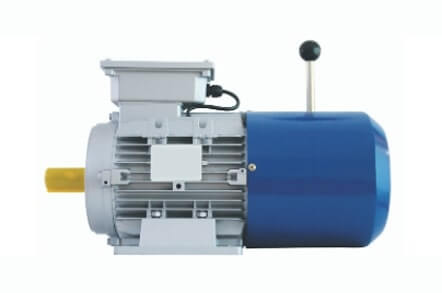
I motori a corrente alternata possono essere utilizzati sia in ambienti residenziali che commerciali?
Sì, i motori a corrente alternata possono essere utilizzati sia in ambito residenziale che commerciale. La versatilità e l'ampia gamma di applicazioni dei motori a corrente alternata li rendono adatti a vari ambienti e scopi.
In ambito residenziale, i motori a corrente alternata sono comunemente presenti in elettrodomestici come frigoriferi, condizionatori, lavatrici, ventilatori e pompe. Questi motori sono progettati per soddisfare i requisiti specifici delle applicazioni residenziali, garantendo un funzionamento affidabile ed efficiente per le attività quotidiane. Ad esempio, i condizionatori utilizzano motori a corrente alternata per azionare il compressore e la ventola, mentre le lavatrici utilizzano motori a corrente alternata per agitare e centrifugare il cestello.
In ambito commerciale, i motori a corrente alternata sono ampiamente utilizzati in un'ampia gamma di applicazioni in diversi settori. Alimentano macchinari, attrezzature e sistemi essenziali per le attività commerciali. Alcuni esempi comuni includono:
- Macchinari industriali e attrezzature di produzione: i motori a corrente alternata azionano nastri trasportatori, pompe, compressori, miscelatori, ventilatori, soffianti e altri macchinari utilizzati negli impianti di produzione, lavorazione e trasformazione.
- Sistemi HVAC: i motori a corrente alternata vengono utilizzati nei sistemi di riscaldamento, ventilazione e condizionamento dell'aria (HVAC) commerciali per azionare ventole, soffianti e pompe per la circolazione, il raffreddamento e il riscaldamento dell'aria.
- Refrigerazione commerciale: i motori a corrente alternata vengono utilizzati nei sistemi di refrigerazione commerciale per alimentare compressori, ventole del condensatore e ventole dell'evaporatore in supermercati, ristoranti e celle frigorifere.
- Apparecchiature per ufficio: i motori a corrente alternata sono presenti in varie apparecchiature per ufficio, come stampanti, fotocopiatrici, scanner e sistemi di ventilazione, garantendone il corretto funzionamento.
- Trasporti: i motori a corrente alternata vengono utilizzati nei veicoli elettrici, nei tram, nei treni e in altre forme di sistemi di trasporto elettrico, fornendo la propulsione necessaria.
- Trattamento delle acque e delle acque reflue: i motori a corrente alternata alimentano pompe, miscelatori e soffianti negli impianti di trattamento delle acque, negli impianti di trattamento delle acque reflue e nelle stazioni di pompaggio.
L'adattabilità, l'efficienza e la controllabilità dei motori a corrente alternata li rendono adatti a un'ampia gamma di applicazioni residenziali e commerciali. Che si tratti di alimentare elettrodomestici o di azionare macchinari industriali, i motori a corrente alternata svolgono un ruolo fondamentale nel soddisfare le diverse esigenze di ambienti residenziali e commerciali.
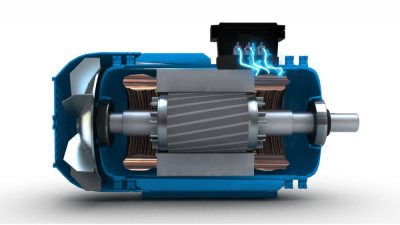
What are the common signs of AC motor failure, and how can they be addressed?
AC motor failure can lead to disruptions in various industrial and commercial applications. Recognizing the common signs of motor failure is crucial for timely intervention and preventing further damage. Here are some typical signs of AC motor failure and potential ways to address them:
- Excessive Heat: Excessive heat is a common indicator of motor failure. If a motor feels excessively hot to the touch or emits a burning smell, it could signify issues such as overloaded windings, poor ventilation, or bearing problems. To address this, first, ensure that the motor is properly sized for the application. Check for obstructions around the motor that may be impeding airflow and causing overheating. Clean or replace dirty or clogged ventilation systems. If the issue persists, consult a qualified technician to inspect the motor windings and bearings and make any necessary repairs or replacements.
- Abnormal Noise or Vibration: Unusual noises or vibrations coming from an AC motor can indicate various problems. Excessive noise may be caused by loose or damaged components, misaligned shafts, or worn bearings. Excessive vibration can result from imbalanced rotors, misalignment, or worn-out motor parts. Addressing these issues involves inspecting and adjusting motor components, ensuring proper alignment, and replacing damaged or worn-out parts. Regular maintenance, including lubrication of bearings, can help prevent excessive noise and vibration and extend the motor’s lifespan.
- Intermittent Operation: Intermittent motor operation, where the motor starts and stops unexpectedly or fails to start consistently, can be a sign of motor failure. This can be caused by issues such as faulty wiring connections, damaged or worn motor brushes, or problems with the motor’s control circuitry. Check for loose or damaged wiring connections and make any necessary repairs. Inspect and replace worn or damaged motor brushes. If the motor still exhibits intermittent operation, it may require professional troubleshooting and repair by a qualified technician.
- Overheating or Tripping of Circuit Breakers: If an AC motor consistently causes circuit breakers to trip or if it repeatedly overheats, it indicates a problem that needs attention. Possible causes include high starting currents, excessive loads, or insulation breakdown. Verify that the motor is not overloaded and that the load is within the motor’s rated capacity. Check the motor’s insulation resistance to ensure it is within acceptable limits. If these measures do not resolve the issue, consult a professional to assess the motor and its electrical connections for any faults or insulation breakdown that may require repair or replacement.
- Decreased Performance or Efficiency: A decline in motor performance or efficiency can be an indication of impending failure. This may manifest as reduced speed, decreased torque, increased energy consumption, or inadequate power output. Factors contributing to decreased performance can include worn bearings, damaged windings, or deteriorated insulation. Regular maintenance, including lubrication and cleaning, can help prevent these issues. If performance continues to decline, consult a qualified technician to inspect the motor and perform any necessary repairs or replacements.
- Inoperative Motor: If an AC motor fails to operate entirely, there may be an issue with the power supply, control circuitry, or internal motor components. Check the power supply and connections for any faults or interruptions. Inspect control circuitry, such as motor starters or contactors, for any damage or malfunction. If no external faults are found, it may be necessary to dismantle the motor and inspect internal components, such as windings or brushes, for any faults or failures that require repair or replacement.
It’s important to note that motor failure causes can vary depending on factors such as motor type, operating conditions, and maintenance practices. Regular motor maintenance, including inspections, lubrication, and cleaning, is essential for early detection of potential failure signs and for addressing issues promptly. When in doubt, it is advisable to consult a qualified electrician, motor technician, or manufacturer’s guidelines for appropriate troubleshooting and repair procedures specific to the motor model and application.
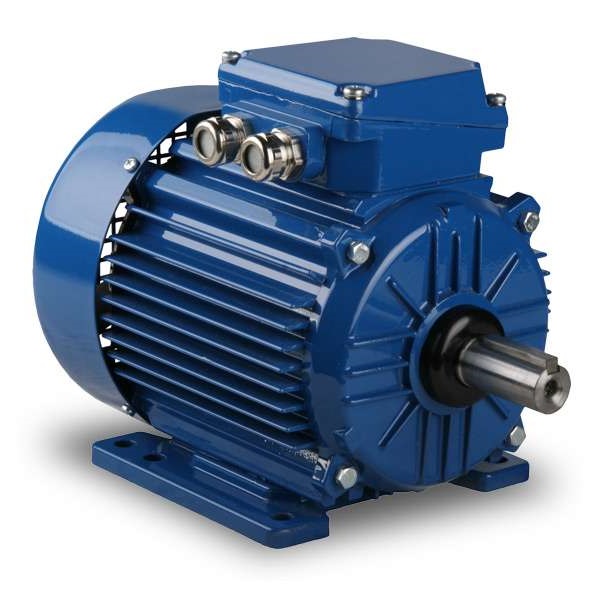
Cos'è un motore a corrente alternata e in cosa differisce da un motore a corrente continua?
Un motore a corrente alternata (CA), noto anche come motore a corrente alternata, è un tipo di motore elettrico che funziona a corrente alternata. Converte l'energia elettrica in energia meccanica attraverso l'interazione di campi magnetici. I motori a corrente alternata sono ampiamente utilizzati in varie applicazioni, che vanno dagli elettrodomestici ai macchinari industriali. Ecco una spiegazione dettagliata di cos'è un motore a corrente alternata e in cosa differisce da un motore a corrente continua:
Motore a corrente alternata:
Un motore a corrente alternata è costituito da due componenti principali: lo statore e il rotore. Lo statore è la parte fissa del motore e contiene gli avvolgimenti statorici. Questi avvolgimenti sono tipicamente realizzati in filo di rame e sono disposti in configurazioni specifiche per creare un campo magnetico rotante quando alimentati da una corrente alternata. Il rotore, invece, è la parte rotante del motore ed è tipicamente costituito da nuclei di acciaio laminato con barre o bobine conduttrici. Gli avvolgimenti del rotore sono collegati a un albero e la loro interazione con il campo magnetico rotante prodotto dallo statore determina la rotazione del rotore.
Il funzionamento di un motore a corrente alternata si basa sui principi dell'induzione elettromagnetica. Quando gli avvolgimenti dello statore vengono alimentati da una fonte di alimentazione a corrente alternata, il campo magnetico variabile induce una tensione negli avvolgimenti del rotore, che a sua volta crea un campo magnetico. L'interazione tra il campo magnetico rotante dello statore e il campo magnetico del rotore produce una coppia, che fa ruotare il rotore. La velocità di rotazione dipende dalla frequenza dell'alimentazione a corrente alternata e dal numero di poli del motore.
Motore CC:
Un motore a corrente continua (CC), noto anche come motore a corrente continua, funziona a corrente continua. A differenza di un motore a corrente alternata (CA), che si basa sull'interazione dei campi magnetici per generare coppia, un motore a corrente continua (CC) utilizza il principio della commutazione per produrre movimento rotatorio. Un motore a corrente continua è costituito da uno statore e un rotore, in modo simile a un motore a corrente alternata. Lo statore contiene gli avvolgimenti dello statore, mentre il rotore è costituito da un'indotto rotante con bobine o magneti permanenti.
In un motore a corrente continua, quando una corrente continua viene applicata agli avvolgimenti dello statore, si crea un campo magnetico. Il rotore, tramite l'uso di spazzole e un commutatore o tramite commutazione elettronica, si allinea con il campo magnetico e inizia a ruotare. La direzione della corrente negli avvolgimenti del rotore viene continuamente invertita per garantire una rotazione continua. La velocità di un motore a corrente continua può essere controllata regolando la tensione applicata al motore o utilizzando metodi di controllo elettronico della velocità.
Differenze:
Le principali differenze tra motori a corrente alternata e motori a corrente continua sono le seguenti:
- Fonte di alimentazione: I motori a corrente alternata (CA) funzionano a corrente alternata, che è l'alimentazione standard nella maggior parte degli edifici residenziali e commerciali. I motori a corrente continua (CC), invece, richiedono corrente continua e in genere necessitano di un alimentatore che converta la corrente alternata in corrente continua.
- Costruzione: I motori a corrente alternata e a corrente continua hanno una struttura simile con statori e rotori, ma il design e la disposizione degli avvolgimenti differiscono. I motori a corrente alternata hanno generalmente avvolgimenti trifase, mentre i motori a corrente continua possono avere avvolgimenti di indotto o magneti permanenti.
- Controllo della velocità: I motori a corrente alternata (CA) funzionano in genere a velocità fisse, determinate dalla frequenza di alimentazione e dal numero di poli. I motori a corrente continua (CC), invece, offrono maggiore flessibilità nel controllo della velocità e possono essere facilmente regolati su un'ampia gamma di velocità.
- Efficienza: I motori a corrente alternata (CA) sono generalmente più efficienti dei motori a corrente continua (CC). I motori a corrente alternata possono raggiungere densità di potenza più elevate e sono spesso più adatti ad applicazioni ad alta potenza. I motori a corrente continua, tuttavia, offrono un migliore controllo della velocità e sono comunemente utilizzati in applicazioni che richiedono una regolazione precisa della velocità.
- Applicazioni: I motori a corrente alternata (CA) sono ampiamente utilizzati in applicazioni quali macchinari industriali, sistemi HVAC, pompe e compressori. I motori a corrente continua trovano applicazione nella robotica, nei veicoli elettrici, nelle unità disco dei computer e nei piccoli elettrodomestici.
In conclusione, i motori a corrente alternata e a corrente continua differiscono per fonte di alimentazione, struttura, controllo della velocità, efficienza e applicazioni. I motori a corrente alternata sfruttano l'interazione dei campi magnetici e funzionano a corrente alternata, mentre i motori a corrente continua sfruttano la commutazione e funzionano a corrente continua. Ogni tipo di motore presenta i suoi vantaggi ed è adatto a diverse applicazioni in base a fattori quali requisiti di potenza, esigenze di controllo della velocità e considerazioni di efficienza.


editor by CX 2024-04-02


