
Deskripsi Produk
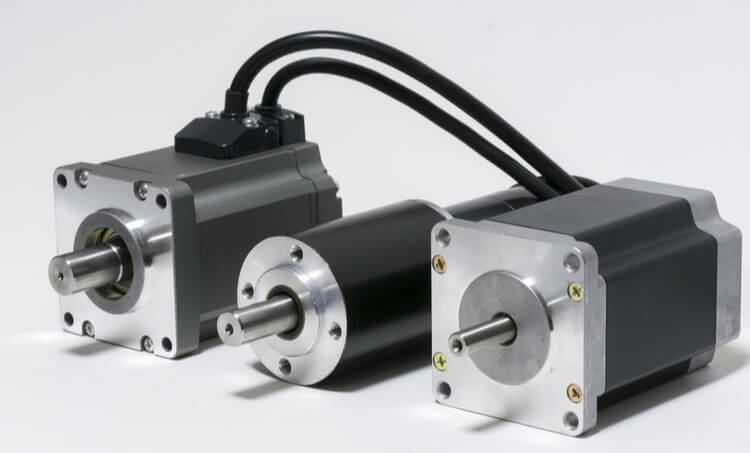
High speed nema24 48V AC 4; Cel: ;
FAQ:
1. Factory or trader?
We are factory, and have professional R&D team as introduced in company information.
2. How about the delivery?
– Sample: 3-5 days.
– Bulk order: 15-30 days.
3. What is your after-sales services?
1. Free maintenance within 12 months guarantee, lifetime consultant.
2. Professional solutions in installation and maintence.
4. Why choose us?
1. Factory Price & 24/7 after-sale services.
2. From mold customization to material processing and welding, from fine components to finished assembly, 72 processes, 24 control points, strict aging, finished product inspection.
5. Do you get the relevant certification?
All products are made according to ISO9001, CE requirements.
If any terms get your interest, please CLICK BELOW to send a message to us!
/* 22 Januari 2571 19:08:37 */!function(){function s(e,r){var a,o={};try{e&&e.split(“,”).forEach(function(e,t){e&&(a=e.match(/(.*?):(.*)$/))&&1
| Aplikasi: | Robotic Arm |
|---|---|
| Kecepatan: | Kecepatan Tinggi |
| Jumlah Stator: | Tiga Fase |
| Fungsi: | Penggerak |
| Perlindungan Casing: | Tipe Tertutup |
| Jumlah Tiang: | 8 |
| Contoh: |
US$ 92/Piece
1 Buah (Minimum Pemesanan) | |
|---|
| Kustomisasi: |
Tersedia
|
|
|---|
Are there specific maintenance requirements for AC motors to ensure optimal performance?
Yes, AC motors have specific maintenance requirements to ensure their optimal performance and longevity. Regular maintenance helps prevent unexpected failures, maximizes efficiency, and extends the lifespan of the motor. Here are some key maintenance practices for AC motors:
- Cleaning and Inspection: Regularly clean the motor to remove dust, dirt, and debris that can accumulate on the motor surfaces and hinder heat dissipation. Inspect the motor for any signs of damage, loose connections, or abnormal noise/vibration. Address any issues promptly to prevent further damage.
- Lubrication: Check the motor’s lubrication requirements and ensure proper lubrication of bearings, gears, and other moving parts. Insufficient or excessive lubrication can lead to increased friction, overheating, and premature wear. Follow the manufacturer’s guidelines for lubrication intervals and use the recommended lubricants.
- Belt and Pulley Maintenance: If the motor is coupled with a belt and pulley system, regularly inspect and adjust the tension of the belts. Improper belt tension can affect motor performance and efficiency. Replace worn-out belts and damaged pulleys as needed.
- Cooling System Maintenance: AC motors often have cooling systems such as fans or heat sinks to dissipate heat generated during operation. Ensure that these cooling systems are clean and functioning properly. Remove any obstructions that may impede airflow and compromise cooling efficiency.
- Electrical Connections: Regularly inspect the motor’s electrical connections for signs of loose or corroded terminals. Loose connections can lead to voltage drops, increased resistance, and overheating. Tighten or replace any damaged connections and ensure proper grounding.
- Vibration Analysis: Periodically perform vibration analysis on the motor to detect any abnormal vibrations. Excessive vibration can indicate misalignment, unbalanced rotors, or worn-out bearings. Address the underlying causes of vibration to prevent further damage and ensure smooth operation.
- Motor Testing: Conduct regular motor testing, such as insulation resistance testing and winding resistance measurement, to assess the motor’s electrical condition. These tests can identify insulation breakdown, winding faults, or other electrical issues that may affect motor performance and reliability.
- Professional Maintenance: For more complex maintenance tasks or when dealing with large industrial motors, it is advisable to involve professional technicians or motor specialists. They have the expertise and tools to perform in-depth inspections, repairs, and preventive maintenance procedures.
It’s important to note that specific maintenance requirements may vary depending on the motor type, size, and application. Always refer to the manufacturer’s guidelines and recommendations for the particular AC motor in use. By following proper maintenance practices, AC motors can operate optimally, minimize downtime, and have an extended service life.
What are the common signs of AC motor failure, and how can they be addressed?
AC motor failure can lead to disruptions in various industrial and commercial applications. Recognizing the common signs of motor failure is crucial for timely intervention and preventing further damage. Here are some typical signs of AC motor failure and potential ways to address them:
- Excessive Heat: Excessive heat is a common indicator of motor failure. If a motor feels excessively hot to the touch or emits a burning smell, it could signify issues such as overloaded windings, poor ventilation, or bearing problems. To address this, first, ensure that the motor is properly sized for the application. Check for obstructions around the motor that may be impeding airflow and causing overheating. Clean or replace dirty or clogged ventilation systems. If the issue persists, consult a qualified technician to inspect the motor windings and bearings and make any necessary repairs or replacements.
- Abnormal Noise or Vibration: Unusual noises or vibrations coming from an AC motor can indicate various problems. Excessive noise may be caused by loose or damaged components, misaligned shafts, or worn bearings. Excessive vibration can result from imbalanced rotors, misalignment, or worn-out motor parts. Addressing these issues involves inspecting and adjusting motor components, ensuring proper alignment, and replacing damaged or worn-out parts. Regular maintenance, including lubrication of bearings, can help prevent excessive noise and vibration and extend the motor’s lifespan.
- Intermittent Operation: Intermittent motor operation, where the motor starts and stops unexpectedly or fails to start consistently, can be a sign of motor failure. This can be caused by issues such as faulty wiring connections, damaged or worn motor brushes, or problems with the motor’s control circuitry. Check for loose or damaged wiring connections and make any necessary repairs. Inspect and replace worn or damaged motor brushes. If the motor still exhibits intermittent operation, it may require professional troubleshooting and repair by a qualified technician.
- Overheating or Tripping of Circuit Breakers: If an AC motor consistently causes circuit breakers to trip or if it repeatedly overheats, it indicates a problem that needs attention. Possible causes include high starting currents, excessive loads, or insulation breakdown. Verify that the motor is not overloaded and that the load is within the motor’s rated capacity. Check the motor’s insulation resistance to ensure it is within acceptable limits. If these measures do not resolve the issue, consult a professional to assess the motor and its electrical connections for any faults or insulation breakdown that may require repair or replacement.
- Decreased Performance or Efficiency: A decline in motor performance or efficiency can be an indication of impending failure. This may manifest as reduced speed, decreased torque, increased energy consumption, or inadequate power output. Factors contributing to decreased performance can include worn bearings, damaged windings, or deteriorated insulation. Regular maintenance, including lubrication and cleaning, can help prevent these issues. If performance continues to decline, consult a qualified technician to inspect the motor and perform any necessary repairs or replacements.
- Inoperative Motor: If an AC motor fails to operate entirely, there may be an issue with the power supply, control circuitry, or internal motor components. Check the power supply and connections for any faults or interruptions. Inspect control circuitry, such as motor starters or contactors, for any damage or malfunction. If no external faults are found, it may be necessary to dismantle the motor and inspect internal components, such as windings or brushes, for any faults or failures that require repair or replacement.
It’s important to note that motor failure causes can vary depending on factors such as motor type, operating conditions, and maintenance practices. Regular motor maintenance, including inspections, lubrication, and cleaning, is essential for early detection of potential failure signs and for addressing issues promptly. When in doubt, it is advisable to consult a qualified electrician, motor technician, or manufacturer’s guidelines for appropriate troubleshooting and repair procedures specific to the motor model and application.
Apa saja komponen utama dari motor AC, dan bagaimana komponen-komponen tersebut berkontribusi terhadap pengoperasiannya?
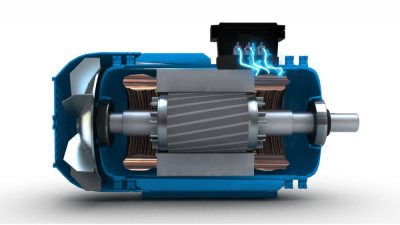
Motor AC terdiri dari beberapa komponen utama yang bekerja bersama untuk memfasilitasi pengoperasiannya. Komponen-komponen ini meliputi:
- Stator: Stator adalah bagian stasioner dari motor AC. Biasanya terbuat dari inti berlapis yang menyediakan jalur bagi fluks magnetik. Stator berisi gulungan stator, yaitu kumparan kawat yang dililitkan di sekitar inti stator. Gulungan stator dihubungkan ke sumber daya AC dan menghasilkan medan magnet berputar ketika diberi energi. Medan magnet berputar merupakan elemen penting dalam menghasilkan torsi yang dibutuhkan untuk pengoperasian motor.
- Rotor: Rotor adalah bagian yang berputar dari motor AC. Rotor terletak di dalam stator dan terhubung ke poros. Rotor dapat memiliki desain yang berbeda tergantung pada jenis motor AC. Pada motor induksi, rotor tidak memiliki koneksi listrik. Sebagai gantinya, rotor berisi batang atau kumparan konduktif yang dihubung pendek. Medan magnet berputar dari stator menginduksi arus pada konduktor rotor yang dihubung pendek, menciptakan medan magnet yang berinteraksi dengan medan stator dan menghasilkan torsi, menyebabkan rotor berputar. Pada motor sinkron, rotor berisi elektromagnet yang dimagnetisasi oleh arus searah, memungkinkan rotor untuk mengunci pada medan magnet berputar dari stator dan berputar dengan kecepatan yang sama.
- Bantalan: Bantalan digunakan untuk menopang dan memfasilitasi putaran poros rotor yang lancar. Bantalan mengurangi gesekan dan memungkinkan rotor berputar bebas di dalam motor. Bantalan biasanya terletak di kedua ujung poros motor dan dirancang untuk menahan gaya aksial dan radial yang dihasilkan selama pengoperasian.
- Bel Akhir: Penutup ujung, juga dikenal sebagai penutup ujung atau braket ujung, membungkus rakitan stator dan rotor motor. Penutup ini memberikan dukungan mekanis dan perlindungan untuk komponen internal motor. Penutup ujung biasanya terbuat dari logam dan dirancang untuk menyediakan wadah bagi bantalan dan mengamankan motor ke struktur pemasangannya.
- Kipas atau Sistem Pendingin: Motor AC sering menghasilkan panas selama beroperasi. Untuk mencegah panas berlebih dan memastikan fungsi yang tepat, motor AC dilengkapi dengan kipas atau sistem pendingin. Sistem ini membantu menghilangkan panas dengan mensirkulasikan udara atau mengarahkan aliran udara ke komponen motor, termasuk kumparan stator dan rotor. Pendinginan yang efektif sangat penting untuk menjaga efisiensi motor dan memperpanjang umur pakainya.
- Kotak Terminal atau Kotak Koneksi: Kotak terminal adalah wadah yang terletak di bagian luar motor yang menyediakan akses ke sambungan listrik motor. Di dalamnya terdapat terminal atau titik sambungan tempat kabel eksternal dapat dihubungkan untuk memasok daya ke motor. Kotak terminal memastikan sambungan motor yang aman dan terjamin ke sistem kelistrikan.
- Komponen Tambahan: Tergantung pada desain dan aplikasi spesifiknya, motor AC dapat mencakup komponen tambahan seperti kapasitor, sakelar sentrifugal, sikat (pada jenis motor AC tertentu), dan perangkat kontrol lainnya. Komponen-komponen ini digunakan untuk berbagai tujuan, seperti meningkatkan kinerja motor, memberikan bantuan saat memulai, atau mengaktifkan fitur kontrol tertentu.
Masing-masing komponen ini memainkan peran penting dalam pengoperasian motor AC. Stator dan rotor adalah komponen utama yang bertanggung jawab untuk menghasilkan medan magnet berputar dan mengubah energi listrik menjadi gerakan mekanis. Bantalan memastikan putaran poros rotor yang lancar, sementara penutup ujung memberikan dukungan struktural dan perlindungan. Kipas atau sistem pendingin membantu menjaga suhu operasi optimal, dan kotak terminal memungkinkan koneksi listrik yang tepat. Komponen tambahan ditambahkan seperlunya untuk meningkatkan kinerja motor dan memungkinkan fungsi tertentu.


editor by CX 2024-04-11


