
Deskripsi Produk
Deskripsi Produk
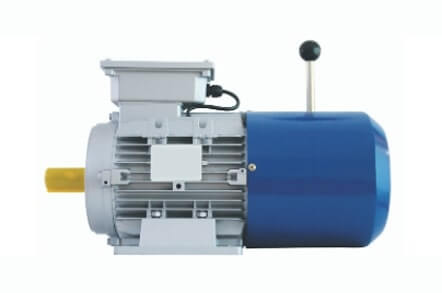
Features: High efficiency and energy saving, low noise and little vibration. Insulation class: F;Protection class:IP54 or IP55.
General purpose including cutting machines, pumps, fans, conveyors, machines tools of farm duty and food process.
The altitude not exceeding 1000m above sea level. The ambient temperature subject to seasonal variations but no exceeding+40ºC and not less than-15ºC.
Profil Perusahaan
ZheJiang Lanyoung Electromechanical Co., Ltd was originated from 1988, established in 2001, it owns ZheJiang Lanyoung Electromechanical Co., Ltd HangZhouShan City Branch and ZHangZhoug HangZhouang Electromechanical Co., Ltd, won the honorary title of “top 10 brands of brand network in 2019” and “excellent demonstration unit of ZHangZhoug focusing on quality and brand-making”. We are a modern company combining mechanical and electrical products research, development, production, sales and service with a long history and rich experience in production. We are experts of water pumps, motors, and fans products, the main products are stainless steel pumps, plastic corrosion-resistant submersible pumps, DC electric pumps, self-priming pump, machine tool cooling pumps, corrosion resistant pumps, sewage pumps, oil-immersed submersible pumps, blowers, medium pressure fan, multi-wing fan and so on, and we also possess practical new-type patent for a mini submersible pump. The above products can be all customized according to customer’s requirement. We have special advantages that is different from other manufacturing companies.
Product Parameters
| Type | Kekuatan | Pole/Speed | Volt/Frequency | Isolasi | Protection | Motor housing | Mount |
| kw /HP | |||||||
| 80M2 | 0.55/0.75 | 6/885rpm | 380V/50HZ | class F | IP55 | Cast Iron | B3 |
| 90S | 0.75/1 | 6/910rpm | 380V/50HZ | class F | IP55 | Cast Iron | B3 |
| 90L | 1.1/1.5 | 6/910rpm | 380V/50HZ | class F | IP55 | Cast Iron | B3 |
| 100L | 1.5/2 | 6/940rpm | 380V/50HZ | class F | IP55 | Cast Iron | B3 |
| 112M | 2.2/3 | 6/940rpm | 380V/50HZ | class F | IP55 | Cast Iron | B3 |
| 132S | 3/4 | 6/960rpm | 380V/50HZ | class F | IP55 | Cast Iron | B3 |
| 132M1 | 4/5.5 | 6/960rpm | 380V/50HZ | class F | IP55 | Cast Iron | B3 |
| 132M2 | 5.5/7.5 | 6/960rpm | 380V/50HZ | class F | IP55 | Cast Iron | B3 |
| 160M | 7.5/10 | 6/970rpm | 380V/50HZ | class F | IP55 | Cast Iron | B3 |
| 160L | 11/15 | 6/970rpm | 380V/50HZ | class F | IP55 | Cast Iron | B3 |
| 180L | 15/20 | 6/970rpm | 380V/50HZ | class F | IP55 | Cast Iron | B3 |
| 200L1 | 18.5/25 | 6/980rpm | 380V/50HZ | class F | IP55 | Cast Iron | B3 |
| 200L2 | 22/30 | 6/980rpm | 380V/50HZ | class F | IP55 | Cast Iron | B3 |
| 225M | 30/40 | 6/980rpm | 380V/50HZ | class F | IP55 | Cast Iron | B3 |
| 250M | 37/50 | 6/980rpm | 380V/50HZ | class F | IP55 | Cast Iron | B3 |
| 280S | 45/60 | 6/985rpm | 380V/50HZ | class F | IP55 | Cast Iron | B3 |
| 280M | 55/75 | 6/985rpm | 380V/50HZ | class F | IP55 | Cast Iron | B3 |
| 315S | 75/100 | 6/990rpm | 380V/50HZ | class F | IP55 | Cast Iron | B3 |
Detailed Photos
Packaging & Shipping
Sertifikasi
/* 22 Januari 2571 19:08:37 */!function(){function s(e,r){var a,o={};try{e&&e.split(“,”).forEach(function(e,t){e&&(a=e.match(/(.*?):(.*)$/))&&1
| Aplikasi: | Industri |
|---|---|
| Kecepatan Operasi: | Kecepatan Konstan |
| Jumlah Stator: | Tiga Fase |
| Contoh: |
US$ 29/Piece
1 Buah (Minimum Pemesanan) | Pesan Sampel Blue
|
|---|
| Kustomisasi: |
Tersedia
|
|
|---|
.shipping-cost-tm .tm-status-off{background: none;padding:0;color: #1470cc}
|
Biaya Pengiriman:
Perkiraan biaya pengiriman per unit. |
tentang biaya pengiriman dan perkiraan waktu pengiriman. |
|---|
| Metode Pembayaran: |
|
|---|---|
|
Pembayaran Awal Pembayaran Penuh |
| Mata uang: | US$ |
|---|
| Pengembalian & Penggantian Dana: | Anda dapat mengajukan pengembalian dana hingga 30 hari setelah menerima produk. |
|---|
Can AC motors be used in both residential and commercial settings?
Yes, AC motors can be used in both residential and commercial settings. The versatility and wide range of applications of AC motors make them suitable for various environments and purposes.
In residential settings, AC motors are commonly found in household appliances such as refrigerators, air conditioners, washing machines, fans, and pumps. These motors are designed to meet the specific requirements of residential applications, providing reliable and efficient operation for everyday tasks. For example, air conditioners utilize AC motors to drive the compressor and fan, while washing machines use AC motors for agitating and spinning the drum.
In commercial settings, AC motors are extensively used in a wide range of applications across different industries. They power machinery, equipment, and systems that are crucial for commercial operations. Some common examples include:
- Industrial machinery and manufacturing equipment: AC motors drive conveyor belts, pumps, compressors, mixers, fans, blowers, and other machinery used in manufacturing, production, and processing facilities.
- HVAC systems: AC motors are used in commercial heating, ventilation, and air conditioning (HVAC) systems to drive fans, blowers, and pumps for air circulation, cooling, and heating.
- Commercial refrigeration: AC motors are utilized in commercial refrigeration systems for powering compressors, condenser fans, and evaporator fans in supermarkets, restaurants, and cold storage facilities.
- Office equipment: AC motors are present in various office equipment such as printers, photocopiers, scanners, and ventilation systems, ensuring their proper functioning.
- Transportation: AC motors are used in electric vehicles, trams, trains, and other forms of electric transportation systems, providing the necessary propulsion.
- Water and wastewater treatment: AC motors power pumps, mixers, and blowers in water treatment plants, wastewater treatment plants, and pumping stations.
The adaptability, efficiency, and controllability of AC motors make them suitable for a wide range of residential and commercial applications. Whether it’s powering household appliances or driving industrial machinery, AC motors play a vital role in meeting the diverse needs of both residential and commercial settings.
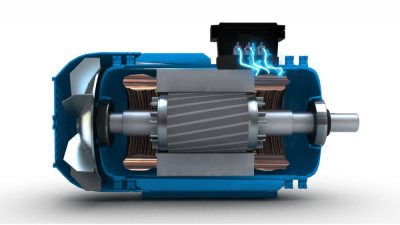
What are the common signs of AC motor failure, and how can they be addressed?
AC motor failure can lead to disruptions in various industrial and commercial applications. Recognizing the common signs of motor failure is crucial for timely intervention and preventing further damage. Here are some typical signs of AC motor failure and potential ways to address them:
- Excessive Heat: Excessive heat is a common indicator of motor failure. If a motor feels excessively hot to the touch or emits a burning smell, it could signify issues such as overloaded windings, poor ventilation, or bearing problems. To address this, first, ensure that the motor is properly sized for the application. Check for obstructions around the motor that may be impeding airflow and causing overheating. Clean or replace dirty or clogged ventilation systems. If the issue persists, consult a qualified technician to inspect the motor windings and bearings and make any necessary repairs or replacements.
- Abnormal Noise or Vibration: Unusual noises or vibrations coming from an AC motor can indicate various problems. Excessive noise may be caused by loose or damaged components, misaligned shafts, or worn bearings. Excessive vibration can result from imbalanced rotors, misalignment, or worn-out motor parts. Addressing these issues involves inspecting and adjusting motor components, ensuring proper alignment, and replacing damaged or worn-out parts. Regular maintenance, including lubrication of bearings, can help prevent excessive noise and vibration and extend the motor’s lifespan.
- Intermittent Operation: Intermittent motor operation, where the motor starts and stops unexpectedly or fails to start consistently, can be a sign of motor failure. This can be caused by issues such as faulty wiring connections, damaged or worn motor brushes, or problems with the motor’s control circuitry. Check for loose or damaged wiring connections and make any necessary repairs. Inspect and replace worn or damaged motor brushes. If the motor still exhibits intermittent operation, it may require professional troubleshooting and repair by a qualified technician.
- Overheating or Tripping of Circuit Breakers: If an AC motor consistently causes circuit breakers to trip or if it repeatedly overheats, it indicates a problem that needs attention. Possible causes include high starting currents, excessive loads, or insulation breakdown. Verify that the motor is not overloaded and that the load is within the motor’s rated capacity. Check the motor’s insulation resistance to ensure it is within acceptable limits. If these measures do not resolve the issue, consult a professional to assess the motor and its electrical connections for any faults or insulation breakdown that may require repair or replacement.
- Decreased Performance or Efficiency: A decline in motor performance or efficiency can be an indication of impending failure. This may manifest as reduced speed, decreased torque, increased energy consumption, or inadequate power output. Factors contributing to decreased performance can include worn bearings, damaged windings, or deteriorated insulation. Regular maintenance, including lubrication and cleaning, can help prevent these issues. If performance continues to decline, consult a qualified technician to inspect the motor and perform any necessary repairs or replacements.
- Inoperative Motor: If an AC motor fails to operate entirely, there may be an issue with the power supply, control circuitry, or internal motor components. Check the power supply and connections for any faults or interruptions. Inspect control circuitry, such as motor starters or contactors, for any damage or malfunction. If no external faults are found, it may be necessary to dismantle the motor and inspect internal components, such as windings or brushes, for any faults or failures that require repair or replacement.
It’s important to note that motor failure causes can vary depending on factors such as motor type, operating conditions, and maintenance practices. Regular motor maintenance, including inspections, lubrication, and cleaning, is essential for early detection of potential failure signs and for addressing issues promptly. When in doubt, it is advisable to consult a qualified electrician, motor technician, or manufacturer’s guidelines for appropriate troubleshooting and repair procedures specific to the motor model and application.
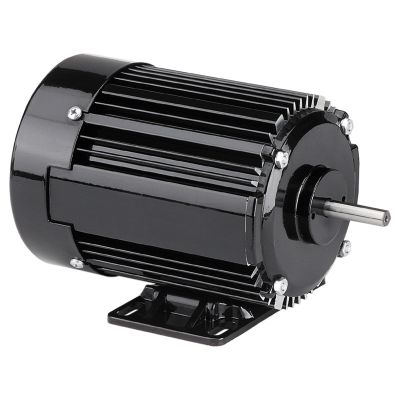
Bagaimana cara kerja mekanisme pengontrol kecepatan pada motor AC?
Mekanisme pengendalian kecepatan pada motor AC bervariasi tergantung pada jenis motornya. Di sini, kita akan membahas metode pengendalian kecepatan yang digunakan pada dua jenis motor AC yang umum: motor induksi dan motor sinkron.
Pengendalian Kecepatan pada Motor Induksi:
Motor induksi biasanya dirancang untuk beroperasi pada kecepatan konstan yang ditentukan oleh frekuensi catu daya AC dan jumlah kutub motor. Namun, ada beberapa metode untuk mengontrol kecepatan motor induksi:
- Mengubah Frekuensi: Dengan mengubah frekuensi catu daya AC, kecepatan motor induksi dapat disesuaikan. Metode ini dikenal sebagai kontrol penggerak frekuensi variabel (VFD). VFD mengubah catu daya AC yang masuk menjadi keluaran frekuensi dan tegangan variabel, memungkinkan kontrol kecepatan motor yang presisi. Metode ini umumnya digunakan dalam aplikasi industri di mana kontrol kecepatan sangat penting, seperti konveyor, pompa, dan kipas.
- Mengubah Jumlah Kutub Stator: Kecepatan motor induksi berbanding terbalik dengan jumlah kutub stator. Dengan mengubah sambungan gulungan stator atau menggunakan motor dengan konfigurasi kutub yang berbeda, kecepatan dapat disesuaikan. Namun, metode ini kurang umum digunakan dan biasanya diterapkan dalam aplikasi khusus.
- Menambahkan Hambatan Eksternal: Dalam beberapa kasus, hambatan eksternal dapat ditambahkan ke rangkaian rotor motor induksi untuk mengontrol kecepatannya. Metode ini, yang dikenal sebagai kontrol hambatan rotor, melibatkan penyisipan resistor secara seri dengan gulungan rotor. Dengan memvariasikan hambatan, arus dan torsi rotor dapat disesuaikan, sehingga menghasilkan kontrol kecepatan. Namun, metode ini kurang efisien dan terutama digunakan dalam aplikasi spesifik di mana kontrol yang tepat tidak diperlukan.
Pengendalian Kecepatan pada Motor Sinkron:
Motor sinkron menawarkan kontrol kecepatan yang lebih presisi dibandingkan motor induksi karena pengoperasian sinkronnya yang inheren. Metode-metode berikut umumnya digunakan untuk kontrol kecepatan pada motor sinkron:
- Menyesuaikan Frekuensi Daya AC: Mirip dengan motor induksi, mengubah frekuensi catu daya AC dapat mengontrol kecepatan motor sinkron. Dengan menyesuaikan frekuensi daya, kecepatan sinkron motor dapat diubah. Metode ini sering digunakan dalam aplikasi yang membutuhkan kontrol kecepatan yang presisi, seperti mesin dan proses industri.
- Menggunakan Penggerak Frekuensi Variabel: Penggerak frekuensi variabel (VFD) juga dapat digunakan untuk mengontrol kecepatan motor sinkron. Dengan mengubah catu daya AC yang masuk menjadi keluaran frekuensi dan tegangan variabel, VFD dapat mengatur kecepatan motor dengan akurasi dan efisiensi tinggi.
- Kontrol Medan DC: Pada beberapa motor sinkron, medan rotor disuplai oleh sumber arus searah (DC), memungkinkan kontrol yang tepat terhadap kecepatan motor. Dengan menyesuaikan arus medan DC, kekuatan medan magnet dan kecepatan motor dapat dikontrol. Metode ini umumnya digunakan dalam aplikasi yang membutuhkan kontrol kecepatan yang sangat presisi, seperti proses industri dan mesin berkinerja tinggi.
Metode-metode ini menyediakan berbagai cara untuk mengontrol kecepatan motor AC, memungkinkan fleksibilitas dan kemampuan adaptasi dalam berbagai aplikasi. Pilihan mekanisme kontrol kecepatan bergantung pada faktor-faktor seperti jenis motor, rentang kecepatan yang diinginkan, persyaratan akurasi, pertimbangan efisiensi, dan batasan biaya.


editor by CX 2024-04-11


