
Produktbeschreibung
Produktbeschreibung
Customize product
Certifications
Our Factory
Product packaging
Häufig gestellte Fragen
Can you provide price sheet and catalog to me ?
We are pleasure to provide these to you for reference,you can cotact me,give me your emails ID.
Can you send me a sample?
It’s my honor to send a sample to you,but you need to pay the sample fee and shipping cost
What’s about your delivery time?
All type we have stock,after we receive payment,we will send you within 2 days.
How to pay it?
You can pay it to Alibaba,Paypal,bank.
How about your warrantly time?
Our warrantly time is 12months,if the goods or accessories can’t work,we send new 1 to you.
Payment Terms?
1.100% T/T before shipment for stock supply products; 30% as advance and balance before shipment for production and special design
order.
Is our company accept customized and OEM order ?
Yes. Our factory has very professional engineer and design team to provide special customize products for you. Client only provide
there requirements to us, we can design for you for free. OEM factory is acceptable too. Let our factory to be your own factory.
Recommended by seller
/* 22. Januar 2571 19:08:37 */!function(){function s(e,r){var a,o={};try{e&&e.split(“,“).forEach(function(e,t){e&&(a=e.match(/(.*?):(.*)$/))&&1
| Anwendung: | Fans, Water Pumps, Farm Irrigation, Crusher, |
|---|---|
| Output Type: | Triple |
| Principle of Work: | Voltage Ramp, Current Limit |
| Samples: |
US$ 391/Piece
1 Piece(Min.Order) | Order Sample |
|---|
| Anpassung: |
Verfügbar
|
|
|---|
.shipping-cost-tm .tm-status-off{background: none;padding:0;color: #1470cc}
|
Shipping Cost:
Estimated freight per unit. |
about shipping cost and estimated delivery time. |
|---|
| Payment Method: |
|
|---|---|
|
Initial Payment Full Payment |
| Currency: | US$ |
|---|
| Return&refunds: | You can apply for a refund up to 30 days after receipt of the products. |
|---|
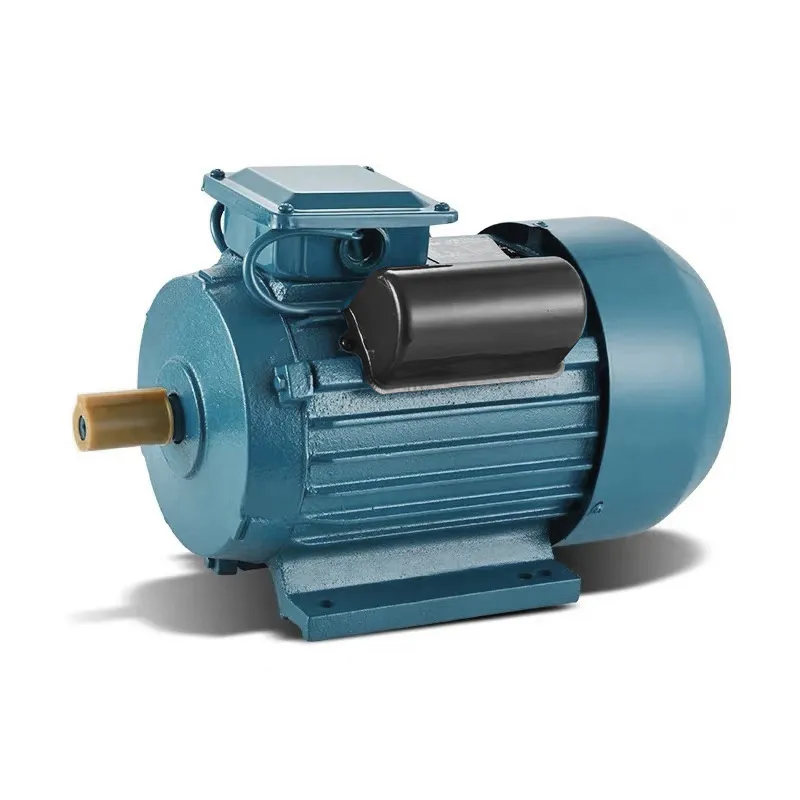
What factors should be considered when selecting an AC motor for a particular application?
When selecting an AC motor for a particular application, several factors need to be considered to ensure the motor meets the requirements and performs optimally. Here are the key factors to consider:
- Power Requirements: Determine the power requirements of the application, including the required torque and speed. The motor should have adequate power output to meet the demands of the specific task. Consider factors such as starting torque, running torque, and speed range to ensure the motor can handle the load effectively.
- Motor Type: There are different types of AC motors, including induction motors, synchronous motors, and brushless DC motors. Each type has its own characteristics and advantages. Consider the application’s requirements and factors such as speed control, efficiency, and starting torque to determine the most suitable motor type.
- Environmental Conditions: Assess the environmental conditions in which the motor will operate. Factors such as temperature, humidity, dust, and vibration levels can impact motor performance and longevity. Choose a motor that is designed to withstand the specific environmental conditions of the application.
- Size and Space Constraints: Consider the available space for motor installation. Ensure that the physical dimensions of the motor, including its length, diameter, and mounting arrangement, are compatible with the available space. Additionally, consider the weight of the motor if it needs to be mounted or transported.
- Effizienz: Energy efficiency is an important consideration, as it can impact operational costs and environmental sustainability. Look for motors with high efficiency ratings, which indicate that they convert electrical energy into mechanical energy with minimal energy loss. Energy-efficient motors can lead to cost savings and reduced environmental impact over the motor’s lifespan.
- Control and Speed Requirements: Determine if the application requires precise speed control or if a fixed speed motor is sufficient. If variable speed control is needed, consider motors that can be easily controlled using variable frequency drives (VFDs) or other speed control mechanisms. For applications that require high-speed operation, select a motor that can achieve the desired speed range.
- Maintenance and Serviceability: Assess the maintenance requirements and serviceability of the motor. Consider factors such as the accessibility of motor components, ease of maintenance, availability of spare parts, and the manufacturer’s reputation for reliability and customer support. A motor that is easy to maintain and service can help minimize downtime and repair costs.
- Budget: Consider the budget constraints for the motor selection. Balance the desired features and performance with the available budget. In some cases, investing in a higher quality, more efficient motor upfront can lead to long-term cost savings due to reduced energy consumption and maintenance requirements.
By carefully considering these factors, it is possible to select an AC motor that aligns with the specific requirements of the application, ensuring optimal performance, efficiency, and reliability.
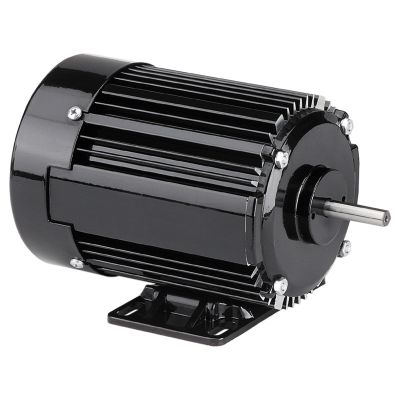
Können Wechselstrommotoren in Systemen für erneuerbare Energien, wie z. B. Windkraftanlagen, eingesetzt werden?
Ja, Wechselstrommotoren können in Systemen für erneuerbare Energien, einschließlich Windkraftanlagen, eingesetzt werden. Tatsächlich werden Wechselstrommotoren aufgrund ihrer zahlreichen Vorteile häufig in verschiedenen Anwendungen innerhalb von Windkraftanlagen verwendet. Hier eine detaillierte Erklärung:
1. Generator: In Windkraftanlagen dient der Wechselstrommotor häufig als Generator. Die rotierenden Rotorblätter der Windkraftanlage treiben den Rotor des Generators an, der die mechanische Energie des Windes in elektrische Energie umwandelt. Wechselstromgeneratoren werden aufgrund ihrer Effizienz, Zuverlässigkeit und Kompatibilität mit Stromnetzen häufig in Windkraftanlagen eingesetzt.
2. Drehzahlregelung: Wechselstrommotoren bieten den Vorteil der stufenlosen Drehzahlregelung, die für Windkraftanlagen entscheidend ist. Da die Windgeschwindigkeit variabel ist, muss die Rotordrehzahl entsprechend angepasst werden, um die Energieausbeute zu maximieren. Werden Wechselstrommotoren als Generatoren eingesetzt, können sie ihre Drehzahl an die wechselnden Windbedingungen anpassen, indem sie Frequenz und Spannung des elektrischen Ausgangssignals verändern.
3. Effizienz: Wechselstrommotoren sind für ihren hohen Wirkungsgrad bekannt, der in Systemen für erneuerbare Energien eine wichtige Rolle spielt. Windkraftanlagen zielen darauf ab, möglichst viel Windenergie in elektrische Energie umzuwandeln. Wechselstrommotoren, insbesondere solche mit hohem Wirkungsgrad, tragen dazu bei, den Gesamtwirkungsgrad der Windkraftanlage zu maximieren.
4. Netzintegration: Wechselstrommotoren eignen sich hervorragend für die Netzintegration in Systemen mit erneuerbaren Energien. Die elektrische Leistung des Wechselstromgenerators lässt sich problemlos mit der Netzfrequenz und -spannung synchronisieren, wodurch eine nahtlose Integration der Windkraftanlage in die bestehende Stromnetzinfrastruktur ermöglicht wird. Dies erleichtert die effiziente Verteilung des erzeugten Stroms an die Verbraucher.
5. Steuerung und Überwachung: Wechselstrommotoren bieten fortschrittliche Steuerungs- und Überwachungsfunktionen, die für Windkraftanlagen unerlässlich sind. Elektrische Parameter wie Spannung, Frequenz und Ausgangsleistung lassen sich in Generatoren mit Wechselstrommotoren einfach überwachen und steuern. Dies ermöglicht die Echtzeitüberwachung der Windkraftanlagenleistung, die Fehlererkennung und die Optimierung des Stromerzeugungsprozesses.
6. Verfügbarkeit und Standardisierung: Wechselstrommotoren sind in verschiedenen Größen und Leistungsstufen weit verbreitet und daher für Windkraftanlagen leicht zugänglich. Sie sind zudem gut standardisiert, was die Kompatibilität mit anderen Systemkomponenten gewährleistet und Wartungs-, Reparatur- und Austauscharbeiten erleichtert.
Es ist wichtig zu beachten, dass in Windkraftanlagen zwar häufig Wechselstrommotoren eingesetzt werden, in bestimmten Windkraftanlagenkonstruktionen aber auch andere Generator- und Motortechnologien zum Einsatz kommen, beispielsweise Permanentmagnet-Synchrongeneratoren (PMSG) oder doppelt gespeiste Induktionsgeneratoren (DFIG). Diese Alternativen bieten jeweils eigene Vorteile und können in bestimmten Windkraftanlagenkonfigurationen bevorzugt werden.
Zusammenfassend lässt sich sagen, dass Wechselstrommotoren durchaus in Systemen für erneuerbare Energien, einschließlich Windkraftanlagen, eingesetzt werden können. Ihre Effizienz, die Möglichkeit der Drehzahlregelung, die Netzintegrationsfähigkeit und die fortschrittlichen Steuerungsfunktionen machen sie zu einer geeigneten Wahl für die zuverlässige und effiziente Umwandlung von Windenergie in elektrische Energie.
How does the speed control mechanism work in AC motors?
The speed control mechanism in AC motors varies depending on the type of motor. Here, we will discuss the speed control methods used in two common types of AC motors: induction motors and synchronous motors.
Speed Control in Induction Motors:
Induction motors are typically designed to operate at a constant speed determined by the frequency of the AC power supply and the number of motor poles. However, there are several methods for controlling the speed of induction motors:
- Varying the Frequency: By varying the frequency of the AC power supply, the speed of an induction motor can be adjusted. This method is known as variable frequency drive (VFD) control. VFDs convert the incoming AC power supply into a variable frequency and voltage output, allowing precise control of motor speed. This method is commonly used in industrial applications where speed control is crucial, such as conveyors, pumps, and fans.
- Changing the Number of Stator Poles: The speed of an induction motor is inversely proportional to the number of stator poles. By changing the connections of the stator windings or using a motor with a different pole configuration, the speed can be adjusted. However, this method is less commonly used and is typically employed in specialized applications.
- Adding External Resistance: In some cases, external resistance can be added to the rotor circuit of an induction motor to control its speed. This method, known as rotor resistance control, involves inserting resistors in series with the rotor windings. By varying the resistance, the rotor current and torque can be adjusted, resulting in speed control. However, this method is less efficient and is mainly used in specific applications where precise control is not required.
Speed Control in Synchronous Motors:
Synchronous motors offer more precise speed control compared to induction motors due to their inherent synchronous operation. The following methods are commonly used for speed control in synchronous motors:
- Adjusting the AC Power Frequency: Similar to induction motors, changing the frequency of the AC power supply can control the speed of synchronous motors. By adjusting the power frequency, the synchronous speed of the motor can be altered. This method is often used in applications where precise speed control is required, such as industrial machinery and processes.
- Using a Variable Frequency Drive: Variable frequency drives (VFDs) can also be used to control the speed of synchronous motors. By converting the incoming AC power supply into a variable frequency and voltage output, VFDs can adjust the motor speed with high accuracy and efficiency.
- DC Field Control: In some synchronous motors, the rotor field is supplied by a direct current (DC) source, allowing for precise control over the motor’s speed. By adjusting the DC field current, the magnetic field strength and speed of the motor can be controlled. This method is commonly used in applications that require fine-tuned speed control, such as industrial processes and high-performance machinery.
These methods provide different ways to control the speed of AC motors, allowing for flexibility and adaptability in various applications. The choice of speed control mechanism depends on factors such as the motor type, desired speed range, accuracy requirements, efficiency considerations, and cost constraints.


editor by CX 2024-05-15


