
Produktbeschreibung
YE3/IE3 Aluminum Case Easy to Maintain Three-Phase Asynchronous Motor(0.12-22kw)
Factory advantage
1.30 years of history
2. Competitive prices
3. Quality Assurance
Four. Fast Delivery Time: General model about 15-20 days, special model about 30 days
Each process is 100% tested and 100% selective in raw materials
5. Be Efficient
6. Low Noise
7. Live Long
8. Save Energy
9. Slight vibration
10. Professional service/Patience
11. Warranty period: 12 months from the date of delivery
Main Markets: South , Europe, Middle East, Southest Asia, Africa, etc
Product description
Canglong Motors YS motor features:
Frame material: cast iron
Standard Color: Silver or custom
Standard frequency: 50 Hz (available on other frequencies)
Ambient air temperature: -15 C ≤0≤40 ° C
Connection: Star-connection for 3KW or less whereas delta-connection for 4KW or more.
Altitude: no more than 1000 meters
Available in 2, 4, 6,8 pole for 0.21kW and above
Efficiency level: IE3(50Hz) according to IEC 60034-30.
Installation: B 3, B 5, B35, etc. , in accordance with IEC 60034-7 standard
Protection Level: IP55(IEC 60034-5)
Insulation: Class F (155 degrees Celsius)
Cooling mode: IC 411, IEC 60034-6 standard, self-fan, independent cooling fan
Working Height: not exceeding 1000m above sea level (IEC 60034-1)
If there is no other request in the order or agreement, terminal box standard position is at the right side of the frame; data above may be changed without prior notice.
WHY CHOOSE US ?
1.We are professional electric motor manufacture for 20 years since 1996.
2.We have best quality materials to make our electric motors best performance.
3.Our products are 100% brand new , 100% cooper wire , 100% output.
4.We have advanced and automated machines such as high speed punching machines, swing punching machines, machines to form the rotors ,stators etc. in 1 piece, automated packing machines which can produce nice appearance and good performance motors while decrease the labor cost and mechanical loss .
5.We have professional financial department who are good at calculating and controlling the cost and capital operation which could make most favorable prices for our customers.
6.We have a strong R&D team, which can develop and produce products according to drawings or samples provided by customers.
7.We have our own pump and motor production line, raw materials processing, factory direct sales, inexpensive.
8.We are only 200 kilometers away from HangZhou port, which is very convenient for export.
TECHINICAL DATA:
| Type | Rated Output | Rated Speed | Eff | Power factor | Rated Current | locked torque | maximum torque | locked current | |
| rated torque | rated torque | rated current | |||||||
| KW | HP | (r.p.m) | (%) | (cosθ) | A | Tst/Tn | Tmax/Tn | Ist/In | |
| 380V 50Hz synchronous Speed 3000r/min(2 poles) | |||||||||
| YS-6322 | 0.25 | 1/3 | 2730 | 72 | 0.78 | 0.68 | 2.3 | 2.3 | 6 |
| YS-7112 | 0.37 | 1/2 | 2760 | 73.5 | 0.8 | 0.96 | 2.3 | 2.3 | 6 |
| YS-7122 | 0.55 | 3/4 | 2770 | 75.5 | 0.82 | 1.35 | 2.3 | 2.3 | 6 |
| YS-8012 | 0.75 | 1 | 2770 | 76.5 | 0.85 | 1.75 | 2.2 | 2.3 | 6 |
| YS-8571 | 1.1 | 1.5 | 2800 | 77 | 0.85 | 2.55 | 2.2 | 2.3 | 7 |
| YS-90S-2 | 1.5 | 2 | 2840 | 78.5 | 0.85 | 3.42 | 2.2 | 2.3 | 7 |
| YS-90L-2 | 2.2 | 3 | 2840 | 81 | 0.86 | 4.8 | 2.2 | 2.3 | 7 |
| YE2-100L-2 | 3 | 4 | 2890 | 84.6 | 0.87 | 6.17 | 2.2 | 2.3 | 7.8 |
| YE2-112M-2 | 4 | 5.5 | 2910 | 85.8 | 0.88 | 8.04 | 2.2 | 2.3 | 8.3 |
| YE2-132S1-2 | 5.5 | 7.5 | 2930 | 87 | 0.86 | 11.2 | 2 | 2.3 | 8.3 |
| YE2-132S2-2 | 7.5 | 10 | 2840 | 88.1 | 0.88 | 14.6 | 2 | 2.3 | 7.9 |
| YE2-160M1-2 | 11 | 15 | 2930 | 89.4 | 0.89 | 21 | 2 | 2.3 | 8.1 |
| YE2-160M2-2 | 15 | 20 | 2930 | 90.3 | 0.89 | 28.4 | 2 | 2.3 | 8.1 |
| YE2-160L-2 | 18.5 | 25 | 2935 | 90.9 | 0.89 | 34.7 | 2 | 2.3 | 8.2 |
| YE2-180M-2 | 22 | 30 | 2940 | 91.3 | 0.88 | 41.6 | 2 | 2.3 | 8.2 |
| 380V 50Hz synchronous Speed 1500r/min(4 poles) | |||||||||
| YS-7114 | 0.25 | 1/3 | 1350 | 67 | 0.68 | 0.83 | 2.4 | 2.4 | 6 |
| YS-7124 | 0.37 | 1/2 | 1350 | 69.5 | 0.72 | 1.12 | 2.4 | 2.4 | 6 |
| YS-8014 | 0.55 | 3/4 | 1380 | 73.5 | 0.73 | 1.56 | 2.4 | 2.4 | 6 |
| YS-8571 | 0.75 | 1 | 1390 | 75.5 | 0.75 | 2.01 | 2.3 | 2.4 | 6.5 |
| YS-90S-4 | 1.1 | 1.5 | 1400 | 78 | 0.78 | 2.75 | 2.3 | 2.4 | 6.5 |
| YS-90L-4 | 1.5 | 2 | 1400 | 79 | 0.79 | 3.65 | 2.3 | 2.4 | 6.5 |
| YE2-100L1-4 | 2.2 | 3 | 1440 | 84.3 | 0.81 | 4.9 | 2.3 | 2.3 | 7.6 |
| YE2-100L2-4 | 3 | 4 | 1440 | 85.5 | 0.82 | 6.5 | 2.3 | 2.3 | 7.6 |
| YE2-112M-4 | 4 | 5.5 | 1440 | 86.6 | 0.82 | 8.56 | 2.2 | 2.3 | 7.8 |
| YE2-132S-4 | 5.5 | 7.5 | 1450 | 87.7 | 0.83 | 11.5 | 2 | 2.3 | 7.9 |
| YE2-132M-4 | 7.5 | 10 | 1450 | 88.7 | 0.84 | 15.3 | 2 | 2.3 | 7.5 |
| YE2-160M-4 | 11 | 15 | 1460 | 89.8 | 0.84 | 22.2 | 2.2 | 2.3 | 7.7 |
| YE2-160L-4 | 15 | 20 | 1460 | 90.6 | 0.85 | 29.6 | 2.2 | 2.3 | 7.8 |
| YE2-180M-4 | 18.5 | 25 | 1470 | 91.2 | 0.86 | 35.8 | 2 | 2.3 | 7.8 |
| YE2-180L-4 | 22 | 30 | 1470 | 91.6 | 0.86 | 42.4 | 2 | 2.3 | 7.8 |
| 380V 50Hz synchronous Speed 1000r/min(6 poles) | |||||||||
| YS-7126 | 0.25 | 1/3 | 910 | 63 | 0.62 | 0.97 | 2 | 2 | 5.5 |
| YS-8016 | 0.37 | 1/2 | 910 | 68 | 0.62 | 1.33 | 2 | 2 | 5.5 |
| YS-8026 | 0.55 | 3/4 | 910 | 71 | 0.64 | 1.84 | 2 | 2 | 5.5 |
| YS-90S-6 | 0.75 | 1 | 920 | 73 | 0.68 | 2.3 | 2 | 2.1 | 5.5 |
| YS-90L-6 | 1.1 | 1.5 | 920 | 74 | 0.7 | 3.23 | 2 | 2.1 | 6 |
| YE2-100L-6 | 1.5 | 2 | 940 | 79.8 | 0.75 | 3.8 | 2 | 2.1 | 6.5 |
| YE2-112M-6 | 2.2 | 3 | 960 | 81.8 | 0.76 | 5.38 | 2 | 2.1 | 6.6 |
| YE2-132S-6 | 3 | 4 | 960 | 83.3 | 0.76 | 7.2 | 2 | 2.1 | 6.8 |
| YE2-132M1-6 | 4 | 5.5 | 960 | 84.6 | 0.76 | 9.45 | 2 | 2.1 | 6.8 |
| YE2-132M2-6 | 5.5 | 7.5 | 960 | 86 | 0.77 | 12.6 | 2 | 2.1 | 7 |
| YE2-160M-6 | 7.5 | 10 | 970 | 87.2 | 0.78 | 16.8 | 2 | 2.1 | 7 |
| YE2-160L-6 | 11 | 15 | 970 | 88.7 | 0.78 | 24.2 | 2 | 2.1 | 7.2 |
| YE2-180L-6 | 15 | 20 | 970 | 89.7 | 0.81 | 31.4 | 2 | 2.1 | 7.3 |
| 380V 50Hz synchronous Speed 750r/min(8 poles) | |||||||||
| YS-7118 | 0.09 | 1/8 | 600 | 40 | 0.57 | 0.6 | 1.8 | 1.9 | 2.8 |
| YS-7128 | 0.12 | 1/6 | 600 | 45 | 0.57 | 0.71 | 1.8 | 1.9 | 2.8 |
| YS-8018 | 0.18 | 1/4 | 645 | 51 | 0.61 | 0.88 | 1.8 | 2 | 3.3 |
| YS-8571 | 0.25 | 1/3 | 645 | 54 | 0.61 | 1.15 | 1.8 | 2 | 3.3 |
| YS-90S-8 | 0.37 | 1/2 | 670 | 62 | 0.61 | 1.49 | 1.8 | 2 | 4 |
| YS-90L-8 | 0.55 | 3/4 | 670 | 63 | 0.61 | 2.17 | 1.8 | 2.1 | 4 |
| 1.BFlange | 9.Key | 17.Rear endshield | 25.Terminal box cover | 33.Brasslug |
| 2.B4Flange | 10.Rotor | 18.Fan | 26.Screw | |
| 3.Front endshield | 11.Stator | 19.Fan cowl | 27.Earth mark | |
| 4.Shaft cover | 12.Pedestal | 20.FancowlScrew | 28.Brass washer | |
| 5.Spring washer | 13.Pedestal bolt | 21.Fan clamp | 29.Deductioncap | |
| 6.Vring Oil seal | 14.Nameplate | 22.Cable gland | 30.Brassnet | |
| 7.Bolt | 15.Main frame | 23.Terminal box base | 31.Termiani board | |
| 8.Bearing | 16.Wave washer | 24.Gasket | 32.Leather washer |
/* 22. Januar 2571 19:08:37 */!function(){function s(e,r){var a,o={};try{e&&e.split(“,“).forEach(function(e,t){e&&(a=e.match(/(.*?):(.*)$/))&&1
| Anwendung: | Industrial, Universal, Power Tools, Fan/Cooling Tower/Cutting Machine |
|---|---|
| Betriebsgeschwindigkeit: | Konstante Geschwindigkeit |
| Statornummer: | Dreiphasen |
| Spezies: | Ye3/Ie3/Ys |
| Rotorstruktur: | Eichhörnchenkäfig |
| Gehäuseschutz: | Geschlossener Typ |
| Samples: |
US$ 50/Piece
1 Piece(Min.Order) | |
|---|
| Anpassung: |
Verfügbar
|
|
|---|
Are there environmental considerations associated with the use of AC motors?
Yes, there are several environmental considerations associated with the use of AC motors. These considerations are primarily related to energy consumption, greenhouse gas emissions, and the disposal of motors at the end of their life cycle. Let’s explore these environmental considerations in detail:
- Energy Efficiency: AC motors can have varying levels of energy efficiency, which directly impacts their environmental impact. Motors with higher efficiency convert a larger percentage of electrical energy into useful mechanical work, resulting in reduced energy consumption. By selecting and using high-efficiency AC motors, energy usage can be minimized, leading to lower greenhouse gas emissions and reduced reliance on fossil fuels for electricity generation.
- Greenhouse Gas Emissions: The electricity consumed by AC motors is often produced by power plants that burn fossil fuels, such as coal, natural gas, or oil. The generation of electricity from these fossil fuels releases greenhouse gases, contributing to climate change. By employing energy-efficient motors and optimizing motor systems, businesses and individuals can reduce their electricity demand, leading to lower greenhouse gas emissions and a smaller carbon footprint.
- Motor Disposal and Recycling: AC motors contain various materials, including metals, plastics, and electrical components. At the end of their life cycle, proper disposal or recycling is important to minimize their environmental impact. Some components, such as copper windings and steel casings, can be recycled, reducing the need for new raw materials and energy-intensive manufacturing processes. It is crucial to follow local regulations and guidelines for the disposal and recycling of motors to prevent environmental pollution and promote resource conservation.
- Manufacturing and Production: The manufacturing and production processes associated with AC motors can have environmental implications. The extraction and processing of raw materials, such as metals and plastics, can result in habitat destruction, energy consumption, and greenhouse gas emissions. Additionally, the manufacturing processes themselves can generate waste and pollutants. Motor manufacturers can mitigate these environmental impacts by adopting sustainable practices, using recycled materials, reducing waste generation, and implementing energy-efficient production methods.
- Life Cycle Assessment: Conducting a life cycle assessment (LCA) of AC motors can provide a holistic view of their environmental impact. An LCA considers the environmental aspects associated with the entire life cycle of the motor, including raw material extraction, manufacturing, transportation, use, and end-of-life disposal or recycling. By analyzing the different stages of the motor’s life cycle, stakeholders can identify opportunities for improvement, such as optimizing energy efficiency, reducing emissions, and implementing sustainable practices.
To address these environmental considerations, governments, organizations, and industry standards bodies have developed regulations and guidelines to promote energy efficiency and reduce the environmental impact of AC motors. These include efficiency standards, labeling programs, and incentives for the use of high-efficiency motors. Additionally, initiatives promoting motor system optimization, such as proper motor sizing, maintenance, and control, can further enhance energy efficiency and minimize environmental impact.
In summary, the environmental considerations associated with the use of AC motors include energy efficiency, greenhouse gas emissions, motor disposal and recycling, manufacturing processes, and life cycle assessment. By prioritizing energy efficiency, proper disposal, recycling, and sustainable manufacturing practices, the environmental impact of AC motors can be minimized, contributing to a more sustainable and environmentally conscious approach to motor usage.
Where can individuals or businesses find reliable information on selecting, installing, and maintaining AC motors?
When seeking information on selecting, installing, and maintaining AC motors, individuals and businesses can refer to various reliable sources. These sources provide valuable guidance, recommendations, and best practices related to AC motors. Here are some places where one can find reliable information:
- Manufacturer’s Documentation: AC motor manufacturers often provide detailed documentation, including product catalogs, technical specifications, installation guides, and maintenance manuals. These documents offer specific information about their motors, such as performance characteristics, electrical requirements, mounting instructions, and recommended maintenance procedures. Manufacturers’ websites are a common source for accessing these resources.
- Industry Associations: Industry associations related to electrical engineering, motor manufacturing, or specific applications (e.g., HVAC, pumps, or industrial machinery) can be excellent resources for reliable information. These associations often publish technical articles, guidelines, and standards that cover a wide range of topics, including motor selection, installation practices, efficiency standards, and maintenance recommendations. Examples of such associations include the National Electrical Manufacturers Association (NEMA), the Institute of Electrical and Electronics Engineers (IEEE), and the Air Conditioning, Heating, and Refrigeration Institute (AHRI).
- Professional Electricians and Engineers: Consulting with professional electricians or electrical engineers who specialize in motor applications can provide valuable insights. These professionals possess practical knowledge and experience in selecting, installing, and maintaining AC motors. They can offer personalized advice based on specific project requirements and industry best practices.
- Energy Efficiency Programs and Agencies: Energy efficiency programs and agencies, such as government departments, utility companies, or environmental organizations, often provide resources and guidance on energy-efficient motor selection and operation. These programs may offer information on motor efficiency standards, rebate programs for high-efficiency motors, and energy-saving practices. Examples include the U.S. Department of Energy (DOE) and its Energy Star program.
- Online Technical Forums and Communities: Online forums and communities focused on electrical engineering, motor applications, or specific industries can be valuable sources of information. Participating in these forums allows individuals and businesses to interact with experts, discuss motor-related topics, and seek advice from professionals and enthusiasts who have firsthand experience with AC motors.
- Books and Publications: Books and technical publications dedicated to electrical engineering, motor technology, or specific applications can provide comprehensive information on AC motors. These resources cover topics ranging from motor theory and design principles to practical installation techniques and maintenance procedures. Libraries, bookstores, and online retailers offer a wide selection of relevant publications.
When accessing information from these sources, it is important to ensure that the information is up-to-date, reliable, and relevant to the specific application or requirements. Consulting multiple sources and cross-referencing information can help verify accuracy and establish a well-rounded understanding of AC motor selection, installation, and maintenance.
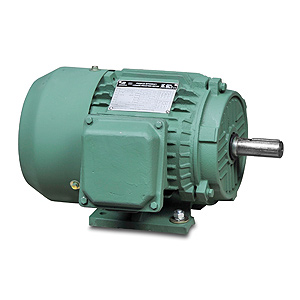
Was sind die Hauptkomponenten eines Wechselstrommotors und wie tragen sie zu seinem Betrieb bei?
Ein Wechselstrommotor besteht aus mehreren Schlüsselkomponenten, die zusammenarbeiten, um seinen Betrieb zu ermöglichen. Zu diesen Komponenten gehören:
- Stator: Der Stator ist der stationäre Teil eines Wechselstrommotors. Er besteht typischerweise aus einem laminierten Kern, der den magnetischen Fluss leitet. Der Stator enthält Statorwicklungen, also Drahtspulen, die um den Statorkern gewickelt sind. Die Statorwicklungen sind an eine Wechselstromquelle angeschlossen und erzeugen beim Einschalten ein Drehfeld. Dieses Drehfeld ist entscheidend für die Erzeugung des für den Motorbetrieb erforderlichen Drehmoments.
- Rotor: Der Rotor ist der rotierende Teil eines Wechselstrommotors. Er befindet sich im Inneren des Stators und ist mit einer Welle verbunden. Je nach Motortyp kann der Rotor unterschiedliche Bauformen aufweisen. Bei einem Induktionsmotor besitzt der Rotor keine elektrischen Anschlüsse. Stattdessen enthält er kurzgeschlossene Leiterstäbe oder Spulen. Das rotierende Magnetfeld des Stators induziert Ströme in den kurzgeschlossenen Rotorleitern. Dadurch entsteht ein Magnetfeld, das mit dem Statorfeld interagiert und ein Drehmoment erzeugt, wodurch der Rotor rotiert. Bei einem Synchronmotor enthält der Rotor Elektromagnete, die durch Gleichstrom magnetisiert werden. Dadurch kann sich der Rotor an das rotierende Magnetfeld des Stators anpassen und mit derselben Drehzahl rotieren.
- Lager: Lager dienen der Unterstützung und Gewährleistung der reibungslosen Rotation der Rotorwelle. Sie reduzieren die Reibung und ermöglichen die freie Drehung des Rotors im Motor. Typischerweise befinden sich die Lager an beiden Enden der Motorwelle und sind so konstruiert, dass sie den im Betrieb auftretenden axialen und radialen Kräften standhalten.
- Schlussglocken: Die Endkappen, auch Enddeckel oder Endhalterungen genannt, umschließen den Stator und Rotor des Motors. Sie bieten mechanische Unterstützung und Schutz für die internen Motorkomponenten. Endkappen bestehen typischerweise aus Metall und dienen als Gehäuse für die Lager sowie zur Befestigung des Motors an seiner Montagekonstruktion.
- Lüfter oder Kühlsystem: Wechselstrommotoren erzeugen im Betrieb häufig Wärme. Um Überhitzung zu vermeiden und einen einwandfreien Betrieb zu gewährleisten, sind sie mit Lüftern oder Kühlsystemen ausgestattet. Diese tragen zur Wärmeabfuhr bei, indem sie Luft zirkulieren lassen oder den Luftstrom über die Motorkomponenten, einschließlich der Stator- und Rotorwicklungen, leiten. Eine effektive Kühlung ist entscheidend für die Aufrechterhaltung des Wirkungsgrades und die Verlängerung der Lebensdauer des Motors.
- Anschlusskasten oder Verbindungskasten: Der Klemmenkasten ist ein außen am Motor angebrachtes Gehäuse, das den Zugang zu den elektrischen Anschlüssen des Motors ermöglicht. Er enthält Klemmen oder Anschlusspunkte, an die externe Leitungen zur Stromversorgung des Motors angeschlossen werden können. Der Klemmenkasten gewährleistet eine sichere Verbindung des Motors mit dem elektrischen System.
- Zusätzliche Komponenten: Je nach Ausführung und Anwendung können Wechselstrommotoren zusätzliche Bauteile wie Kondensatoren, Fliehkraftschalter, Bürsten (bei bestimmten Motortypen) und andere Steuergeräte enthalten. Diese Bauteile dienen verschiedenen Zwecken, beispielsweise der Verbesserung der Motorleistung, der Anlaufunterstützung oder der Realisierung spezifischer Steuerungsfunktionen.
Jede dieser Komponenten spielt eine entscheidende Rolle im Betrieb eines Wechselstrommotors. Stator und Rotor sind die Hauptkomponenten, die das rotierende Magnetfeld erzeugen und elektrische Energie in mechanische Bewegung umwandeln. Die Lager gewährleisten die reibungslose Rotation der Rotorwelle, während die Lagerschalen für Stabilität und Schutz sorgen. Lüfter oder Kühlsystem tragen zur Aufrechterhaltung optimaler Betriebstemperaturen bei, und der Klemmenkasten ermöglicht die korrekten elektrischen Anschlüsse. Weitere Komponenten werden je nach Bedarf integriert, um die Motorleistung zu steigern und spezifische Funktionen zu ermöglichen.


editor by CX 2024-05-10


