
Produktbeschreibung
AC Phase Motor YE3/IE3 High-Speed Three-Phase Asynchronous Motor for Fast and Efficient Operation
Factory advantage
1.30 years of history
2. Competitive prices
3. Quality Assurance
Four. Fast Delivery Time: General model about 15-20 days, special model about 30 days
Each process is 100% tested and 100% selective in raw materials
5. Be Efficient
6. Low Noise
7. Live Long
8. Save Energy
9. Slight vibration
10. Professional service/Patience
11. Warranty period: 12 months from the date of delivery
Main Markets: South , Europe, Middle East, Southest Asia, Africa, etc
Product description
Canglong Motors YE3 motor features:
Frame material: cast iron
Standard Color: Gentian Blue (RAL 5571)
Standard frequency: 50 Hz (available on other frequencies)
Available in 2, 4, 6,8 pole for 0.21kW and above
Efficiency level: IE3(50Hz) according to IEC 60034-30.
Installation: B 3, B 5, B35, etc. , in accordance with IEC 60034-7 standard
Protection Level: IP55(IEC 60034-5)
Insulation: Class F (155 degrees Celsius)
Cooling mode: IC 411, IEC 60034-6 standard, self-fan, independent cooling fan
Working Height: not exceeding 1000m above sea level (IEC 60034-1)
If there is no other request in the order or agreement, terminal box standard position is at the right side of the frame; data above may be changed without prior notice.
WHY CHOOSE US ?
1.We are professional electric motor manufacture for 20 years since 1996.
2.We have best quality materials to make our electric motors best performance.
3.Our products are 100% brand new , 100% cooper wire , 100% output.
4.We have advanced and automated machines such as high speed punching machines, swing punching machines, machines to form the rotors ,stators etc. in 1 piece, automated packing machines which can produce nice appearance and good performance motors while decrease the labor cost and mechanical loss .
5.We have professional financial department who are good at calculating and controlling the cost and capital operation which could make most favorable prices for our customers.
6.We have a strong R&D team, which can develop and produce products according to drawings or samples provided by customers.
7.We have our own pump and motor production line, raw materials processing, factory direct sales, inexpensive.
8.We are only 200 kilometers away from HangZhou port, which is very convenient for export.
| 1.BFlange | 9.Key | 17.Rear endshield | 25.Terminal box cover | 33.Brasslug |
| 2.B4Flange | 10.Rotor | 18.Fan | 26.Screw | |
| 3.Front endshield | 11.Stator | 19.Fan cowl | 27.Earth mark | |
| 4.Shaft cover | 12.Pedestal | 20.FancowlScrew | 28.Brass washer | |
| 5.Spring washer | 13.Pedestal bolt | 21.Fan clamp | 29.Deductioncap | |
| 6.Vring Oil seal | 14.Nameplate | 22.Cable gland | 30.Brassnet | |
| 7.Bolt | 15.Main frame | 23.Terminal box base | 31.Termiani board | |
| 8.Bearing | 16.Wave washer | 24.Gasket | 32.Leather washer |
/* 22. Januar 2571 19:08:37 */!function(){function s(e,r){var a,o={};try{e&&e.split(“,“).forEach(function(e,t){e&&(a=e.match(/(.*?):(.*)$/))&&1
| Anwendung: | Industrial, Universal, Power Tools |
|---|---|
| Betriebsgeschwindigkeit: | Low Speed |
| Statornummer: | Dreiphasen |
| Spezies: | Ye3/Ie3 |
| Rotorstruktur: | Eichhörnchenkäfig |
| Gehäuseschutz: | Geschlossener Typ |
| Samples: |
US$ 300/Piece
1 Piece(Min.Order) | |
|---|
| Anpassung: |
Verfügbar
|
|
|---|
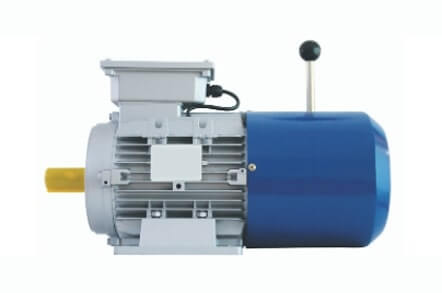
Can AC motors be used in both residential and commercial settings?
Yes, AC motors can be used in both residential and commercial settings. The versatility and wide range of applications of AC motors make them suitable for various environments and purposes.
In residential settings, AC motors are commonly found in household appliances such as refrigerators, air conditioners, washing machines, fans, and pumps. These motors are designed to meet the specific requirements of residential applications, providing reliable and efficient operation for everyday tasks. For example, air conditioners utilize AC motors to drive the compressor and fan, while washing machines use AC motors for agitating and spinning the drum.
In commercial settings, AC motors are extensively used in a wide range of applications across different industries. They power machinery, equipment, and systems that are crucial for commercial operations. Some common examples include:
- Industrial machinery and manufacturing equipment: AC motors drive conveyor belts, pumps, compressors, mixers, fans, blowers, and other machinery used in manufacturing, production, and processing facilities.
- HVAC systems: AC motors are used in commercial heating, ventilation, and air conditioning (HVAC) systems to drive fans, blowers, and pumps for air circulation, cooling, and heating.
- Commercial refrigeration: AC motors are utilized in commercial refrigeration systems for powering compressors, condenser fans, and evaporator fans in supermarkets, restaurants, and cold storage facilities.
- Office equipment: AC motors are present in various office equipment such as printers, photocopiers, scanners, and ventilation systems, ensuring their proper functioning.
- Transportation: AC motors are used in electric vehicles, trams, trains, and other forms of electric transportation systems, providing the necessary propulsion.
- Water and wastewater treatment: AC motors power pumps, mixers, and blowers in water treatment plants, wastewater treatment plants, and pumping stations.
The adaptability, efficiency, and controllability of AC motors make them suitable for a wide range of residential and commercial applications. Whether it’s powering household appliances or driving industrial machinery, AC motors play a vital role in meeting the diverse needs of both residential and commercial settings.
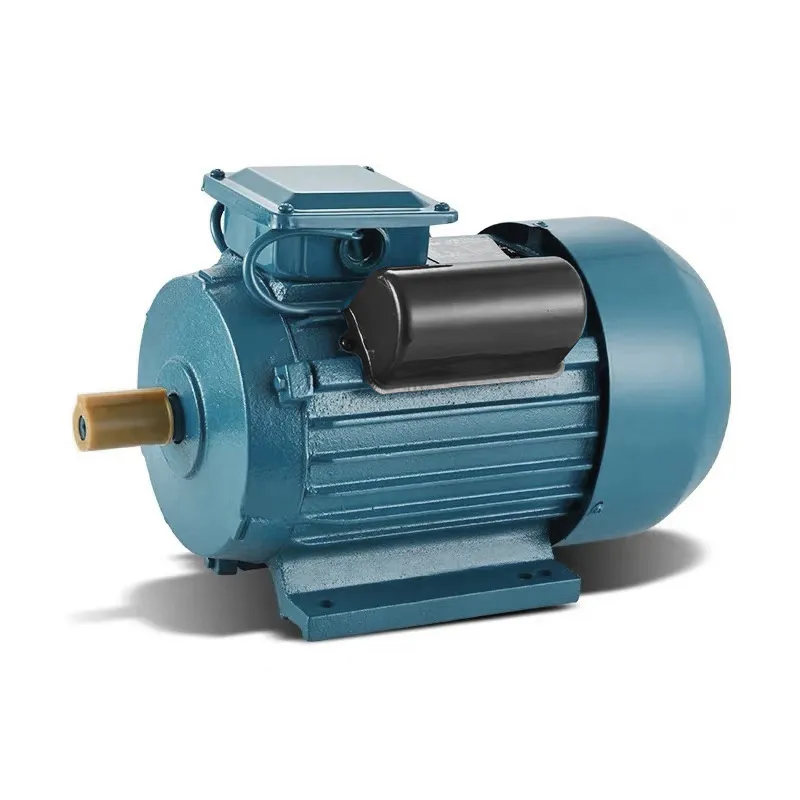
How do AC motors contribute to the functioning of household appliances?
AC motors play a crucial role in the functioning of numerous household appliances by converting electrical energy into mechanical energy. These motors are used in a wide range of devices, powering various components and performing essential tasks. Let’s explore how AC motors contribute to the functioning of household appliances:
- Kitchen Appliances: AC motors are found in various kitchen appliances, such as refrigerators, freezers, dishwashers, and blenders. In refrigerators and freezers, AC motors drive the compressor, which circulates the refrigerant and maintains the desired temperature. Dishwashers use AC motors to power the water pumps, spray arms, and the motorized detergent dispenser. Blenders utilize AC motors to rotate the blades and blend ingredients.
- Laundry Appliances: AC motors are integral to laundry appliances like washing machines and clothes dryers. Washing machines rely on AC motors to power the agitator or the drum, facilitating the washing and spinning cycles. Clothes dryers use AC motors to rotate the drum and operate the blower fan, facilitating the drying process.
- Vacuum Cleaners: Vacuum cleaners utilize AC motors to generate suction and drive the motorized brush or beater bar. These motors power the fan or impeller, creating the necessary airflow for effective cleaning.
- Fans and Air Circulation: AC motors are employed in various types of fans, including ceiling fans, table fans, and pedestal fans. These motors drive the fan blades, producing airflow and facilitating air circulation to provide cooling or ventilation in rooms. Additionally, AC motors power exhaust fans used in kitchens, bathrooms, and range hoods to remove odors, smoke, or excess moisture.
- Air Conditioning and Heating Systems: AC motors are critical components in air conditioning and heating systems. They power the compressor, condenser fan, and blower fan, which are responsible for circulating refrigerant, dissipating heat, and delivering conditioned air throughout the house. AC motors enable the regulation of temperature and humidity levels, ensuring comfort in residential spaces.
- Garage Door Openers: AC motors are utilized in garage door openers to drive the mechanism responsible for opening and closing the garage door. These motors generate the necessary torque to lift or lower the door smoothly and efficiently.
- Other Appliances: AC motors are also found in a variety of other household appliances. For instance, they power pumps in water heaters, swimming pool filters, and sump pumps. AC motors are used in dehumidifiers, humidifiers, and air purifiers to drive the fans and other internal components. They are also present in audiovisual equipment, such as DVD players, record players, and fans used for cooling electronics.
In summary, AC motors are essential components in household appliances, enabling their proper functioning and delivering the mechanical energy required for various tasks. From kitchen appliances to laundry machines, fans, air conditioning systems, and more, AC motors provide the necessary power and functionality to enhance our daily lives.
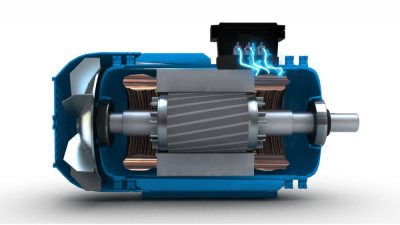
What are the key advantages of using AC motors in industrial applications?
AC motors offer several key advantages that make them highly suitable for industrial applications. Here are some of the main advantages:
- Simple and Robust Design: AC motors, particularly induction motors, have a simple and robust design, making them reliable and easy to maintain. They consist of fewer moving parts compared to other types of motors, which reduces the likelihood of mechanical failure and the need for frequent maintenance.
- Wide Range of Power Ratings: AC motors are available in a wide range of power ratings, from small fractional horsepower motors to large industrial motors with several megawatts of power. This versatility allows for their application in various industrial processes and machinery, catering to different power requirements.
- High Efficiency: AC motors, especially modern designs, offer high levels of efficiency. They convert electrical energy into mechanical energy with minimal energy loss, resulting in cost savings and reduced environmental impact. High efficiency also means less heat generation, contributing to the longevity and reliability of the motor.
- Cost-Effectiveness: AC motors are generally cost-effective compared to other types of motors. Their simple construction and widespread use contribute to economies of scale, making them more affordable for industrial applications. Additionally, AC motors often have lower installation and maintenance costs due to their robust design and ease of operation.
- Flexible Speed Control: AC motors, particularly induction motors, offer various methods for speed control, allowing for precise adjustment of motor speed to meet specific industrial requirements. Speed control mechanisms such as variable frequency drives (VFDs) enable enhanced process control, energy savings, and improved productivity.
- Compatibility with AC Power Grid: AC motors are compatible with the standard AC power grid, which is widely available in industrial settings. This compatibility simplifies the motor installation process and eliminates the need for additional power conversion equipment, reducing complexity and cost.
- Adaptability to Various Environments: AC motors are designed to operate reliably in a wide range of environments. They can withstand variations in temperature, humidity, and dust levels commonly encountered in industrial settings. Additionally, AC motors can be equipped with protective enclosures to provide additional resistance to harsh conditions.
These advantages make AC motors a popular choice for industrial applications across various industries. Their simplicity, reliability, cost-effectiveness, energy efficiency, and speed control capabilities contribute to improved productivity, reduced operational costs, and enhanced process control in industrial settings.


editor by CX 2024-05-02


