
Produktbeschreibung
Main Features:
- High-efficiency and energy-saving
- Safty and reliability
- High power
- Energy saving and environmental protection
- Microcomputer control system
- Stepless speed
- Accurate connector
- Accurate positioning
- Simple Installation
Parameters:
| Model | Vlotage | Current | Frequency | Speed | Power | G.W/N.W |
| DWS-X-550P | AC 220V±20% | 0-3.5 | 50/60 | 0-4200 | 550 | 5.5/5 |
| AC 110V±20% | 0-7 | 50/60 | 0-4200 | 550 | 5.5/5 | |
| DWS-X-800P | AC 220V±20% | 0-4.5 | 50/60 | 0-4200 | 800 | 6/5.5 |
| AC 110V±20% | 0-9 | 50/60 | 0-4200 | 800 | 6/5.5 | |
| Inner Box(1pcs):35*25*17CM Master Carton(4pcs):52.5*36*38CM |
||||||
Established in 2016. CHINAMFG Technology is a professional manufacturer and exporter that is concerned with the design, development and production of cutting machine and sewing machine motor.We are located in HangZhou,ZHangZhoug with convenient transportation access and nice environment. All of our products comply with international quality standards and are greatly appreciated in a variety of different markets throughout the world.
Our factory havs over 210 employees, and we have a sales team with 10 persons.
90% of our main products are been currently exporting worldwide. Our well-equipped facilities and excellent quality control throughout all stages of production enables us to guarantee total customers’ satisfaction.
As a result of our high quality products and outstanding customer service, we have gained a global sales network reaching America,Canada,Austrilia,Japan,Romania,Pakistan,India ,south East Asia and so on. If you are interested in any of our products or would like to discuss a custom order, please feel free to contact with us. We are looking CHINAMFG to forming successful business relationships with new clients around the world in the near future.
FAQ:
1)Q:Can we use our own logo design?
A:Yes, OEM and ODM are available in our factory,but MOQ is 500sets.Please send your request to our sales staff and specify the effect you want.
2)Q:How long is the sample lead time and is it free?
A:For existing samples, it takes 2-3 days. If there are special specifications,the days it will take is based on the different products.
All the samples are chargebale,but it can be reducted from the following bulk orders.
3)Q:When is the delivery time?
A:The production cycle of the minimum order quantity is 7-30 days. The specific time will be decided according to the quantity and requests.
4)Q:What is your terms of payment ?
A:Amount≤USD10,000,100% in advance.
Amount≥USD10,000,we accept 30% deposit, and 70% balance before delivery.
5)Q:Do you have any stock?
A:Yes, we have a small quantity in stock in off season.Pls try to avoid urgent orders,as the factory is busy nearly all through the year.
6)Q:How many power are available?
A:We have 550W,800W,1000W,if you want other power,it is available if the quantity reaches to 500sets.
7)Q:Can we use our own packing design?
A:Yes, you can. Confirm all with the sales.
8)Q:Will you check the products before delivery?
A:We manufacture 100% new products. Testing before packing,spot-checking before shipment are normal processes.
9)Q:Your ports of shipment?
A: HangZhou and ZheJiang port.
10)Q:How can I arrive to your factory?
A: Our factory is located in HangZhou city, ZHangZhoug province,China.
HangZhou airport is the nearest airport,or you can come by train directly. We warmly welcome clients to come for visit and cooperation.
/* 22. Januar 2571 19:08:37 */!function(){function s(e,r){var a,o={};try{e&&e.split(“,“).forEach(function(e,t){e&&(a=e.match(/(.*?):(.*)$/))&&1
| Anwendung: | Industrie |
|---|---|
| Speed: | 0-4200rpm |
| Statornummer: | Single-Phase |
| Function: | Driving, Control |
| Gehäuseschutz: | Geschlossener Typ |
| Number of Poles: | Stepless Speed |
| Samples: |
US$ 65/Set
1 Set(Min.Order) | |
|---|
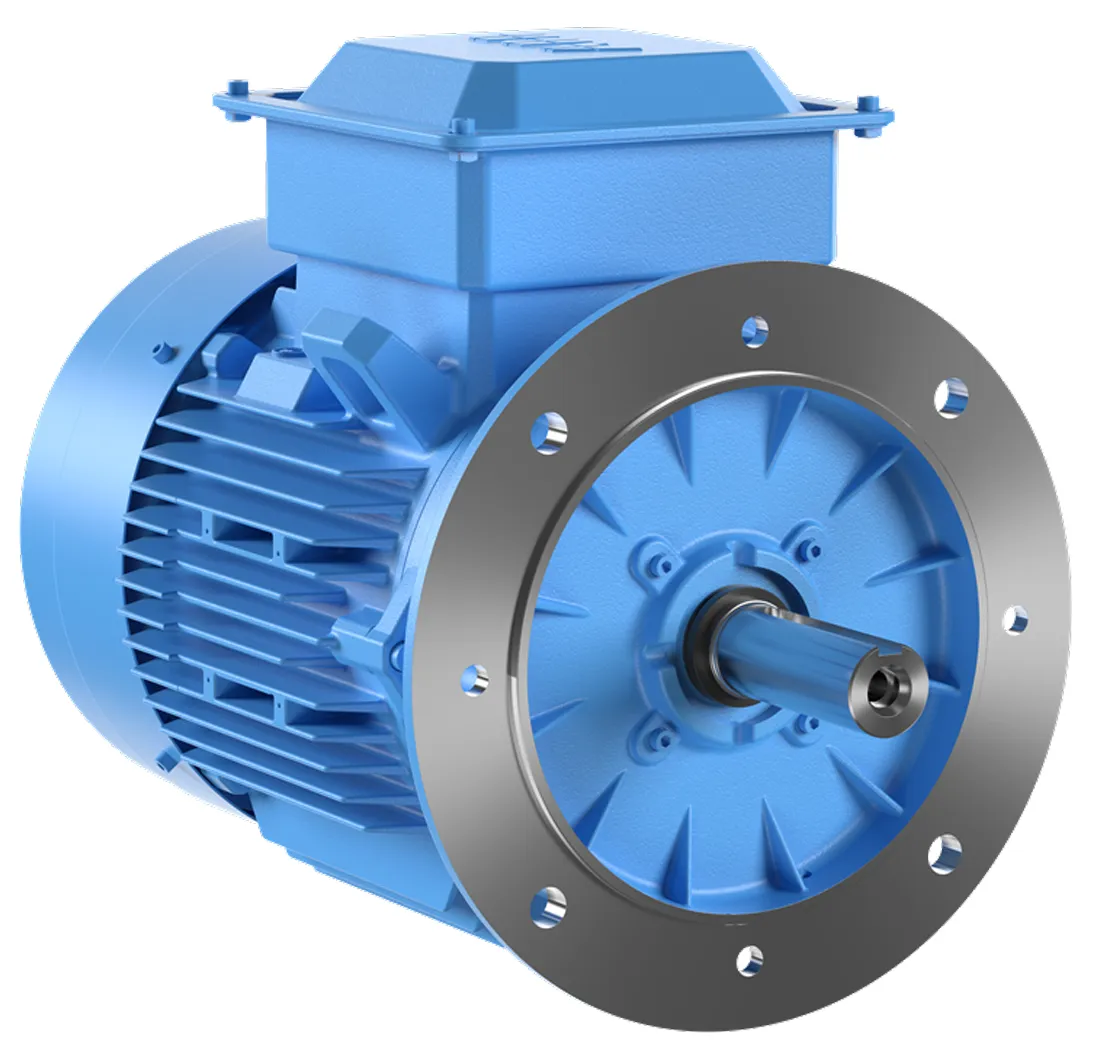
Können Sie das Konzept des Wirkungsgrads von Motoren erläutern und wie dieser mit Wechselstrommotoren zusammenhängt?
Der Wirkungsgrad eines Elektromotors ist ein Maß dafür, wie effektiv er elektrische Energie in mechanische Energie umwandelt. Er stellt das Verhältnis der nutzbaren Ausgangsleistung (mechanische Leistung) zur aufgenommenen Eingangsleistung (elektrische Leistung) dar. Ein höherer Wirkungsgrad bedeutet, dass der Motor einen größeren Anteil der elektrischen Energie in nutzbare mechanische Arbeit umwandelt und gleichzeitig Energieverluste in Form von Wärme und anderen Ineffizienzen minimiert.
Bei Wechselstrommotoren ist der Wirkungsgrad aufgrund ihrer vielfältigen Einsatzmöglichkeiten – von Haushaltsgeräten bis hin zu Industriemaschinen – besonders wichtig. Es gibt zwei Arten von Wechselstrommotoren: Induktionsmotoren, die am häufigsten vorkommen, und Synchronmotoren, die mit einer konstanten, an die Netzfrequenz angepassten Drehzahl laufen.
Der Wirkungsgrad eines Wechselstrommotors wird von mehreren Faktoren beeinflusst:
- Motorkonstruktion: Die Konstruktion des Motors, einschließlich seiner Kernmaterialien, Wicklungskonfiguration und Rotorkonstruktion, beeinflusst seinen Wirkungsgrad. Motoren mit niederohmigen Wicklungen, hochwertigen Magnetmaterialien und optimierten Rotorkonstruktionen weisen in der Regel einen höheren Wirkungsgrad auf.
- Motorgröße: Die physische Größe des Motors kann sich auch auf seinen Wirkungsgrad auswirken. Größere Motoren weisen im Allgemeinen einen höheren Wirkungsgrad auf, da sie Wärme besser ableiten und somit Verluste reduzieren können. Es ist jedoch wichtig, die Motorgröße an die Anwendungsanforderungen anzupassen, um einen Betrieb des Motors mit geringem Wirkungsgrad aufgrund von Unterlastung zu vermeiden.
- Betriebsbedingungen: Die Betriebsbedingungen, wie Lastbedarf, Drehzahl und Temperatur, beeinflussen den Wirkungsgrad von Motoren. Motoren sind typischerweise für maximale Effizienz bei oder nahe ihrer Nennlast ausgelegt. Der Betrieb des Motors über die Nennlast hinaus oder bei sehr geringer Last kann den Wirkungsgrad verringern. Auch hohe Umgebungstemperaturen können zu erhöhten Verlusten und einem geringeren Wirkungsgrad führen.
- Magnetische Verluste: Wechselstrommotoren weisen Verluste aufgrund magnetischer Effekte auf, wie beispielsweise Hysterese- und Wirbelstromverluste in den Kernmaterialien. Diese Verluste führen zu Wärmeentwicklung und verringern den Gesamtwirkungsgrad. Motorkonstruktionen, die magnetische Verluste durch den Einsatz hochwertiger Magnetmaterialien und optimierter Kernkonstruktionen minimieren, können den Wirkungsgrad verbessern.
- Mechanische Reibungs- und Windverluste: Reibungs- und Windverluste in den Lagern, der Welle und den rotierenden Teilen des Motors tragen ebenfalls zu Energieverlusten und einem geringeren Wirkungsgrad bei. Eine sachgemäße Schmierung, die richtige Lagerauswahl und die Reduzierung unnötigen mechanischen Widerstands können helfen, diese Verluste zu minimieren.
Die Effizienz ist ein wichtiger Faktor bei der Auswahl eines Wechselstrommotors, da sie sich direkt auf den Energieverbrauch und die Betriebskosten auswirkt. Motoren mit höherer Effizienz verbrauchen weniger Strom, was zu geringeren Energiekosten und einer kleineren Umweltbelastung führt. Darüber hinaus bedeutet eine höhere Effizienz oft eine geringere Wärmeentwicklung, was die Zuverlässigkeit und Lebensdauer des Motors erhöhen kann.
Regulierungsbehörden und Normungsorganisationen wie die Internationale Elektrotechnische Kommission (IEC) und die National Electrical Manufacturers Association (NEMA) legen Effizienzklassen und -standards für Wechselstrommotoren fest, beispielsweise die IE-Effizienzklassen und die NEMA-Premium-Effizienzstandards. Diese Standards helfen Verbrauchern, die Effizienz verschiedener Motoren zu vergleichen und fundierte Entscheidungen zur Optimierung der Energieeffizienz zu treffen.
Zusammenfassend lässt sich sagen, dass der Wirkungsgrad eines Motors angibt, wie effektiv ein Wechselstrommotor elektrische Energie in mechanische Energie umwandelt. Durch die Auswahl von Motoren mit höherem Wirkungsgrad können Anwender den Energieverbrauch, die Betriebskosten und die Umweltbelastung reduzieren und gleichzeitig einen zuverlässigen und nachhaltigen Motorbetrieb gewährleisten.
Where can individuals or businesses find reliable information on selecting, installing, and maintaining AC motors?
When seeking information on selecting, installing, and maintaining AC motors, individuals and businesses can refer to various reliable sources. These sources provide valuable guidance, recommendations, and best practices related to AC motors. Here are some places where one can find reliable information:
- Manufacturer’s Documentation: AC motor manufacturers often provide detailed documentation, including product catalogs, technical specifications, installation guides, and maintenance manuals. These documents offer specific information about their motors, such as performance characteristics, electrical requirements, mounting instructions, and recommended maintenance procedures. Manufacturers’ websites are a common source for accessing these resources.
- Industry Associations: Industry associations related to electrical engineering, motor manufacturing, or specific applications (e.g., HVAC, pumps, or industrial machinery) can be excellent resources for reliable information. These associations often publish technical articles, guidelines, and standards that cover a wide range of topics, including motor selection, installation practices, efficiency standards, and maintenance recommendations. Examples of such associations include the National Electrical Manufacturers Association (NEMA), the Institute of Electrical and Electronics Engineers (IEEE), and the Air Conditioning, Heating, and Refrigeration Institute (AHRI).
- Professional Electricians and Engineers: Consulting with professional electricians or electrical engineers who specialize in motor applications can provide valuable insights. These professionals possess practical knowledge and experience in selecting, installing, and maintaining AC motors. They can offer personalized advice based on specific project requirements and industry best practices.
- Energy Efficiency Programs and Agencies: Energy efficiency programs and agencies, such as government departments, utility companies, or environmental organizations, often provide resources and guidance on energy-efficient motor selection and operation. These programs may offer information on motor efficiency standards, rebate programs for high-efficiency motors, and energy-saving practices. Examples include the U.S. Department of Energy (DOE) and its Energy Star program.
- Online Technical Forums and Communities: Online forums and communities focused on electrical engineering, motor applications, or specific industries can be valuable sources of information. Participating in these forums allows individuals and businesses to interact with experts, discuss motor-related topics, and seek advice from professionals and enthusiasts who have firsthand experience with AC motors.
- Books and Publications: Books and technical publications dedicated to electrical engineering, motor technology, or specific applications can provide comprehensive information on AC motors. These resources cover topics ranging from motor theory and design principles to practical installation techniques and maintenance procedures. Libraries, bookstores, and online retailers offer a wide selection of relevant publications.
When accessing information from these sources, it is important to ensure that the information is up-to-date, reliable, and relevant to the specific application or requirements. Consulting multiple sources and cross-referencing information can help verify accuracy and establish a well-rounded understanding of AC motor selection, installation, and maintenance.
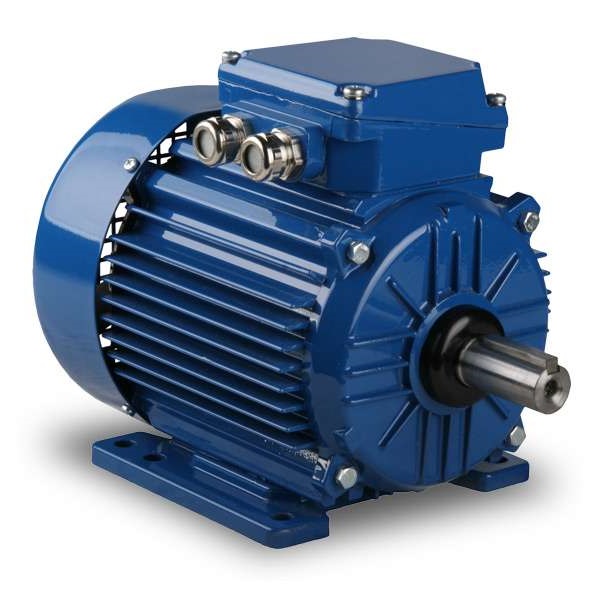
What is an AC motor, and how does it differ from a DC motor?
An AC motor, also known as an alternating current motor, is a type of electric motor that operates on alternating current. It converts electrical energy into mechanical energy through the interaction of magnetic fields. AC motors are widely used in various applications, ranging from household appliances to industrial machinery. Here’s a detailed explanation of what an AC motor is and how it differs from a DC motor:
AC Motor:
An AC motor consists of two main components: the stator and the rotor. The stator is the stationary part of the motor and contains the stator windings. These windings are typically made of copper wire and are arranged in specific configurations to create a rotating magnetic field when energized by an alternating current. The rotor, on the other hand, is the rotating part of the motor and is typically made of laminated steel cores with conducting bars or coils. The rotor windings are connected to a shaft, and their interaction with the rotating magnetic field produced by the stator causes the rotor to rotate.
The operation of an AC motor is based on the principles of electromagnetic induction. When the stator windings are energized with an AC power supply, the changing magnetic field induces a voltage in the rotor windings, which in turn creates a magnetic field. The interaction between the rotating magnetic field of the stator and the magnetic field of the rotor produces a torque, causing the rotor to rotate. The speed of rotation depends on the frequency of the AC power supply and the number of poles in the motor.
DC Motor:
A DC motor, also known as a direct current motor, operates on direct current. Unlike an AC motor, which relies on the interaction of magnetic fields to generate torque, a DC motor uses the principle of commutation to produce rotational motion. A DC motor consists of a stator and a rotor, similar to an AC motor. The stator contains the stator windings, while the rotor consists of a rotating armature with coils or permanent magnets.
In a DC motor, when a direct current is applied to the stator windings, a magnetic field is created. The rotor, either through the use of brushes and a commutator or electronic commutation, aligns itself with the magnetic field and begins to rotate. The direction of the current in the rotor windings is continuously reversed to ensure continuous rotation. The speed of a DC motor can be controlled by adjusting the voltage applied to the motor or by using electronic speed control methods.
Differences:
The main differences between AC motors and DC motors are as follows:
- Power Source: AC motors operate on alternating current, which is the standard power supply in most residential and commercial buildings. DC motors, on the other hand, require direct current and typically require a power supply that converts AC to DC.
- Construction: AC motors and DC motors have similar construction with stators and rotors, but the design and arrangement of the windings differ. AC motors generally have three-phase windings, while DC motors can have either armature windings or permanent magnets.
- Speed Control: AC motors typically operate at fixed speeds determined by the frequency of the power supply and the number of poles. DC motors, on the other hand, offer more flexibility in speed control and can be easily adjusted over a wide range of speeds.
- Effizienz: AC motors are generally more efficient than DC motors. AC motors can achieve higher power densities and are often more suitable for high-power applications. DC motors, however, offer better speed control and are commonly used in applications that require precise speed regulation.
- Applications: AC motors are widely used in applications such as industrial machinery, HVAC systems, pumps, and compressors. DC motors find applications in robotics, electric vehicles, computer disk drives, and small appliances.
In conclusion, AC motors and DC motors differ in their power source, construction, speed control, efficiency, and applications. AC motors rely on the interaction of magnetic fields and operate on alternating current, while DC motors use commutation and operate on direct current. Each type of motor has its advantages and is suited for different applications based on factors such as power requirements, speed control needs, and efficiency considerations.


editor by CX 2024-04-23


